Your Quick Guide
- Why Bother with Meal Prep? (It's More Than Just a Trend)
- Getting Started: Your First Easy Meal Prep Game Plan
- Top 3 Easy Food Prep Meal Recipes to Try First
- How to Store Your Easy Meal Prep Creations
- Making Easy Food Prep Work on a Tight Budget
- Answering Your Biggest Easy Meal Prep Questions
- The Final Word: Give Yourself a Break
Let's be honest. The idea of cooking every single night after a long day is enough to make anyone reach for the takeout menu. I've been there. You start with good intentions, but by Wednesday, you're staring into the fridge hoping a fully cooked meal will magically appear. It never does.
That's where easy food prep meals come in. It's not about spending your entire Sunday chained to the stove. It's about being smart, a little strategic, and giving your future self the gift of time and good food. When I finally got my meal prep routine down, it changed my weeknights completely. Less panic, less waste, and honestly, better eating because I wasn't just grabbing whatever was fastest.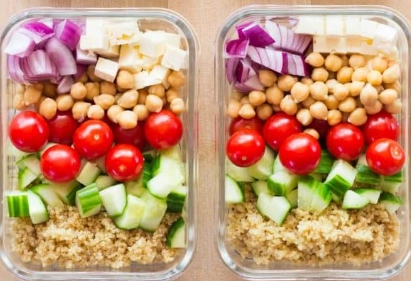
Why Bother with Meal Prep? (It's More Than Just a Trend)
You might think it's just for fitness influencers with perfectly labeled containers. Not true. The real benefits are for anyone who eats food and has a life outside the kitchen.
First, the obvious one: time. Instead of the daily 45-minute scramble of chopping, cooking, and cleaning, you consolidate that effort into one focused session. Imagine getting home and dinner is essentially ready in 10 minutes. That's freedom.
Then there's money. Impulse buys at the grocery store? Gone. Desperate last-minute pizza orders? History. You buy what you need for your plan, and you use it all. The USDA has resources on budget-friendly eating, and a solid meal prep plan is the ultimate practical application.
And let's talk health. When you prep, you control exactly what goes into your food—the oil, the salt, the sauces. It's much easier to make nutritious choices when a healthy, easy food prep meal is staring back at you from the fridge, rather than a bare shelf. The Harvard T.H. Chan School of Public Health consistently emphasizes the importance of home-cooked meals for long-term health, and prep is the tool that makes it sustainable.
My personal favorite benefit? Decision fatigue reduction. "What's for dinner?" is a draining question to answer daily. Having the answer pre-decided is a tiny but powerful mental load off.
Getting Started: Your First Easy Meal Prep Game Plan
Don't try to prep a five-course gourmet feast for the whole family on your first try. Start simple. The goal is to build a habit, not win a cooking show.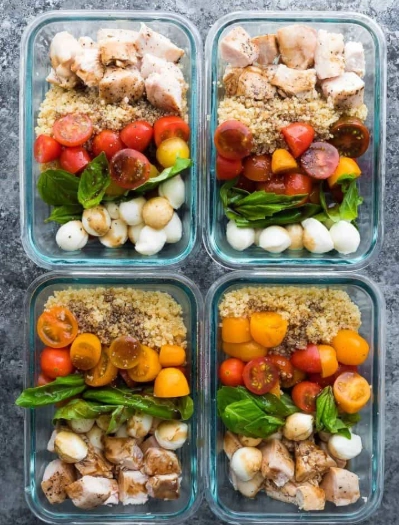
I recommend a "Prep Components, Not Full Plates" approach for beginners. Instead of fully assembling 10 identical containers, you prep versatile building blocks that you can mix and match all week.
Think about it in three categories:
- The Protein Foundation: A big batch of one or two proteins. Think shredded chicken breasts in the slow cooker, a tray of baked tofu cubes, a pot of seasoned lentils or black beans, or a few baked salmon fillets.
- The Veggie Base: Two or three types of roasted or raw veggies. Roast a big tray of broccoli, bell peppers, and sweet potatoes. Wash and chop a head of lettuce, some cucumbers, and cherry tomatoes for salads.
- The Flavor & Fun: A grain like quinoa or brown rice, a simple sauce (like a lemon-tahini or a yogurt-herb), some cheese, nuts, or avocado (add these fresh later in the week).
With these components in your fridge, you can throw together a bowl, a salad, a wrap, or a stir-fry in minutes. Monday is a rice bowl with chicken and roasted veggies. Tuesday is a salad with lentils and fresh veggies. Wednesday you sauté the pre-cooked components with a new sauce for a stir-fry. It feels different every day.
Essential Tools (You Don't Need a Fancy Kitchen)
You can start with what you have. But a few key items make easy food prep meals genuinely easy.
Good Knife & Cutting Board: This is non-negotiable. A sharp chef's knife makes chopping veggies feel quick, not like a chore. A large cutting board gives you space.
Large Sheet Pans: For roasting. Lining them with parchment paper means virtually no cleanup. You can roast your veggies and your protein at the same time.
A Big Pot or Dutch Oven: For soups, stews, beans, grains, or boiling eggs.
Storage Containers: This is where many people go wrong. You don't need a million matching ones. Get a few different sizes—some small for sauces/dressings, medium for components, and large for full meals or big batches of soup. Glass is best for reheating and not staining, but BPA-free plastic works for cold items. I made the mistake of buying a huge set of cheap containers with flimsy lids. Half of them cracked or warped in the dishwasher. Invest in a few good ones instead.
Optional but Game-Changing: A slow cooker or Instant Pot. You can literally dump ingredients in, walk away for hours, and come back to a cooked meal. It's perfect for busy weekends.
Top 3 Easy Food Prep Meal Recipes to Try First
Here are my go-to, never-fail recipes that are perfect for beginners. They're simple, make great leftovers, and are incredibly versatile.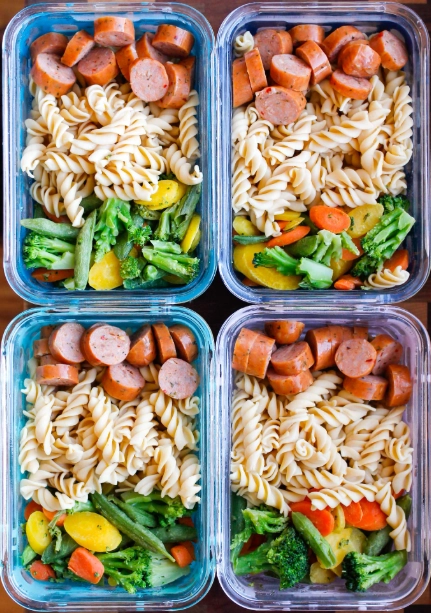
1. The "No-Fuss" Shredded Chicken
This is the ultimate building block. Put 2-3 pounds of boneless, skinless chicken breasts or thighs in a slow cooker. Add half a cup of chicken broth, a sprinkle of salt, pepper, and garlic powder. Cook on low for 6-8 hours. Shred with two forks. Done. Use it in tacos, on salads, in soups, or mixed with BBQ sauce for sandwiches. It freezes beautifully too.
2. "Set-It-and-Forget-It" Roasted Vegetable Medley
Chop broccoli florets, bell peppers, red onion, and zucchini into bite-sized pieces. Toss with olive oil, salt, pepper, and dried Italian herbs. Spread on a parchment-lined sheet pan. Roast at 425°F (220°C) for 20-25 minutes until slightly charred. The high heat brings out the natural sweetness. These are great hot, cold in salads, or reheated.
3. The "One-Pot" Quinoa & Black Bean Bowl Base
Rinse 1 cup of quinoa. In a pot, sauté a diced onion until soft. Add the quinoa, 1 can of rinsed black beans, 2 cups of vegetable broth, and 1 tsp of cumin. Bring to a boil, then cover and simmer for 15 minutes. Let it sit for 5 minutes, then fluff. You have a protein-packed, flavorful base for bowls. Top with your shredded chicken, roasted veggies, salsa, and avocado.
See? None of that is complicated chef work. It's simple, hands-off cooking that yields big rewards.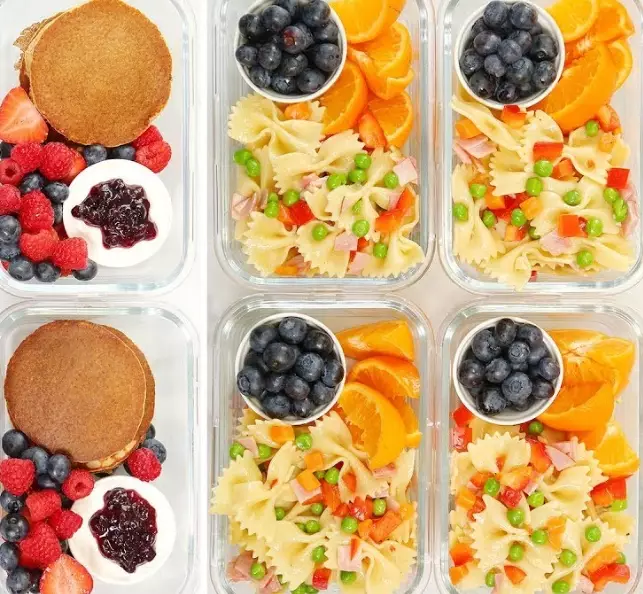
How to Store Your Easy Meal Prep Creations
Proper storage is the difference between a delicious Wednesday lunch and a sad, soggy mess. This is where a lot of guides skim over the details.
| Food Type | Best Container | Fridge Life | Freezer Life | Pro Tip |
|---|---|---|---|---|
| Cooked Grains (rice, quinoa) | Airtight container | 4-5 days | 2-3 months | Let cool completely before storing to prevent condensation and sogginess. |
| Roasted Vegetables | Container with a little air space | 4-5 days | Not ideal (texture suffers) | Store dressings/sauces separately to keep veggies crisp. |
| Cooked Proteins (chicken, fish, beans) | Airtight container | 3-4 days | 2-3 months | Store in cooking juices or broth to prevent drying out. |
| Soups & Stews | Glass jars or containers with tight lids | 3-4 days | 4-6 months | Leave an inch of space at the top for expansion if freezing. |
| Fresh Salads (greens, chopped veg) | Container lined with a paper towel | 2-3 days | Do not freeze | The paper towel absorbs excess moisture, keeping greens crisp. Add wet ingredients (tomatoes, dressing) last minute. |
A personal lesson: I once prepped a beautiful pasta salad on a Sunday, dressed it all, and by Tuesday it was a watery, mushy disaster. Now I keep the dressing in a tiny separate container and mix it in right before I eat. Night and day difference.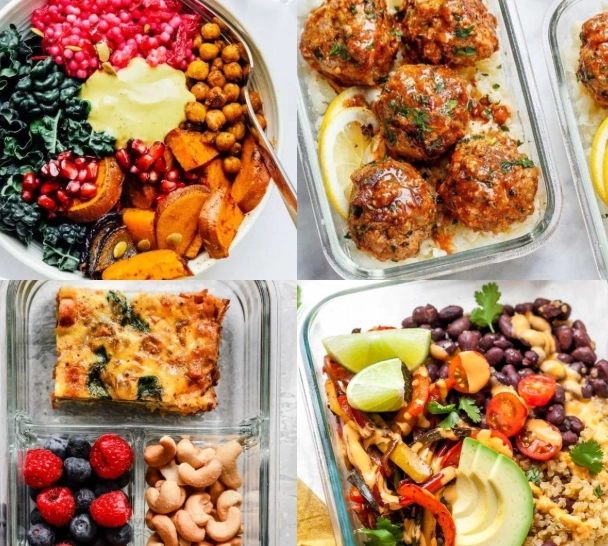
Making Easy Food Prep Work on a Tight Budget
But what if you're on a tight budget? Is meal prep still viable? Absolutely. In fact, it's one of the best ways to save money.
Focus on plant-based proteins. Dried lentils, beans, and chickpeas are incredibly cheap, nutritious, and perfect for prepping in big batches. A bag of dried beans costs pennies per serving compared to meat.
Buy in-season and frozen. Out-of-season berries are expensive. In-season zucchini or carrots are cheap. Frozen vegetables and fruits are often more nutritious than fresh ones that have traveled for weeks, and they're usually cheaper, with no waste. Frozen spinach, corn, and peas are meal prep heroes.
Embrace eggs. Hard-boil a dozen eggs at the start of the week. They're a cheap, high-quality protein source for snacks or to add to salads.
Repurpose leftovers intentionally. Sunday's roasted chicken becomes Monday's chicken salad sandwiches and Tuesday's chicken soup. Plan the repurposing, so nothing feels like a boring repeat.
The goal isn't perfection. It's progress.
Answering Your Biggest Easy Meal Prep Questions
Let's tackle some common hangups. I had these questions too when I started.
I get bored easily. How do I keep it interesting?
Change up your spices and sauces! The same chicken can taste completely different with teriyaki sauce, curry powder, or salsa verde. Prep a couple of different sauces each week. Also, don't prep every single meal. Maybe just prep lunches and 2-3 dinner components, leaving room for spontaneity.
How long does it REALLY take?
Your first time might take 2 hours because you're figuring it out. Once you have a rhythm, a basic component prep for the week can be done in 60-90 minutes. Put on some music or a podcast. It goes by fast. And you're saving that time tenfold on busy weeknights.
Do the meals taste good by Friday?
If you store them properly, yes. Some things, like salads with dressing, won't hold up. But soups, stews, roasted dishes, and grain bowls often taste better after a day or two as the flavors meld. For the best texture, eat more delicate items (like fish or pre-dressed salads) earlier in the week.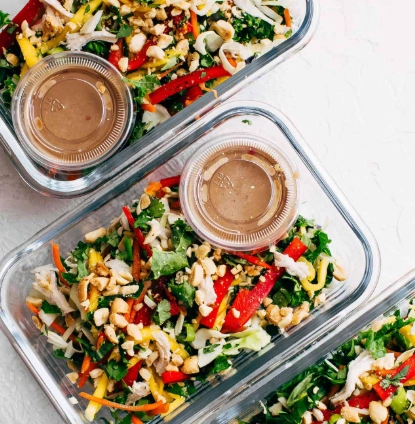
I have no space in my fridge!
This is a real problem in smaller kitchens. Use stackable containers. Consider prepping for 3-4 days instead of 5. Or utilize your freezer more—prep and freeze half your batches for the following week.
Is it safe to reheat food in plastic containers?
This is a valid concern. To be safe, always transfer food to a glass or ceramic plate/bowl for microwaving, or use microwave-safe glass containers from the start. Avoid reheating in thin, flimsy plastic containers, even if they claim to be microwave-safe. The FDA regulates food contact substances, but when in doubt, glass is the simpler choice.
The Final Word: Give Yourself a Break
Look, some weeks you'll nail it. You'll feel like a meal prep champion with a fridge full of colorful, organized containers. Other weeks, life will happen, and the best you can do is boil some eggs and wash some grapes. That's okay. The system is there to serve you, not enslave you.
The core idea of easy food prep meals is about removing friction from eating well. It's about making the healthy choice the easy choice. Start with one thing. Maybe next week, you just prep a big batch of oatmeal for breakfasts. Or you chop all your veggies for snacks so they're ready to grab.
Small steps build the habit. Before you know it, you'll have your own rhythm, your favorite recipes, and you'll wonder how you ever managed your kitchen without a little bit of prep. And on those nights when you get home exhausted, you'll open the fridge and thank your past self. That feeling alone is worth it.
Reader Comments