Guide Highlights
- Why the Air Fryer is a Chicken Breast Game-Changer
- Getting Started: The Non-Negotiable Prep Work
- The Core Method: How to Cook Boneless Skinless Chicken Breast in Air Fryer
- Air Fryer Chicken Breast Time and Temperature Chart
- Top Tricks to Keep It Juicy (Not Rubbery)
- Beyond Basic: Flavor Ideas & Easy Recipes
- Answering Your Burning Questions (FAQs)
- The Real-World Verdict
Let's be honest. Boneless, skinless chicken breast has a reputation. A bad one. It's the poster child for boring, healthy food that turns into a cardboard-like disappointment if you look at it wrong. For years, I dreaded cooking it. Baking took forever and often dried it out. Pan-frying was a splattery mess. Grilling was great, but not exactly a weeknight option.
Then I got an air fryer.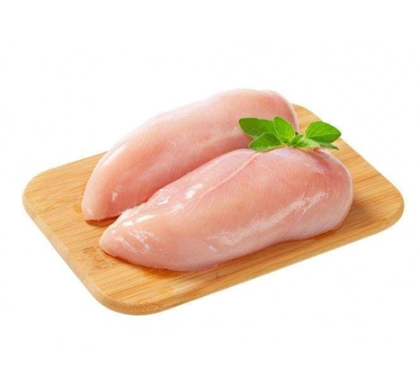
It genuinely changed the game for this humble protein. Cooking boneless skinless chicken breast in an air fryer isn't just easy—it's the most reliable way I've found to get a juicy interior with a perfectly seared, slightly crispy exterior, all in under 20 minutes. No constant flipping, no guesswork, just consistent results. This isn't about another basic recipe; it's about understanding the how and why so you never have to suffer through a dry piece of chicken again.
Why the Air Fryer is a Chicken Breast Game-Changer
You might wonder what all the fuss is about. It's just a small oven with a fan, right? Well, that fan is the secret weapon. Think of your air fryer as a mini convection oven on steroids. That intense, circulating hot air does two crucial things for your boneless skinless chicken breast in the air fryer.
First, it creates a phenomenon called the Maillard reaction much more efficiently than a standard oven. That's the scientific term for the beautiful browning and complex flavor development that happens when proteins and sugars heat up. Your chicken gets a savory, appetizing crust without needing a ton of oil.
Second, and more importantly for avoiding dryness, it cooks the chicken quickly and evenly. The hot air envelops the meat from all sides, reducing cook time. A shorter cook time means less opportunity for all those precious juices to evaporate and flee the scene.
I was skeptical at first. Could it really be that different? The first time I pulled out a perfectly cooked, juicy chicken breast after just 12 minutes, I was sold. The texture was spot-on.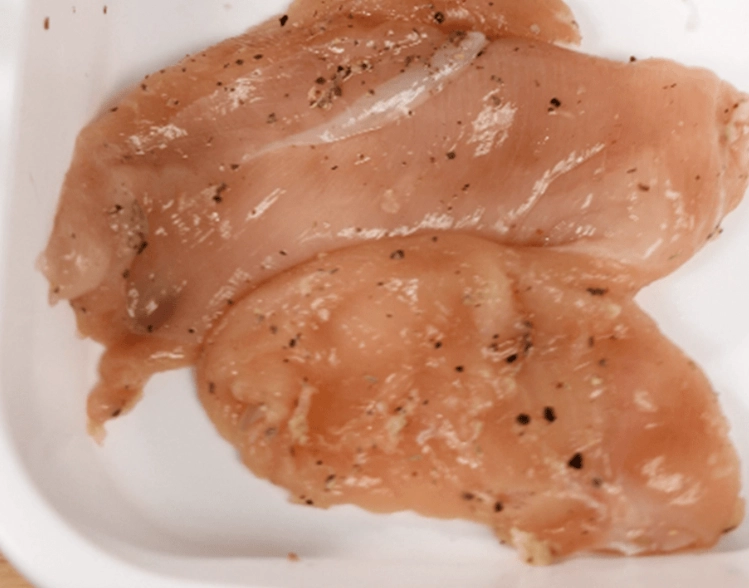
Getting Started: The Non-Negotiable Prep Work
You can't just toss a cold, wet chicken breast in there and hope for the best. A little prep goes a long way in guaranteeing success. This is where most people slip up.
Here’s your pre-flight checklist:
- Uniform Thickness: This is arguably the most important step. Chicken breasts are notoriously uneven—fat on one end, thin on the other. If you cook it as-is, the thin part will be overcooked and dry while the thick part is still raw. The fix is simple. Place the breast on a cutting board, cover it with plastic wrap, and gently pound the thicker end with a rolling pin, meat mallet, or even a heavy skillet until it's an even thickness (about ¾ to 1 inch is ideal). It takes 30 seconds and makes all the difference.
- Dry It: As mentioned, pat it completely dry.
- Season Liberally: Don't be shy. Chicken breast needs help in the flavor department. At a minimum, use kosher salt and black pepper. For more flavor, add garlic powder, onion powder, paprika, or a dried herb blend. You can season right before cooking, but for deeper flavor penetration, season and let it sit in the fridge for 30 minutes to an hour.
- To Oil or Not to Oil? A light coating of oil (about ½ to 1 teaspoon per breast) helps the seasoning stick, promotes even browning, and prevents sticking. Use an oil with a high smoke point like avocado oil, refined olive oil, or regular olive oil. I usually give it a quick spray or brush.
I learned the importance of pounding the hard way. I skipped it once, eager to get dinner done, and ended up with a breast that was perfect on one end and stringy on the other. Never again.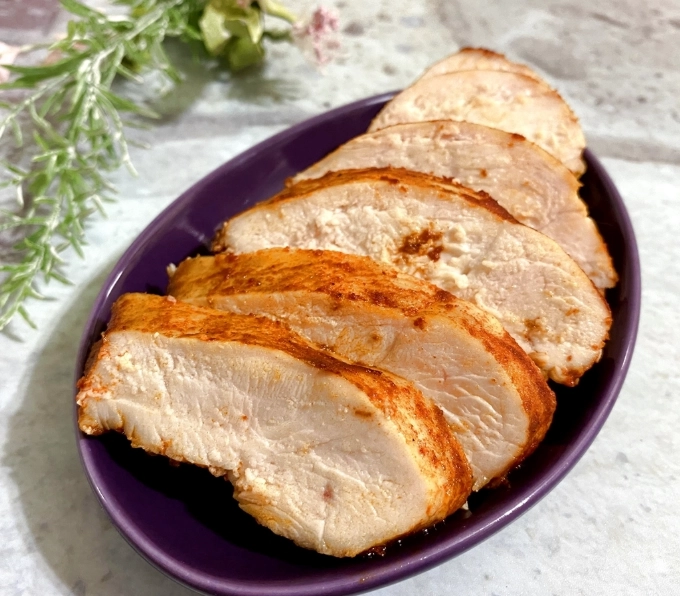
The Core Method: How to Cook Boneless Skinless Chicken Breast in Air Fryer
Okay, your chicken is prepped. Now for the main event. The process is simple, but nailing the details is key.
- Preheat Your Air Fryer: I know, it's an extra step. But just like preheating an oven, it ensures consistent cooking from the second the chicken goes in. Set it to 380°F (193°C) for about 3-5 minutes. If your model doesn't have a preheat function, just let it run empty at the target temperature for that time.
- Arrange in Basket: Place the chicken breasts in a single layer. Don't overcrowd them! They need space for the air to circulate. If they're touching or stacked, they'll steam. Cook in batches if you have to. It's worth it.
- Cook: This is where people get anxious. The magic number for a standard 6-8 oz breast pounded to ¾-inch thickness is usually between 10 and 14 minutes at 380°F. But here's the critical part...
- Flip Halfway: Set a timer for half the total time. When it goes off, pull out the basket and flip the chicken breasts. This ensures even browning on both sides.
- Check for Doneness: This is non-negotiable. You cannot rely on time alone. Ovens vary, chicken thickness varies. The only way to know for sure is to use a good instant-read meat thermometer. Insert it into the thickest part of the breast. The USDA recommends a safe internal temperature of 165°F (74°C). I personally pull mine at 160-162°F. The residual heat will carry it over to 165°F as it rests, preventing overcooking. If you don't have a thermometer, check out this reliable guide from the USDA Food Safety and Inspection Service for safe cooking temperatures.
- REST: This might be the hardest step—waiting. But you must let the chicken rest for at least 5-10 minutes after taking it out of the air fryer. When meat cooks, the juices rush to the center. If you cut it open immediately, all those juices flood out onto your cutting board. Resting allows the fibers to relax and the juices to redistribute throughout the meat. Trust me, it's the difference between juicy and dry.
Air Fryer Chicken Breast Time and Temperature Chart
Time is a guideline, not a rule. Your chicken's thickness is the real boss. Here's a handy reference table I made after a lot of trial and error (and a few overcooked dinners).
| Chicken Breast Thickness | Air Fryer Temperature | Approximate Cook Time | Internal Temp (Final) |
|---|---|---|---|
| ½ inch (thin cutlets) | 380°F / 193°C | 8-10 minutes (flip at 4-5 min) | 165°F / 74°C |
| ¾ inch (pounded standard) | 380°F / 193°C | 10-14 minutes (flip at 5-7 min) | 165°F / 74°C |
| 1 inch (thick, unpounded) | 370°F / 188°C | 14-18 minutes (flip at 7-9 min) | 165°F / 74°C |
| Frozen (not recommended, but possible) | 360°F / 182°C | 18-25 minutes (flip halfway) | 165°F / 74°C |
See? Thickness changes everything.
A note on frozen chicken: You can cook frozen boneless skinless chicken breast in the air fryer, but I don't love it. The exterior often gets tough before the interior is fully cooked. If you must, use a lower temperature (like 360°F) and add 50% more time, always checking with a thermometer. Thawing it first is always the better path for texture.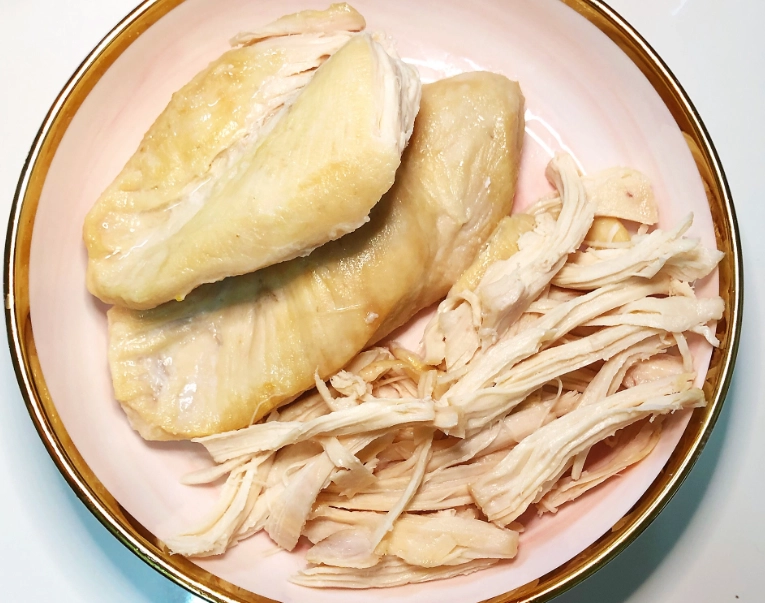
Top Tricks to Keep It Juicy (Not Rubbery)
So you've got the basics down. Here are the insider tricks that elevate your chicken from good to "how did you make this?"
Brining or Marinating: The Flavor Insurance
A simple brine—soaking the chicken in saltwater for 30 minutes to 2 hours—works wonders. The salt helps the meat retain moisture during cooking. For a quick brine, dissolve ¼ cup of kosher salt in 4 cups of cold water, submerge the chicken, and refrigerate. Rinse and pat dry before seasoning and cooking. It adds a subtle seasoning throughout.
Marinades are great for flavor, but acid-based ones (with lemon juice, vinegar, yogurt) can actually start to "cook" the surface and make the texture mushy if left too long. For a simple air fryer chicken breast, I often prefer a dry rub or a quick 30-minute marinade in something like Italian dressing.
The Lower-Temp Finish Trick
Here's a restaurant trick you can use at home. Start your boneless skinless chicken breast in the air fryer at a higher temp (400°F) for 3-4 minutes to get a great sear. Then, without opening the basket, reduce the temperature to 350°F for the remainder of the cooking time. This mimics the sear-then-finish method used by chefs and can yield an incredibly tender result.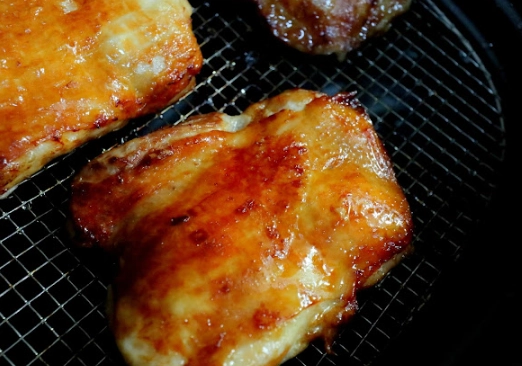
Beyond Basic: Flavor Ideas & Easy Recipes
The beauty of the air fryer chicken breast is its versatility. It's a blank canvas. Here are a few of my go-to flavor profiles that work perfectly with this method.
My Top 3 Weeknight Air Fryer Chicken Breast Recipes
Lemon Herb: Brush with olive oil, season with salt, pepper, dried thyme, and rosemary. Add thin lemon slices on top before cooking. The lemon infuses a beautiful fragrance.
Smoky Paprika: Mix smoked paprika, garlic powder, onion powder, a pinch of cumin, salt, and pepper. Rub all over the oiled chicken. It comes out with a deep, almost BBQ-like color and flavor without any sauce.
"Everything Bagel" Style: After brushing with oil, press a generous coating of Everything Bagel seasoning onto both sides of the chicken. It creates an amazing, crunchy, savory crust. Seriously good sliced over a salad.
Want something saucy? Cook your chicken plain. When it's done and resting, toss it in a bowl with your favorite sauce—buffalo, teriyaki, honey garlic, or even a simple mixture of pesto and a little pasta water. The hot chicken absorbs the sauce beautifully.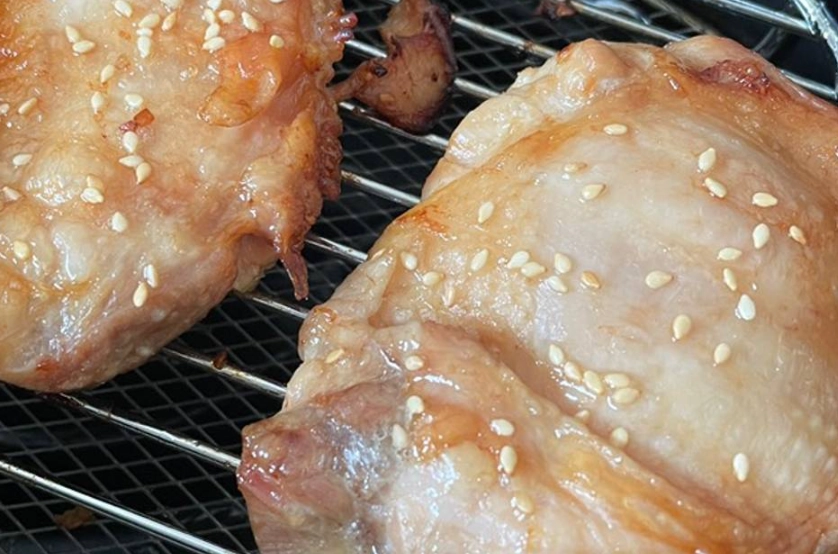
Answering Your Burning Questions (FAQs)
Do I need to preheat the air fryer for chicken breast?
I highly recommend it. Starting with a hot cooking environment gives you that immediate sear, which locks in juices and improves texture. It leads to more consistent results. If you're in a pinch, you can skip it, but add a minute or two to the cook time.
Why is my air fryer chicken breast dry or rubbery?
This usually comes down to one of three things: 1) Overcooking: You didn't use a thermometer and cooked it too long. 2) Uneven Thickness: You didn't pound it, so parts overcooked while others finished. 3) No Resting: You cut into it immediately. Nail the prep, temp, and rest, and dryness becomes a thing of the past.
Can I cook multiple chicken breasts at once?
Yes, but with a caveat. They must be in a single layer with space between them. If your basket is small, cook in batches. Stacking or crowding is the fastest route to steamed, unevenly cooked chicken. It's better to keep the first batch warm in a low oven while the second cooks.
How do I reheat air fryer chicken breast without drying it out?
The air fryer is actually fantastic for reheating! It's way better than the microwave. Reheat at a lower temperature, around 325°F, for 2-4 minutes, just until warmed through. It helps re-crisp the exterior without further cooking the interior. A spritz of water or broth can help add a touch of steam.
What's the best way to meal prep air fryer chicken breast?
It's a meal prep superstar. Cook a batch, let it cool completely, then slice or chop it. Store in airtight containers in the fridge for up to 4 days. Use it on salads, in wraps, chopped for chicken salad, or as a quick protein addition to pasta or grain bowls. The texture holds up surprisingly well.
The Real-World Verdict
Is cooking boneless skinless chicken breast in an air fryer the only way? Of course not. But for speed, consistency, ease of cleanup, and reliably juicy results, it's become my absolute go-to method for weeknights. It demystifies a protein that frustrates a lot of home cooks.
The key takeaways? Pound for even thickness, pat dry, season well, use a thermometer, and for the love of juicy chicken, let it rest. Follow those steps, and your days of dry, bland chicken are officially over.
It’s not magic. It’s just smart cooking with a handy tool. Give it a shot tonight—you might just be surprised.
Reader Comments