Quick Navigation
- What Exactly Is Thin Cut Chicken Breast? (It's Not Just Small Chicken)
- Why Bother? The Undeniable Advantages of Going Thin
- The Smart Shopper's Guide: How to Buy the Best Thin Cut Chicken Breast
- Mastering the Craft: How to Cook Thin Cut Chicken Breast Perfectly, Every Time
- Flavor Town: Marinades, Brines, and Seasonings That Actually Work
- From Basic to Brilliant: Recipe Ideas That Actually Make Sense
- DIY: How to Make Your Own Thin Cut Chicken Breast (And Save Money)
- Side-by-Side: Thin Cut vs. The Alternatives
- Answering Your Burning Questions (The Stuff You Actually Google)
- Wrapping It Up: Is Thin Cut Chicken Breast Worth the Hype?
Let's be honest for a second. How many times have you ended up with a piece of chicken breast that's dry on the outside, somehow still raw near the bone, and just... sad? I've been there more times than I care to admit. That's why I practically did a happy dance in the grocery store aisle when I discovered the magic of thin cut chicken breast. It wasn't just another package of chicken. It felt like a cheat code for weeknight dinners.
But here's the thing. Once I started buying it regularly, I realized I had a bunch of questions. Is it actually different from just slicing a regular breast myself? Why is it sometimes called "thin sliced" or "butterflied"? And most importantly, how do I cook it so it doesn't turn into a leathery mess? I had to figure it out through trial and error (mostly error at first).
This guide is everything I wish I knew from the start. We're going to dig deep, beyond the basic recipe, and talk about the what, why, and how of this kitchen superstar. Whether you're a busy parent, a meal-prep fanatic, or someone who just wants a delicious dinner without the hassle, thin sliced chicken breast might just change your cooking game.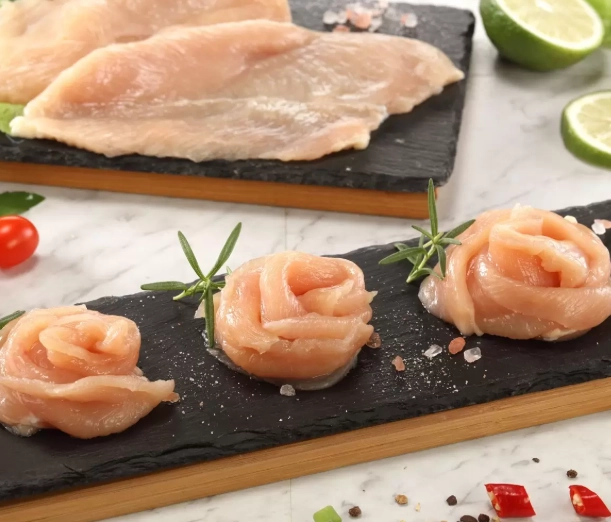
What Exactly Is Thin Cut Chicken Breast? (It's Not Just Small Chicken)
So, what is it? At its core, a thin cut chicken breast is a regular boneless, skinless chicken breast that has been sliced horizontally into one or two thinner cutlets. Think of it like opening a book. They're usually between 1/4 inch and 1/2 inch thick. This isn't about using smaller chickens; it's a butchering technique that transforms the cooking dynamics entirely.
You'll see it labeled a few different ways, and it can get confusing:
- Thin-Cut Chicken Breast: The most common term. Straight to the point.
- Thin-Sliced Chicken Breast: Same thing, just different wording.
- Chicken Cutlets: Often used interchangeably, though some purists argue a cutlet is usually pounded even thinner. In the store, they're often the same product.
- Butterflied Chicken Breast: This is the first step. The breast is sliced almost all the way through and opened up like a butterfly, then often pressed or sliced further to create an even thickness.
I once bought "butterflied" breasts expecting them to be thin and ready to go, but they were still pretty thick in the middle. I learned the hard way that labels aren't always perfect. Always give the package a gentle press or peek through the plastic to gauge the actual thickness. It matters more than the name.
Why Bother? The Undeniable Advantages of Going Thin
Why would you choose thin sliced chicken breast over the standard thick one? The benefits aren't just minor conveniences; they're game-changers for consistent results.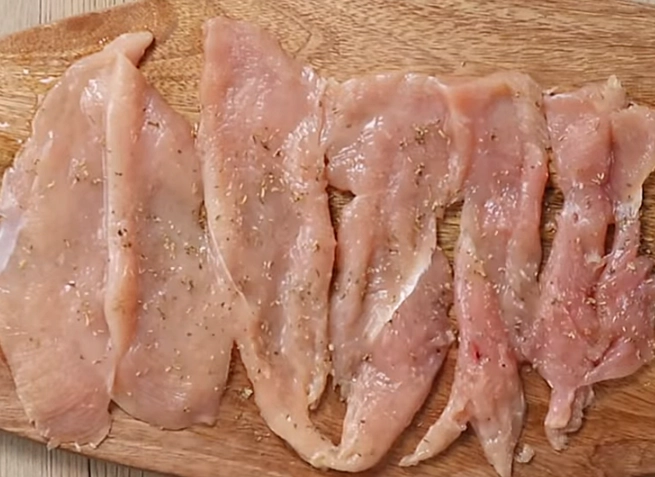
Speed is Everything
The most obvious win. A thin piece of meat cooks in minutes. We're talking 3-4 minutes per side in a hot pan. From fridge to plate in under 15 minutes? That's the difference between ordering takeout and actually cooking a healthy meal on a Tuesday night. It turns chicken from a weekend project into a viable weeknight staple.
The Even Cooking Miracle
This is the big one for me. A standard chicken breast is thick in the middle and tapered at the ends. By the time the center reaches a safe 165°F, the ends are often overcooked and dry. A thin cut chicken breast has a uniform thickness. This means the entire piece cooks at the same rate. No more guesswork, no more cutting into the middle to check, no more gradient of doneness from sawdust to sushi. Just evenly cooked, juicy chicken from edge to edge.
Flavor in Every Bite
More surface area means more space for marinades, rubs, and seasonings to cling to. It also means more of that delicious Maillard reaction (the fancy term for browning) when you sear it. You get a higher ratio of flavorful, seasoned, crispy exterior to tender interior. Every bite is balanced.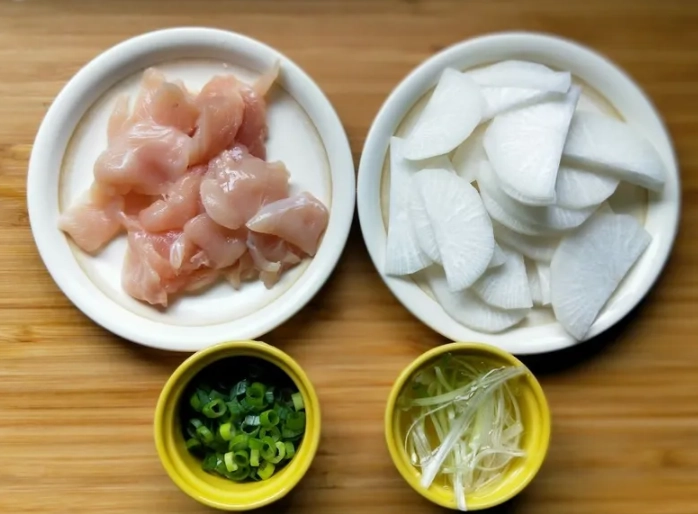
Quick Thought: Ever notice how restaurant chicken often tastes better? Uniform thickness is one of their secret weapons. They prep their chicken to cook evenly, every single time. Buying it thin-cut brings that chef's trick into your home kitchen.
Versatility on Another Level
Their slim profile makes them perfect for applications where a thick breast would be awkward or slow:
- Sandwiches & Wraps: They fit perfectly on a bun or tortilla without creating a massive, uneven lump.
- Stir-fries & Fajitas: Cooks in the same time as your veggies.
- Salads: Easy to slice into strips for a Cobb salad or chop for a protein boost.
- Roll-ups: Ideal for stuffing and rolling because they're pliable.
- Breading & Frying: Cooks through before the coating burns.
The Smart Shopper's Guide: How to Buy the Best Thin Cut Chicken Breast
Not all packages are created equal. Here’s what to look for to avoid disappointment.
Decoding the Store Case
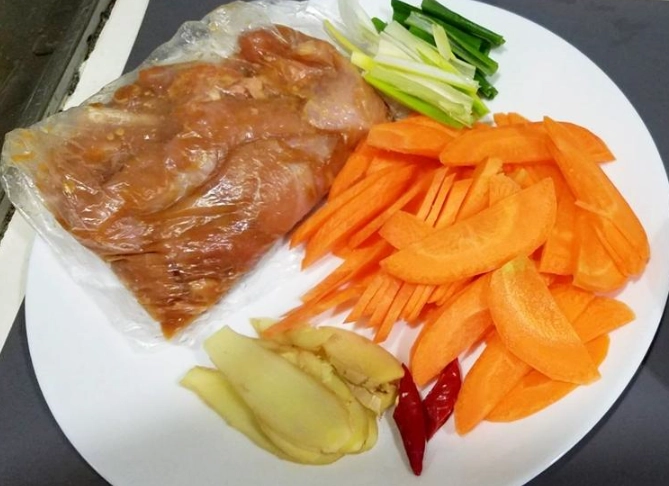
- Butcher Counter vs. Pre-Packaged: The butcher counter is your best bet for consistency. You can ask for a specific thickness ("Can you slice these to about 1/2 inch, please?"). Pre-packaged is about convenience. Check the thickness through the plastic. If some pieces look like they were missed by the slicer, put it back.
- Color & Appearance: Look for a consistent pink, fleshy color. Avoid any with grayish spots or excessive liquid (called "purge") in the package, which can indicate it's been frozen and thawed or is older.
- The Price Check: Yes, you often pay a small premium for the convenience of having it pre-sliced. Is it worth it? For the time and guaranteed consistency it saves, I almost always say yes. But if you're on a tight budget, buying regular breasts and slicing them yourself is absolutely a valid option (more on that below).
Avoiding the Common Pitfalls
Watch Out For: The dreaded "mechanically tenderized" label. This means the meat has been pierced with tiny blades or needles to break down fibers. While it can make the meat more tender, it also pushes surface bacteria into the center of the meat. This means you must cook it to a full 165°F throughout with no pink, unlike a regular cut where you could potentially rest it to a safe temperature. When in doubt, check the label or ask the butcher.
My personal rule? I avoid mechanically tenderized for thin cuts. The whole point of thin cut chicken breast is that it's already tender and cooks quickly; it doesn't need that extra processing, which comes with a food safety asterisk.
Mastering the Craft: How to Cook Thin Cut Chicken Breast Perfectly, Every Time
This is where the magic happens. The techniques are simple, but a few key principles make all the difference.
The Golden Rule: High Heat, Short Time
Forget low and slow. Thin cuts need a hot pan, a preheated grill, or a high oven temperature. You want to sear the outside quickly to lock in juices before the interior has time to dry out. A good test: a drop of water should skitter and evaporate instantly when it hits your pan.
Pan-Searing (The Weeknight MVP)
- Pat Dry: This is non-negotiable. Use paper towels to thoroughly dry every surface of the thin sliced chicken breast. Wet meat steams instead of sears.
- Season Liberally: Salt and pepper are your foundation. Do this right before cooking.
- Heat the Pan: Medium-high to high heat. Add a high-smoke-point oil like avocado, canola, or grapeseed.
- Don't Crowd: Leave space between pieces. If you pile them in, they'll steam each other and get soggy.
- Sear & Flip: Let it cook undisturbed for 3-4 minutes until you see a golden-brown crust creeping up the sides. Flip once. Cook for another 2-3 minutes.
- The Finger Test: Instead of constantly cutting, press the thickest part with your finger. It should feel firm with a little spring, not soft and squishy (raw) or hard and rigid (overcooked).
And then, the most important step...
REST IT. Just for 5 minutes on a cutting board, loosely tented with foil. This lets the juices, which have been driven to the center by the heat, redistribute throughout the meat. If you cut right in, all those juices run out onto the board. Trust me, rest.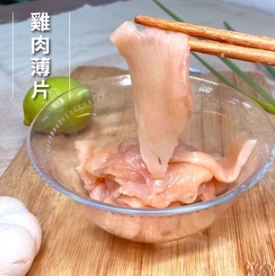
Grilling
Preheat your grill to medium-high. Clean and oil the grates well to prevent sticking. Because they're thin, direct heat is perfect. Grill for 2-3 minutes per side. Use a timer. It's easy to get distracted and overcook them in a flash on the grill.
Baking & Broiling
Baking is great for hands-off cooking or when you have a lot to make for meal prep. 400°F (200°C) on a parchment-lined sheet pan for 10-15 minutes usually does it. Broiling is your friend for a fast, caramelized finish. Place the rack 4-6 inches from the broiler and watch it like a hawk for 2-4 minutes per side.
Internal Temperature: The Only Truth That Matters
Get an instant-read thermometer. It's the single best investment for cooking protein. The USDA recommends cooking chicken to 165°F (74°C) to ensure food safety. Insert the thermometer into the thickest part. Because thin cut chicken breast is so thin, you can often pull it off the heat at 160°F or even 155°F, and the residual heat will carry it to a safe temperature while it rests. This results in even juicier meat.
Pro-Tip: For the most accurate information on safe cooking temperatures, always refer to authoritative sources like the USDA's safe minimum internal temperature chart. It's the definitive guide.
Flavor Town: Marinades, Brines, and Seasonings That Actually Work
With such a short cook time, marinating doesn't have hours to penetrate. But that's okay—we adapt.
The 30-Minute Marinade Magic
For thin sliced chicken breast, a quick 30-minute marinade is perfect. The acid (lemon juice, vinegar, yogurt) and salt start working on the surface immediately, adding flavor and tenderizing the outer layer. A simple go-to: 1/4 cup olive oil, 2 tbsp lemon juice, 2 cloves minced garlic, 1 tsp dried oregano, salt and pepper.
The Dry Brine Secret (My Favorite)
This is less messy and incredibly effective. Simply sprinkle kosher salt (about 3/4 tsp per pound) evenly over the chicken 30 minutes to 2 hours before cooking. Leave it uncovered on a rack in the fridge. The salt draws out moisture, dissolves, then is re-absorbed, seasoning the meat deeply and helping it retain juices during cooking. The surface also dries out, leading to a phenomenal sear. Try it once, and you'll be hooked.
Rubs and Simple Seasonings
When you have no time, a good spice rub is your savior. Paprika, garlic powder, onion powder, a pinch of cayenne. Press it onto the dried chicken right before it hits the pan. The fat in the pan will "bloom" the spices, creating incredible flavor.
For a deep dive on the science of brining and marinating, resources like Serious Eats' Food Lab offer fantastic, evidence-based explanations that can elevate your technique.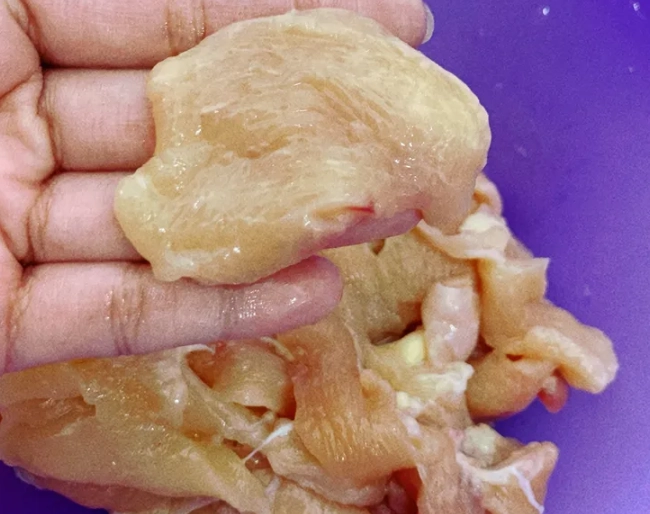
From Basic to Brilliant: Recipe Ideas That Actually Make Sense
Let's move beyond "chicken with sauce." Here are conceptual frameworks for using thin cut chicken breast.
The 10-Minute Lemon Garlic Chicken
Sear your chicken as described. Remove from pan. Add a knob of butter, 3 minced garlic cloves, and the juice of a lemon to the hot pan. Scrape up the browned bits (fond)—that's flavor gold. Let it bubble for 30 seconds, throw in a handful of parsley, and pour over the chicken. Dinner, done.
The "Fancy" Restaurant-Style Piccata
Dredge thin sliced chicken breast lightly in flour seasoned with salt and pepper. Pan-fry until golden. Remove. In the same pan, melt butter with capers, lemon juice, and a splash of white wine. Reduce slightly, add chicken back to coat. Serve with pasta or roasted veggies. It feels luxurious but takes 15 minutes.
Meal Prep Powerhouse
On Sunday, cook up 2 pounds of thin cut chicken breast with a simple seasoning. Let it cool and slice or chop. Divide into containers. Throughout the week, toss it into:
- Cold salads (Caesar, Greek, chef's salad).
- Wraps with hummus and veggies.
- Pasta dishes added at the last minute to heat through.
- Grain bowls with quinoa, roasted sweet potato, and avocado.
Because it's not overcooked, it stays moist and pleasant even after reheating gently.
DIY: How to Make Your Own Thin Cut Chicken Breast (And Save Money)
It's simple, I promise. You need a sharp chef's knife, a stable cutting board, and maybe a little courage the first time.
- Place a boneless, skinless chicken breast flat on the board. Place your non-cutting hand firmly on top.
- With your knife parallel to the board, slice horizontally through the middle of the breast, starting from the thicker side and working towards the thinner tip, as if you were trying to split it into two sheets.
- For extra uniformity, you can place the cutlet between two pieces of plastic wrap or parchment paper and gently pound it with the flat side of a meat mallet, a rolling pin, or even a heavy skillet. Don't beat it to a pulp; just even it out.
Is it worth the effort? If you're doing a lot or are very budget-conscious, absolutely. For a single dinner's worth, buying them pre-done is a convenience tax I'm often willing to pay.
Side-by-Side: Thin Cut vs. The Alternatives
When should you use thin-cut, and when might another cut be better? Let's break it down.
| Cut of Chicken | Best For... | Watch Out For... | Thin Cut's Advantage |
|---|---|---|---|
| Thin Cut Breast | Quick sears, sautés, sandwiches, stir-fries, weeknight dinners. | Can overcook in seconds. Less forgiving on timing. | Speed & even cooking. Unbeatable for fast, juicy results. |
| Standard Breast | Grilling whole, baking with toppings, dishes where a thicker portion is desired. | Uneven cooking, dry ends, longer cook time. | Solves the dryness and unevenness problem inherently. |
| Chicken Thighs (Boneless) | Braises, stews, grilling, dishes where richer flavor and fat content are wanted. | Higher fat content, different texture, longer to render fat. | Much leaner and cooks faster. Provides a clean, neutral protein canvas. |
| Ground Chicken | Burgers, meatballs, sauces, tacos. | Can be bland, often includes dark meat and fat. | You get the texture of a whole muscle piece, not a patty. |
See? It's not that one is better than the other. It's that thin cut chicken breast has a specific, incredibly useful role in your kitchen lineup.
Answering Your Burning Questions (The Stuff You Actually Google)
Can I freeze thin cut chicken breast?
Absolutely. It freezes very well. For best results, separate pieces with parchment paper before freezing so you can pull out just what you need. Thaw in the fridge overnight, not on the counter. Pat extra dry before cooking, as freezing releases more moisture.
Why is my thin chicken always tough?
Two main culprits: 1) Overcooking. It happens in a blink. Use a timer and a thermometer. 2) Not resting. Cutting immediately lets all the juices escape, leaving behind dry fibers. Let it sit for five minutes.
Is it healthier than regular chicken breast?
It's the exact same meat, just cut differently. So, nutritionally identical—high in protein, low in fat. The "health" benefit comes from the cooking method it enables: quick cooking with minimal added fat, versus methods needed to cook a thick breast through without drying it out.
Can I use it in a slow cooker or Instant Pot?
You can, but it's overkill and often leads to mush. The high, direct heat methods are where thin sliced chicken breast shines. If you're using a pressure cooker, reduce the time to just 1-2 minutes with a quick release. For slow cookers, add it in the last 30-60 minutes of cooking, just to heat through.
Wrapping It Up: Is Thin Cut Chicken Breast Worth the Hype?
After all this, my take? For most home cooks dealing with busy schedules, yes, absolutely. It removes the biggest hurdles to cooking chicken well: time and the fear of dryness. It turns a potentially finicky protein into a reliable, fast-cooking ingredient.
I'll admit, I don't use it for everything. If I'm planning to grill outdoors and want a substantial piece of meat, I might go for a regular breast or even a thigh. But for probably 80% of my chicken-based dinners from Monday to Thursday, the thin-cut version is my default starting point. It has saved me from countless failed dinners and turned "I don't have time to cook" into "I can have chicken piccata ready in 15 minutes."
That's the real value. It's not a gimmick. It's a practical tool that makes cooking good food at home more accessible and less stressful. Give it a shot next time you're at the store. Grab a pack, get your pan screaming hot, and see for yourself. You might just find your new kitchen staple.
And remember, the best ingredient is confidence. Now you have the info. Go cook something delicious.
Reader Comments