Quick Guide
Let’s be honest for a second. How many times have you stared into the fridge at noon, feeling hungry and impatient, only to end up ordering a overpriced, greasy takeout or grabbing a sad-looking sandwich from the corner store? I’ve been there more times than I care to admit. It’s a cycle that drains your wallet and leaves you feeling sluggish by 3 PM.
That feeling of frustration was what finally pushed me to figure this whole “meal prep” thing out. And guess what? It’s not about spending your entire Sunday in the kitchen or eating bland chicken and broccoli every single day. Not at all. It’s about a little bit of smart planning that gives you massive freedom and peace of mind all week long.
So, if you’re looking for healthy lunch meal prep ideas that are actually realistic, tasty, and won’t make you dread your lunchbox, you’re in the right place. We’re going to break down the simple system, share recipes that work, and tackle all the little questions that might be holding you back.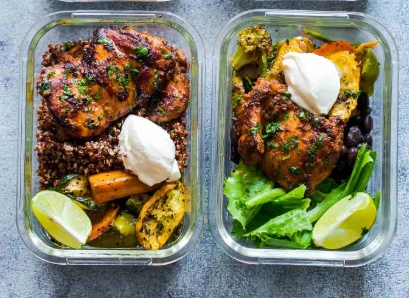
The Core Promise: Spend 1-2 hours on a weekend to save 5+ hours and a significant chunk of money during the week, while consistently eating food that makes you feel energized and satisfied. That’s the real goal behind these healthy lunch meal prep ideas.
Why Bother? The Real Benefits of Prepping Your Lunches
Everyone talks about saving money and time, which are huge. But some benefits are less obvious.
Yes, you’ll likely cut your weekly lunch spending in half, if not more. And yes, you’ll reclaim that precious midday decision-making energy (they call it “decision fatigue” for a reason). But for me, the biggest win was consistency. When healthy food is just there, ready to go, you eat it. It removes the willpower battle. No more “well, I guess I’ll just get a pizza today” moments.
You also get total control over portions, ingredients, and flavors. Want less sodium? More protein? Extra veggies? You’re the boss. This is especially helpful if you’re managing specific health or fitness goals. Relying on cafeteria food or restaurants makes that nearly impossible.
And here’s a personal one: it reduced my food waste dramatically. I buy what I know I’ll use for my healthy lunch meal prep, and it all gets eaten. No more forgotten, wilting lettuce at the back of the fridge.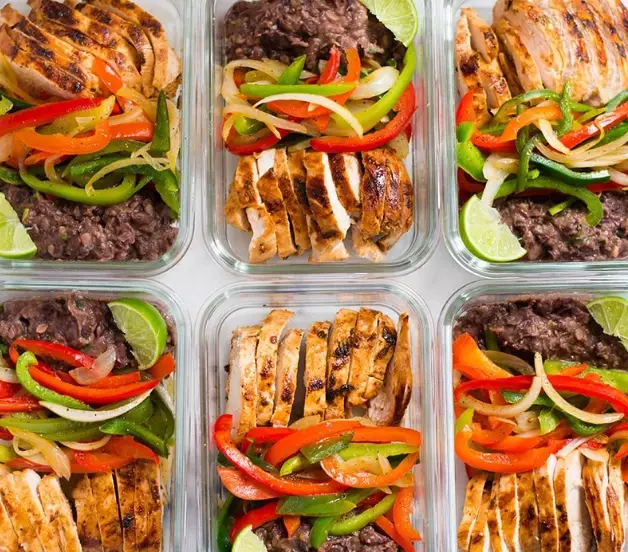
The Foundational Rules (Keep It Simple, Seriously)
Before we dive into the specific healthy lunch meal prep ideas, let’s set up the framework. Overcomplicating this is the number one reason people quit.
The Plate Method: Your No-Stress Nutrition Guide
Don’t get lost in macros or calories right away. Just visualize your lunch container divided simply:
- ½ Plate Vegetables: The colorful foundation. Roasted, raw, steamed—doesn’t matter. Think broccoli, bell peppers, carrots, zucchini, spinach, salads.
- ¼ Plate Protein: Keeps you full. Chicken breast/thigh, turkey, lean ground beef, tofu, tempeh, chickpeas, lentils, fish (like salmon or cod).
- ¼ Plate Complex Carbs: Provides lasting energy. Brown rice, quinoa, farro, sweet potatoes, whole-wheat pasta, beans.
If you build your prep around this rough template, you’re 90% of the way there. The Harvard T.H. Chan School of Public Health promotes a similar “Healthy Eating Plate” model, emphasizing vegetables and whole grains, which you can read more about on their nutrition source website. It’s a fantastic, science-backed starting point.
The “Cook Once, Eat Twice (or Thrice)” Mindset
You are not a short-order cook preparing five unique Michelin-star meals. You are a smart strategist.
Roast two trays of mixed vegetables (broccoli on one, sweet potatoes and bell peppers on the other). Cook a big batch of quinoa or brown rice in your rice cooker or pot. Grill or bake a family-sized portion of your chosen protein. Suddenly, you have the building blocks for multiple combinations. This is the absolute core of efficient healthy lunch meal prep.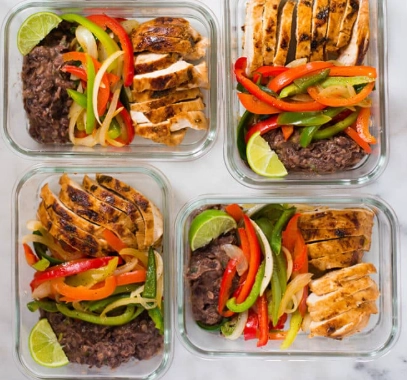
Pro Tip: Season your base components well! Bland baked chicken leads to lunchtime misery. Use marinades, spice rubs, herbs, and sauces. A simple marinade of olive oil, lemon juice, garlic, and oregano can transform chicken. Toss roasted veggies with smoked paprika and a pinch of salt.
Invest in the Right Gear (It Doesn’t Have to Be Fancy)
The right containers make a difference. I’ve had my share of leaky containers that ruined my bag—not fun. You don’t need a whole rainbow set, just a few reliable pieces.
| Container Type | Best For | My Personal Take |
|---|---|---|
| Glass Containers with Latch Lids | Everything. Reheats perfectly, doesn’t stain, lasts forever. | A bit heavier, but worth it for durability and no plastic taste. The cost upfront is higher, but they won’t warp or crack in the dishwasher. |
| BPA-Free Plastic Divided Containers | Beginners who love the “plate method” separation. | Great for portion control. Just check they are microwave-safe. Some cheaper ones get stained by tomato sauce. |
| Mason Jars (Wide-Mouth) | Salads in a jar, overnight oats, soup. | Brilliant for layering salads. Dressing at the bottom, hearty veggies next, then proteins/grains, greens on top. Stays crisp for days. |
| Insulated Food Jars | Keeping soups, stews, or chili hot until lunch without a microwave. | A game-changer if you don’t have reliable microwave access. Pre-heat with boiling water for 5 mins, then add hot food. Stays warm for hours. |
Other essentials: a good chef’s knife, a large cutting board, a couple of sturdy sheet pans for roasting, and a big pot or rice cooker. That’s really it.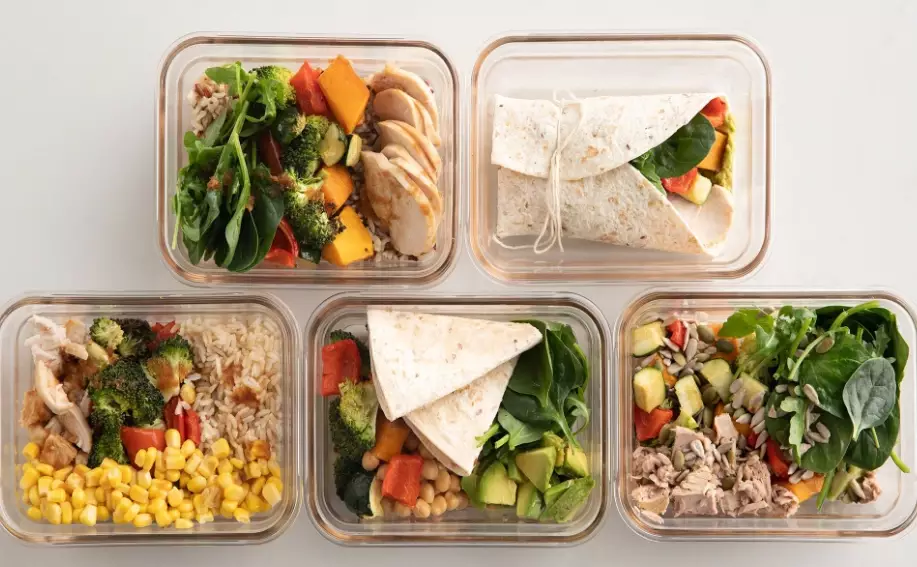
Healthy Lunch Meal Prep Ideas That Won’t Bore You
Okay, let’s get to the good stuff. Here are some categorized, tried-and-true healthy lunch meal prep ideas. Mix and match based on your taste.
The Classic & Satisfying: Balanced Bowl Meals
Bowls are the ultimate vehicle for meal prep. Endlessly customizable, easy to pack, and satisfying.
Components: Cooked quinoa, lemon-herb grilled chicken or chickpeas, chopped cucumber, cherry tomatoes, Kalamata olives, red onion, a big handful of spinach or arugula. Prep: Store all components separately or combined (keep greens separate if prepping more than 2 days ahead). To serve: Top with a dollop of tzatziki or a simple lemon-olive oil dressing and some crumbled feta cheese.
Components: Cilantro-lime brown rice or cauliflower rice, seasoned black beans or shredded salsa chicken (slow-cook a breast with a jar of salsa!), roasted corn, pico de gallo, sliced avocado (add fresh on the day of eating). Prep: Pack the rice, beans, and corn together. Keep pico de gallo and avocado separate. To serve: Add fresh avocado, a squeeze of lime, and maybe a sprinkle of cheese or a spoonful of plain Greek yogurt instead of sour cream.
See the pattern? Grain/Base + Protein + Veggies + Flavorful Sauce/Dressing. It’s foolproof.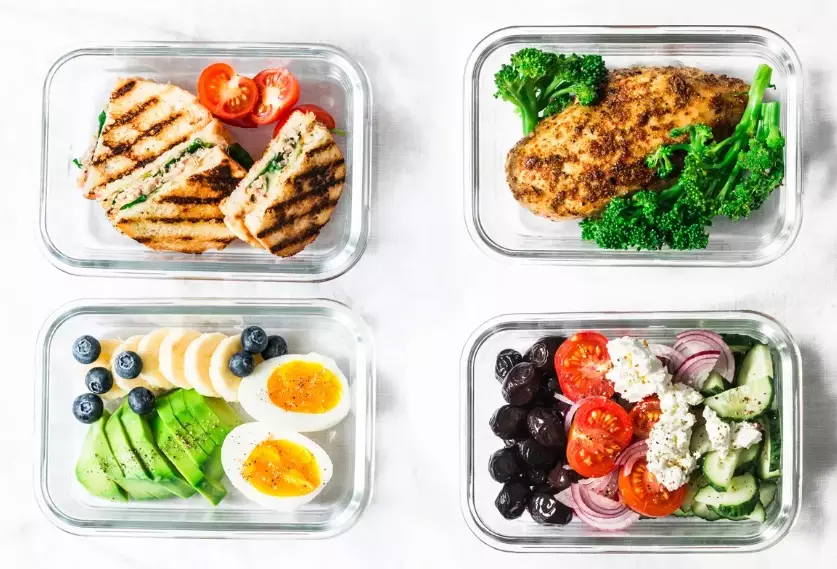
The No-Cook & Crisp: Salad Jars
If you think prepped salads get soggy, you haven’t tried the jar method. The key is the order.
Layer from the bottom up:
1. Dressing: Your vinaigrette or creamy dressing goes in first.
2. Hard Vegetables: Things that can sit in dressing—chopped carrots, cucumbers, bell peppers, cherry tomatoes, red onion, celery.
3. Proteins & Hearty Veg/Grains: Chickpeas, black beans, shredded chicken, hard-boiled eggs, quinoa, pasta.
4. Softer Items: Cheese (feta, goat cheese), avocado (sprinkle with lime juice), raisins or dried cranberries.
5. Greens & Herbs: Pack these at the very top! Spinach, romaine, arugula, fresh herbs.
When you’re ready to eat, just shake the jar vigorously or dump it into a bowl. The dressing coats everything perfectly. This is one of my top healthy lunch meal prep ideas for summer.
The Comfort Food Twist: Healthy-ish Classics
Sometimes you just want something hearty and familiar.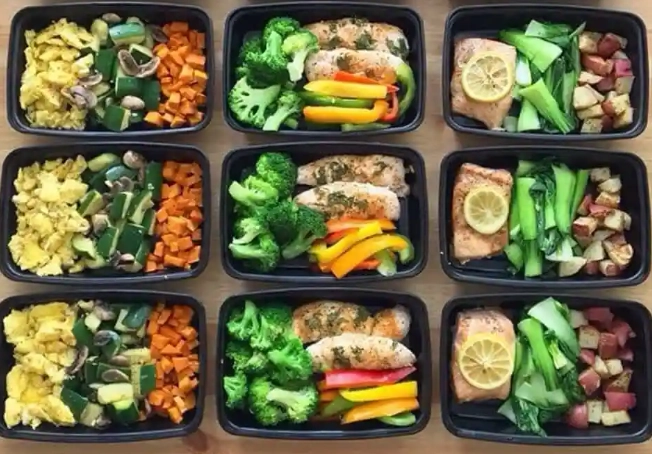
Bake a batch of lean turkey meatballs (use oats instead of breadcrumbs for extra fiber). Spiralize 2-3 zucchinis per serving (zoodles). Pack the meatballs and your favorite low-sugar marinara sauce in one container, the raw zoodles in another (they’ll soften slightly but hold up okay for 3 days). Reheat the sauce and meatballs, then toss with the zoodles. It feels like pasta but is packed with veggies.
Soups are meal prep royalty. Make a huge pot of a hearty soup like lentil, minestrone, or chicken and vegetable. Portion into your containers (or those insulated jars). Freeze a few if you won’t eat them all within 4 days. Pair with a whole-grain roll or a side salad. The U.S. Department of Agriculture’s food safety guidelines are a great resource for safe storage times, which is crucial for soup prep.
Your Meal Prep Sunday: A Realistic Timeline
Don’t imagine a 5-hour marathon. Here’s what a focused 1.5-hour session might look like for 4 lunches:
Minute 0-10: Preheat & Plan. Preheat oven to 400°F (200°C). Take out all ingredients, pots, and containers. Put a pot of water on for quinoa or rice.
Minute 10-20: Chop Veggies. Chop all your vegetables for roasting and salads. Toss roasting veggies (like broccoli, sweet potato) in oil and spices, spread on a sheet pan.
Minute 20-35: Start Cooking Bases. Put the sheet pan in the oven. Add quinoa/rice to the boiling water and simmer. Season your protein (chicken thighs, tofu blocks).
Minute 35-50: Cook Protein. Add protein to a second sheet pan or a skillet. Cook until done. The rice/quinoa should be finishing.
Minute 50-70: Assemble. Everything is cooked. Fluff the grains. Start building your bowls or containers. Let things cool slightly before putting lids on.
Minute 70-90: Clean Up & Store. Pack everything in the fridge. Wash the big dishes while everything is still warm and easy to clean.
Storing & Reheating: Keeping Food Safe and Tasty
This is where people get nervous. Follow these rules and you’ll be fine.
- Cool Before Refrigerating: Don’t pack steaming hot food and put it directly in the fridge. Let it sit on the counter for 20-30 minutes to come down in temperature first. This prevents condensation (sogginess) and doesn’t unduly heat your fridge.
- The 4-Day Rule: For most cooked meals with meat, poultry, or fish, 4 days in the fridge is the safe and quality sweet spot. Plant-based meals might go to 5 days. When in doubt, freeze it. The CDC’s food safety portal is an authoritative source for best practices.
- Reheat Thoroughly: When reheating, ensure the food is piping hot all the way through, especially for meat and poultry. Stir soups and stews halfway through.
- The Bread Trick for Microwaved Veggies: Place a piece of paper towel over your container when reheating things like steamed broccoli or green beans. It absorbs excess moisture and prevents that rubbery, soggy texture. A simple hack that works wonders.
Watch Out: Avoid prepping lunches with delicate, high-moisture ingredients too far in advance. Examples: sliced avocado (will brown), crispy bacon (will get soggy), certain fresh herbs (will wilt). Prep these the night before or morning of, and add them separately.
Answering Your Biggest Meal Prep Questions
“I get bored easily. How can I keep variety?”
Don’t prep five identical meals. Use the “component” method I mentioned. Prep 2-3 proteins, 2 grains, and a variety of roasted and raw veggies. Then, each morning, mix and match. Monday: chicken, rice, broccoli. Tuesday: chickpeas, quinoa, roasted peppers. Same prep session, totally different feels. Also, sauces are your best friend for variety. A tahini sauce, a peanut sauce, a chimichurri, a yogurt-dill sauce—they completely change the profile of the same basic ingredients.
“I’m on a tight budget. Is this really cheaper?”
Absolutely, and it’s one of the best parts. The cornerstone of budget-friendly healthy lunch meal prep ideas is focusing on inexpensive, nutritious staples. Think beans, lentils, eggs, canned tuna, chicken thighs (often cheaper than breasts), seasonal vegetables, oats, bananas, and buying grains like rice in bulk. A pot of chili or a lentil shepherd’s pie can cost pennies per serving compared to even a fast-food meal. Planning your list around sales and what’s in season cuts costs dramatically.
“What if I don’t have time to cook everything on Sunday?”
No problem. Try “mini-prep” or “batch cooking.”
Mini-Prep: Just prep the components that take the longest. Cook a big batch of grains and roast two trays of veggies on Sunday. Then, on Tuesday night while making dinner, throw an extra chicken breast in the oven or simmer some lentils. You’re spreading the work.
Batch Cooking & Freezing: When you make soup, stew, chili, or meatballs, double the recipe. Eat some that week, portion the rest into single servings and freeze. After a few weeks, you’ll have a “frozen lunch library” to choose from. This is a total game-changer for busy periods.
“My food tastes dry or bland when reheated.”
Two culprits: overcooking and lack of sauce/moisture.
For proteins: Don’t overcook them initially. Chicken is done at 165°F (74°C) internally—use a thermometer. It will cook a bit more when reheated. Also, cook proteins with moisture: braise, stew, or use a marinade.
The Sauce Savior: Pack a little extra sauce, dressing, or even just a lemon wedge on the side. Add it after reheating. A splash of broth or water over rice before microwaving can revive it. For sandwiches/wraps, keep wet ingredients (tomato, condiments) separate and add at eating time.
Look, starting with healthy lunch meal prep ideas can feel like a big shift. My advice? Don’t try to prep every single lunch for the rest of your life. Start with a goal of two or three prepped lunches for next week. Pick one recipe from above that sounds good. Get the containers. Give yourself that 90-minute window.
The first time you open your fridge on a busy Monday morning and see a healthy, delicious lunch waiting for you, you’ll feel a sense of calm and accomplishment that’s hard to beat. It’s a small act of self-care that pays off all week long. You’ve got this.
Reader Comments