You know the scene. It's Saturday afternoon, the sun's out, and you just agreed to bring a side dish to a friend's backyard gathering. The pressure's on. You need something that looks impressive, tastes incredible, feeds a crowd, and ideally, won't have you scrambling at the last minute. Let me introduce you to your new secret weapon: a truly great pesto pasta salad recipe.
This isn't the gloppy, oily mess you might remember from deli counters. This is a vibrant, herby, crunchy, and satisfying dish that people actually get excited about. I've been making variations of this for over a decade, for everything from casual weeknight dinners to weddings. The core formula is simple, but a few non-negotiable tricks separate a good salad from a legendary one. We're talking about a dish that holds up in the fridge, gets better as it sits (within reason), and consistently earns you the "Can I get the recipe?" text.
What You'll Find Inside
Why This Pesto Pasta Salad Actually Works
Most pasta salads fail for two reasons: soggy pasta and a broken, separated dressing. This recipe tackles both head-on.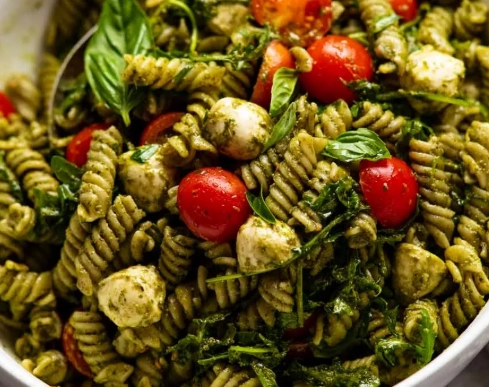
The magic starts with the pesto. We're not just dumping jarred pesto on cold pasta. We're creating a creamy, emulsified pesto dressing that clings to every nook and cranny of the pasta. The secret ingredient? A splash of the starchy pasta cooking water and a generous spoonful of good mayonnaise or Greek yogurt. This creates a cohesive, creamy base that won't oil out in the fridge. Trust me, this one step is a game-changer I learned after one too many batches of greasy, disappointing salad.
Then there's the texture. A great pasta salad needs contrast. Soft pasta, crunchy vegetables, a bit of chew from sun-dried tomatoes or artichokes, and the occasional salty punch from cheese. We'll build layers of flavor and texture so every bite is interesting.
My #1 Rule (That Everyone Breaks)
Never, ever rinse your cooked pasta under cold water. That starch on the surface is gold. It's what helps the dressing stick. Instead, drain it, toss it immediately with a tiny bit of olive oil to prevent sticking, and spread it on a baking sheet to cool quickly. Rinsing it washes away its ability to hold sauce, leaving you with bland, slippery noodles.
The Ingredient Breakdown: What to Use (And What to Skip)
Let's get specific. Here’s exactly what you need and why each component matters.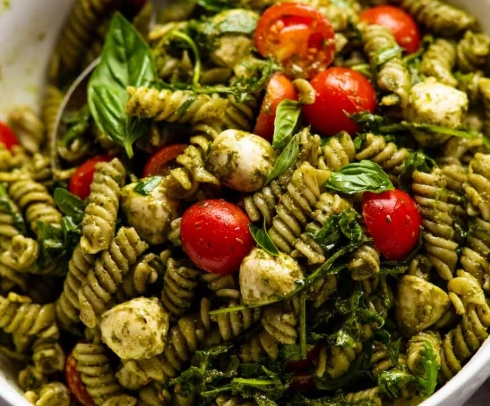
For the Pasta & Base
Pasta (1 lb/450g): Short, sturdy shapes with grooves or twists are your friends. They trap the dressing. Fusilli, rotini, cavatappi, or farfalle are perfect. Avoid long pasta like spaghetti or thin shapes like orzo that can turn mushy.
Kosher Salt: For the pasta water. It should taste like the sea. This is your only chance to season the pasta itself.
Extra Virgin Olive Oil (1 tbsp): For tossing the hot pasta. Just a tablespoon to prevent a sticky mess while it cools.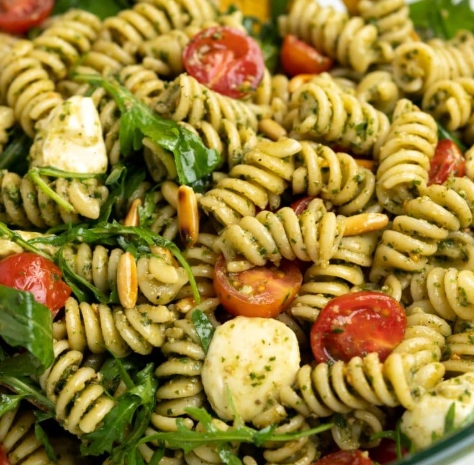
For the Supercharged Pesto Dressing
Fresh Basil (2 packed cups): Non-negotiable. The heart of the flavor. If your basil looks sad at the store, a mix of basil and arugula or spinach works in a pinch.
Pine Nuts (1/3 cup): Toasted. Takes 3 minutes in a dry pan until golden. This deepens the flavor immensely compared to raw nuts.
Garlic (2 cloves): Fresh. Start with two. You can always add more, but raw garlic can overpower.
Parmigiano-Reggiano (1/2 cup, grated): Get the real stuff from the cheese section, not the green can. The flavor is sharper, saltier, and nuttier.
Extra Virgin Olive Oil (1/2 cup): Use a good one you like the taste of.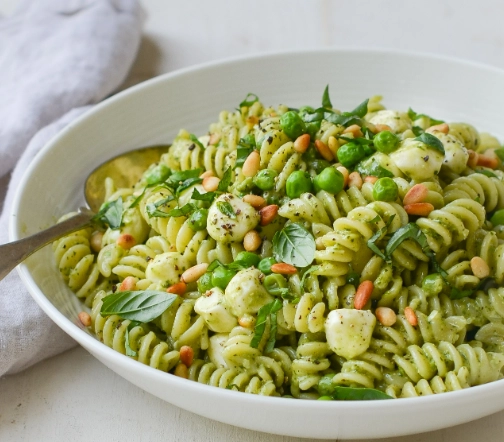
Lemon Juice (from 1 lemon): Brightness. Cuts through the richness.
Full-Fat Mayonnaise or Greek Yogurt (1/4 cup): The emulsifier. Mayo makes it richer, Greek yogurt gives a tang. I prefer mayo for party salads as it's more stable.
Salt & Black Pepper: To taste.
For the Crunch & Color (Mix and Match)
Cherry Tomatoes (1 pint): Halved. Add them last to avoid making everything watery.
Sun-Dried Tomatoes (1/2 cup, chopped): Use the ones packed in oil. They add intense, sweet-tart flavor and chew.
Roasted Red Peppers (1 cup, chopped): From a jar is fine. Rinse and pat dry.
Blanched Broccoli Florets (2 cups): 2 minutes in boiling water, then into ice water. Keeps them bright green and crisp-tender.
Red Onion (1/2, finely diced): Soak in cold water for 10 minutes to tame the raw bite.
Chickpeas (1 can, rinsed): For extra protein and heartiness.
Fresh Mozzarella (8 oz, cubed): Or small bocconcini. A creamy contrast.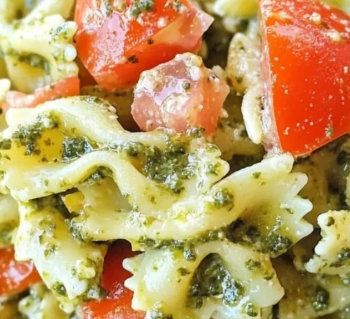
Step-by-Step Guide to Perfect Pesto Pasta Salad
Here’s the play-by-play. Read this through once before you start.
1. Cook the Pasta Like a Pro
Bring a large pot of heavily salted water to a rolling boil. Add the pasta and cook it for 1 minute less than the package says for al dente. It will continue to soften as it cools and absorbs the dressing. Before you drain it, scoop out about 1 cup of the starchy pasta water. Then drain the pasta, transfer it to a large bowl, and immediately drizzle with that 1 tablespoon of olive oil. Toss it well. Spread it out on a rimmed baking sheet to cool to room temperature. Don't crowd it.
2. Build the Pesto Dressing
While the pasta cooks, make the pesto. In a food processor, combine the toasted pine nuts and garlic. Pulse until chopped. Add the fresh basil and pulse until roughly chopped. With the motor running, slowly drizzle in the 1/2 cup of olive oil until it forms a coarse paste. Add the grated Parmigiano-Reggiano, lemon juice, mayonnaise (or yogurt), a big pinch of salt, and a few grinds of pepper. Pulse to combine. Now, look at the consistency. It will be thick. With the motor running, drizzle in 2-3 tablespoons of the reserved starchy pasta water. This transforms it from a paste into a lush, creamy, spoonable dressing. Taste and adjust salt and lemon.
3. The Grand Assembly
Take your large, cooled bowl of pasta. Add your chosen crunchy vegetables and mix-ins (hold back the cherry tomatoes and fresh mozzarella if using). Pour about 3/4 of the pesto dressing over everything. Using a large rubber spatula or spoon, fold everything together gently but thoroughly. You want every piece coated. Need more dressing? Add the rest. Let it sit for 15 minutes. The pasta will drink up some of the sauce. Now, fold in the cherry tomatoes and fresh mozzarella (if using). Give it one final taste. Usually, it needs another pinch of salt or a squeeze of lemon right at the end.
The Taste Test
Before you declare it done, spoon a bite onto a clean plate. Let it sit for a minute. Taste it. Is it bright enough? Does it need more salt? The flavors mellow and blend as it chills, so season it slightly more aggressively than you think at room temperature.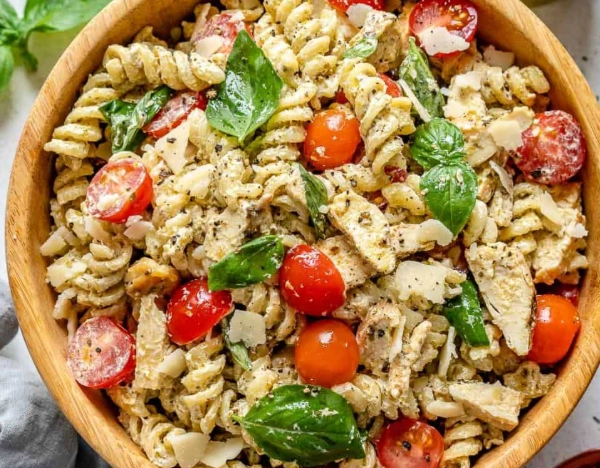
Your Make-Ahead Strategy for Stress-Free Parties
This is where this pesto pasta salad recipe truly shines. You can do almost everything in advance.
2 Days Before: Cook, oil, and cool the pasta. Store it in a zip-top bag or container in the fridge. Make the pesto dressing (without the pasta water), cover the surface directly with plastic wrap, and refrigerate. Chop all your sturdy vegetables (onions, peppers, sun-dried tomatoes). Store them separately.
The Morning Of: Take everything out of the fridge about 30 minutes before assembling. Loosen the pesto dressing with a spoon. Whisk in 2-3 tablespoons of water or a splash of lemon juice to get it back to a saucy consistency. Combine the pasta, veggies, and dressing in your serving bowl. Fold together. Cover and refrigerate.
1 Hour Before Serving: Take the salad out of the fridge. Fold in any last-minute delicate ingredients (tomatoes, fresh herbs, mozzarella). Let it come closer to room temperature—the flavors will be much more pronounced. Give it a final stir, adjust seasoning, and serve.
This method guarantees perfect texture and flavor every single time. No more soggy, broken salads.
Answering Your Pesto Pasta Salad Questions
So there you have it. A pesto pasta salad recipe that's built for real life—for flavor, for crowds, and for your sanity. It’s the dish that sits proudly next to the grilled burgers and never gets ignored. Give it a try this weekend. I have a feeling it’ll become your signature move, too.
Reader Comments