Let's be honest. The question "What's for dinner?" has ruined more evenings than we can count. It hits at 5 PM, when you're tired, the kids are hungry, and the fridge offers a sad collection of condiments and wilted greens. You end up ordering pizza, feeling guilty about the cost and the nutrition, and vowing to do better tomorrow.
I've been there. For years, I swung between ambitious Sunday cooking marathons and total kitchen surrender. Then I cracked the code. Real meal planning isn't about color-coded spreadsheets or Instagram-worthy fridge layouts. It's a simple, flexible system that gives you back your time, money, and peace of mind.
This isn't another generic list. We're going deep into the how and the why, with actionable meal planning ideas you can start using tonight.
Your Quick Guide to a Smarter Kitchen
Why Bother? The Real Benefits Beyond Saving Money
Everyone talks about saving money. And you will. The USDA estimates that meal planning can cut food waste by up to 20%, which is cash straight back in your pocket. But the hidden benefits are what keep people hooked.
You reclaim mental space. Decision fatigue is real. Choosing what to eat seven times a week is 7 fewer decisions draining your willpower for important stuff. The plan decides for you.
You eat better, effortlessly. When you plan, you intentionally include vegetables, lean proteins, and whole grains. It's not a diet; it's just how you eat now. No last-minute processed food grabs.
You reduce daily stress. That 5 PM panic? Gone. You look at your plan, you start cooking. The evening feels longer, calmer.
How to Start Meal Planning (The No-Burnout Method)
Most guides overcomplicate this. Here's the simplest, most sustainable framework.
Step 1: The 15-Minute Brain Dump & Calendar Check
Grab a notepad. Look at your week. Got a late work meeting on Wednesday? That's a 20-minute dinner night. Kids have soccer on Thursday? That's a crockpot or reheat night. Jot down the reality of each day.
Now, list 10-15 "family favorite" dinners. The ones everyone eats without complaint. Spaghetti, tacos, roasted chicken, soups, stir-fries. This is your master list. You're not inventing meals from scratch every week.
Step 2: Thematic Nights (Your Secret Weapon)
This eliminates the blank page stare. Assign a loose theme to each weekday:
- Meatless Monday: Lentil soup, veggie pasta, black bean burgers.
- Taco Tuesday: Ground turkey tacos, fish tacos, taco salads.
- Wednesday's One-Pot Wonder: Chili, stew, skillet pasta.
- Thursday's Leftover Remix: Turn Sunday's roast into sandwiches, Monday's soup into a base for a new stew.
- Friday Fun Night: Homemade pizza, burgers, breakfast-for-dinner.
Themes give you direction, not restriction.
Step 3: Build Your List & Shop Smart
Write your chosen meals for the week. Now, list every ingredient you need, checking your pantry first. Organize your list by store section (produce, dairy, meat, pantry). This cuts shopping time by a third.
Shop once. Maybe a quick mid-week trip for fresh produce. That's it.
A Realistic Sample Weekly Meal Plan
Let's make it concrete. Here’s a plan for a family of four, built around themes and strategic leftovers.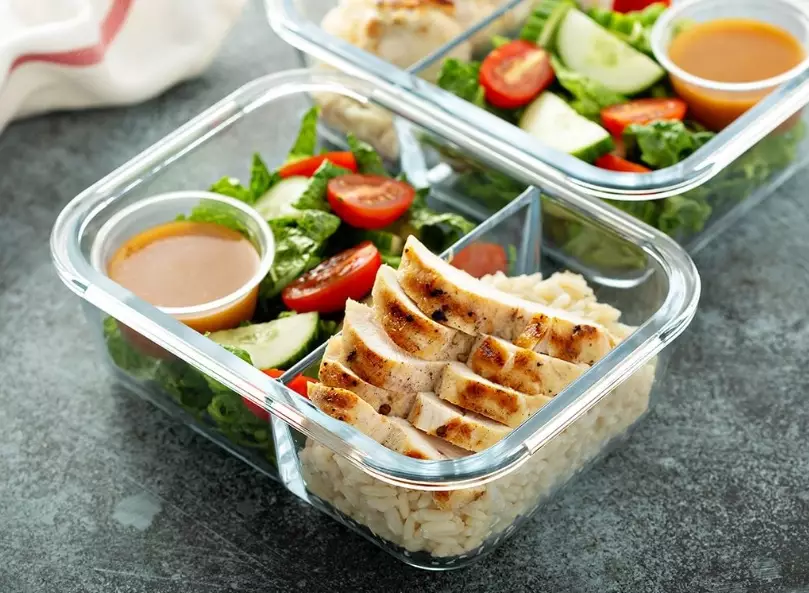
| Day | Theme | Dinner Idea | Prep Note |
|---|---|---|---|
| Sunday | Batch Cooking Day | Large batch of Hearty Minestrone Soup, crusty bread | Make double. Freeze half the soup. Cook extra chicken. |
| Monday | Meatless | Spinach & Feta Quesadillas with side salad | Uses pantry staples. 15-minute meal. |
| Tuesday | Taco Tuesday | Shredded Chicken Tacos (use Sunday's chicken) | Shred chicken ahead. Just warm tortillas & chop toppings. |
| Wednesday | One-Pot | One-Pan Sausage & Veggie Roast | Chop veggies Sunday. Toss on pan, roast for 30 mins. |
| Thursday | Leftover Remix | Minestrone Soup (leftover) with grilled cheese | No cooking. Just reheat and assemble. |
| Friday | Fun Night | Build-Your-Own Personal Pizzas | Store-bought dough or naan. Fun for kids. |
| Saturday | Wild Card / Eat Out | Try a new recipe or enjoy a meal out. | No pressure. The plan did its job all week. |
See how Sunday's work sets up Tuesday and Thursday? That's the magic. You're actively cooking about 4 nights, but eating well for 7.
Advanced Tactics for Seasoned Planners
Once the basics are habit, these game-changers will elevate your system.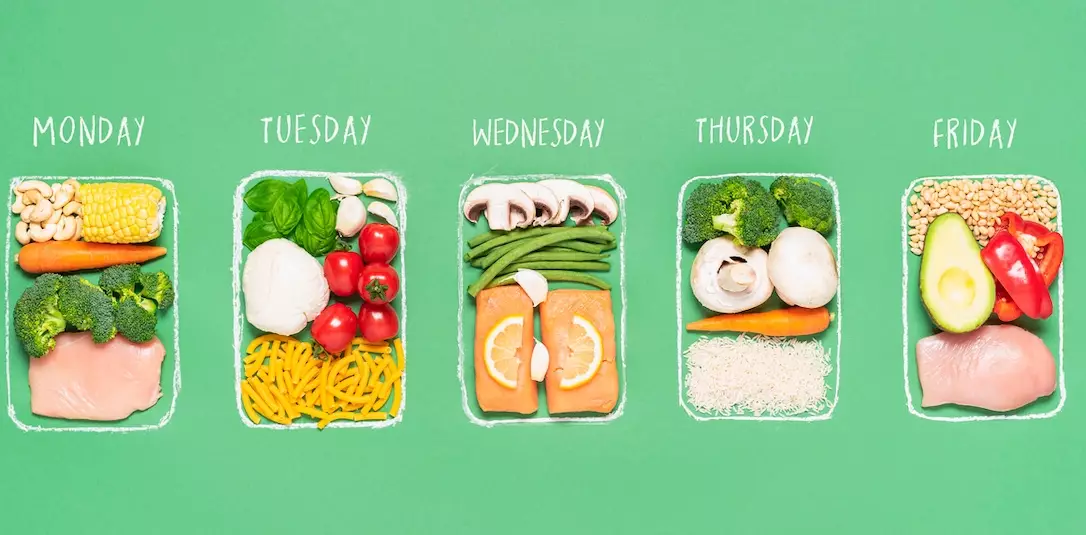
The "Prep Day" vs. "Ingredient Prep" Debate
Full "meal prep Sundays" where you cook everything can lead to burnout and soggy food. I prefer ingredient prep.
Spend 45 minutes on Sunday washing and chopping veggies (onions, peppers, carrots), cooking a grain like quinoa or rice, and maybe browning some ground meat. You've now removed the most time-consuming parts of weekday cooking. On Wednesday, throwing together that stir-fry takes 10 minutes because everything is pre-chopped.
Mastering the Freezer
Your freezer is a time machine. When you make soups, stews, sauces (like marinara or bolognese), or cooked taco meat, double it. Portion and freeze half. Label it with the date and contents. On a crazy week, your "plan" is pulling a homemade meal from the freezer. It feels like cheating.
Seasonal Swaps
Your meal planning ideas should change with the seasons. In summer, plan for salads, grilled meats, and fresh corn. In winter, lean into soups, roasts, and baked pastas. This keeps things interesting and often cheaper, as you're buying produce at its peak.
Your Top Meal Planning Questions, Answered

The best meal planning idea is the one you'll actually do. It doesn't have to be pretty. It just has to work for your life. Start small. Be kind to yourself when a night goes sideways. The goal is progress, not a perfect Instagram grid. Give it a try for two weeks. I bet you'll find those evenings feel a little longer, your grocery bag a little lighter, and that dreaded question—"What's for dinner?"—a lot less powerful.
Reader Comments