Let's be honest. The frozen bag from the store is fine in a pinch, but it never quite hits the spot. You know the one—the coating tastes like seasoned cardboard, the chicken is dry, and you're left wondering why you bothered. A truly great breaded chicken tender is a different beast entirely. It's juicy on the inside, shatteringly crisp on the outside, and infinitely customizable. The best part? Making them from scratch is simpler, cheaper, and more rewarding than you think. This guide will walk you through every step, from picking the right cut to nailing the perfect crunch, just like I've been doing in my kitchen for years.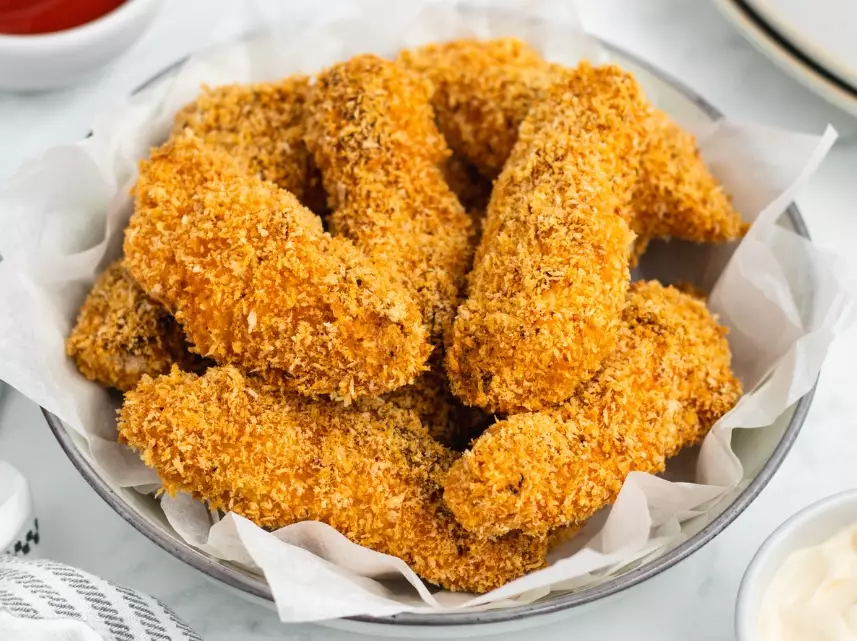
Your Quick Guide to Perfect Tenders
Why Homemade Beats Takeout Every Time
It's not just about taste, though that's a huge part. When you make breaded chicken tenders at home, you control everything. The quality of the chicken, the ingredients in the breading, the amount of salt, the type of oil. You're not paying a premium for someone else to dunk frozen strips in a fryer. Financially, it's a no-brainer. A family pack of chicken breasts can yield two big batches for the price of one mediocre takeout order.
Then there's the flexibility. Got a gluten intolerance? Use gluten-free panko. Want more flavor? Add smoked paprika and garlic powder to the flour. Craving extra crunch? Double-dredge. This control is something no restaurant menu can offer.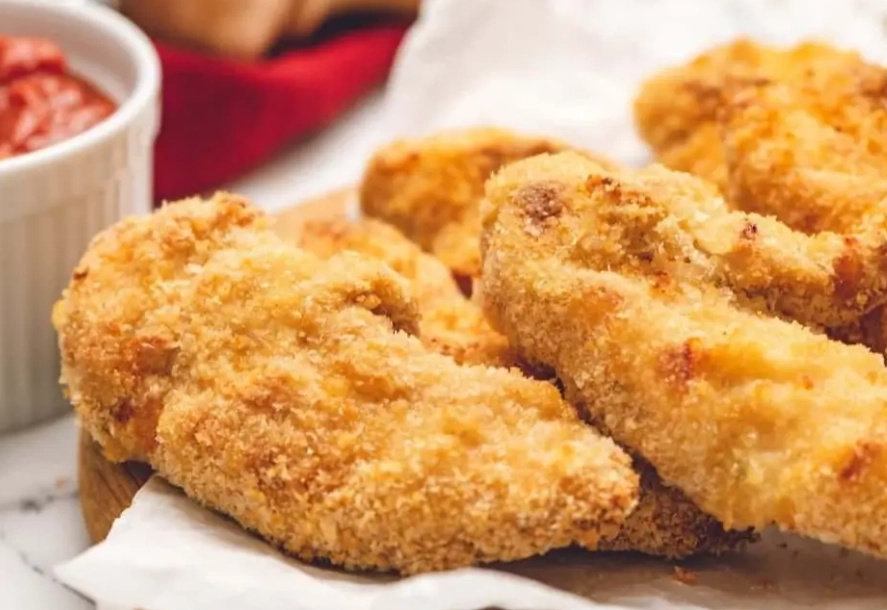
A Quick Word on "Tenders" vs. "Strips"
True chicken tenders are the specific, tenderloin muscle that runs along the breast. They're naturally tender and perfect for this. "Chicken strips" are often just breast meat cut into strips. For this recipe, you can buy actual tenders, or slice boneless, skinless breasts into 1-inch thick strips. I slightly prefer cutting my own from breasts—you get more uniform sizes, which means even cooking.
Your Foolproof Recipe & Step-by-Step Guide
This is my go-to base recipe. It's classic, reliable, and gives you that diner-style crunch we all love.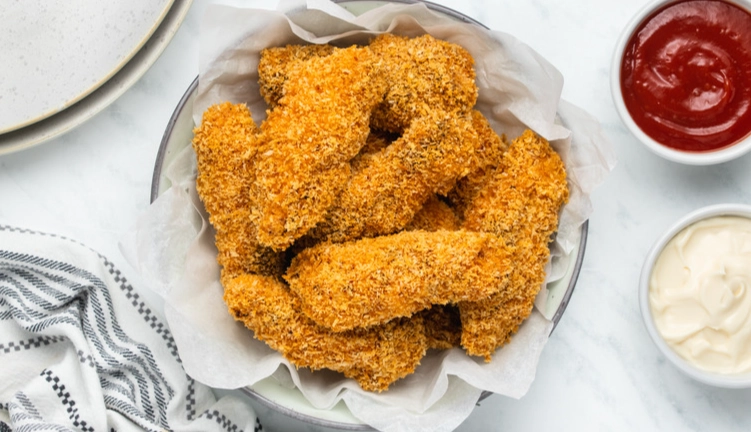
Ingredients You'll Need
For the Chicken:
1.5 lbs (about 680g) chicken tenders, or boneless, skinless chicken breasts cut into 1-inch strips
1 cup buttermilk (or 1 cup milk + 1 tbsp lemon juice/vinegar, let sit 5 min)
1 tsp salt
1/2 tsp black pepper
1 tsp paprika (optional, for color and flavor)
For the Breading Station:
1 cup all-purpose flour
2 tsp garlic powder
1 tsp onion powder
2 tsp salt
1 tsp black pepper
2 large eggs
2 tbsp water
2 cups panko breadcrumbs (Japanese-style breadcrumbs are key for extra crunch)
1 cup neutral oil for frying (like canola, vegetable, or avocado oil), if frying
The Step-by-Step Process (The Right Way)
1. Prep and Marinate: Pat the chicken strips completely dry with paper towels. This is crucial—wet chicken won't hold the breading. In a bowl, mix the buttermilk, 1 tsp salt, pepper, and paprika. Add the chicken, coat well, cover, and refrigerate for at least 30 minutes, or up to 4 hours. This tenderizes the meat and adds flavor.
2. Set Up Your Dredging Station: This is where most people mess up. Use three separate shallow dishes (pie plates or wide bowls work).
- Dish 1: Flour + garlic powder, onion powder, salt, and pepper. Whisk it together.
- Dish 2: Eggs + water, beaten until uniform.
- Dish 3: Panko breadcrumbs.
Arrange them in that order: flour, egg, panko. Have a clean wire rack ready nearby.
3. The Breading Technique: Here's my pro tip: use one hand for dry ingredients and one for wet. It keeps your fingers from becoming a breaded mess.
Take a piece of chicken from the buttermilk, let excess drip off. Dredge it thoroughly in the seasoned flour, shaking off any excess. Then, dip it into the egg wash, letting the excess drip off. Finally, press it firmly into the panko, coating all sides. Don't just lay it in—press so the crumbs adhere. Place the breaded tender on the wire rack. Repeat.
4. The Rest (Don't Skip This!): Let the breaded tenders sit on the rack for 10-15 minutes before cooking. This allows the coating to set and hydrate slightly, which prevents it from sliding off during cooking. I learned this the hard way after a few batches of patchy tenders.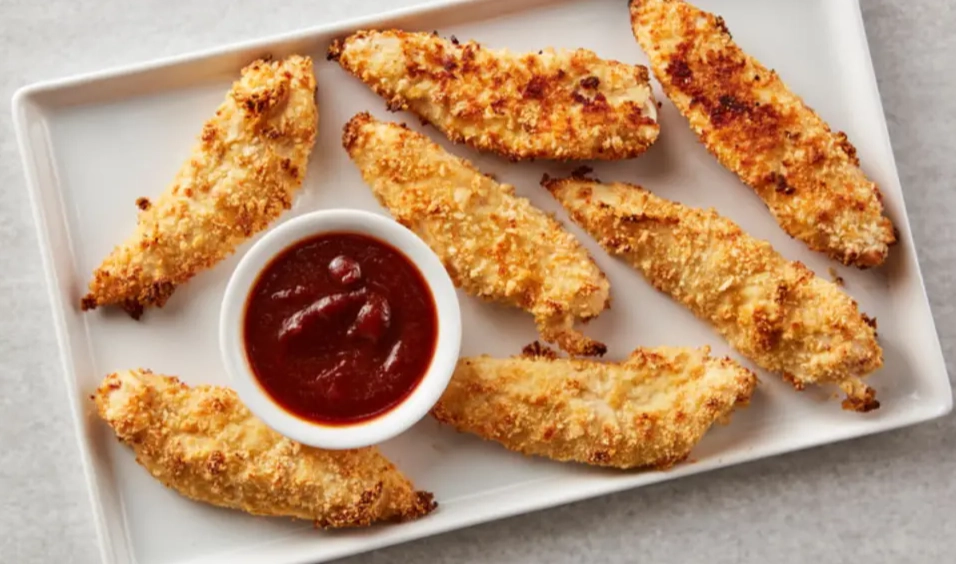
Choosing Your Cooking Method: Fry, Bake, or Air Fry?
Each method has its pros and cons. Your choice depends on whether you prioritize ultimate crispiness, health, or convenience.
| Method | Temperature & Time | Crispiness Level | Best For |
|---|---|---|---|
| Shallow Frying | 350°F (175°C), 3-4 mins per side | 10/10 (Gold Standard) | Special occasions, maximum crunch |
| Baking | 425°F (220°C), 15-18 mins | 7/10 (Good) | Hands-off, healthier weeknight meal |
| Air Frying | 400°F (200°C), 10-12 mins | 9/10 (Excellent) | Fast, healthy, near-fryer results |
Frying Details: Heat about 1/2 inch of oil in a heavy skillet (cast iron is perfect) over medium heat until it shimmers. To test, drop a small breadcrumb in—it should sizzle immediately. Fry in batches without crowding the pan. Crowding drops the oil temp and makes the tenders steam. Drain on a wire rack over a sheet pan, not on paper towels. Paper towels trap steam and make the bottom soggy.
Baking Details: Preheat your oven. Place a wire rack on a baking sheet and spray with oil. Place tenders on the rack—this allows hot air to circulate for even browning. Spray the tops of the tenders lightly with cooking spray or brush with oil. Flip halfway through.
Air Frying Details: Preheat your air fryer. This is non-negotiable for a crispy start. Arrange tenders in a single layer with space between them. Spray lightly with oil. You might need to cook in batches.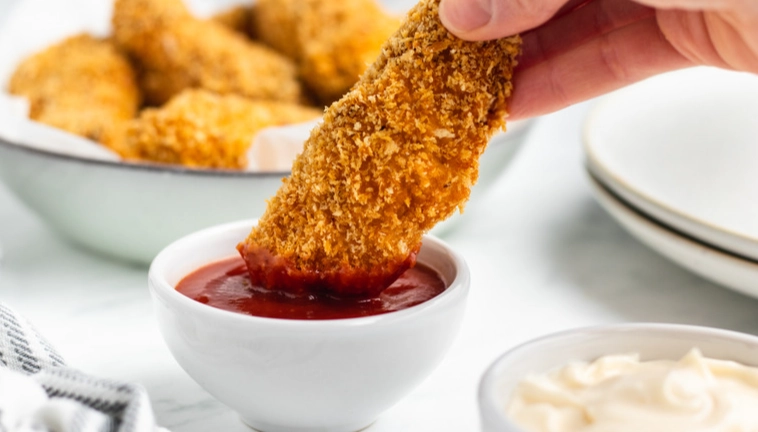
The Sauce Pairings That Make It a Meal
The right dip transforms tenders from a snack into a meal. Beyond ketchup and honey mustard, here are a few winners:
Classic Comeback Sauce: Mix 1/2 cup mayo, 2 tbsp ketchup, 1 tbsp hot sauce, 1 tsp Worcestershire, 1/2 tsp garlic powder. Tangy, spicy, perfect.
Simple Maple-Dijon: Whisk together 1/4 cup Dijon mustard, 2 tbsp pure maple syrup, and a splash of apple cider vinegar.
Avocado Crema: Blend one ripe avocado, 1/4 cup sour cream or Greek yogurt, juice of one lime, salt, and cilantro until smooth. Cuts through the richness.
Serve with a simple side salad, crispy fries, or roasted vegetables.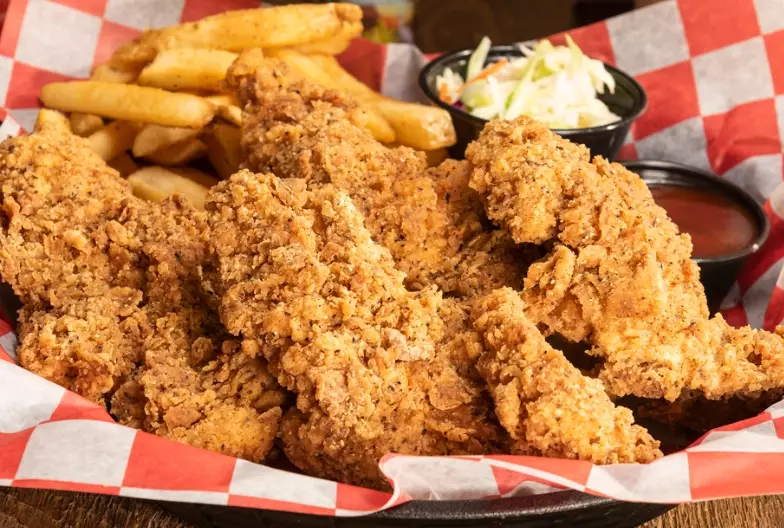
Expert Troubleshooting & Your Questions Answered
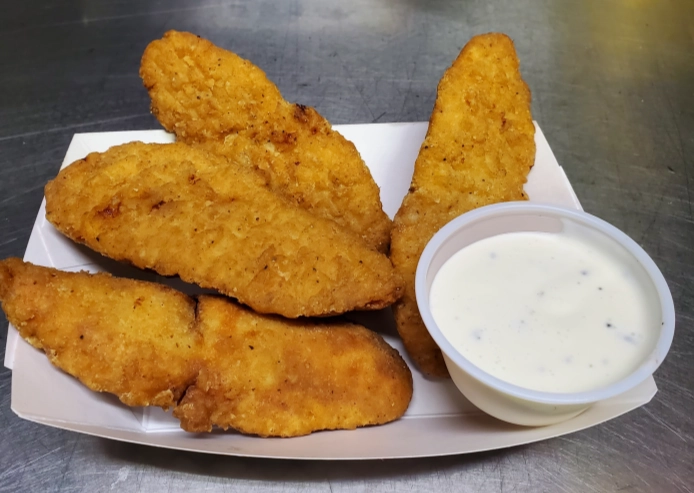 The beauty of homemade breaded chicken tenders is in the process. It's a little messy, hands-on, and infinitely better than anything from a bag. With these steps, you'll get consistent, restaurant-quality results that will make you forget about takeout. Now, go get that skillet hot.
Reader Comments