Let's talk about brown sugar oatmeal. It's not just a bowl of mush. When done right, it's a warm, comforting, and deeply satisfying way to start your day. It's the breakfast equivalent of a cozy sweater. But here's the thing—most people get it wrong. They end up with something gluey, bland, or just plain boring.
I've been making oatmeal for years, testing every variable. The type of oat, the liquid ratio, the stirring (or lack thereof), even the type of brown sugar. It makes a difference. This guide is about moving beyond the basic packet and creating a bowl that's genuinely delicious and tailored to you.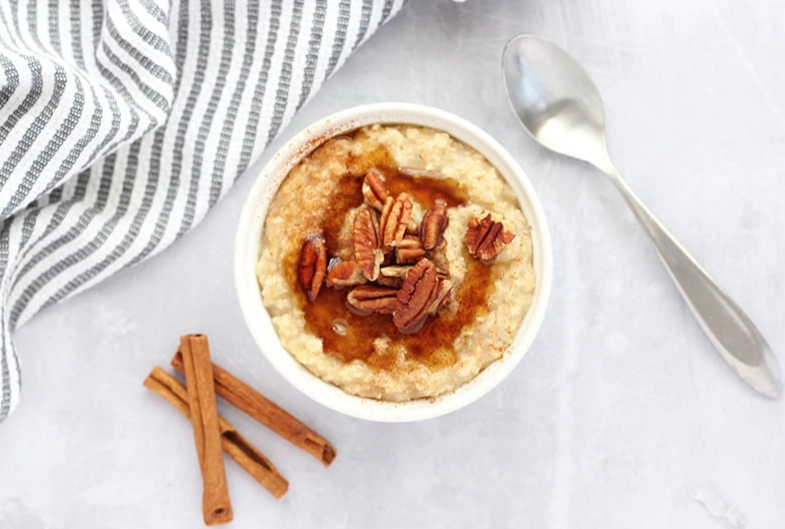
What's Inside This Guide
My Go-To Stovetop Brown Sugar Oatmeal Recipe
This is the method I use 90% of the time. It's fast, reliable, and yields perfectly creamy (not slimy) oats with just the right amount of chew.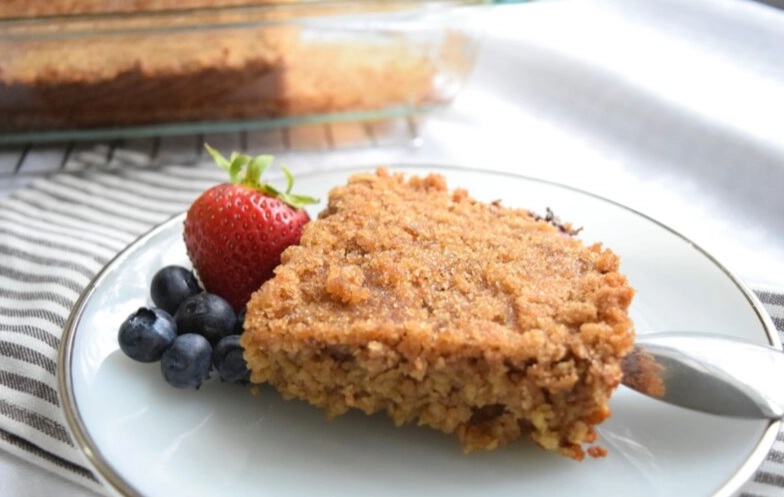
Creamy Stovetop Brown Sugar Oatmeal
Prep: 2 mins | Cook: 5-7 mins | Servings: 1
Ingredients:
- 1/2 cup old-fashioned rolled oats (not quick oats)
- 1 cup liquid (water, milk, or a mix. I use 3/4 cup milk, 1/4 cup water)
- Pinch of salt (non-negotiable)
- 1 tbsp brown sugar (light or dark), plus more to taste
- 1/4 tsp vanilla extract (optional but recommended)
- Pat of butter or drizzle of cream (for serving, the secret weapon)
Instructions:
- Combine the oats, liquid, and salt in a small saucepan. Don't add the sugar yet.
- Bring to a gentle boil over medium-high heat, then immediately reduce the heat to low.
- Simmer, stirring occasionally, for 5-7 minutes. You want it to thicken and the oats to soften but still have a bit of texture. It should look creamy, not watery.
- Remove from heat. Stir in the brown sugar and vanilla extract. Let it sit for a minute—the residual heat will melt the sugar perfectly.
- Transfer to a bowl. Top with that pat of butter or a splash of cream. It adds a rich, round flavor that makes all the difference.
Why add sugar at the end? If you add it at the beginning, it can cause the oats to break down differently and sometimes stick to the pan. Adding it off the heat gives you more control over the sweetness.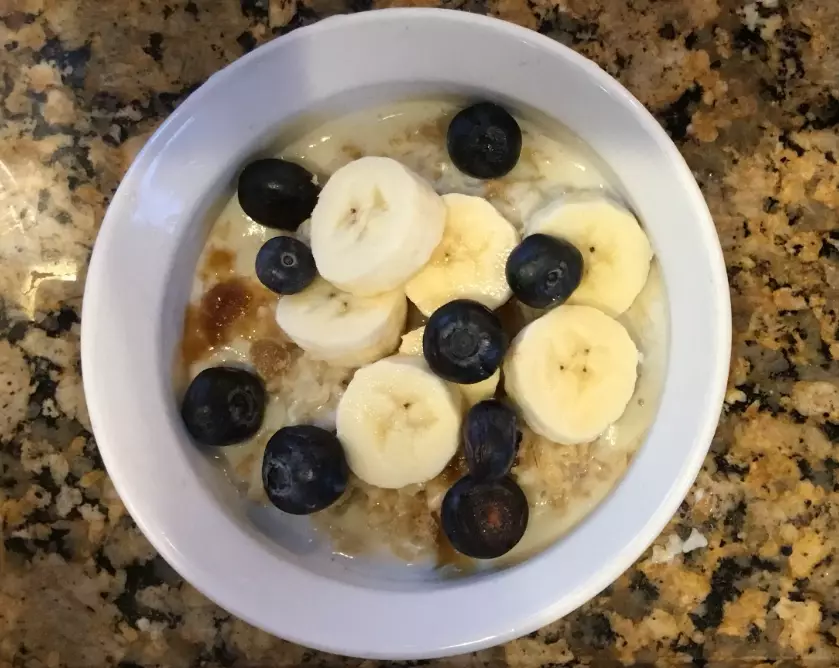
Why Brown Sugar Oatmeal is a Healthy Breakfast Choice
Don't let the "sugar" in the name fool you. This is a nutrient-dense meal. According to the USDA FoodData Central, a half-cup of dry rolled oats provides about 5 grams of protein and 4 grams of fiber, much of it the soluble kind called beta-glucan.
Beta-glucan is the star. Studies, like those referenced by the Harvard T.H. Chan School of Public Health, suggest it can help lower LDL ("bad") cholesterol and help regulate blood sugar levels.
The brown sugar? It's about balance. One tablespoon adds flavor and pleasure, which makes you more likely to eat a healthy food consistently. The fiber in the oats slows down the absorption of that sugar, preventing a major spike. You're getting sustained energy, not a crash.
Oatmeal 101: Steel-Cut, Rolled, or Quick?
This is where most recipes gloss over the details. The type of oat changes everything—texture, cook time, even nutrition.
Old-Fashioned Rolled Oats: My default. They're oat groats steamed and flattened. They cook in 5-7 minutes and give you that classic creamy-with-a-bit-of-chew texture. Perfect for the recipe above.
Steel-Cut Oats: These are oat groats chopped into pieces. They have a nuttier, chewier texture and hold their shape. They take longer (20-25 minutes) and require more liquid (a 1:3 or 1:4 oats-to-liquid ratio). They're fantastic if you have time on the weekend.
Quick Oats: Rolled oats chopped even smaller. They cook in 1-2 minutes but can turn mushy very easily. I avoid them for stovetop cooking. Their best use? Baking or in overnight oats where mushiness is less of an issue.
Nutritionally, they're very similar. The main difference is the Glycemic Index (GI)—steel-cut are lowest, then rolled, then quick. But for most people, the texture difference is the real deciding factor.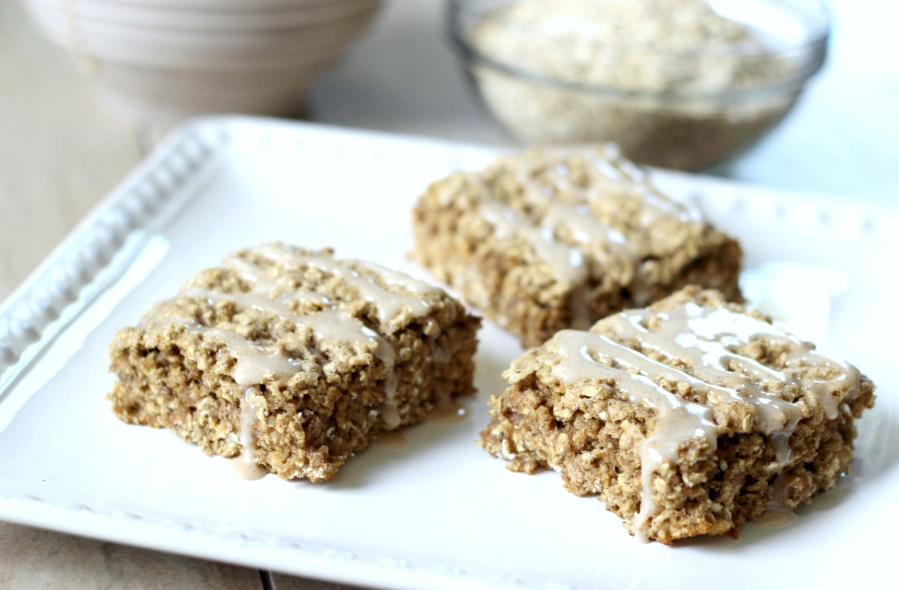
How to Customize Your Brown Sugar Oatmeal Bowl
The beauty of this breakfast is its blank canvas potential. Here’s how to build your perfect bowl.
Sweeteners Beyond Brown Sugar
Brown sugar is king for its molasses notes, but don't stop there.
- Maple Syrup: A natural pairing. Use 1-2 teaspoons.
- Mashed Banana: Stir in half a banana while cooking. It adds creaminess and sweetness.
- Apple Butter: A spoonful swirled in at the end is divine.
Texture & Crunch Toppings
This is non-negotiable for me. A bowl needs contrast.
- Nuts & Seeds: Toasted walnuts, pecans, almonds, pumpkin seeds, chia seeds.
- Fresh Fruit: Sliced banana, berries, diced apple (sauté it with a pinch of cinnamon first!).
- Dried Fruit: Raisins, cranberries, chopped apricots (they plump up in the hot oats).
Flavor Boosters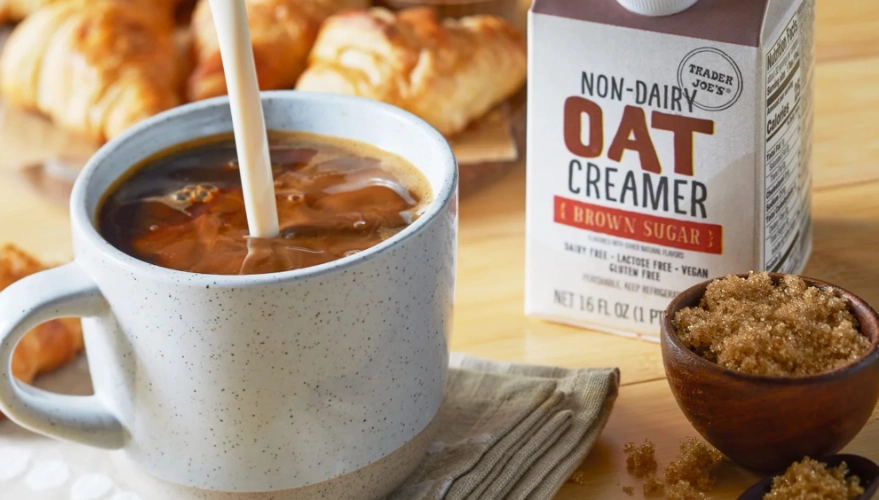
Spices and extracts can transform it.
- Cinnamon: The classic. Add a 1/4 teaspoon with the oats.
- Nutmeg or Cardamom: Just a tiny pinch.
- Almond Extract: Swap for vanilla for a marzipan-like flavor.
- A Pinch of Espresso Powder: Sounds weird, but it deepens the caramel notes of the brown sugar.
Common Mistakes to Avoid (From Experience)
I've made these so you don't have to.
Mistake 1: Using Quick Oats for Everything
As mentioned, they turn to paste on the stove. Save them for specific applications.
Mistake 2: Boiling Too Vigorously
A rolling boil breaks down the oats too fast, releasing excess starch and creating a gluey texture. A gentle simmer is the goal.
Mistake 3: Skipping the Salt
Salt isn't just for savory food. A tiny pinch enhances all the other flavors, making the oats taste richer and the brown sugar taste sweeter. It's the difference between flat and vibrant.
Mistake 4: Over-Stirring
Constant stirring agitates the oats and, again, releases more starch. Stir occasionally to prevent sticking, but let it do its thing.
Meal Prep & Overnight Brown Sugar Oatmeal
Mornings are hectic. Here's how to have your oatmeal ready to go.
Overnight Oats: This is the ultimate make-ahead method. In a jar, combine 1/2 cup rolled oats, 1/2 cup milk, 1/4 cup yogurt (for extra protein and creaminess), 1 tbsp brown sugar, and a pinch of salt. Seal, shake, and refrigerate overnight. In the morning, give it a stir and add your toppings. The texture is cool, creamy, and pudding-like.
Freezer-Friendly Portions: Cook a big batch of steel-cut oats, let it cool, then portion into muffin tins. Freeze solid, pop out the "oatmeal pucks," and store in a bag. Reheat one or two in the microwave with a splash of milk.
Dry Mix Jars: Layer dry ingredients (oats, brown sugar, cinnamon, salt, dried fruit, nuts) in a jar. Attach a tag with instructions: "Add 1 cup milk/water and cook." Great for gifts or your own pantry.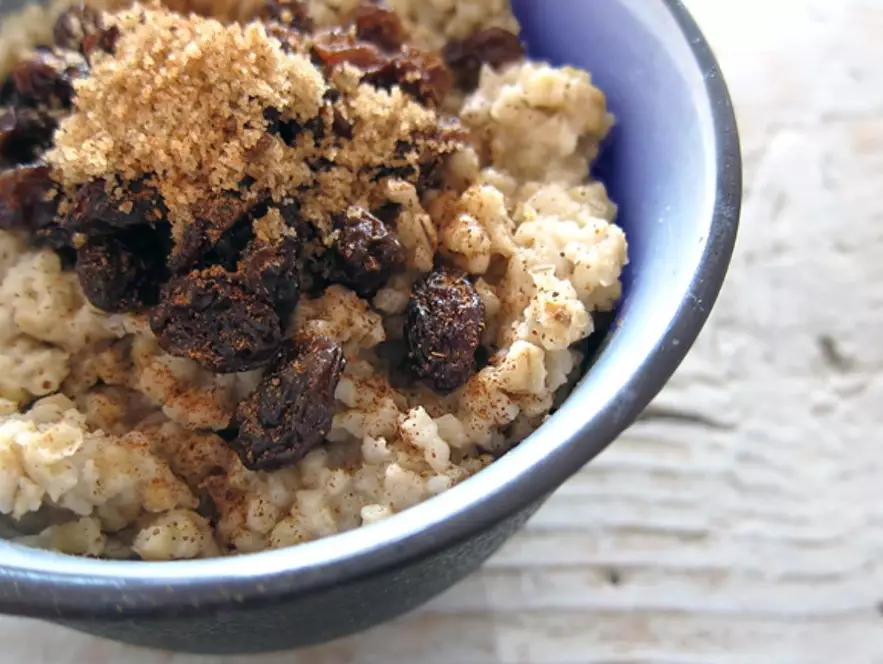
Your Brown Sugar Oatmeal Questions, Answered
Can I make brown sugar oatmeal ahead of time for meal prep?
Absolutely, but the method matters. For best results, prep overnight oats: combine rolled oats, milk, a pinch of salt, and brown sugar in a jar, then refrigerate. The oats absorb the liquid overnight, creating a creamy texture. Avoid cooking stovetop oatmeal in advance as it thickens and becomes gluey when reheated. For steel-cut oats, you can partially cook them, then cool and refrigerate; finish with a splash of milk and gentle reheating the next morning.
Is brown sugar oatmeal actually healthy, or is the sugar bad?
It can be a very healthy choice. The foundation—whole-grain oats—is packed with fiber, protein, and nutrients. The key is controlling the sugar. One tablespoon of brown sugar adds about 12 grams of sugar. Compared to many store-bought flavored packets (which can have 15+ grams), you're in control. The fiber in oats slows sugar absorption, preventing a major spike. For a healthier twist, use half the brown sugar and add sweetness with mashed banana or chopped dates.
My oatmeal turned out gluey or mushy. What went wrong?
This is usually a ratio or oat-type issue. For rolled oats, a 1:2 oats-to-liquid ratio is standard. Using too little liquid makes it gluey. Also, avoid boiling rapidly; a gentle simmer is key. The biggest culprit is often using quick oats for a stovetop recipe meant for old-fashioned rolled oats—they cook too fast and disintegrate. If you prefer a chewier texture, try steel-cut oats; they hold their shape beautifully but require more liquid and a longer cook time (about 20-25 minutes).
What's the difference between light and dark brown sugar here?
Dark brown sugar has more molasses, giving it a deeper, almost toffee-like flavor and a slightly moister texture. Light brown sugar is milder. For a more robust, caramel-forward bowl, use dark. For a lighter sweetness, use light. In a pinch, you can make your own by mixing 1 tablespoon of white sugar with 1/2 teaspoon of molasses for light, or 1 teaspoon for dark. I prefer dark brown sugar in my oatmeal—it feels richer.
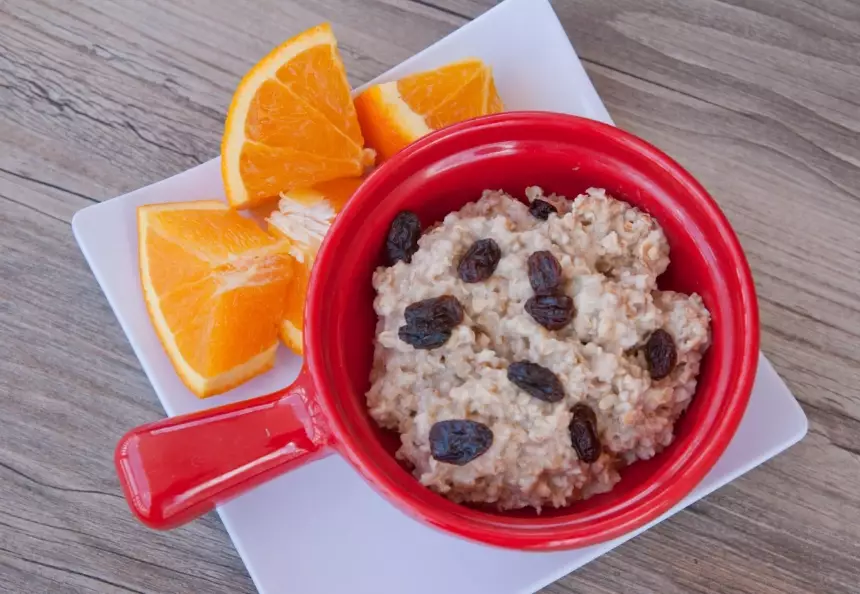 So there you have it. Brown sugar oatmeal is simple, but the details elevate it from forgettable to fantastic. It's about choosing the right oat, nailing the technique, and then making it your own with toppings and flavors. Give the stovetop method a try tomorrow morning. That pat of butter on top? Trust me on that one.
Reader Comments