Let's be honest. The idea of a meal planner sounds great in theory—organized, healthy, saving money. But when Tuesday night hits and you're staring into the fridge, that beautifully color-coded chart feels like a cruel joke. I've been there. After a decade of helping families and singles get their food act together, I've learned that most advice misses the point. It's not about perfection. It's about creating a system that bends, not breaks, when life gets messy.
What's Inside This Guide
What a Meal Planner Really Is (And Why You Probably Need One)
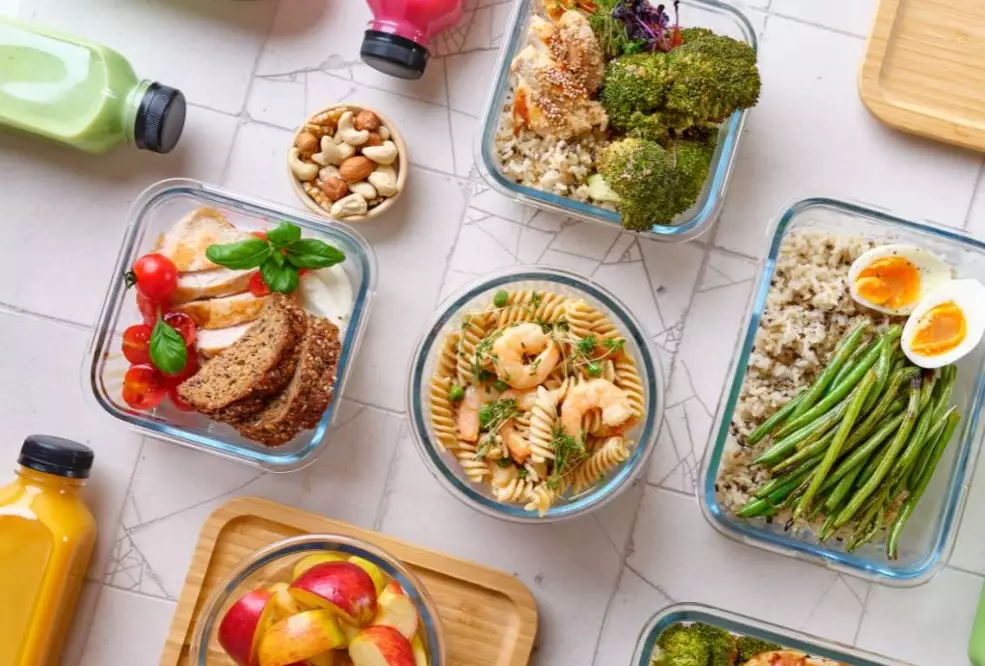 A meal planner isn't a fancy notebook or a rigid schedule. Think of it as a decision-making tool. Its core job is to answer the question "What's for dinner?" before you're hungry, tired, and tempted by takeout. The USDA emphasizes that planning is key to improving diet quality and managing resources, but they don't tell you about the Tuesday night slump.
Here's what most guides won't say: a successful meal planner accounts for your energy levels, not just your nutritional goals. If you work late Wednesdays, planning a slow-cooker meal for that day isn't a "tip"—it's non-negotiable. The benefit isn't just saved money (though that's huge). It's the mental space you reclaim. No more 5 pm panic.
How to Create a Weekly Meal Plan in 5 Simple (But Specific) Steps
Forget the vague advice. Here's the exact sequence I use with clients.
Step 1: The Reality Check – Assess Your Actual Week
Grab your calendar. Not a fresh one, your real one. Mark the nights you have meetings, kids' activities, or just know you'll be drained. For each day, assign an "energy tag": High, Medium, or Low. Be brutally honest. Low-energy days get designated for leftovers or "assembly meals" (more on that later).
Step 2: Raid Your Kitchen First – The Inventory
This step alone cuts grocery bills by 15-20%. Open your pantry, fridge, and freezer. Write down what needs to be used soon. That half-bag of spinach? Those two chicken breasts? They become the foundation of your first few meals. I once built three dinners around a forgotten butternut squash. Felt like a victory.
Step 3: Choose Recipes with a Strategy
Don't just pick seven random recipes. Use a theme or ingredient thread. For example, roast a whole chicken on Sunday. Use the meat for Monday's tacos and Wednesday's chicken salad. Cook a big batch of quinoa for sides and breakfast bowls.
Now, make your shopping list. List every ingredient, with quantities. Organize it by produce, dairy, pantry, etc. Apps can help, but a simple notepad works if you're old-school.
Step 4: Schedule the Cooking, Not Just the Eating
This is the game-changer. Look at your plan. Can you chop Monday's and Tuesday's veggies on Sunday night? Can that soup be doubled and frozen? Block 60-90 minutes on a weekend day for "prep time." It sounds like a chore, but with a podcast on, it becomes therapeutic. This front-loaded work saves you hours during the week.
Step 5: Execute and (Crucially) Adjust
Stick the plan on the fridge. Follow it. But here's the secret: if Thursday's meal feels wrong, swap it with Friday's. The plan serves you, not the other way around. At the week's end, jot a note on what worked and what didn't. Did you overestimate your enthusiasm for kale? Note it down. This feedback loop is what makes the system improve over time.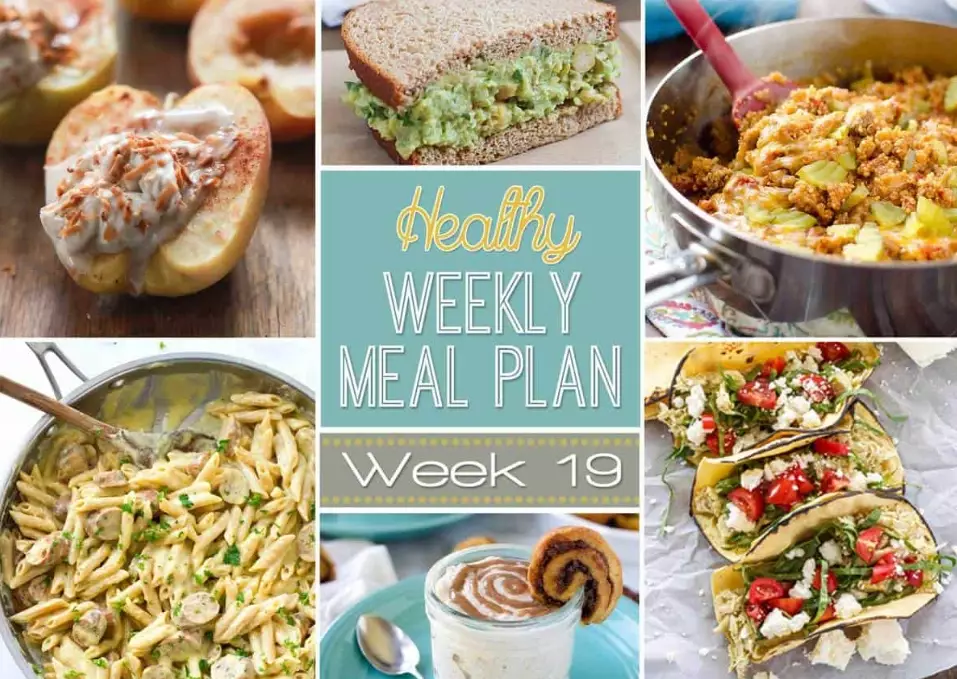
The 3 Mistakes That Ruin Most Meal Plans Before They Start
I've seen these patterns again and again.
Mistake 1: Planning Seven Brand New, Complicated Recipes. Ambition kills consistency. You're not a restaurant. Aim for 2-3 new recipes max per week. The rest should be repeats or easy staples.
Mistake 2: Ignoring the "Flex Nights." Life happens. A friend calls for an impromptu dinner. You get stuck at work. If your plan has no slack, you feel like a failure. Schedule 1-2 "flex" or leftover nights intentionally. This isn't cheating; it's strategic.
Mistake 3: Not Factoring in Lunch. If you plan dinners but buy lunch daily, you're missing half the financial benefit. Plan dinners that generate lunch leftovers, or dedicate 10 minutes to assembling next-day lunches while cleaning up dinner.
Tools and Apps to Enhance Your Meal Planning (And Ones to Skip)
The tool should fit your brain, not the other way around.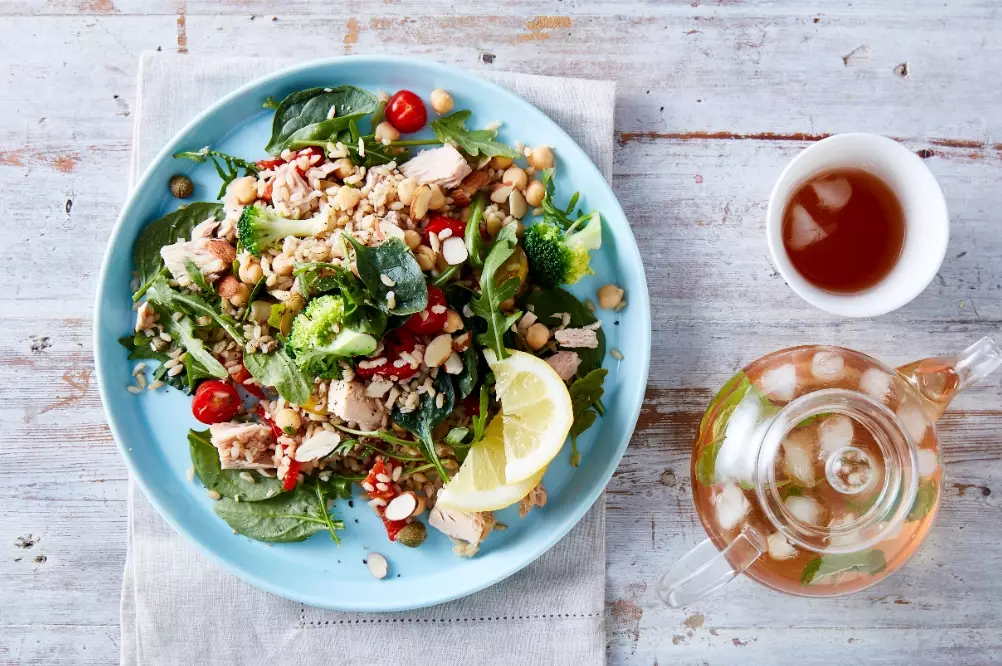
| Tool Type | Best For | My Personal Take |
|---|---|---|
| Paper Planner / Whiteboard | Visual learners, families who need to see the plan publicly. Great for quick edits. | My favorite. There's something permanent about writing it down. A simple weekly grid works wonders. |
| App: Paprika | Recipe collectors. It stores recipes from any website and lets you scale ingredients and generate shopping lists. | Powerful, but can be overkill if you only use 10 recipes. The one-time fee is worth it if you cook a lot from blogs. |
| App: Mealime | Beginners who want guided recipes and automatic list generation. Focuses on healthy, simple meals. | Excellent for removing decision fatigue. The free version is quite robust. I recommend it to clients starting out. |
| Digital Spreadsheet (Google Sheets) | Data lovers, those who want to track costs or nutritional info over time. Highly customizable. | I use a template to track my grocery spending against my plan. It revealed I was overspending on spices I barely used. |
Avoid apps that are overly social or focus on pretty pictures over functionality. You need a tool that makes the process faster, not one that just looks good.
A Real Case Study: How Sarah Saved $200 a Month and Gained 5 Hours
Sarah, a working mom of two, felt dinner was a daily crisis. She'd stop at the store almost daily, buying premium ready-meals and wasting fresh produce.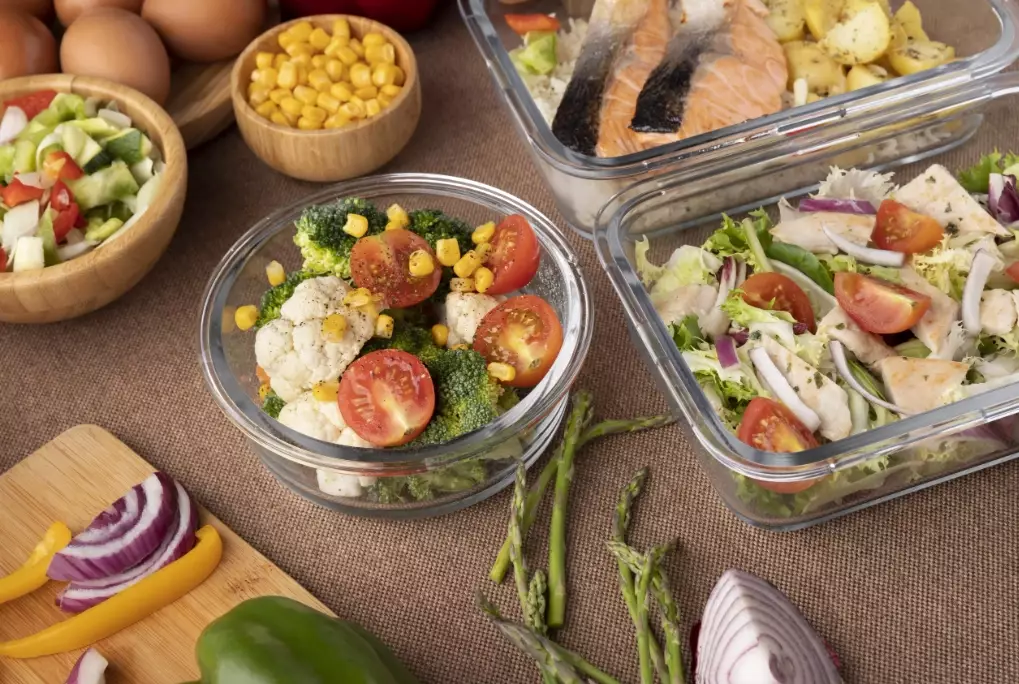
We implemented the 5-step system, with two key tweaks for her family:
- Themed Nights: Taco Tuesday, Pizza Friday (homemade on pita bread). This reduced decision stress for her and gave the kids predictable favorites.
- The "Snack Box" System: Instead of scrambling for after-school snacks, she prepacked boxes on Sunday with cut fruit, cheese, and crackers. This stopped the "I'm hungry!" derailment of dinner prep.
She committed to one weekly shop with a strict list. The first month, she tracked her receipts. The result? A $213 reduction in grocery and takeout spending. More importantly, she estimated saving 5-6 hours a week not thinking about food, shopping, or stressing at 5 pm. The plan wasn't perfect—some meals were swapped—but it provided a framework that reduced chaos.
Your Burning Questions Answered
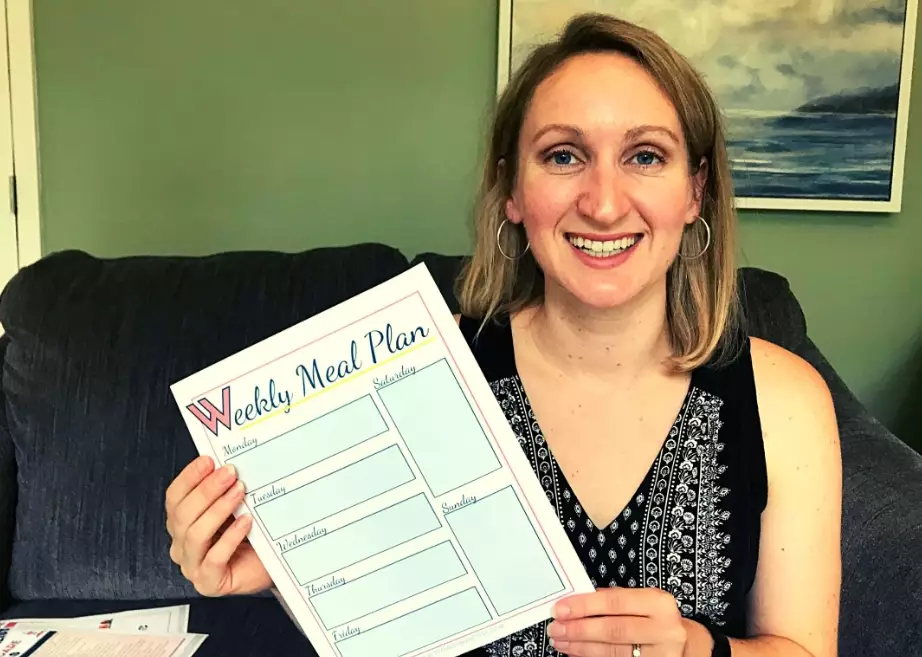 The goal isn't to create a masterpiece every night. It's to make good enough, nutritious food most nights without the last-minute scramble. Start small. Plan three dinners next week. See how it feels. Tweak it. Your meal planner should be as unique as your schedule and your taste buds. Now, go check what's in your fridge.
Reader Comments