Let's cut to the chase. Yes, you absolutely can cook quinoa in a rice cooker. In fact, after burning a pot on the stove more times than I'd like to admit, I think it's the best method for most home cooks. It's hands-off, nearly foolproof, and turns out a consistent batch of fluffy quinoa every single time. If you've been wondering if that trusty rice cooker can handle this superfood grain, wonder no more. This isn't just a theory; it's my go-to method for meal prep, and I'll walk you through exactly how to do it, pointing out the tiny mistakes that can make a big difference.
What You'll Learn in This Guide
Why Your Rice Cooker is a Quinoa Genius
Think about it. A rice cooker's job is to simmer a grain in a precise amount of water until it's absorbed, then switch to a gentle "keep warm" mode. That's exactly what quinoa needs. The sealed environment creates perfect steam, and the automatic shut-off means you can walk away without worrying about scorching the bottom. It's a set-it-and-forget-it dream.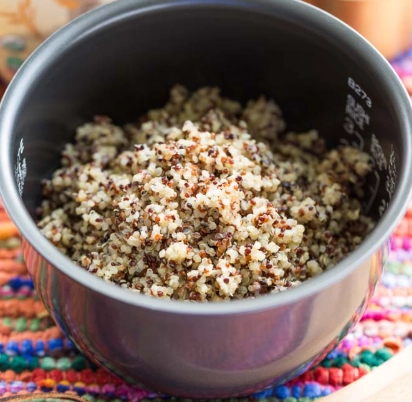
But here's the non-consensus part most guides miss: not all rice cooker "white rice" cycles are created equal. Some basic models just boil hard until a thermostat clicks. Others have fuzzy logic that adjusts temperature. For quinoa, which cooks faster than brown rice, a super-long cycle can sometimes leave it a bit mushy if you use the standard water ratio. The fix? It's in the rinse and the ratio, which we'll get to next.
How to Cook Quinoa in a Rice Cooker: The Step-by-Step Method
This is the core of it. Follow these steps, and you'll nail it.
Step 1: Rinse, Rinse, Rinse (No, Really)
This is non-negotiable. Quinoa has a natural coating called saponin that tastes bitter and soapy. Most pre-packaged quinoa says "pre-rinsed," but I've found that's rarely enough. Pour your quinoa into a fine-mesh strainer and run cold water over it for a good 60 seconds, swishing it with your fingers. The water will go from cloudy to mostly clear. This single step elevates your quinoa from "okay" to "restaurant-quality."
Step 2: The Measured Dump
Add the rinsed quinoa directly to your rice cooker's inner pot. No need to dry it. The little water clinging to it is part of the calculation. Now, add your liquid. For every 1 cup of dry, uncooked quinoa, you need 1 ¾ cups of liquid. This liquid can be water, broth, or even coconut milk for a twist.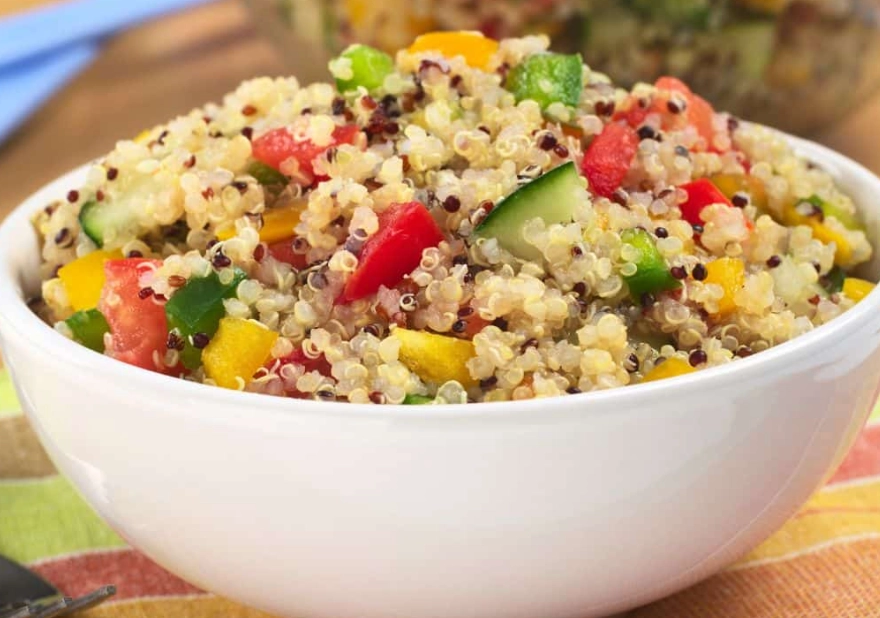
Step 3: Season and Start
Add a pinch of salt. Maybe a drizzle of olive oil or a pat of butter. Stir once to combine. Close the lid and press the "white rice" or "quick cook" button. That's it. Walk away. Read a book. The rice cooker will click off when it's done.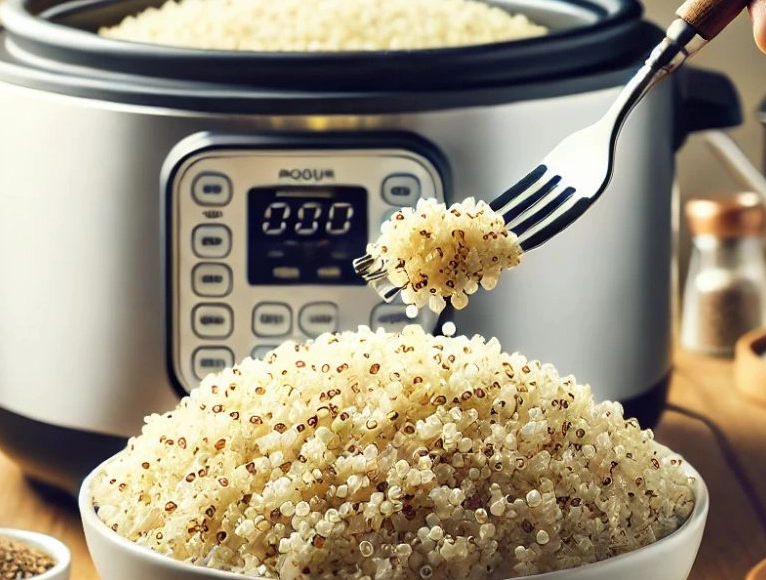
Step 4: The Critical Rest
When the cooker switches to "warm," do not open the lid immediately. Let the quinoa sit and steam for at least 10-15 minutes. This allows the last bits of moisture to distribute evenly, plumping up every seed. After the rest, fluff it with a fork. See those little curly "tails" (the germ) separating? That's perfect quinoa.
The One Water Ratio Rule You Must Follow
This is the most common pitfall. People treat quinoa like white rice and use a 1:2 ratio. It's too much water.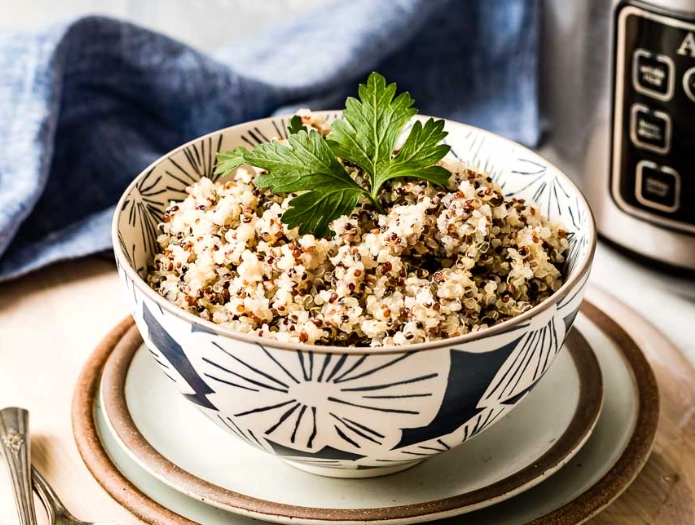
| Grain (1 cup dry) | Liquid Needed | Rice Cooker Cycle | Approx. Cook Time |
|---|---|---|---|
| White Quinoa | 1 ¾ cups | White Rice / Quick | 20-25 mins + rest |
| Tri-Color Quinoa | 1 ¾ cups | White Rice / Quick | Same as above |
| White Rice | 2 cups | White Rice | Varies by cooker |
| Brown Rice | 2 ¼ cups | Brown Rice | Longer cycle |
If your quinoa consistently comes out wet, reduce the liquid to 1 ½ cups. If it's dry or crunchy at the top, increase to 2 cups. Your specific cooker's steam seal and altitude play a role.
Troubleshooting: Fixing Soggy or Burnt Quinoa
Even with the best steps, things happen. Here's how to salvage it.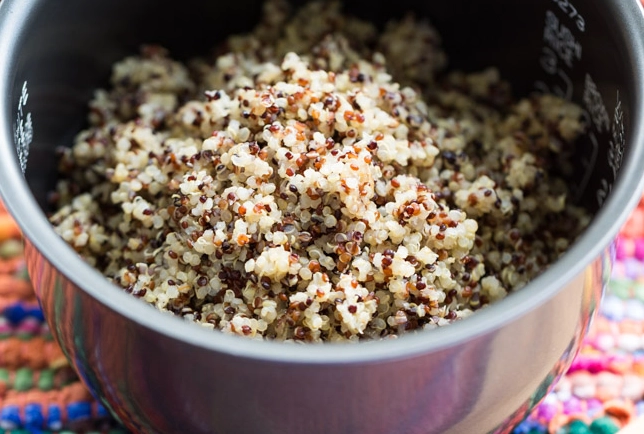
Quinoa is too wet/mushy: You likely used too much water or didn't let it rest. Spread it on a baking sheet for 10 minutes to let excess steam evaporate. Next time, cut back liquid by 2-3 tablespoons.
Quinoa is dry/burnt on bottom: Not enough liquid, or the cooker's heating element is too aggressive. If only a thin layer at the very bottom is toasted, that's actually normal for some cookers—just avoid scraping it up. If it's a real burn, soak the pot. Next time, try adding an extra 2 tablespoons of water or a dash of oil to the pot before adding quinoa and water.
Quinoa tastes bitter: You didn't rinse enough. Sadly, you can't fix this batch. Use it in a heavily seasoned casserole or soup where the bitterness will be masked, and rinse thoroughly next time.
Beyond Basic: Flavor Boosts and Recipe Ideas
Once you master plain quinoa, the world opens up. You can add ingredients before cooking.
- Broth instead of water: Chicken, vegetable, or beef broth adds immense depth.
- Aromatics: Toss in a crushed garlic clove, a few slices of ginger, or a sprig of rosemary before hitting start.
- Pilaf-style: Use the rice cooker's "sauté" function (if it has one) to cook some diced onion in oil first, then add quinoa and liquid. No sauté function? Just add dried minced onion.
My favorite easy meal? Cook quinoa in vegetable broth. Once done, stir in a can of drained black beans, a cup of frozen corn, a handful of chopped cilantro, and a squeeze of lime. Lunch for three days, done.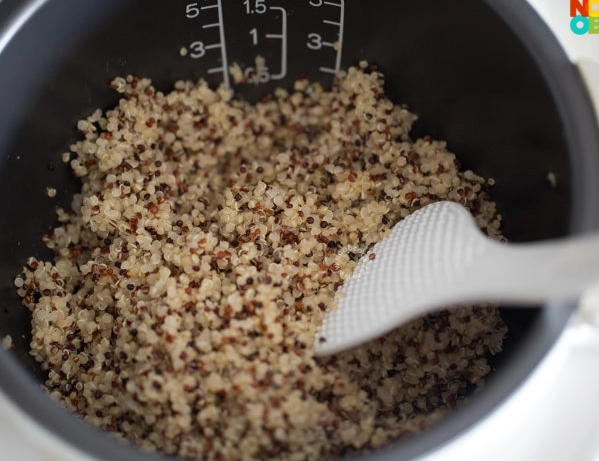
Your Quinoa Questions, Answered
So, there you have it. Your rice cooker isn't just for rice anymore. It's a quinoa-cooking machine waiting to make your healthy eating routine simpler. Give it a try tonight—measure that water, rinse that quinoa, and enjoy the easiest, most consistent side dish you've ever made.
Reader Comments