Quick Guide
- Why This Combo Works: The Science of Sweet Comfort
- Is Maple Brown Sugar Oatmeal Actually Good for You?
- Cracking the Code: The Ultimate Homemade Recipe & Method
- Navigating the Aisles: A Real-World Guide to Store-Bought Options
- Answering Your Burning Questions (FAQs)
- Beyond the Bowl: Creative Uses for the Flavor
- Wrapping It Up: Your Journey to the Perfect Bowl
Let's be honest. The words "maple brown sugar oatmeal" probably conjure up a very specific image. Maybe it's the little paper packet from your childhood, the one you'd tear open and drown in hot water. The smell alone was enough to get you out of bed on a school day. Sweet, warm, and impossibly comforting. But here's the thing I realized as I got older: that packet was just the starting line. The real magic of maple brown sugar oatmeal happens when you take control of it yourself. We're talking about transforming a simple concept into a genuinely nourishing, deeply satisfying meal that can power you through your morning—or be your go-to comfort food any time of day.
I remember trying to make a "healthier" version years ago. I just dumped some plain oats in a bowl, stirred in a spoonful of maple syrup and a pinch of brown sugar, and called it a day. It was... fine. But it was also watery, bland in spots, and cloyingly sweet in others. It lacked that rich, caramel-like depth and creamy texture that makes the best bowls so special. That failure sent me down a rabbit hole. I talked to nutritionists, tested dozens of recipes (some great, some truly terrible), and spent more time than I'd like to admit comparing brands at the grocery store.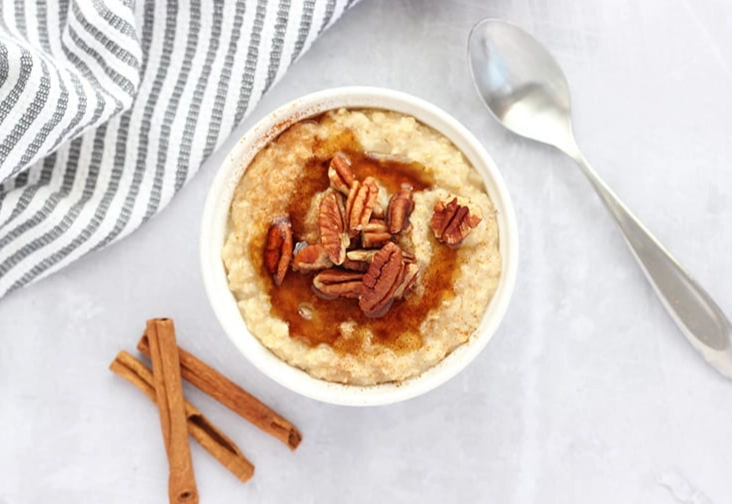
This guide is the result of all that. It's everything I wish I'd known. Whether you're looking for a quick 5-minute fix, a make-ahead solution for hectic weeks, the absolute best store-bought option, or a from-scratch recipe that feels like a hug in a bowl, we're covering it. We'll also tackle the big questions: Is it actually healthy? How do you make it creamy, not gloppy? And what's the deal with all these different oats, anyway?
Why This Combo Works: The Science of Sweet Comfort
Have you ever wondered why maple and brown sugar with oats feels so right? It's not an accident. It's a perfect storm of flavor chemistry and texture. Oats, especially when cooked, have a mild, slightly nutty, and sometimes earthy flavor. On their own, they need a friend. Enter our sweeteners.
Pure maple syrup isn't just sugar. It's complex. According to resources from the Ontario Maple Syrup Producers Association, it contains over 67 different beneficial compounds and antioxidants. It brings notes of vanilla, caramel, and even a faint woody quality. Then you have brown sugar. That rich molasses flavor? It's what gives the blend its deep, almost toffee-like character. The molasses in brown sugar also adds a touch of moisture and acidity, which balances the pure sweetness.
Together, they create a flavor profile that's layered. It's not one-note sweet. It's sweet with depth, warmth, and a rounding richness that white sugar alone could never achieve. This combination clings to the oats beautifully, creating a coating that's flavorful in every bite, not just in sugary pockets.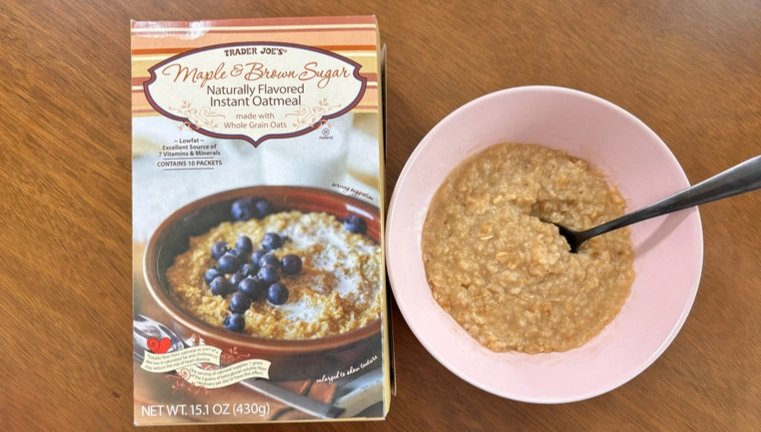
Pro Tip: The type of maple syrup matters. For cooking, I find Grade A Amber Color and Rich Flavor offers the best balance of maple taste and affordability. Reserve the really expensive, delicate Grade A Golden for your pancakes. The stronger flavor of the Amber grade holds up better when heated with oats.
Is Maple Brown Sugar Oatmeal Actually Good for You?
This is the million-dollar question, right? The answer is a classic: It depends entirely on how you make it. Let's break it down, because the health profile can swing from a nutrient-packed super-starter to a sugar bomb disguised as health food.
First, the hero: oats. They're a fantastic source of soluble fiber, specifically beta-glucan. The Harvard T.H. Chan School of Public Health highlights that this type of fiber is proven to help lower LDL (the "bad") cholesterol and promote a feeling of fullness, which can aid in weight management. Oats also provide plant-based protein, magnesium, and B vitamins.
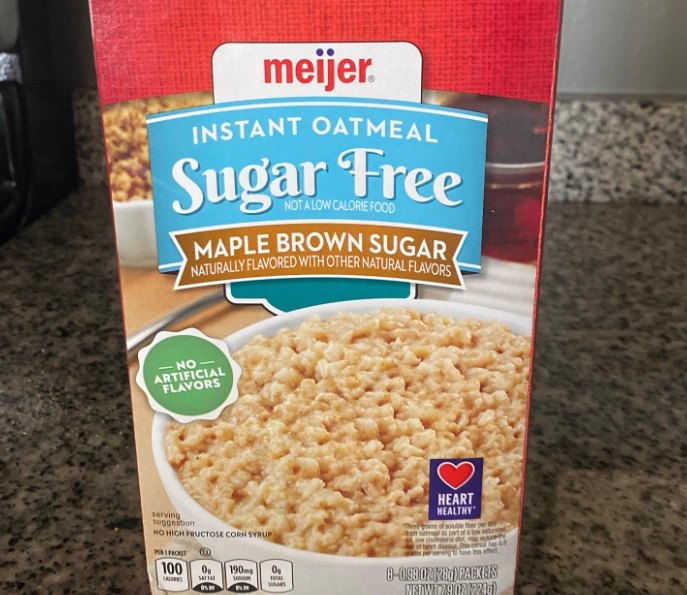
The controversy, obviously, comes from the sweeteners. A typical instant maple brown sugar oatmeal packet can contain 10-12 grams of added sugar or more. That's nearly 3 teaspoons right there, sometimes before you've even added your own splash of milk. When you make it yourself, you control the dial.
My approach? Use the oats' natural creaminess and add-ins to reduce the need for loads of sweetener. A pinch of salt is non-negotiable—it makes the sweetness taste sweeter. A dash of cinnamon or vanilla extract adds perceived sweetness without sugar. Then, you can use a modest amount of real maple syrup and a sprinkle of brown sugar for that signature flavor. The goal is to enhance the oats, not drown them.
Watch Out: Many "artificially flavored" maple brown sugar instant oatmeals use a combination of high-fructose corn syrup, regular sugar, and just a hint of "maple sugar" or artificial flavoring to mimic the taste. You're getting all the sugar with very little of the potential trace minerals or antioxidants found in real maple syrup. Always check the ingredient list.
Here’s a quick comparison to visualize the difference building your own bowl can make:
| Component | Typical Instant Packet | Homemade "Balanced" Bowl | Why It Matters |
|---|---|---|---|
| Added Sugars | 10-14g | 5-8g (from maple & brown sugar) | You can halve your sugar intake while boosting flavor complexity. |
| Fiber | 3-4g | 5-8g (depending on oats & add-ins) | More fiber means better digestion and longer-lasting energy. |
| Protein | 3-4g | 8-15g (with milk/nuts/seeds) | Critical for satiety and muscle repair. Turns a snack into a meal. |
| Ingredient Control | Low (preservatives, artificial flavors possible) | Complete | You know exactly what's in your food. No hidden additives. |
| Flavor Depth | One-dimensional sweet | Layered: sweet, salty, spicy, creamy | A more satisfying eating experience that prevents boredom. |
See the difference? A homemade maple brown sugar oatmeal bowl isn't just about nostalgia. It can be a genuinely smart, balanced choice.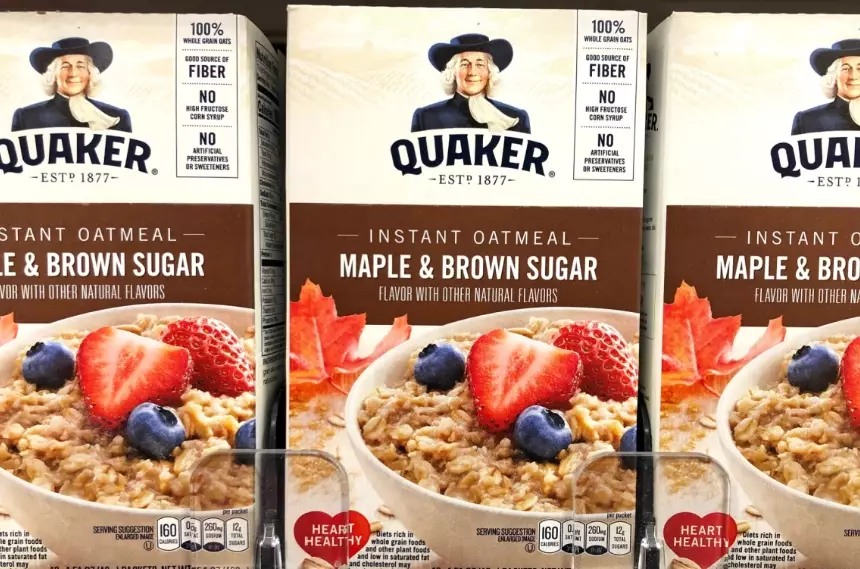
Cracking the Code: The Ultimate Homemade Recipe & Method
Okay, let's get to the good stuff. This isn't just one recipe; it's a master method with variations. The core principle is treating your oats with respect. They're not just a vehicle for sugar; they're the main event.
The Foundation: Choosing Your Oats
This is the most important decision you'll make. It dictates texture, cook time, and nutrition.
- Steel-Cut (Irish Oats): These are the whole oat groats chopped into pieces. They have a chewy, nutty texture and take the longest to cook (20-30 minutes). They hold their shape beautifully and have the lowest glycemic index. My personal favorite for a weekend treat—the texture is unbeatable.
- Rolled Oats (Old-Fashioned): These are groats steamed and rolled flat. They cook in about 5-10 minutes and yield a classic, creamy yet distinct oat texture. The perfect all-purpose choice for a daily maple brown sugar oatmeal.
- Quick Oats: Rolled oats that are, well, rolled thinner and cut smaller. They cook in 1-3 minutes and get very soft and creamy. Great for speed, but the texture can verge on mushy if you're not careful.
- Instant Oats: The most processed, pre-cooked, and dried. Just add hot water. They lack texture and often have added salt/sugar. I avoid these for homemade purposes—you lose all control.
My Take: I'm team rolled oats 90% of the time. They offer the best compromise of texture, cook time, and nutrition. I buy them in bulk—it's way cheaper. Steel-cut are a special occasion thing for me because I'm usually rushing in the morning.
The Step-by-Step, No-Fail Process
For one hearty serving of rolled oat maple brown sugar oatmeal:
- Toast Your Oats (Secret Step!): In a small saucepan over medium heat, add 1/2 cup of rolled oats (dry, no liquid yet). Stir them for 2-3 minutes until they smell fragrant and nutty. This deepens their flavor immensely and prevents a "raw" oat taste.
- Add Liquid & Salt: Pour in 1 cup of liquid. I use a 50/50 mix of water and milk (dairy or any unsweetened plant milk). The milk adds creaminess and protein. Add a tiny pinch of salt—this is critical.
- Simmer, Don't Boil: Bring to a gentle simmer, then reduce heat to low. Cook for 5-7 minutes, stirring occasionally. You want it to bubble lazily, not erupt.
- The Sweetening Window: When the oats have absorbed most of the liquid and are creamy, take them off the heat. NOW add your sweeteners: 1-2 teaspoons of pure maple syrup and 1 teaspoon of packed brown sugar. Stir until melted. Adding them off the heat preserves their delicate flavors.
- The Finishing Touch: Let it sit, covered, for 1-2 minutes. This is when the magic happens—the oats finish absorbing, and everything melds together.
Game-Changer Add-Ins (Pick 1 or 2):
- For Creaminess: Stir in a tablespoon of plain Greek yogurt or a splash of cream at the end.
- For Protein & Crunch: Top with a handful of chopped walnuts or pecans (toasted is even better!).
- For Flavor Complexity: A dash of cinnamon, nutmeg, or a drop of pure vanilla extract with the sweeteners.
- For Hidden Nutrition: Stir in a tablespoon of ground flaxseed or chia seeds after cooking.
Why does this method work better than just throwing everything in a pot? Control. Toasting the oats builds flavor. Adding sweeteners at the end gives you a cleaner, brighter maple and brown sugar taste. Trust me, try it once and you'll never go back.
Navigating the Aisles: A Real-World Guide to Store-Bought Options
I get it. Some mornings, even 10 minutes feels like too much. The instant maple brown sugar oatmeal aisle is a minefield of choices. Having tried more brands than I care to admit, here's my brutally honest breakdown.
When evaluating, I look for three things: 1) Whole grain oats as the first ingredient, 2) Real maple sugar or syrup on the ingredient list (not just "natural flavors"), and 3) A reasonable sugar count (ideally under 10g per serving).
Let's talk about the big players. The classic Quaker Instant Maple & Brown Sugar is the nostalgic standard. It's sweet, it's fast, it tastes exactly like you remember. But look at the label—it's often made with "flavored and sweetened oat pieces," and the maple flavor comes from "maple sugar" and "natural flavor." It's the fast food of oatmeal: consistent, but not exactly wholesome.
On the higher end, brands like Nature's Path and Bob's Red Mill offer organic instant maple brown sugar oatmeal options. These typically use rolled oats and often have simpler ingredient lists. The sugar content might still be high, but it's more likely to come from organic cane sugar and organic maple sugar. The texture is usually better—less gluey, more like actual oats.
Then there's the new category: protein-packed or keto-friendly oatmeal. These often use a base of oat fiber, soy protein, or seeds. They're interesting, but the texture can be... challenging. Gritty or overly thick. And the maple brown sugar flavor in these is almost always artificial. I tried one that promised "5g net carbs" and it tasted like sweetened sawdust. Not a fan.
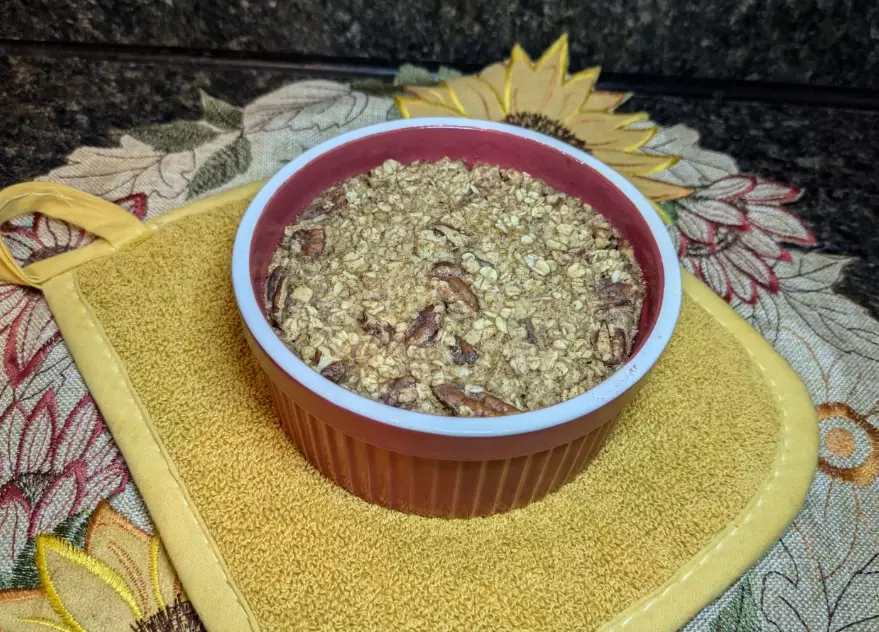 My go-to for a truly busy morning? Plain quick oats and my own little stash of pre-mixed seasoning.
Here’s what I do: On a Sunday, I mix a big batch of my own "instant" mix. In a jar, I combine: - 4 cups of quick-cooking rolled oats - 1/4 cup of maple sugar (you can find this online or in health food stores—it's just dehydrated maple syrup) - 1/4 cup of coconut sugar or date sugar (for that brown sugar molasses note) - 2 teaspoons of cinnamon - 1 teaspoon of salt
I store it in a jar. In the morning, I scoop out 1/2 cup, add boiling water or milk, stir, and wait 2 minutes. It has all the convenience of a packet, but I control the ingredients, the sugar level is lower, and the flavor is miles better because I used real maple sugar. It's my ultimate hack.
Answering Your Burning Questions (FAQs)
Answering Your Burning Questions (FAQs)
Over the years, I've been asked every question imaginable about maple brown sugar oatmeal. Here are the ones that come up again and again.
How can I make my oatmeal creamier, not slimy?
This is the #1 complaint! Sliminess happens from overcooking and over-stirring, which releases too much starch. The fix: Use a 2:1 liquid-to-oats ratio (for rolled oats), simmer gently, stir only occasionally, and take it off the heat when it looks just a bit looser than you'd like. It will thicken as it sits. Also, using milk (even just part milk) instead of all water adds natural creaminess and protein that changes the texture for the better.
Can I make maple brown sugar oatmeal in the microwave?
You can, but you have to be careful. Use a large, microwave-safe bowl (it will bubble up). Combine 1/2 cup rolled oats and 1 cup liquid. Microwave on high for 2-2.5 minutes. Stop and stir halfway through. Let it stand for 1-2 minutes after cooking, THEN stir in your maple syrup and brown sugar. Microwaving tends to make oats gummy if you add the sugar before cooking.
Is this a good breakfast for people with diabetes?
This requires careful management. Oats themselves are a great high-fiber choice. The danger is in the rapid blood sugar spike from the added sugars. The key is to significantly reduce or modify the sweeteners and add fat and protein. Think: a small drizzle of maple syrup paired with a big spoonful of almond butter and some chia seeds. Always pair carbs with fat/protein/fiber to slow digestion. The American Diabetes Association emphasizes balancing carbohydrates with other nutrients. Consulting a dietitian for personalized advice is best.
My homemade version never tastes as strong as the packet. Why?
This is the artificial flavoring trap. Packets often use potent, isolated flavor compounds (like ethyl vanillin, which is much stronger than real vanilla) to create an intense, one-note blast. Real maple syrup and brown sugar are subtler and more complex. To boost flavor without fake stuff: use a darker maple syrup (Grade A Dark), add a tiny pinch of salt (it amplifies sweetness), and include a spice like cinnamon. It won't be an identical, chemical taste—it'll be a better, real-food taste.
Can I make a big batch for the week?
Absolutely! Overnight oats are your friend. Mix 2 cups rolled oats, 2 cups milk, 1/4 cup maple syrup, 2 tbsp brown sugar, and a pinch of salt and cinnamon in a container. Stir well, cover, and refrigerate overnight. In the morning, you have ready-to-eat, cold maple brown sugar oatmeal. The texture is different—chewier and pudding-like—but delicious. You can also cook a big pot of stovetop oats, let it cool, and store it in the fridge for up to 5 days. Reheat single portions with a splash of milk to loosen it up.
Beyond the Bowl: Creative Uses for the Flavor
The maple brown sugar oatmeal flavor profile is too good to confine to breakfast. Here are a few ways I've branched out.
Baked Oatmeal: This is a weekend brunch superstar. Mix your wet ingredients (milk, egg, maple syrup, melted butter) with your dry (oats, brown sugar, baking powder, cinnamon, salt). Pour into a baking dish, top with nuts, and bake at 375°F for 35 minutes. It slices like a cake and is incredible warm with a dollop of yogurt.
Oatmeal Cookies (The Obvious, But Best, Choice): Swap the raisins in a classic oatmeal cookie recipe for a mix of maple syrup and brown sugar in the dough, and add a handful of toasted pecans. The flavor is pure, chewy, maple brown sugar oatmeal in cookie form.
Smoothie Booster: Add 1/4 cup of cooked, cooled plain oats to your morning smoothie along with a teaspoon of maple syrup, a sprinkle of cinnamon, and a banana. It adds incredible thickness, fiber, and that familiar flavor, turning your drink into a meal.
DIY Granola: Toss rolled oats with a glaze of maple syrup, a bit of brown sugar, coconut oil, and salt. Bake low and slow, stirring often, until golden and crisp. You've just made a crunchy, clustery version of your favorite oatmeal to eat with milk or yogurt.
Wrapping It Up: Your Journey to the Perfect Bowl
So, where does this leave us? The journey from that little paper packet to a truly masterful bowl of maple brown sugar oatmeal is one of reclaiming control. It's about understanding that this isn't just a sugary quick-fix, but a canvas. A canvas for whole grains, for mindful sweetening, for creative add-ins that boost nutrition and satisfaction.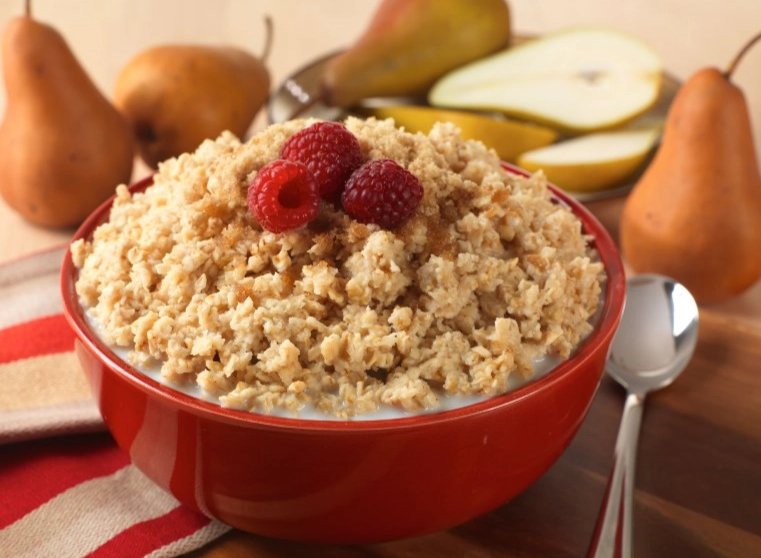
It doesn't have to be complicated. Start with better oats. Toast them if you have an extra minute. Use real maple syrup, even just a little. Add a pinch of salt. Maybe throw in some walnuts. You'll be shocked at how these small shifts create a breakfast that doesn't just taste good—it makes you feel good, too.
That's the real goal, isn't it? Food that comforts both your soul and your body. The humble oat, paired with the timeless magic of maple and brown sugar, is more than capable of delivering on that promise. You just have to give it a chance to shine.
Now, go make a bowl. And maybe skip the packet next time.
Reader Comments