Your Quick Guide
- Why a Rotisserie Chicken is Your Best Friend in the Kitchen
- How to Pick and Prep Your Champion Chicken
- The Blueprint: Building Your Ultimate Casserole
- Top Rotisserie Chicken Casserole Recipes You Have to Try
- The Cheese Question: A Melty Guide
- Answers to the Questions You're Actually Asking
- A Few More Pro Moves & Final Thoughts
Let's be honest. Some nights, the thought of cooking from scratch feels like climbing a mountain. You're tired, the kids are hungry, and the clock is ticking. That's where the humble store-bought rotisserie chicken becomes a superhero in a foam container. And when you pair it with the cozy, all-in-one magic of a casserole? You've just unlocked the cheat code for weeknight dinners.
I used to think casseroles were just for potlucks or maybe something my grandma made. But after one too many 7 PM panic attacks staring into the fridge, I gave the whole rotisserie chicken casserole idea a real shot. It changed everything. It's not just about throwing stuff in a dish; it's about smart, flavorful, and frankly, lazy cooking that tastes like you tried way harder than you did.
This guide isn't just a list of recipes. It's your playbook. We'll talk about how to pick the best bird, strip it like a pro (without making a huge mess), and match it with the right ingredients to create casseroles that everyone will ask for again. We'll also tackle the real questions—like how to avoid a soggy top or what to do if you're staring at a too-salty chicken.
Why a Rotisserie Chicken is Your Best Friend in the Kitchen
You already know it's convenient. But let's break down why it's specifically genius for casseroles. First, the flavor. That bird has been slowly rotating, basting in its own juices, getting all golden and savory. It brings a depth of flavor that plain boiled or quickly pan-seared chicken breasts just can't match. It's pre-cooked, pre-seasoned, and ready to go.
Think about the texture, too. You get a mix of white and dark meat, which means more moisture and richer taste in every bite of your casserole. Using a rotisserie chicken for casseroles skips the longest, most boring step—cooking and cooling the protein. You go straight to the fun part: assembling.
From a cost and time perspective, it's a winner. When you factor in the energy and time to roast a chicken yourself, the store-bought version often comes out ahead for a busy household. It's a ready-made meal starter.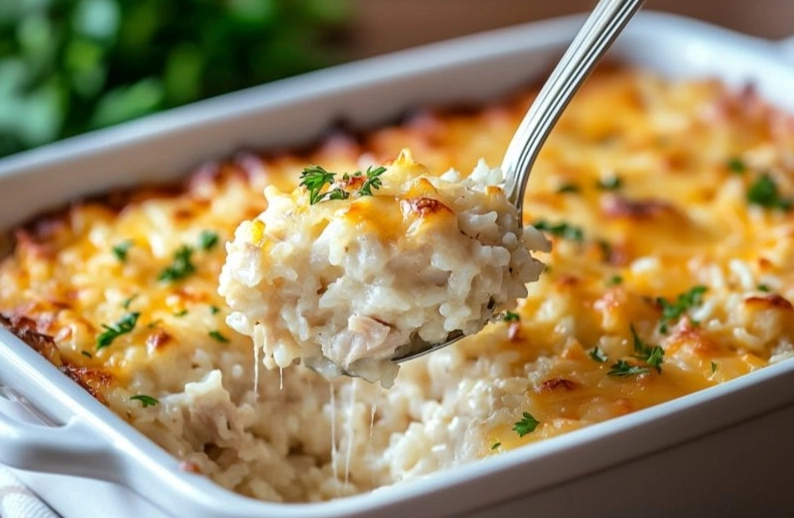
Pro-Tip: The Two-Bird Strategy
If you really want to get ahead, buy two rotisserie chickens on a Sunday. Shred all the meat at once. Use one batch for a casserole that night, and portion the other into zip-top bags (about 2-3 cups each) for the freezer. Future-you will be so grateful on a random Wednesday. This is the core of so many easy chicken casserole recipes.
How to Pick and Prep Your Champion Chicken
Not all rotisserie chickens are created equal. Some are swimming in salt, while others are a bit on the dry side. Here's what I look for.
First, check the color. You want a nice, even golden-brown skin. Avoid ones that look pale or have burnt spots. Give the container a little squeeze (gently!). If it feels suspiciously light or there's a pool of liquid at the bottom, it might be dry or overly pumped with solution. I've made that mistake—ended up with a chicken that tasted more like a salt lick.
Flavor matters. Plain or "original" is your most versatile canvas. Lemon-pepper, herb, or garlic ones are fantastic but remember they'll influence your final dish. A BBQ rotisserie chicken might be amazing in a southwestern-style casserole but weird in a classic creamy one.
The No-Mess Shredding Method
This was a game-changer for me. Forget using two forks and sending chicken flying across the kitchen.
- Let the chicken cool just enough to handle. Pull off the legs and wings first.
- Place the whole breast section (skin side down) and a leg/thigh piece into the bowl of a stand mixer. Yes, really.
- Use the paddle attachment and turn the mixer to low for about 30-45 seconds. Watch as it perfectly shreds the meat off the bones. It's almost magical.
- Pick out any bones, cartilage, or stray skin bits. The skin is flavorful, so I sometimes chop a bit of the crispy skin and mix it in for texture.
If you don't have a stand mixer, use your hands. It's therapeutic. Pull the meat apart, feeling for the grain. It goes faster than you think.
A Word on Safety
Remember, this is a cooked, perishable product. Don't let it sit out for hours. Shred it within 2 hours of purchasing, or get it into the fridge quickly. The USDA Food Safety guidelines are a great resource for handling cooked poultry. Once shredded and cooled, use it within 3-4 days for the best quality in your casseroles using rotisserie chicken.
The Blueprint: Building Your Ultimate Casserole
Every great casserole has a few key players. Understanding this "formula" lets you improvise with what you have.
The Base (The Chicken): Obviously, our star. About 3-4 cups of shredded rotisserie chicken is perfect for a standard 9x13 dish.
The Binder (The Glue): This holds everything together and adds creaminess. Think cream of mushroom soup, a homemade béchamel sauce, sour cream, Greek yogurt, or even a cheesy sauce.
The Extenders (The Fillers): These bulk it out and add texture. Cooked pasta (elbow, penne), rice, quinoa, diced potatoes, or even bread cubes for a stuffing-style dish.
The Veggies (The Color & Nutrition): Frozen mixed veggies (peas, carrots, corn), sautéed onions and mushrooms, spinach, broccoli florets, or roasted peppers.
The Flavor Boosters (The Personality): This is where you customize. Garlic, herbs (thyme, rosemary, sage), mustard, hot sauce, Worcestershire, lemon zest, salsa.
The Topping (The Crown): The crispy, golden finish. Buttery breadcrumbs, crushed crackers (Ritz are classic), shredded cheese, French fried onions, mashed potatoes (for a shepherd's pie vibe), or even biscuit dough.
Got it? With that blueprint, you can clean out your fridge. Leftover rice? Check. Half a bag of frozen broccoli? Check. That last bit of sour cream? Check. You're halfway to a new family favorite.
Top Rotisserie Chicken Casserole Recipes You Have to Try
Here are some concrete ideas to get you started. I've ranked these based on family appeal, ease, and how often they get requested in my house.
| Recipe Idea | Key Ingredients (Beyond Chicken) | Why It Works | Perfect For... |
|---|---|---|---|
| The Classic King Ranch | Cream of chicken & mushroom soup, Rotel tomatoes, green chiles, corn tortillas, cheddar cheese. | It's iconic for a reason. Layers of flavor, creamy with a kick, and the tortillas soften into something wonderful. It's the ultimate comfort food casserole using rotisserie chicken. | Feeding a crowd, game day, when you crave Tex-Mex comfort. |
| Cozy Chicken & Stuffing Bake | Boxed stuffing mix, cream of celery soup, sour cream, frozen green beans. | It tastes like Thanksgiving in 45 minutes. The stuffing mix on top gets crispy, while underneath it's savory and moist. So simple it feels like cheating. | The pickiest eaters, ultra-busy nights, using up holiday leftovers. |
| White Chicken Enchilada Casserole | Flour tortillas, green enchilada sauce, Monterey Jack cheese, sour cream, cumin. | Skips the tedious rolling of individual enchiladas. Layer it like lasagna! The creamy green sauce is milder than red, making it kid-friendly but still flavorful. | A flavorful but not-too-spicy family dinner. Great for potlucks. |
| Broccoli Cheese Chicken & Rice | Cooked rice, fresh or frozen broccoli, sharp cheddar cheese sauce (homemade or from a packet), breadcrumbs. | It's a complete meal in one dish. The broccoli doesn't get mushy if you don't overcook it, and the cheesy rice is always a hit. A staple among easy chicken casserole recipes. | Hiding veggies from the kids, using up leftover rice, a satisfying meat-and-veg meal. |
| Italian Wedding Soup Bake | Orzo pasta, fresh spinach, Parmesan cheese, Italian seasoning, chicken broth, tiny meatballs (optional). | It captures the soul of the soup in a bakeable form. The orzo soaks up the broth, the spinach wilts perfectly, and the top gets cheesy. Feels sophisticated but is dead simple. | When you want something different from the usual creamy casserole. Impressing guests easily. |
My personal go-to? The Chicken & Stuffing Bake. It's my emergency dinner. I almost always have the stuff for it, and it never fails. The White Chicken Enchilada one is a close second—it just feels fancier than it is.
The Cheese Question: A Melty Guide
Cheese can make or break your casserole. Some melt into silky smoothness, others get oily or rubbery. Here's a quick cheat sheet.
| Cheese | Best For... | Melting Behavior | A Little Tip |
|---|---|---|---|
| Sharp Cheddar | Classic flavor, broccoli casseroles, anything "cheesy." | Good, but can separate and get oily if overheated. | Shred it yourself. Pre-shredded has anti-caking agents that hinder melting. |
| Monterey Jack | Mexican-inspired bakes, where you want a mild, reliable melt. | Excellent. Melts smoothly and evenly. | Combine with Pepper Jack for a kick. |
| Mozzarella (low-moisture) | Creating those iconic cheese pulls, Italian-style bakes. | Superb stretch and melt. | Often bland alone. Mix with Parmesan or Romano for flavor. |
| Gruyère or Swiss | Elegant, grown-up casseroles. Fantastic with mushrooms. | Melts beautifully with a nutty, complex flavor. | Pricey, but a little goes a long way. A splurge worth making. |
| Pepper Jack | Adding a subtle heat without needing extra spices. | Melts like Monterey Jack (its base). | Perfect for waking up a basic casserole. |
| Parmesan (fresh grated) | Topping for a crispy, salty crust, or mixed in for umami. | Doesn't melt so much as it toasts and crisps. | Never use the canned powder stuff here. Just don't. |
I'm a big fan of a cheese blend. A mix of cheddar for flavor and Monterey Jack for melt is my gold standard for most rotisserie chicken casserole creations.
Answers to the Questions You're Actually Asking
Can I use raw chicken instead?
You can, but you'll need to adjust. Diced raw chicken breast won't cook through in the same time as the casserole heats. You'd need to cook it first, which defeats the purpose of the shortcut. If you're set on it, poach or sauté the chicken first, then proceed. But honestly, try the rotisserie method first. The flavor is different (and in my opinion, better).
My casserole is always soupy in the middle. Help!
This is the most common issue. A few culprits: 1) Wet veggies: If using frozen veggies, don't thaw them. Toss them in frozen, or they'll release a ton of water. 2) Undercooked pasta/rice: If your recipe calls for uncooked rice or pasta, it will absorb liquid as it bakes, but the ratios must be precise. It's safer to use cooked. 3) No thickener: Your binder (soup, sauce) needs to be thick enough. If using canned soup, don't dilute it. If making a sauce, cook it until it nicely coats the back of a spoon. Let the assembled casserole sit for 10-15 minutes before baking; this lets the starches start absorbing.
How do I get a crispy, not soggy, topping?
Two tricks. First, make sure the filling underneath isn't too wet (see above). A soggy filling steams the topping. Second, add your crunchy topping (breadcrumbs, etc.) in the last 10-15 minutes of baking. If you put it on at the start, it absorbs moisture and burns. I also like to toss my breadcrumbs with a little melted butter or oil before sprinkling—helps them brown evenly.
Can I prepare these ahead of time?
Absolutely! This is a huge advantage. Assemble the casserole completely (hold the dry topping in a baggie), cover tightly, and refrigerate for up to 24 hours. When ready to bake, you'll likely need to add 10-15 minutes to the baking time since it's going in cold. You can also freeze unbaked casseroles for up to 3 months. Thaw in the fridge overnight before baking.
The rotisserie chicken I got is really salty. Now what?
Ugh, I hate when that happens. Don't add any extra salt to your recipe. Balance it with unsalted ingredients. Use no-salt-added canned soups or broths. Add a starchy, bland extender like plain cooked pasta or potatoes to dilute the saltiness a bit. A splash of acid—lemon juice or a bit of vinegar—in the filling can also help balance the salt on your palate.
The Freezer is Your Friend: Meal Prep Magic
This is the real life-hack. Double any casserole recipe. Bake one for dinner tonight. For the second, assemble it in a disposable aluminum pan, wrap it tightly in both plastic wrap and foil, label it, and freeze it. You now have a homemade "frozen dinner" that's miles better than anything from the store. Just move it to the fridge the night before you need it, then bake as directed (adding a few extra minutes). This strategy turns one cooking session into two (or more) stress-free dinners. It's the ultimate goal for leftover rotisserie chicken recipes—making leftovers before you even have the first meal!
A Few More Pro Moves & Final Thoughts
Let's wrap up with some random wisdom that doesn't fit anywhere else.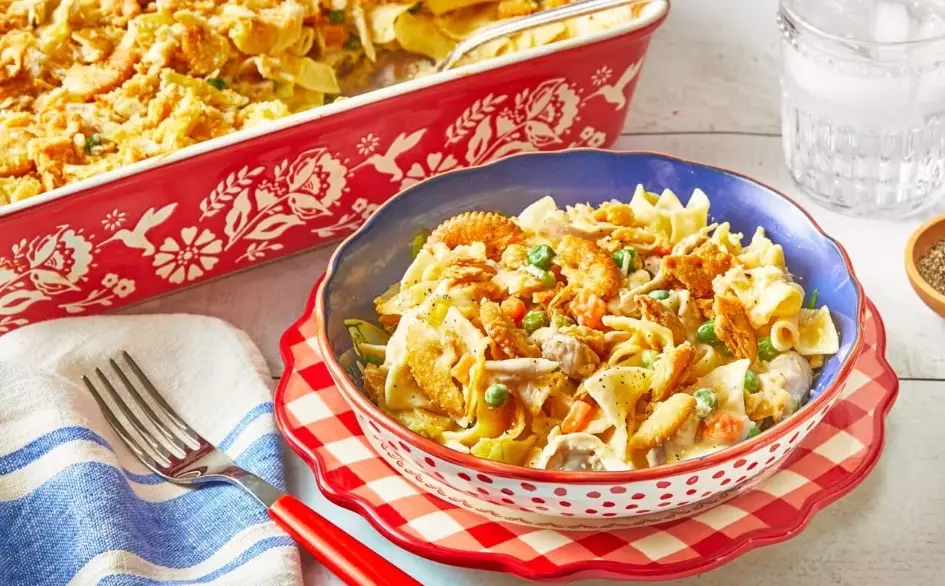
Don't forget the acid. A squeeze of lemon juice over a creamy chicken casserole right before serving brightens the whole thing up. It's a small step with a big payoff.
If you're using a cream-of-something soup (no shame, I do it), doctor it up. Sauté some fresh garlic and onions, stir it into the soup with a dash of black pepper and maybe some thyme. It elevates it from "can" to "gourmet."
For the crispiest topping ever, mix panko breadcrumbs with a little grated Parmesan, lemon zest, and olive oil. Sprinkle it on for the last few minutes. It's a game-changer.
Finally, remember that casseroles are forgiving. They're meant to be homey, not perfect. Did you add too many noodles? It's fine. Forgot the peas? No big deal. The beauty of casseroles using rotisserie chicken is their flexibility and resilience.
So next time you're in the store, grab that golden bird with purpose.
You're not just buying a quick dinner. You're buying the key to a warm, satisfying, and impressively easy meal that will make your kitchen smell amazing and leave you with minimal cleanup. That's a win in my book, any night of the week.
Reader Comments