Navigating This Chicken Salad Guide
Let's be honest. The idea of a homemade chicken salad recipe sounds simple, right? Chop some chicken, mix with mayo, maybe throw in some celery. Done. But then you make it, and it's... fine. Just fine. A bit dry, maybe. Or bland. Or it turns into a soggy mess by lunchtime. I've been there. I've made more mediocre chicken salads than I care to admit.
It took me years of trial and error—and yes, some truly underwhelming lunches—to figure out what separates a "meh" chicken salad from the kind you crave. The kind that's creamy but not gloppy, packed with flavor and texture, and stays perfect for days. This isn't just a recipe; it's my tried-and-true blueprint for what I genuinely believe is the best homemade chicken salad recipe you can make without any fancy chef skills.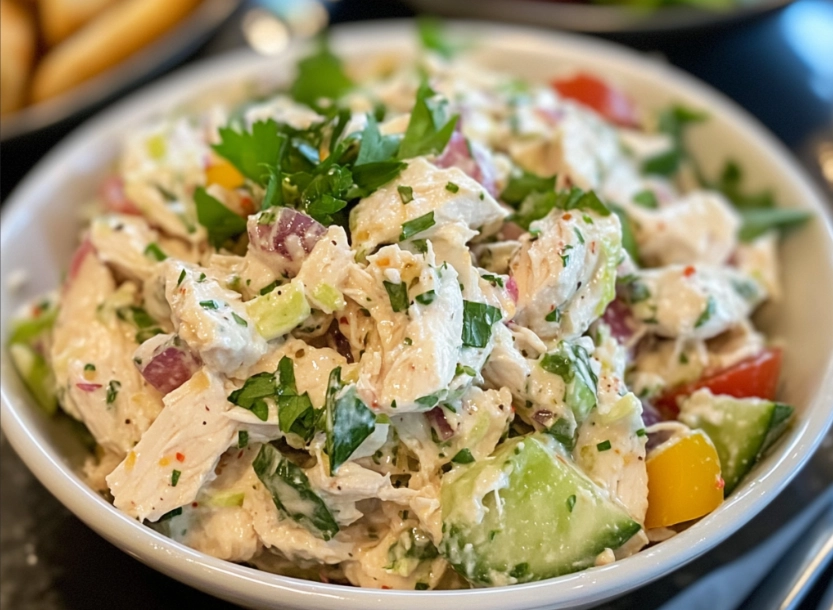
We're going to cover everything. Not just the ingredients list, but the why behind each choice. We'll talk about the chicken (poached? roasted? leftover?), the all-important dressing, the crunchy bits that make it interesting, and a bunch of ways to switch it up so you never get bored. I'll even share my biggest mistake—the one that led to a sadly watery salad—so you can avoid it.
The Foundation: My Go-To Classic Recipe
This is my base recipe. It's balanced, reliable, and endlessly adaptable. Think of it as your blank canvas.
What You'll Need (The Ingredients Breakdown)
Here’s the thing about ingredients for a homemade chicken salad: quality matters, but so does technique. Using great chicken is pointless if you overcook it into sawdust.
| Ingredient | Amount | The "Why" & Notes |
|---|---|---|
| Cooked Chicken Breast | 3 cups, shredded or diced | The star. Using a mix of white and dark meat (like from a rotisserie chicken) adds more flavor and moisture. Purely breast meat can be leaner. |
| Mayonnaise (full-fat) | 1/2 to 2/3 cup | The binder. Full-fat has better flavor and texture. Start with 1/2 cup, you can always add more. For a twist, substitute 2 tbsp with Greek yogurt. |
| Celery | 2 stalks, finely diced | Essential crunch and a fresh, clean flavor. Don't skip it. |
| Red Onion | 1/4 cup, finely minced | Adds a sharp bite. Soak in cold water for 10 minutes if you want to mellow the raw onion flavor. |
| Toasted Pecans or Almonds | 1/2 cup, chopped | Nutty crunch. Toasting is non-negotiable—it unlocks their oils and flavor. |
| Fresh Dill & Parsley | 2 tbsp each, chopped | Herbs are flavor magic. Dill is classic; parsley adds freshness. Use dry in a pinch (1 tsp each). |
| Dijon Mustard | 1 tbsp | The secret weapon. Adds tang and depth, cutting through the richness of the mayo. |
| Lemon Juice | 1 tbsp fresh | Brightens everything up. Bottled juice just doesn't have the same effect. |
| Kosher Salt & Black Pepper | To taste | Season in layers. Don't be shy. |
See? Nothing crazy. But each piece has a role. Now, how you bring them together is what makes the difference.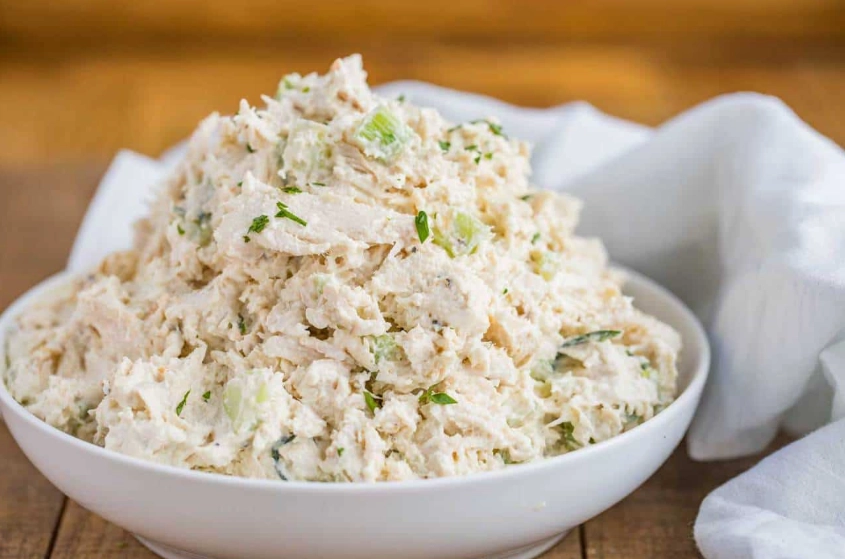
Putting It All Together: The Method
Step 1: The Chicken. If you're cooking chicken specifically for this, my favorite method is poaching. Put boneless, skinless breasts in a pot, cover with cold water or broth, bring to a bare simmer, cover, turn off the heat, and let it sit for 15-20 minutes. It stays incredibly juicy. Let it cool completely before shredding with two forks or dicing. Using leftover roasted chicken or a store-bought rotisserie chicken is a fantastic shortcut—just discard the skin and shred the meat. You'll get about 3 cups from one medium rotisserie chicken.
Step 2: The Mix-Ins. Chop your celery, onion, and herbs. Toast the nuts in a dry pan over medium heat until fragrant—watch them like a hawk, they burn fast. Let them cool.
Step 3: The Dressing. In a small bowl, whisk together the mayonnaise, Dijon mustard, lemon juice, a big pinch of salt, and a few grinds of pepper. Taste it. Seriously, taste the dressing on its own. Does it need more tang? More mustard? Adjust now.
This tasting step is crucial. It's your last chance to fix the seasoning before it's mixed in.
Step 4: Combine Gently. In a large bowl, place the shredded chicken, celery, onion, herbs, and cooled nuts. Pour the dressing over. Now, use a big spatula or spoon to fold everything together. Don't stir aggressively—you want to keep some texture in the chicken, not turn it into mush.
Step 5: The Rest. This might be the most important step for flavor. Cover the bowl and refrigerate your homemade chicken salad for at least an hour, ideally two or three. This lets the flavors get to know each other, the salt seasons the chicken throughout, and everything chills and sets up nicely.
Pro Tip: Always reserve a few herbs and nuts to sprinkle on top just before serving. It makes it look restaurant-fancy with zero extra effort.
Leveling Up: The Big Questions Answered
Okay, you've got the basic formula. But what about all those little questions that pop up? I had them too. Let's tackle the most common ones.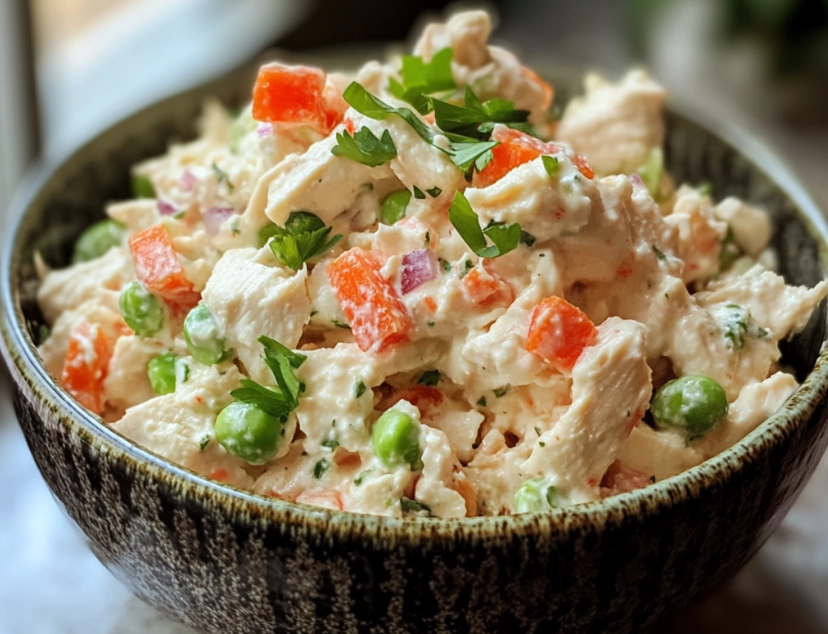
How Do I Keep My Chicken Salad from Getting Watery?
Ah, the soggy salad syndrome. This was my nemesis for a while. The culprit is usually one of two things: wet chicken or watery vegetables.
If you poach or boil chicken, make sure it's patted very dry with paper towels after shredding. If you're using a rotisserie chicken, that's usually fine. For vegetables, especially if you're adding something like grapes or apples, make sure they are thoroughly dry after washing. Also, salting your diced celery or onions and letting them sit in a colander for 10 minutes can draw out excess moisture—just rinse and pat dry before adding.
Watch Out: Don't add juicy ingredients like tomatoes directly to the main batch. They'll bleed and make the whole thing wet. Add them individually to your serving if you must have them.
What's the Best Way to Cook Chicken for Salad?
There's no single "best" way, but there are better ways depending on what you want.
- Poaching: My go-to for maximum control and juiciness. It's gentle and almost foolproof.
- Roasting/Baking: Great for developing deeper, caramelized flavors. Brine the breasts first or rub with oil and seasoning. Bake at 400°F (200°C) until cooked through.
- Grilling: Adds a fantastic smoky char. Perfect for a summer-style chicken salad.
- Slow Cooker/Instant Pot: Super easy for large batches. Can result in very tender, shreddable meat, but watch it doesn't become overcooked and stringy.
- Rotisserie Chicken: The undisputed champion of convenience. Flavor is already there, and it's a huge time-saver. Just be mindful of the seasoning on the skin if it's very salty.
For food safety guidance on cooking poultry to the correct temperature, the USDA's safe temperature chart is the definitive resource. Chicken should reach an internal temperature of 165°F (74°C).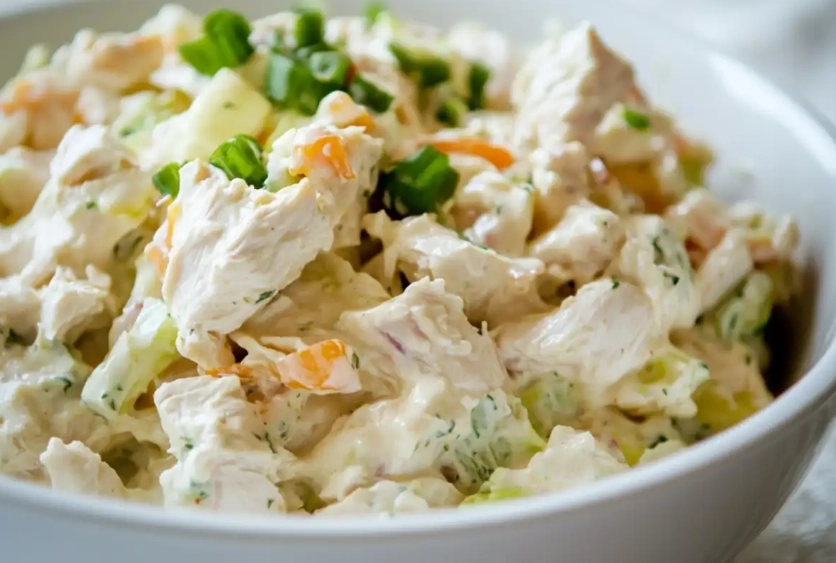
Can I Make It Healthier or Lighter?
Of course. The classic homemade chicken salad recipe is pretty flexible. Here are some easy swaps:
- Mayo Swap: Replace half the mayo with plain Greek yogurt. It adds protein and tang. Using all yogurt can make it a bit tart and less creamy, so I prefer a blend.
- Add More Veg: Bulk it up with finely chopped bell peppers, shredded carrots, or even chopped broccoli stems for extra crunch and nutrients.
- Go Nut-Free: Swap nuts for seeds like sunflower or pumpkin seeds for a similar crunch.
- Use Avocado: Mash a ripe avocado and mix it with a smaller amount of mayo for a creamier, healthier-fat dressing. Note: This version doesn't keep as long.
A Quick Nutrition Note: Chicken salad is inherently a good source of protein. By loading it with vegetables and using healthy fats (like those in nuts and avocado), you're creating a balanced meal. Portion control with the mayo is the easiest way to manage calories if that's a concern.
Beyond the Basic: My Favorite Variations
Once you master the classic, the world is your oyster. Here are three of my favorite spins on the homemade chicken salad theme. I make these almost as often as the original.
The "Gourmet" with Grapes & Tarragon
Swap the dill for fresh tarragon (it has a lovely, subtle anise flavor). Add 1 cup of halved red seedless grapes and use walnuts instead of pecans. The sweet pops of grape with the earthy tarragon is a classic combo for a reason. It feels fancy but is dead simple.
The "Curried" with a Kick
To your base dressing, add 1-2 teaspoons of good-quality curry powder (I like Madras), a tablespoon of mango chutney (or apricot jam), and a handful of golden raisins or dried cranberries. Skip the dill. Add a diced tart apple (like Granny Smith) for crunch instead of, or in addition to, the celery. This variation has so many layers of flavor—sweet, spicy, tangy.
The "Herb Garden" with Lemon & Basil
Use a mix of soft herbs: lots of basil, some parsley, and a little chive. Increase the lemon zest along with the juice. Add toasted pine nuts. This one tastes like summer in a bowl. It's incredibly fresh and bright.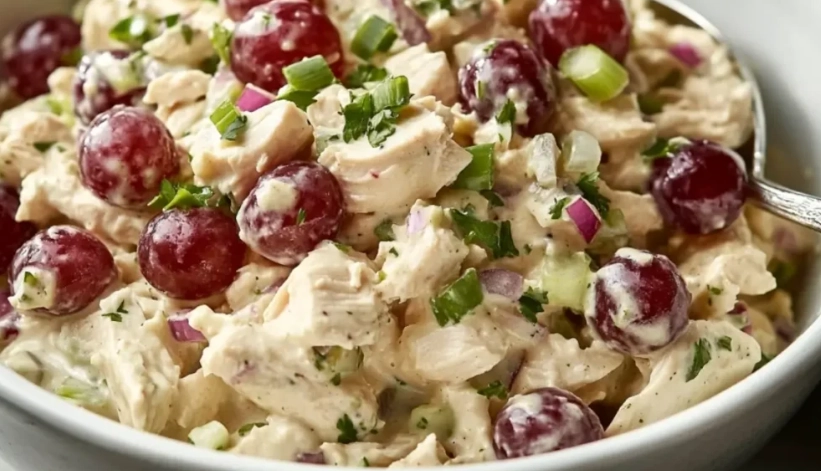
The best homemade chicken salad recipe is the one you tweak until it's uniquely yours. Don't be afraid to experiment.
Serving, Storing, and Making It a Meal
You've made a fantastic chicken salad. Now what? How you serve it can turn it from a sandwich filler into a real meal.
The Best Ways to Serve It
- The Classic Sandwich: On toasted whole wheat, sourdough, or a croissant with crisp lettuce and a ripe tomato slice. A croissant feels indulgent but is so good.
- In a Wrap or Lavash: Spread it down the center, add spinach or arugula, roll it up tight. Perfect for packed lunches.
- On a Bed of Greens: Pile it on top of a big salad for a protein boost. Drizzle with a simple vinaigrette.
- In an Avocado Half or Tomato Cup: For a low-carb, gluten-free option that looks beautiful. Scoop out the avocado flesh a bit to make a larger well.
- With Crackers or Cucumber Rounds: My favorite easy, elegant appetizer or snack.
How Long Does It Last?
Stored in a tightly sealed container in the fridge, a homemade chicken salad recipe will keep beautifully for 3 to 4 days. The flavor often gets better on the second day. I do not recommend freezing it. The mayo-based dressing will separate and the vegetables will become mushy upon thawing, creating a very unappetizing texture.
This makes it a perfect meal prep candidate. Make a big batch on Sunday, and you have lunches ready to go for most of the week.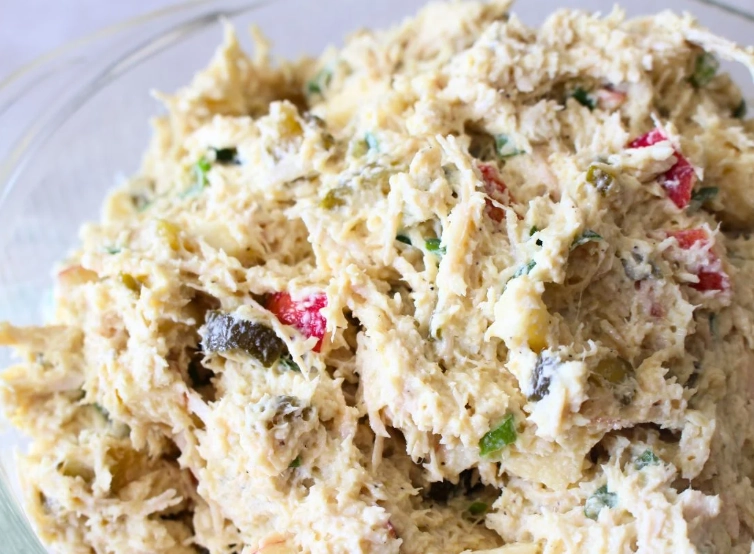
The Final Word (No, Really)
At the end of the day, a great homemade chicken salad recipe is about balance. Creamy dressing, juicy chicken, fresh herbs, and something crunchy. It's forgiving. If you don't have pecans, use walnuts. No fresh dill? Try dried. The goal is to make something delicious that you'll actually want to eat.
Start with the classic version I outlined. Get a feel for it. Then start playing. Add a spoonful of relish for a Southern twist. Throw in some crumbled bacon (because bacon makes everything better). Use leftover Thanksgiving turkey instead of chicken. The formula is your friend.
I hope this guide takes the guesswork out of it for you. Forget the bland, store-bought stuff. With a little know-how, you can make a chicken salad that's truly something special, right in your own kitchen. Now go forth and make lunch something to look forward to.
Reader Comments