Let's be honest. The promise of "easy air fryer BBQ chicken" is everywhere, but the reality often falls short. You get dry breast meat, sauce that burns into a sticky mess, or skin that's more rubbery than crispy. I've been there. After years of testing (and more than a few disappointing dinners), I've nailed down a method that delivers consistently fantastic results. It's not just about throwing chicken in a basket; it's about understanding how the air fryer's intense, dry heat works and playing to its strengths. This guide will give you that crispy, caramelized exterior and juicy interior you're craving, with way less fuss than firing up the grill.
Quick Navigation
Why This Method Works (The Science of Crisp)
The air fryer is a powerful convection oven. It blasts hot air around food at high speed. This is great for creating a Maillard reaction—that beautiful browning and complex flavor—but it can also dry things out quickly if you're not careful. The biggest mistake? Slathering raw chicken in wet BBQ sauce before cooking. The sugar in the sauce caramelizes too fast and burns, while the meat underneath steams instead of sears.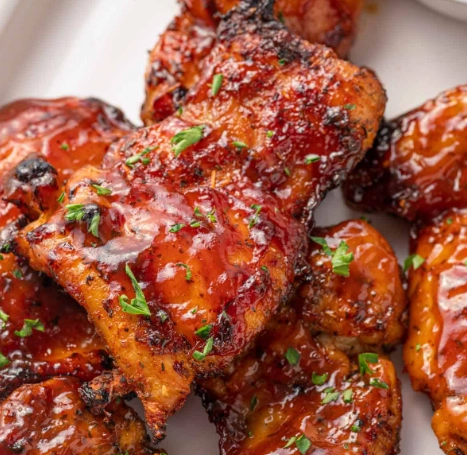
The key is dry heat first, wet sauce last.
We use a dry rub to season and help draw moisture to the surface for better browning. We cook the chicken most of the way through, letting the skin or exterior get perfectly crisp. Only in the final few minutes do we add the BBQ sauce, just long enough for it to glaze and tack up without burning. This simple sequence change is a game-changer.
Choosing Your Chicken: A Cut-by-Cut Guide
Not all chicken parts air fry the same. Here’s my breakdown from most foolproof to needs-a-little-care.
| Cut | Best For | Air Fryer Temp & Time (Approx.) | My Notes |
|---|---|---|---|
| Chicken Thighs (Bone-in, Skin-on) | Beginners, guaranteed juiciness | 380°F (195°C) for 20-25 mins | The fat under the skin bastes the meat. Forgiving and hard to overcook. My top pick. |
| Chicken Drumsticks | Kids, parties, easy handling | 380°F (195°C) for 18-22 mins | Cook evenly. Don't overcrowd—leave space between for air circulation. |
| Chicken Wings (whole) | Game day, appetizers | 400°F (205°C) for 22-26 mins | Pat DRY before seasoning. Flip halfway. They get incredibly crispy. |
| Chicken Breasts (Boneless, Skinless) | Lean protein, quick cooks | 370°F (185°C) for 12-16 mins | Tricky. Can dry out fast. Pound to even thickness and use a meat thermometer. |
| Whole Chicken Leg (Thigh + Drumstick) | Heartier portions | 375°F (190°C) for 25-30 mins | Check doneness at the joint where meat is thickest. |
For a first try, grab some bone-in, skin-on thighs. They're practically fail-safe.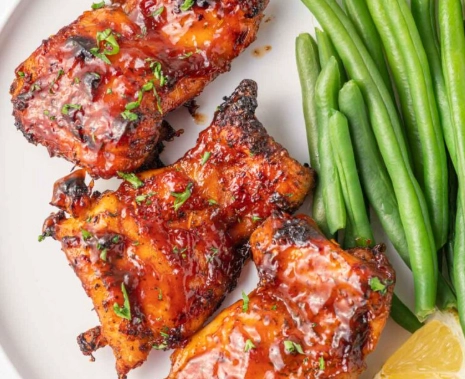
The Foolproof Recipe & Step-by-Step
This is my weekly workhorse recipe. It's simple but built on techniques that matter.
What You'll Need:
- Chicken: 4 bone-in, skin-on chicken thighs (about 2 lbs total)
- Dry Rub: 1 tbsp brown sugar, 1 tsp smoked paprika, 1 tsp garlic powder, 1 tsp onion powder, ½ tsp salt, ½ tsp black pepper, ¼ tsp cayenne (optional).
- Oil: 1 tablespoon of a high-smoke-point oil (avocado, canola, or light olive oil).
- BBQ Sauce: ⅓ to ½ cup of your favorite brand, or homemade.
Step 1: Prep is Non-Negotiable
Take the chicken out of the fridge 20 minutes before cooking. Pat it bone-dry with paper towels. This is the single most important step for crispy skin. Moisture is the enemy of crisp. While it's coming to temperature, mix your dry rub in a small bowl.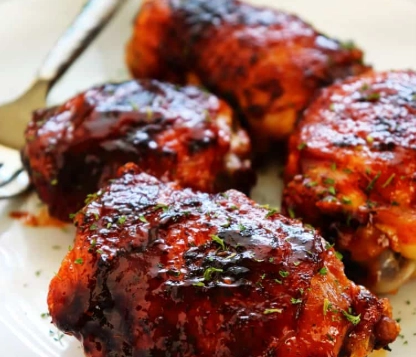
Step 2: Season Smartly
Drizzle the oil over the chicken and rub it all over, especially under the skin if you can gently loosen it. Then, sprinkle the dry rub generously on all sides, massaging it in. Don't just dump the rub on; take 30 seconds to really work it in. Let it sit for 5 minutes while you preheat your air fryer to 380°F (195°C). Preheating ensures immediate searing.
Step 3: The Cook & The Flip
Place the chicken thighs in the air fryer basket, skin-side up, leaving space between them. Don't stack or crowd. Cook for 12 minutes. Then, open the basket and flip each piece. This ensures even cooking and browning on both sides. Cook for another 8-10 minutes.
Now, check the internal temperature. You're aiming for about 165°F (74°C) at the thickest part, but remember, we're about to add sauce and cook a bit more.
Step 4: The Sauce Glaze (The Final Move)
Brush a generous layer of BBQ sauce on the top (now skin-side up again) of each thigh. Return the basket to the air fryer and cook for only 3-4 more minutes. The sauce should bubble, thicken, and become tacky, but not blacken. If your air fryer runs hot, check at 2 minutes.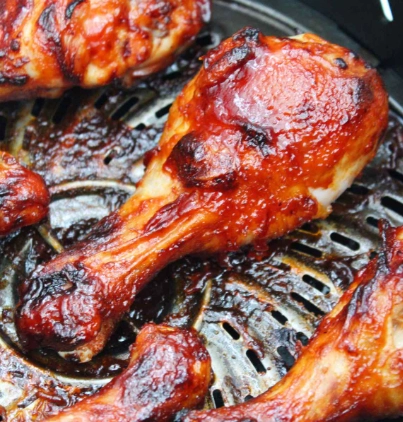
That's it. Pull them out, let them rest for 5 minutes (the juices redistribute), and serve.
Sauce Secrets & Flavor Twists
The sauce choice makes it yours. A sweet, sticky Kansas City-style sauce is classic. A vinegar-based Carolina sauce gives a tangy punch. I often mix two parts BBQ sauce with one part sugar-free apricot jam for a glossy, fruity glaze.
Want to skip the bottled stuff? Try this 2-minute hack: mix ¼ cup ketchup, 1 tbsp each of apple cider vinegar and brown sugar (or maple syrup), ½ tsp smoked paprika, and a pinch of garlic powder. It works in a pinch.
For a dry-rub-only option (amazing for wings), skip the wet sauce entirely. After cooking, toss the hot, crispy chicken in a bowl with another sprinkle of your dry rub. It creates an incredible savory crust.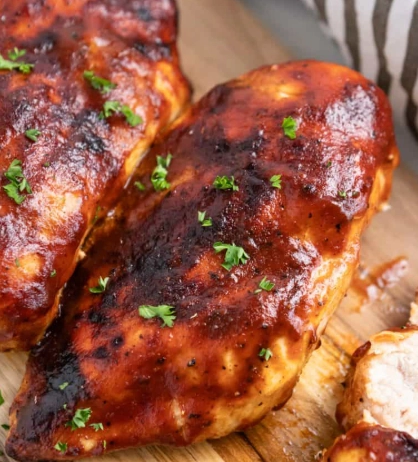
Expert Troubleshooting & Common Mistakes
I've made the mistakes so you don't have to.
Sauce burning? You added it too early. Sauce only in the last 10% of cooking time. If it's still burning, your air fryer's heating element might be too close. Try lowering the temp to 360°F for the glazing step.
Skin not crispy? You didn't pat the chicken dry, or you overcrowded the basket. Air needs to circulate. Cook in batches if needed.
Chicken breasts are dry? You overcooked them. Breast meat has less fat. Pull them at 160°F (71°C)—the carryover heat will bring them to 165°F. Slicing them against the grain after resting also helps a lot with tenderness.
Smoke alarm going off? This usually happens from fat dripping onto the heating element. Make sure your air fryer is clean, and if your model has one, use the drip tray. A small piece of bread or a bit of water in the bottom drawer can also catch drips.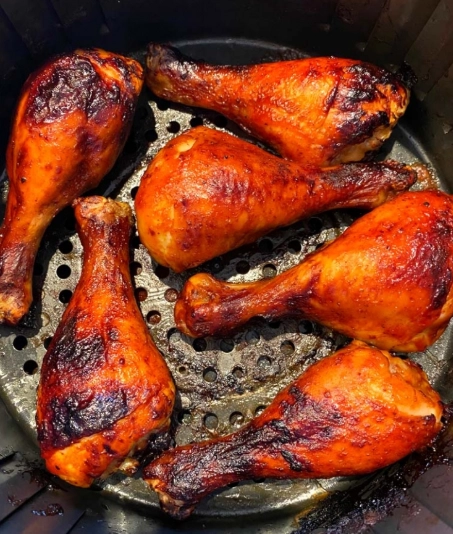
Reader Comments