Let’s get straight to the point: healthy snack bars can save your day when hunger strikes, but most store-bought options are loaded with hidden sugars and empty calories. I’ve spent years testing brands and making my own, and here’s the truth—it’s easy to get it wrong. This guide will show you how to pick the best bars or whip up your own with simple, nutritious recipes.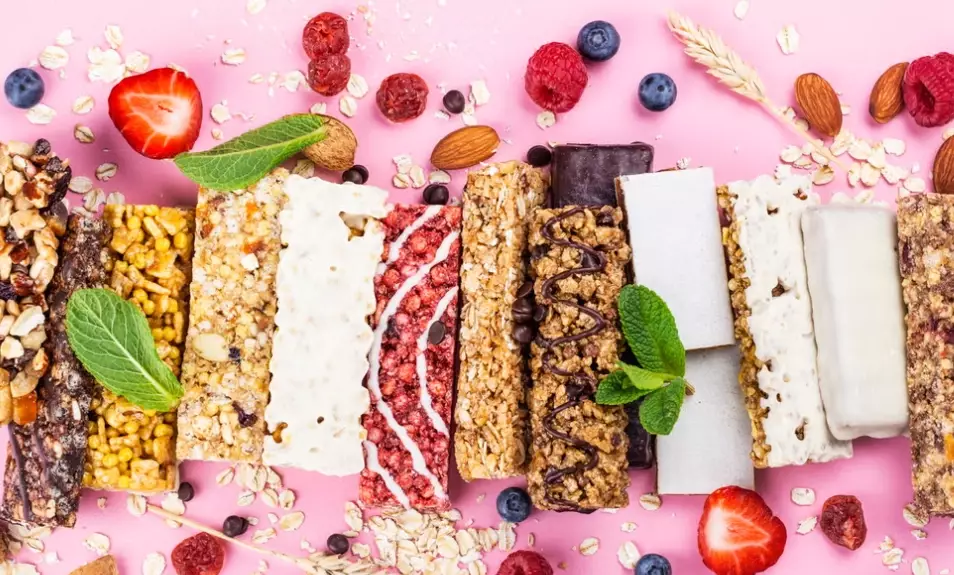
Jump to What Matters
What Makes a Snack Bar Truly Healthy?
You see “healthy” on labels all the time, but what does it mean? A real healthy snack bar should give you sustained energy, not a sugar crash. Think whole ingredients like oats, nuts, seeds, and natural sweeteners—not a list of chemicals. I remember buying a popular bar that boasted “organic” on the front, only to find it had 20 grams of sugar per serving. That’s almost as much as a candy bar!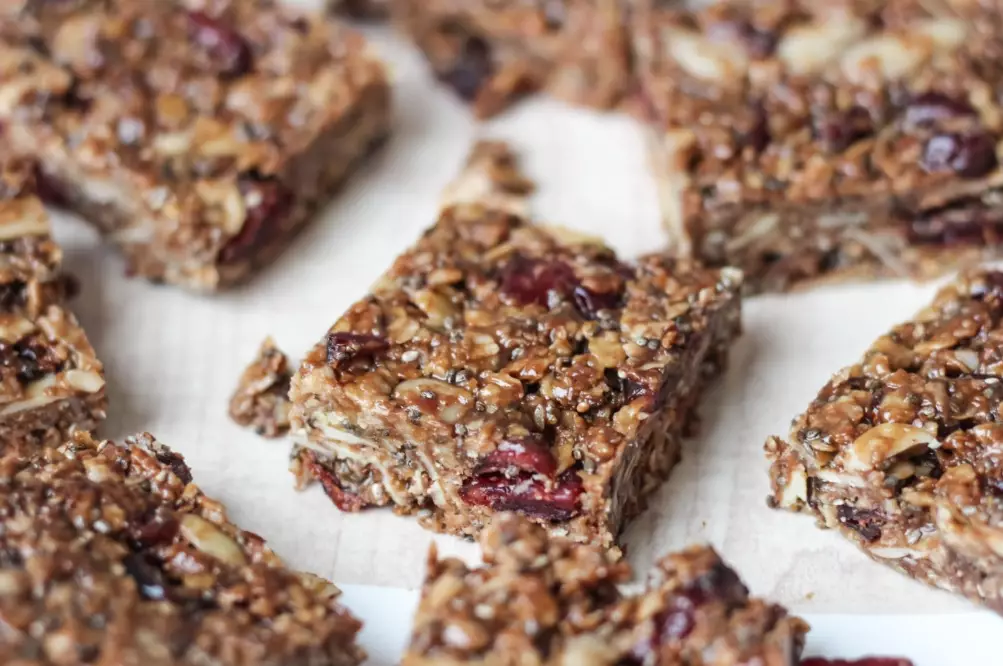
The Nutritional Benefits You Actually Want
Good bars provide fiber, protein, and healthy fats. Fiber keeps you full, protein repairs muscles, and fats support brain function. According to the Dietary Guidelines for Americans, adults should aim for 25-30 grams of fiber daily, but most of us fall short. A decent snack bar can offer 3-5 grams, helping bridge that gap.
Common Misconceptions That Trip People Up
“Low-fat” doesn’t mean healthy—often, fat is replaced with sugar. And “gluten-free” isn’t automatically nutritious; it might just use rice flour with little fiber. I’ve seen friends pay premium prices for bars that are basically glorified cookies.
How to Choose Healthy Snack Bars: A Buyer’s Checklist
Don’t trust the front of the package. Flip it over and scan the ingredients. Here’s a quick table to compare what to look for:
| Ingredient to Check | What’s Good | What to Avoid |
|---|---|---|
| Sugar | Less than 8g per bar, from dates or honey | High-fructose corn syrup, maltose, or sugars listed in top 3 ingredients |
| Fiber | At least 3g per bar | Less than 2g, often from isolated fibers like chicory root |
| Protein | 5-10g from nuts, seeds, or pea protein | Soy protein isolate as main source (can cause bloating for some) |
| Fats | Unsaturated fats from almonds or chia seeds | Trans fats or hydrogenated oils |
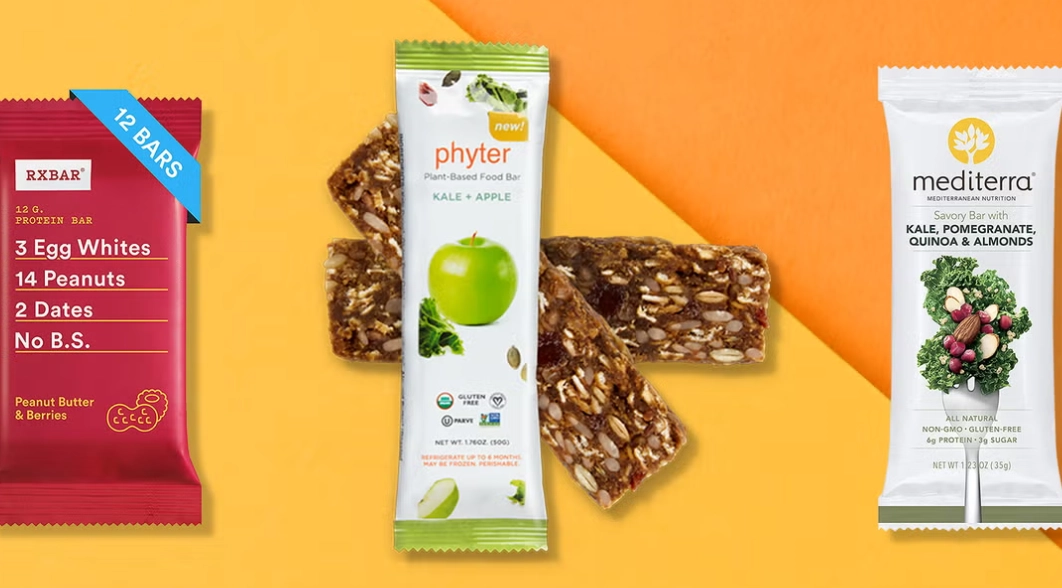
When shopping, I stick to brands like KIND or RXBAR because they keep ingredients simple. But even then, check the flavors—some “fruit” versions have added sugars. A report from Harvard Health Publishing notes that excessive added sugar is linked to obesity and heart disease, so it’s worth being picky.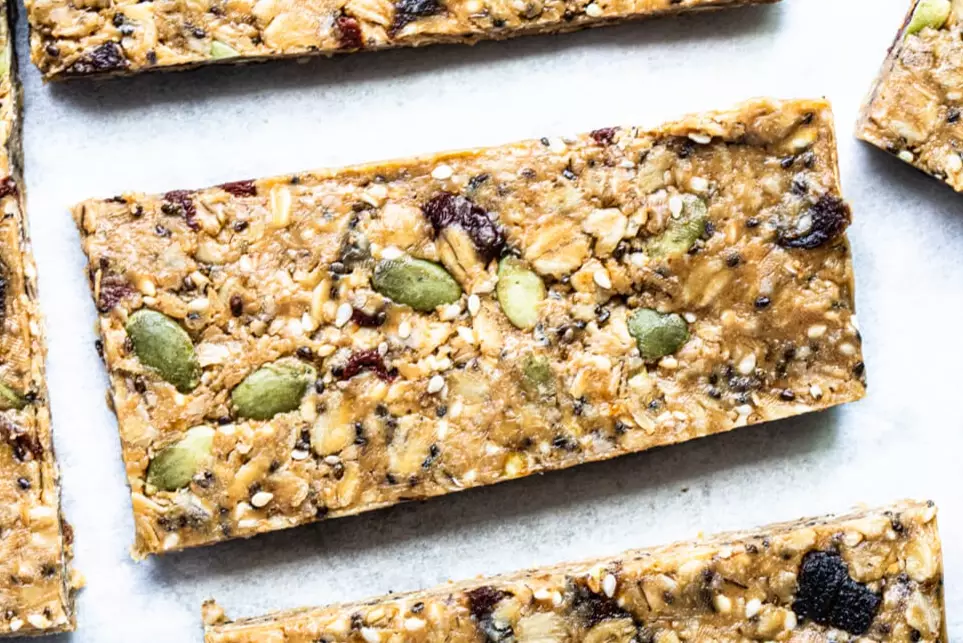
Pro tip: If the ingredient list reads like a science experiment, put it back. Whole foods should come first.
DIY Healthy Snack Bars: No-Fuss Recipes You’ll Love
Making your own is cheaper, customizable, and you control what goes in. I started because my kid has nut allergies, and store options were limited. Here are two recipes I rely on—one no-bake, one baked.
No-Bake Energy Bars (Ready in 15 Minutes)
This is my go-to for busy weeks. You need:
- 1 cup rolled oats (gluten-free if needed)
- 1/2 cup almond butter (or sunflower seed butter for nut-free)
- 1/4 cup honey or maple syrup
- 1/4 cup chia seeds
- 1/2 cup dried cranberries (unsweetened)
- A pinch of salt
Mix everything in a bowl until sticky. Press into a lined pan, chill for an hour, then cut into bars. That’s it. They last a week in the fridge. I’ve swapped cranberries for dark chocolate chips when I need a treat—still way better than most commercial bars.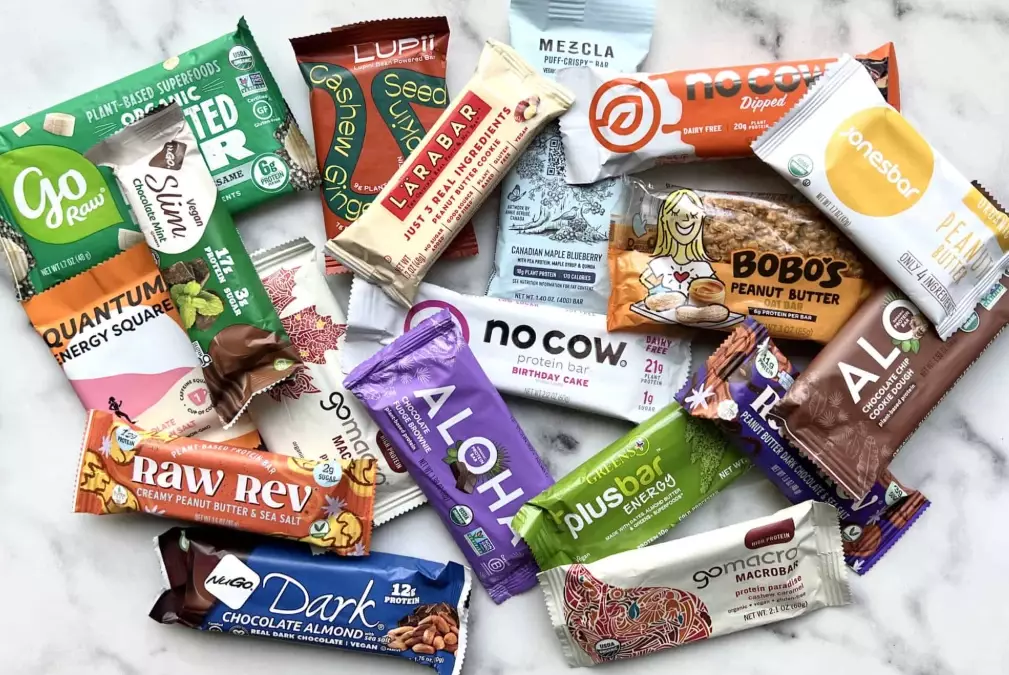
Baked Granola Bars for Crunch Lovers
If you prefer a crispy texture, try this. Preheat oven to 350°F (175°C). Combine 2 cups oats, 1/2 cup chopped walnuts, 1/4 cup flaxseeds, 1/3 cup coconut oil (melted), and 1/4 cup brown rice syrup. Spread on a baking sheet, bake for 20 minutes until golden. Let cool before breaking into pieces. These are perfect for hiking trips—I pack them instead of expensive trail mixes.
Experiment with add-ins like pumpkin seeds or cocoa powder. The beauty of homemade is you can adjust sweetness; I often reduce honey by half and don’t miss it.
Expert Tips and Common Mistakes (From My Kitchen Fails)
After years of trial and error, here’s what most guides don’t tell you. First, don’t over-process ingredients. I once blended dates too much, and the bars turned gooey. Pulse just enough to bind. Second, storage matters. Keep homemade bars in an airtight container—they can get moldy if left out humid areas. Third, “natural” sweeteners like agave can spike blood sugar too; dates are a better choice for fiber.
A subtle mistake? Using too many dry ingredients without enough binder. Your bars will crumble. Add an extra tablespoon of nut butter if the mix seems loose. Also, for store-bought, don’t fall for “protein-packed” claims without checking sugar. Some bars have 30g of protein but also 20g of sugar—that’s a dessert, not a snack.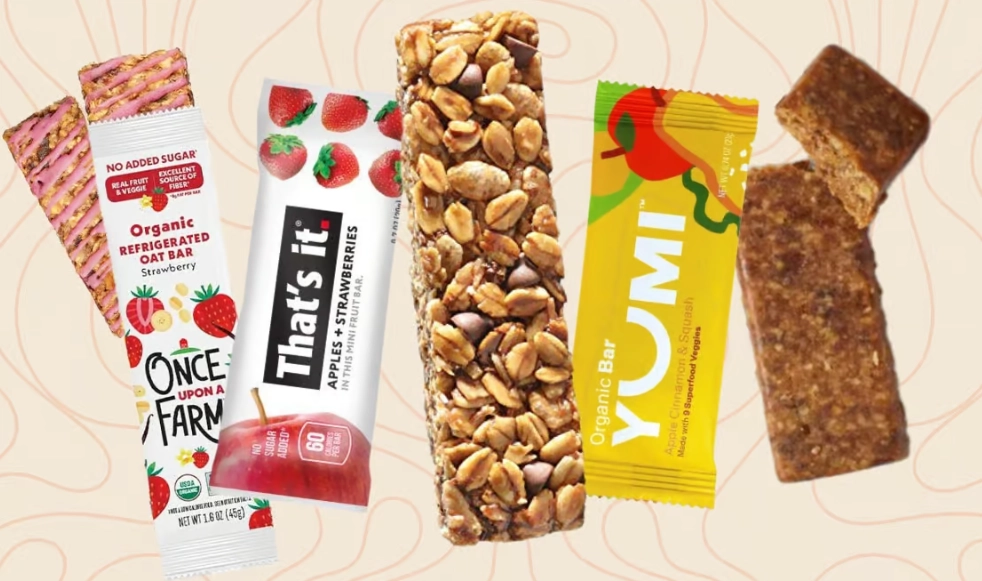
Your Burning Questions Answered
 Are homemade snack bars cheaper than buying them?
Reader Comments