If you've ever searched for a reliable recipe for shredded chicken, you know the frustration: dry, stringy meat that ruins your tacos or salads. I've been there—years ago, I served bland shredded chicken at a party, and it was a disaster. But after testing countless methods, I've nailed a foolproof approach that delivers tender, flavorful results every time. This guide dives deep into the art of making shredded chicken, covering everything from basic techniques to expert secrets you won't find in generic blogs.
Jump to What You Need
Why Shredded Chicken Is a Kitchen Superstar
Shredded chicken isn't just a recipe—it's a versatile base for dozens of meals. Think about it: you can toss it into salads, stuff it into tacos, layer it in sandwiches, or mix it into soups. It's a time-saver for busy weeknights, and it freezes beautifully for meal prep. According to the USDA, chicken is a lean protein source, making it a healthy choice for balanced diets. But here's the kicker: most people mess it up by overcooking or using the wrong cut. I'll show you how to get it right.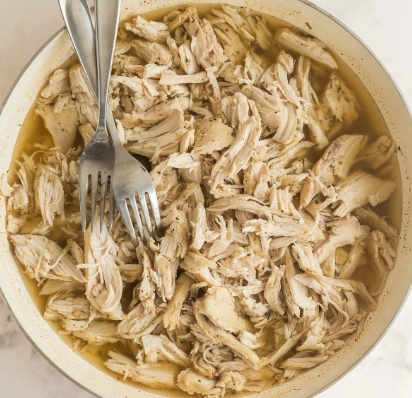
My go-to use? A quick chicken salad with Greek yogurt and celery. It beats store-bought versions any day.
Ingredients and Tools That Actually Matter
You don't need fancy gear, but a few items make a difference. Let's break it down.
Essential Ingredients: Start with bone-in, skin-on chicken thighs or breasts. Why? Bones and skin add flavor during cooking, keeping the meat moist. Boneless skinless breasts work too, but they're prone to drying out—I'll explain how to prevent that. For seasoning, kosher salt, black pepper, and a splash of olive oil are basics. Add aromatics like garlic, onion, or herbs for extra depth.
Tools You'll Need:
- A large pot or Dutch oven for boiling or simmering.
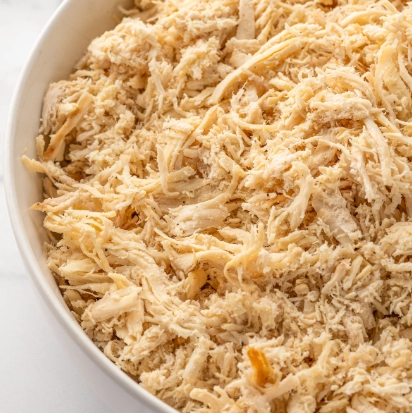
- Two forks or meat claws for shredding—meat claws are a game-changer for large batches.
- A meat thermometer to check doneness without guesswork. The safe internal temperature for chicken is 165°F (74°C), as per Food Safety guidelines.
Skip the stand mixer method some blogs recommend; it can over-shred the chicken into mush. Trust me, I tried it once and ended up with paste.
Step-by-Step Method for Perfect Shredded Chicken
Here's my tried-and-true process. It focuses on poaching, which I find yields the juiciest results.
Prep the Chicken
Rinse 2 pounds of chicken pieces under cold water and pat dry. Season generously with salt and pepper. If using breasts, consider brining them in saltwater for 30 minutes—it locks in moisture. I learned this from a chef friend, and it's a game-changer for avoiding dryness.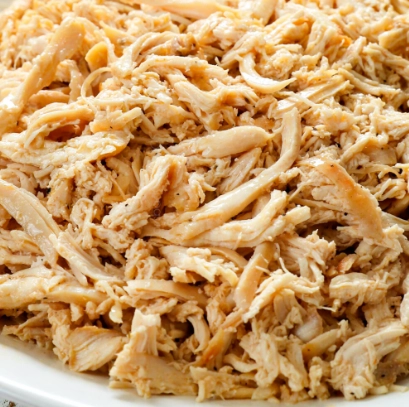
Cooking Method: Poaching
In a pot, add chicken, enough water to cover, and aromatics like a quartered onion, a few garlic cloves, and a bay leaf. Bring to a simmer over medium heat—don't boil aggressively, or the meat toughens. Cook for 20-25 minutes for breasts, 30-35 minutes for thighs, until the thermometer reads 165°F.
Let the chicken rest in the broth for 10 minutes after cooking. This step is crucial; it allows juices to redistribute. I used to skip it, and the chicken tasted bland.
Shredding Technique
Remove chicken, discard skin and bones if using, and place on a cutting board. Use two forks to pull the meat apart along the grain. For larger shreds, go with the grain; for finer shreds, against it. If you're in a hurry, shred directly in the pot with meat claws—it's messy but efficient.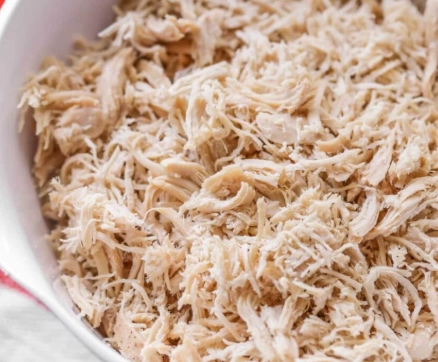
Watch out: Don't shred while the chicken is piping hot. It'll burn your hands and mash the texture. Let it cool slightly.
Common Mistakes and How to Avoid Them
Most shredded chicken fails come from a few avoidable errors. Here's a table summarizing them, based on my experience and feedback from cooking forums.
| Mistake | Why It Happens | How to Fix It |
|---|---|---|
| Overcooking | Leaving chicken in boiling water too long | Use a thermometer and simmer, don't boil |
| Underseasoning | Not salting the cooking liquid | Salt the water like pasta water |
| Shredding too early | Impatient handling | Let chicken rest for 10 minutes first |
| Using lean cuts only | Sticking to boneless skinless breasts | Mix in thighs or use bone-in pieces |
A non-consensus tip: many recipes say to boil chicken, but that's a surefire way to get rubbery meat. Simmering is key. Also, avoid shredding with a mixer—it destroys the texture, making it mushy. I see this advice online, but it's terrible for quality.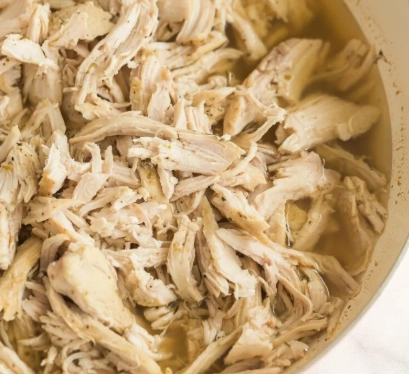
Recipe Variations and Creative Uses
Once you've mastered the basic recipe for shredded chicken, experiment with flavors. Here are some ideas:
- Mexican-style: Add cumin, chili powder, and lime juice to the cooking liquid. Perfect for tacos or burrito bowls.
- Asian-inspired: Poach with ginger, soy sauce, and star anise. Use in lettuce wraps or noodle soups.
- BBQ shredded chicken: Toss cooked shreds with your favorite barbecue sauce and heat through. Great for sandwiches.
For a quick dinner, I often make a shredded chicken pasta: sauté garlic in olive oil, add shreds, toss with cooked pasta and a splash of pasta water. It's ready in 15 minutes.
Consider batch-cooking: double the recipe and freeze portions. It saves time on busy nights.
Storage and Meal Prep Strategies
Shredded chicken is a meal prep champion. Store it in an airtight container in the fridge for up to 4 days. For longer storage, freeze it in portion-sized bags for up to 3 months. Thaw overnight in the fridge before use.
Pro tip: Freeze chicken in its cooking broth to prevent freezer burn. When reheating, add a splash of broth or water to keep it moist. I've found that microwaving without liquid dries it out fast.
If you're into meal prep, dedicate an hour on Sunday to make a big batch. Use it throughout the week for salads, wraps, or casseroles. It cuts down cooking time significantly.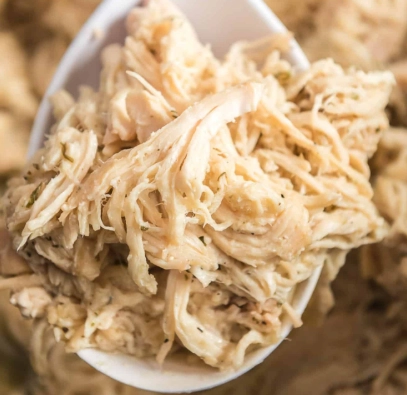
Your Shredded Chicken Questions Answered
That wraps up this deep dive into the recipe for shredded chicken. Remember, the key is patience and attention to detail. Start with quality ingredients, cook gently, and don't rush the shredding. With these tips, you'll have tender, juicy chicken ready for any meal. Happy cooking!
Reader Comments