Let's be honest. We've all been there. You follow a recipe for shredded chicken, and it comes out stringy, dry, and tastes like cardboard. You end up drowning it in sauce just to make it edible. The search "how do you cook chicken to be shredded" isn't just about technique; it's a quest for juicy, flavorful, versatile protein that doesn't ruin your tacos, salads, or casseroles.
After cooking professionally and at home for more years than I care to count, I've shredded enough chicken to fill a small swimming pool. I've made every mistake so you don't have to. The secret isn't one magic method. It's understanding the science of muscle fibers and moisture, then picking the right tool for your goal—whether that's a hands-off weeknight dinner or prepping lunches for the whole family.
What's Inside This Guide?
- Why Chicken Breast Gets Dry (And How to Stop It)
- The 4 Best Methods for Shredding Chicken Compared
- Step-by-Step: The Poaching Method (My Go-To)
- Slow Cooker Chicken for Shredding Perfection
- Baking Chicken for Shredding: The Oven Method
- The Instant Pot / Pressure Cooker Method
- How to Shred Chicken Properly (Tools & Tips)
- Storing and Using Your Shredded Chicken
- Your Shredded Chicken Questions Answered
Why Chicken Breast Gets Dry (And How to Stop It)
Chicken breast is lean. It's about 70% water and 30% protein. When you heat it, the proteins tighten and squeeze out that water. Cook it too hot or too long, and you've got a dry, tough sponge. The goal for shredding is to gently cook it just to the safe temperature of 165°F (74°C), where it's still holding maximum moisture.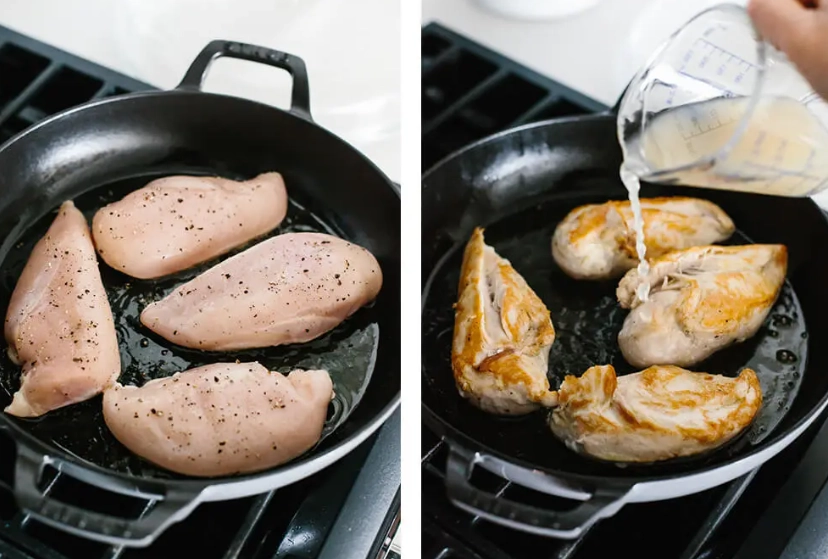
The biggest mistake I see? People cook by time, not temperature. One extra minute in boiling water or a hot oven can be the difference between juicy and jerky.
Pro Tip You Won't Hear Often: Don't start with cold chicken straight from the fridge. Let it sit on the counter for 15-20 minutes. A more even starting temperature helps it cook more uniformly, reducing the chance of dry edges and undercooked centers.
The 4 Best Methods for Shredding Chicken Compared
Here’s the breakdown. Your choice depends on your time, tools, and desired flavor intensity.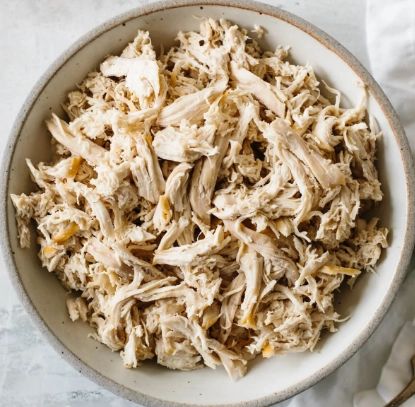
| Method | Best For | Time (Active/Total) | Flavor & Texture Outcome |
|---|---|---|---|
| Poaching / Simmering | Pure, neutral chicken for any recipe; maximum juiciness control. | 5 mins / 20-25 mins | Very moist, tender, clean flavor. Perfect for salads, soups, chicken salad. |
| Slow Cooker | Hands-off cooking; infusing deep flavor; cooking from frozen. | 10 mins / 4-6 hrs | Fall-apart tender, can be softer. Excellent for tacos, BBQ chicken, enchiladas. |
| Baking | Getting a slight browning (Maillard reaction); cooking large batches. | 5 mins / 25-35 mins | Firmer shred, slightly denser. Good for casseroles, meal prep containers. |
| Instant Pot | Speed. Getting juicy shredded chicken in under 30 minutes total. | 5 mins / 15-20 mins | Very tender, similar to slow cooker but faster. Great under time pressure. |
See? No single "best" way. Need chicken for chicken salad tonight? Poach. Want to wake up to taco meat? Slow cooker. Forgot to thaw anything? Instant Pot.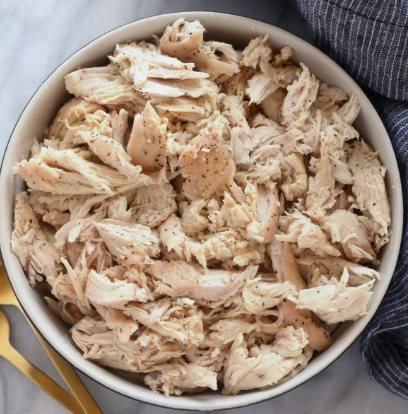
Step-by-Step: The Poaching Method (My Go-To)
This is my default. It’s fast, clean, and gives you perfect control. You also get a bonus: flavorful poaching liquid you can use as a light stock.
Here’s exactly what I do for 1.5 lbs of boneless, skinless chicken breasts:
- In a pot just wide enough to fit the chicken in a single layer, combine 4-5 cups of water or low-sodium broth, a quartered onion, a chopped carrot, a stalk of celery, a bay leaf, 5 peppercorns, and a big pinch of salt.
- Bring it to a gentle simmer over medium heat—tiny bubbles, not a rolling boil. A violent boil will toughen the protein.
- Slide in the chicken. The liquid should just cover it. Add more water if needed.
- Immediately reduce the heat to low. You want to maintain that bare simmer.
- Set a timer for 10 minutes. After 10, check the thickest piece with an instant-read thermometer. You’re aiming for 160°F (71°C). It will carry over to 165°F as it rests.
- The second it hits 160°F, turn off the heat. Remove the pot from the burner if you have an electric stove.
- Let the chicken sit in the hot liquid for 10 more minutes. This is the "passive cooking" that ensures doneness without overcooking.
- Remove, let it cool slightly, then shred.
That last step—letting it rest in the hot liquid—is the game-changer most recipes skip.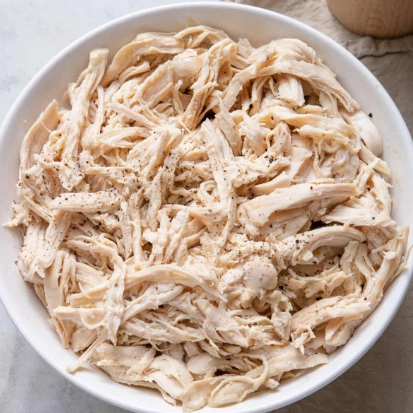
Slow Cooker Chicken for Shredding Perfection
The slow cooker is forgiving, but you can still mess it up. The key is moisture and not overdoing it.
My Go-To Slow Cooker Formula:
For 2 lbs of chicken (breasts or thighs): Place chicken in the slow cooker. Add 1/2 cup of liquid (broth, salsa, BBQ sauce mixed with a little vinegar). Scatter aromatics (onion, garlic). Cook on LOW for 4-5 hours or HIGH for 2-3 hours.
Yes, that's less liquid than you think. The chicken releases its own juices. Too much liquid and you're boiling, not slow-cooking.
Critical check: Start checking an hour before the low end of the time range. The chicken is done when it reaches 165°F internally and shreds easily with a fork. If you let it go for 8 hours on low "to be safe," it will be mushy.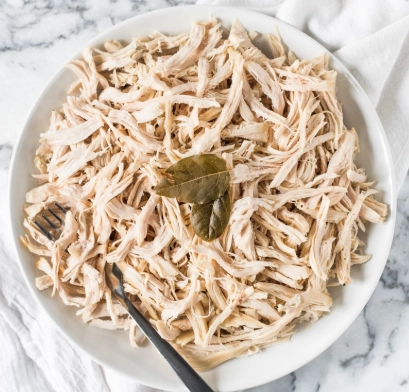
Baking Chicken for Shredding: The Oven Method
Baking is great for large batches. To prevent dryness, you need to create a steamy environment.
Preheat your oven to 375°F (190°C). Place chicken breasts in a baking dish. Pour in about 1/4 inch of broth or water. Cover the dish tightly with foil. Bake for 25-30 minutes, until 160°F internally. Let it rest, covered, for 10 minutes before shredding. The foil trap is non-negotiable.
The Instant Pot / Pressure Cooker Method
Speed without sacrifice. For fresh or frozen chicken breasts, add 1 cup of liquid (water, broth) to the pot. Place chicken on the trivet or directly in the liquid. For fresh: High pressure for 6-8 minutes. For frozen: High pressure for 10-12 minutes. Let the pressure release naturally for 5 minutes, then quick release the rest. Check temp, shred.
The natural release is part of the cooking process. A quick release can make the meat seize up a bit.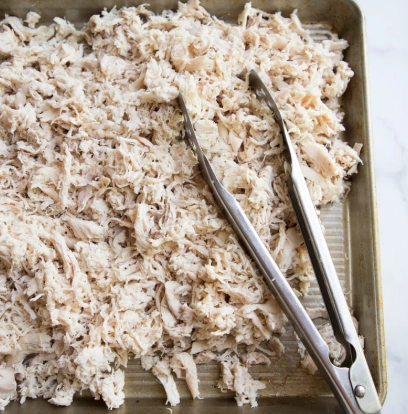
How to Shred Chicken Properly (Tools & Tips)
Let the chicken cool until you can handle it—warm chicken shreds more easily than cold. You have options:
- Two Forks: The classic. Hold one fork steady and use the other to pull the meat apart. It works but is slow for large batches.
- Stand Mixer: My secret weapon for big meal prep. Put slightly cooled chicken in the bowl of a stand mixer fitted with the paddle attachment. Mix on low speed for 30-45 seconds. Perfect, consistent shreds in seconds. Seriously, it's a revelation.
- Hand Mixer: Same principle as the stand mixer, just use a deep bowl to avoid flying chicken.
Don't use a food processor. It will turn your chicken into a paste.
Storing and Using Your Shredded Chicken
Let the shredded chicken cool completely before storing. Pack it into airtight containers. It will keep in the fridge for 3-4 days. For longer storage, freeze it flat in freezer bags (squeeze out air) for up to 3 months. Thaw in the fridge overnight.
Usage ideas? Beyond tacos and salads, mix it into scrambled eggs, add it to fried rice, stir it into mac and cheese, top a baked potato, or make quick chicken chili. It’s your weekly kitchen workhorse.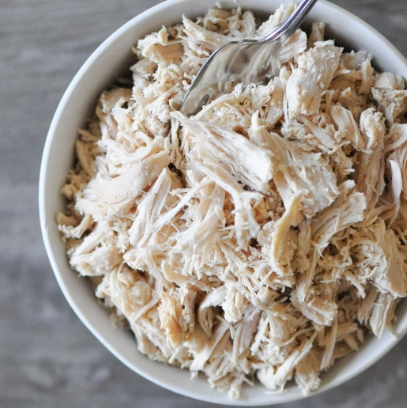
Reader Comments