Let's be honest. The idea of a hot, satisfying breakfast sandwich is amazing. The reality of making one on a Tuesday morning before work? Usually a disaster. You're scrambling for eggs, burning bacon, and toasting bread while trying not to spill coffee on your shirt. The drive-thru line looks tempting, but you know it's expensive and often not that healthy.
That's where breakfast sandwich meal prep comes in. It's not just about saving money, though you will. It's about reclaiming your mornings. Imagine opening your freezer, pulling out a perfectly wrapped package, and in 3 minutes flat, you're eating a hot, homemade sandwich that tastes better than anything you could buy. No stress, no mess, no last-minute decisions.
I've been doing this for years, both for myself and my family. I've made every mistake possible—soggy bread, rubbery eggs, flavorless sandwiches that made me wish I'd just had cereal. Through trial and error, I've nailed down a system that works. This guide will walk you through the exact steps, from assembly to freezing to reheating, so you can have a week's worth of delicious breakfasts ready in about an hour.
What's Inside This Guide
Why This Method Actually Works (And Common Pitfalls)
Most people think meal prepping breakfast sandwiches is simple: cook everything, stack it, freeze it. That's how you end up with a sad, damp mess. The secret isn't in the cooking—it's in the moisture management and structural integrity.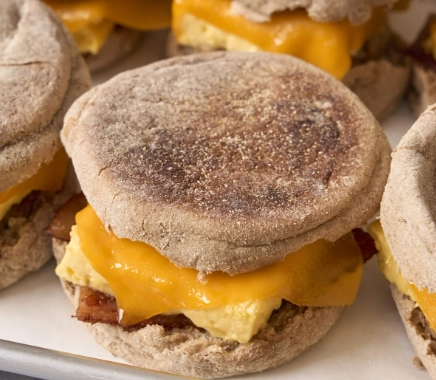
The biggest mistake? Assembling the sandwich while ingredients are still warm. Steam gets trapped, turns to ice crystals in the freezer, and then becomes water when reheated, making your bread or English muffin a soggy sponge. You need everything to cool completely to room temperature before you even think about wrapping.
Another pitfall is using the wrong bread. Super soft, airy white bread falls apart. You need something with a bit more substance—English muffins, ciabatta rolls, whole wheat sandwich thins, or sturdy sourdough slices hold up much better to freezing and reheating.
How to Assemble the Perfect Meal Prep Sandwich
Think of this like a factory line. You'll work faster, cleaner, and more efficiently if you prepare all components separately first.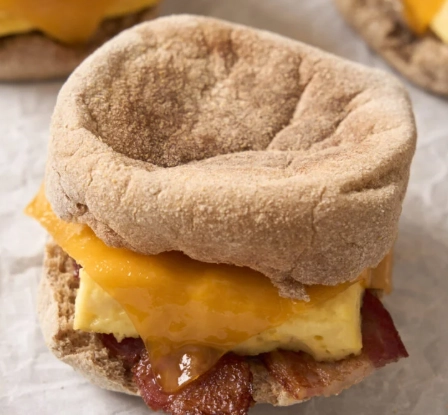
The Foundation: Bread & Carb Choices
Your base needs to be freezer-friendly. Here’s a quick breakdown:
| Bread Type | Freezing/Reheating Notes | Best For |
|---|---|---|
| English Muffins | Gold standard. Nooks and crannies hold up, toast beautifully from frozen. | Classic egg & cheese, sausage patties. |
| Whole Wheat Sandwich Thins | Light, toasts quickly, lower carb option. | Healthier builds, turkey sausage. |
| Ciabatta or Kaiser Rolls | Sturdy, great for heartier fillings. Can get a bit chewy if not reheated properly. | Bacon, avocado (add fresh), multiple eggs. |
| Frozen Pancakes or Waffles | Yes, really! A sweet and savory twist. Reheat in toaster. | Chicken sausage, maple-flavored sausage. |
Lightly toast your bread choice before assembly. This is non-negotiable. It creates a protective layer against moisture.
The Protein: Eggs, Meat, and Alternatives
For eggs: The sheet pan method is a game-changer. Scramble a dozen eggs with a splash of milk, salt, and pepper. Pour into a parchment-lined sheet pan and bake at 350°F (175°C) for 15-20 minutes until set. Let cool, then use a round cookie cutter or glass to cut perfect egg rounds that fit your bread. This beats frying individual eggs for a crowd.
For sausage/bacon: Bake them on a wire rack over a sheet pan. It cooks evenly, drains fat away, and is hands-off. For sausage, pre-formed patties are your friend. Let all meat cool completely on a paper towel-lined plate to drain excess grease.
Vegetarian? Firm tofu scramble (pressed and seasoned well) or a thick veggie burger patty works great.
The Glue: Cheese, Spreads, and Veggies
Cheese is your structural ally and flavor booster. Sliced cheddar, provolone, Swiss, or pepper jack melt reliably. Avoid pre-shredded cheese if you can—it has anti-caking agents that can make melting grainy.
Spreads like mayonnaise, pesto, or mustard can be applied thinly to the bread. For wetter items like salsa or fresh tomato, add them after reheating. This is a rule I learned the hard way. Frozen then reheated tomato turns into a watery, mealy disaster.
The Right Way to Freeze and Reheat (This is Critical)
This is where most guides are too vague. The wrong wrap leads to freezer burn. The wrong reheat leads to disappointment.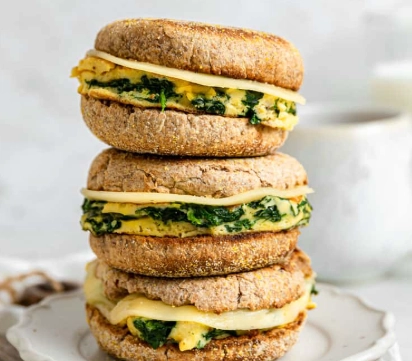
Step 1: The Cool Down. After cooking, spread all components—eggs, meat, toasted bread—on a baking sheet. Don't stack them. Let them sit for 20-30 minutes until no warmth remains. This step prevents condensation inside the wrap.
Step 2: The Assembly Line. Lay out your toasted bread bottoms. Add cheese first (touching the bread), then your protein, then the egg round. Top with the other bread piece. Press gently.
Step 3: The Wrap. First, wrap each sandwich tightly in parchment paper. This creates a non-stick barrier. Then, place the parchment-wrapped sandwich into a labeled freezer bag (I use gallon-sized bags, 4-5 per bag). Squeeze out as much air as possible before sealing. You can also use aluminum foil, but parchment makes the toaster/oven reheat easier.
Step 4: Reheating Methods (Ranked Best to Worst):
1. Toaster Oven/Air Fryer (Best): Unwrap from the freezer bag, keep the parchment on. Place directly on the rack. 350°F (175°C) for 20-25 minutes. The parchment keeps it contained while allowing hot air to circulate for an even, crispy result.
2. Conventional Oven: Same as above, but may take 25-30 minutes.
3. Microwave (Fastest, Riskiest): Remove all wrapping. Place on a microwave-safe plate with a paper towel underneath. Heat for 1 minute, flip, heat another 45-60 seconds. This can make the bread a bit chewy, but it's fast. A 30-second blast in a toaster after microwaving can help crisp it up.
Never reheat from frozen in a skillet—the outside will burn before the middle is warm.
A Sample Weekly Meal Prep Plan & Recipes
Here’s exactly what I might prep on a Sunday afternoon for a week of varied breakfasts. Total active time: about 60 minutes.
The Setup: Preheat oven to 375°F (190°C). You'll use the oven for everything.
1. The Classic Sausage, Egg & Cheddar (Makes 4)
Components: 4 whole wheat English muffins (toasted), 4 cooked sausage patties (I like Applegate Farms), 4 baked egg rounds, 4 slices sharp cheddar.
Assembly: Muffin bottom + cheddar + sausage + egg + muffin top.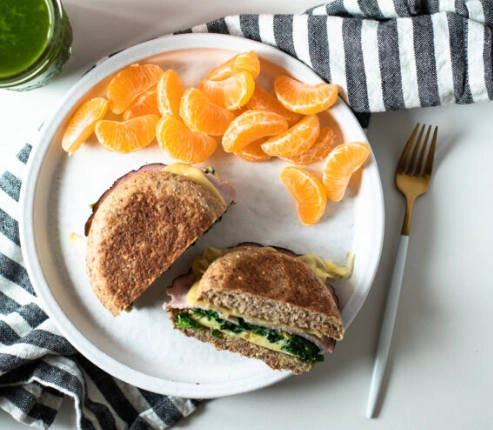
2. The Veggie-Packed Spinach & Feta (Makes 4)
Components: 4 ciabatta rolls (toasted), 1 sheet pan baked egg (scramble 8 eggs with 2 cups chopped fresh spinach and 1/2 cup crumbled feta before baking), 4 slices of tomato (to add fresh).
Assembly: Roll bottom + a thin smear of pesto + egg/spinach/feta square + roll top. Add tomato slice when eating.
3. The Canadian Bacon & Swiss (Makes 4)
Components: 4 plain English muffins (toasted), 8 slices Canadian bacon, 4 baked egg rounds, 4 slices Swiss cheese, mustard.
Assembly: Muffin bottom + thin spread of mustard + Swiss cheese + 2 slices Canadian bacon + egg + muffin top.
Cool all components, assemble, wrap in parchment, bag, and freeze. You now have 12 breakfasts ready to go.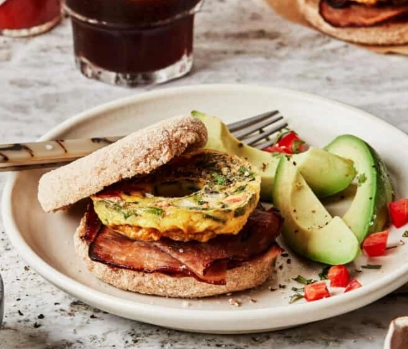
Your Breakfast Sandwich Questions, Answered
How do I prevent my meal prep breakfast sandwiches from getting a soggy bottom when I reheat them?
What's the best cheese for freezing and reheating in these sandwiches?
Can I use real bacon, and how do I keep it from getting rubbery after freezing?
How long do homemade frozen breakfast sandwiches last in the freezer?
I'm cooking for one. Isn't it wasteful to heat my whole oven for a small batch?
The beauty of breakfast sandwich meal prep is in its simplicity and the profound impact it has on your daily routine. It turns the most chaotic part of the day into a calm, predictable moment. You save money, eat better, and start your day with a win. Grab some parchment paper this weekend and give it a try. Your future self, sipping coffee while your breakfast reheats, will thank you.
Reader Comments