Let's be honest. Mornings are chaotic. The last thing you want is a complicated breakfast that dirties every pan in the kitchen. That's where the breakfast wrap comes in—it's the unsung hero of quick, satisfying, and portable morning meals. It's not just a burrito for breakfast; it's a blank canvas. You can pack it with protein, sneak in veggies, and tailor it to any diet, all wrapped up in a neat, handheld package. Forget the soggy, overpriced versions from drive-thrus. Making a killer breakfast wrap at home is simpler than you think, and I'm going to show you exactly how, step-by-step.
What's Inside?
Why Breakfast Wraps Beat Everything Else
I've been making these for years, first out of necessity (rushing to class), now out of genuine preference. A bowl of oatmeal can't compete when you're running out the door. Toast gets cold. Cereal isn't exactly filling. A well-made breakfast wrap solves all that.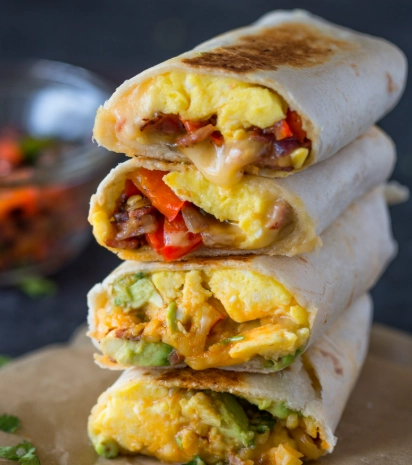
Portability is the obvious win. You can eat it with one hand while driving (safely, please), on the train, or at your desk. But the real magic is in the customization and nutrient density. You control what goes in. Need 30 grams of protein? Load it up with eggs and turkey. Watching carbs? Use a low-carb tortilla or lettuce. Trying to eat more greens? Spinach and peppers blend right in.
They're also a fantastic meal prep tool. Spend 30 minutes on a Sunday assembling a batch, and you've got breakfast sorted for the week. No more morning decisions or temptation to skip the most important meal of the day.
The 4 Essential Components of a Great Wrap
Think of building a breakfast wrap like building a house. You need a solid foundation and the right materials. Get one part wrong, and the whole thing can fall apart (sometimes literally).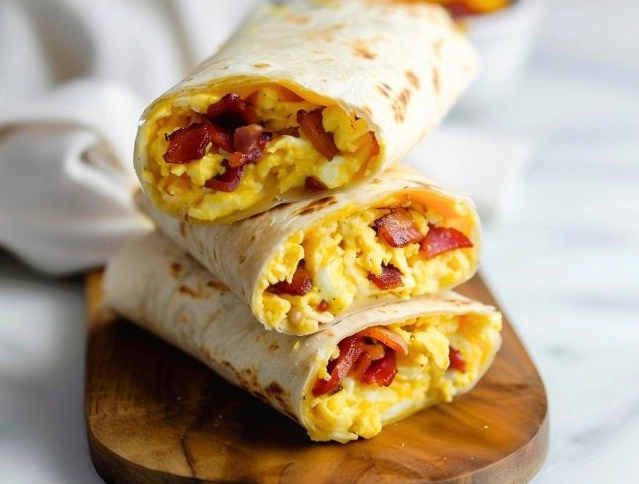
The Wrap Blueprint
1. The Vessel (The Tortilla/Wrap): This is non-negotiable. The wrong wrap ruins everything. You need something pliable but sturdy. Large burrito-size flour tortillas (10-inch) are the gold standard for beginners. For a healthier twist, look for whole wheat, spinach, or tomato-infused versions. If you're going low-carb, almond flour or coconut wraps work, but they can be more fragile—handle with care. A pro tip I learned the hard way: warm your tortilla before filling. 15 seconds in a dry skillet or microwave makes it flexible and less likely to crack.
2. The Binder (The "Glue"): This is what holds the fillings together and adds moisture. Scrambled eggs are the classic choice—they conform to any shape. But don't limit yourself. Mashed avocado, refried beans, a smear of cream cheese, or even a layer of hummus can act as a delicious glue that also adds flavor and healthy fats.
3. The Main Event (The Protein): This is what makes it filling. Scrambled eggs are a given, but consider boosting it. Cooked sausage crumbles, diced ham, crispy bacon, shredded chicken, or black beans are all fantastic. For a vegetarian punch, crumbled firm tofu or tempeh scrambled with turmeric works wonders.
4. The Flavor & Crunch (The Extras): Here's where personality comes in. Cheese (cheddar, pepper jack, feta), sautéed veggies (onions, bell peppers, mushrooms, spinach), fresh herbs, a dash of hot sauce, or a spoonful of salsa. The key is to balance wet and dry ingredients. Too many wet ingredients (like fresh tomatoes) can make the wrap soggy. If you must use them, pat them dry or add them sparingly.
How to Make a Breakfast Wrap: The Step-by-Step Method
Here’s my foolproof assembly line, refined after countless messy failures. Trust me, following this order matters.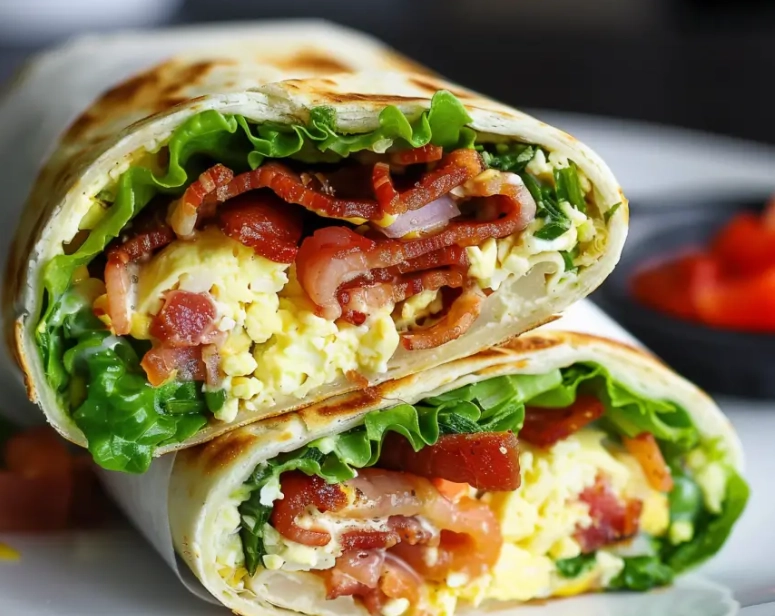
- Prep Everything First. Chop your veggies, cook your meat, scramble your eggs, grate your cheese. Have it all ready in bowls. The assembly goes fast once you start.
- Warm the Tortilla. Lightly toast it in a dry skillet over medium heat for about 15-20 seconds per side, just until soft and pliable. Alternatively, wrap it in a damp paper towel and microwave for 15 seconds.
- Apply the Binder. Place the warm tortilla on a cutting board or plate. Spread your binder (e.g., mashed avocado or a thin layer of cream cheese) over the center, leaving a 2-inch border clean on all sides. This creates a moisture barrier against the tortilla.
- Layer Strategically. Add your main protein (eggs, meat) in a horizontal line just below the center line of the tortilla. Top with cheese so it melts from the heat of the fillings. Then add your drier veggies (sautéed peppers, onions) and finally any delicate greens or fresh herbs.
- Fold, Don't Roll. This is the critical step everyone gets wrong. Bring the bottom edge up and over the fillings, tucking it snugly underneath them. Fold the left side inward, then the right side inward, creating an envelope. Now, roll it forward tightly from the bottom to the top. The initial tuck is what keeps everything locked inside.
- Toast to Seal (Optional but Recommended). Place the wrap seam-side down in your warm skillet. Cook for 2-3 minutes until golden and crisp, then carefully flip to toast the other side for 1-2 minutes. This melts the cheese, crisps the tortilla, and seals the seam.
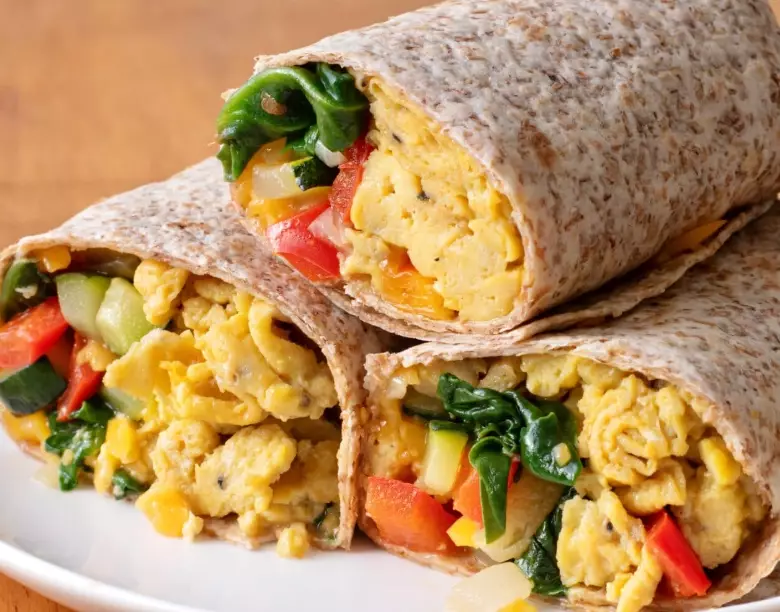
3 Can't-Miss Breakfast Wrap Recipes to Try
Let's move from theory to practice. Here are three rock-solid recipes that cover different tastes and dietary needs.
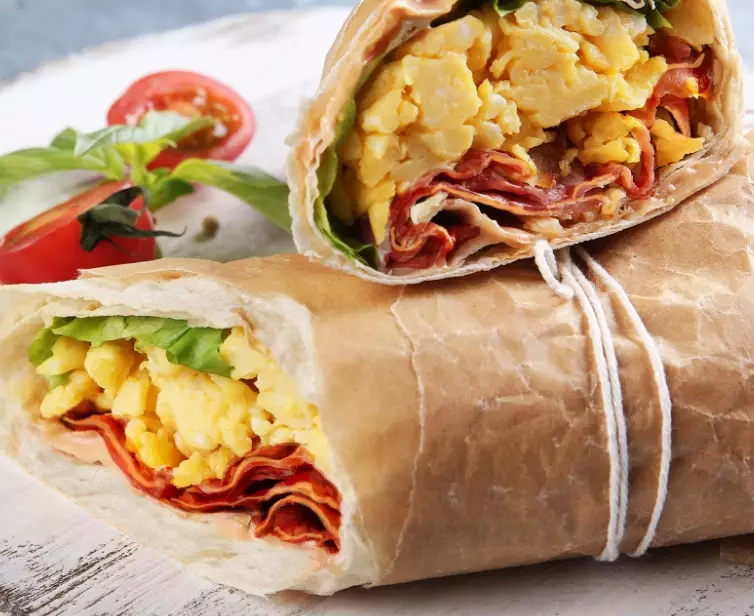
1. The Classic All-American
This is your diner-style wrap, perfected. It's hearty, cheesy, and universally loved.
- Vessel: 10-inch flour tortilla
- Binder: A thin layer of mayonnaise or mashed avocado
- Protein: 2 scrambled eggs, 2 strips of crispy bacon (crumbled)
- Flavor & Crunch: 1/4 cup shredded cheddar cheese, 2 tbsp diced onion (sautéed until soft), 1 tbsp chopped chives, dash of hot sauce
- Method: Assemble as per the step-by-step guide. The hot eggs will melt the cheese beautifully. Toast in the skillet until the bacon aroma fills your kitchen.
2. The Southwest Veggie Powerhouse
This one is packed with fiber and plant-based protein. It's fresh, slightly spicy, and will keep you full for hours.
- Vessel: Whole wheat or spinach tortilla
- Binder: 2 tbsp mashed black beans or a smear of light sour cream
- Protein: 2 scrambled eggs (or a 1/2 cup scramble of firm tofu)
- Flavor & Crunch: 1/4 cup corn kernels (thawed if frozen), 1/4 cup diced bell pepper (sautéed), 2 tbsp pepper jack cheese, 1 tbsp fresh cilantro, 1 tbsp salsa
- Method: Pat the corn and salsa-diced tomatoes dry with a paper towel to avoid sogginess. The pepper jack adds a nice kick.
3. The Make-Ahead Freezer Burrito
This is your meal prep champion. Make a batch, freeze them, and grab one on your way out.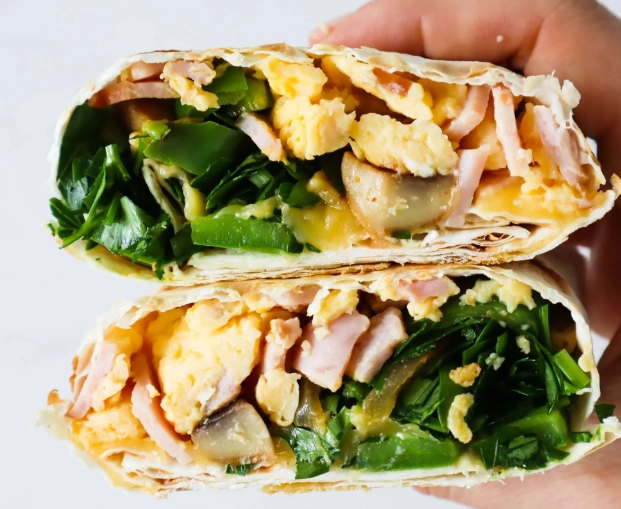
- Vessel: Large, sturdy flour tortilla
- Binder: 1/4 cup refried beans (canned, low-fat works fine)
- Protein: 1/2 cup cooked, seasoned ground turkey or beef
- Flavor & Crunch: 2 tbsp frozen hash browns (thawed and patted dry), 2 tbsp shredded Monterey Jack cheese, 1 tbsp diced green chiles
- Method: Assemble, roll tightly, wrap individually in parchment paper, then place in a freezer bag. To reheat: Remove parchment, wrap in a damp paper towel, and microwave for 2-3 minutes, flipping halfway. For best texture, finish in a toaster oven or air fryer for a few minutes to crisp up.
How to Store and Reheat Breakfast Wraps
If you're not eating it immediately, proper storage is the difference between a delicious next-day treat and a sad, rubbery disaster.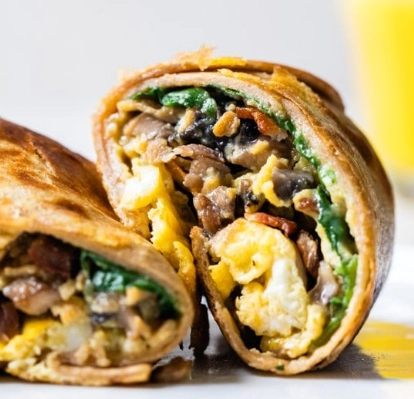
| Storage Method | Duration | Best Reheating Method | Pro Tip |
|---|---|---|---|
| Refrigerator (wrapped in foil or in airtight container) | Up to 2 days | Unwrap, microwave for 45-60 sec, then finish in a skillet for 1 min to re-crisp. | Place a damp paper towel over the wrap in the microwave to prevent it from drying out. |
| Freezer (wrapped in parchment + foil/freezer bag) | Up to 3 months | Microwave from frozen (with damp paper towel) for 2-3 mins, then air fry/toaster oven at 400°F for 4-5 mins. | Label with the date and filling type. You will forget what's inside. |
| Counter (for immediate eating) | 1-2 hours max | Eat fresh! Or keep warm in a low oven (200°F) wrapped in foil. | Don't leave egg-based wraps at room temperature for more than 2 hours due to food safety concerns (per USDA guidelines). |
Reader Comments