Let's be honest. The idea of French onion soup chicken sounds almost too good to be true. You take the deep, savory, soul-warming magic of a classic French onion soup—the slowly caramelized onions, the rich beefy broth, the blanket of melted Gruyère—and you let it hug a bunch of tender chicken. It's not a fancy restaurant secret. It's a logical, delicious conclusion for anyone staring at a pack of chicken thighs on a Tuesday night, dreaming of something more exciting than another basic bake.
I've been making versions of this for years, tweaking it after a few disappointing attempts (burnt onions, watery sauce, you name it). What you'll find here isn't just a recipe. It's the distilled wisdom of turning two comfort food giants into one spectacular, reliable weeknight hero.
What's Inside This Guide?
What Exactly Is French Onion Soup Chicken?
If you're searching for "french onion soup chicken," you're probably picturing one of two things. Maybe a casserole where shredded chicken is baked with onion soup flavors and topped with cheese. Or perhaps a one-pot wonder where chicken pieces are braised right in a deconstructed onion soup broth. The second one is what we're diving into. It's less of a soup and more of a luxurious braise or skillet dish.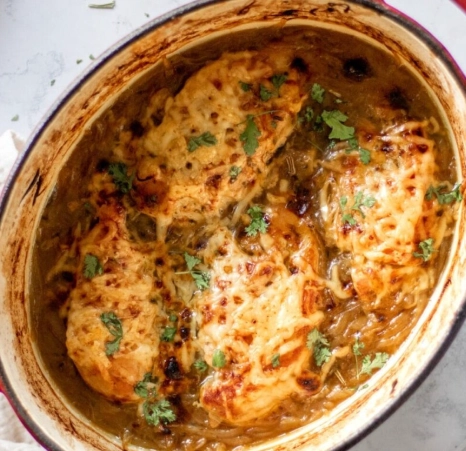
The goal is to capture the essence of the soup in a heartier, fork-and-knife format. You get juicy chicken infused with that signature sweet-and-savory onion gravy, all under a cap of perfectly broiled, bubbly cheese. It eats like a main course but feels like a hug from your favorite bistro.
Why This Recipe Actually Works (The Flavor Science)
Anyone can throw onions, broth, and chicken together. The magic—and the common pitfall—lies in the layers. Most home cooks rush the onions. They turn translucent and call it a day. But for true French onion character, you need commitment to the caramelization process. This isn't a 5-minute sauté. It's a 30-45 minute low-and-slow transformation where the onions' natural sugars break down, concentrating their flavor into a jammy, deeply bronzed foundation.
The other non-negotiable? The broth base. Using a good quality beef broth is crucial. Chicken broth will work in a pinch, but it lacks the robust, dark notes that make French onion soup, well, French onion soup. For an extra edge, I sometimes add a splash of dry sherry or white wine with the thyme, a trick I picked up from an old chef friend that deglazes the pan and adds a subtle complexity most recipes skip.
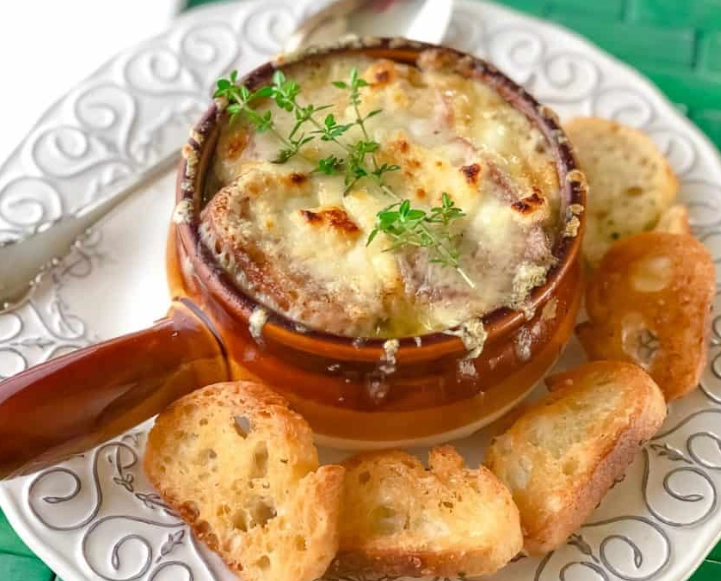
How to Make French Onion Soup Chicken: A Step-by-Step Breakdown
Here’s my go-to method. It’s designed for a large, deep oven-safe skillet or Dutch oven.
The Core Ingredients (The "Why" Behind Each)
- Yellow Onions (3-4 large): Yellow onions have the right balance of sugar and pungency for caramelizing. Thinly slice them pole-to-pole—they hold their texture better.
- Chicken Thighs (6-8, bone-in, skin-on): Thighs are forgiving and stay juicy during the braise. The skin gets crispy first, adding flavor to the pan.
- Beef Broth (2-3 cups): The soul of the dish. Opt for low-sodium so you can control the salt. I like the brand Better Than Bouillon for concentrated flavor.
- Gruyère Cheese (1 ½ cups shredded): The classic. It melts beautifully and has that nutty, slightly sweet flavor. A mix of Gruyère and Swiss works too.
- Fresh Thyme & Bay Leaf: Herbs for aroma. Dried thyme works (use half the amount), but skip dried bay for fresh if you can.
The Process, Demystified
1. The Patient Part (Onions): Heat a few tablespoons of oil and butter in your Dutch oven over medium-low heat. Add all the sliced onions and a big pinch of salt. Stir to coat. Now, here’s the test: let them cook, stirring only every 8-10 minutes. You’re not frying them, you’re coaxing the water out. After 20 minutes, they’ll be soft and yellow. After 35-45 minutes, they’ll be a deep, sticky brown. This is your flavor base. Don’t cheat it.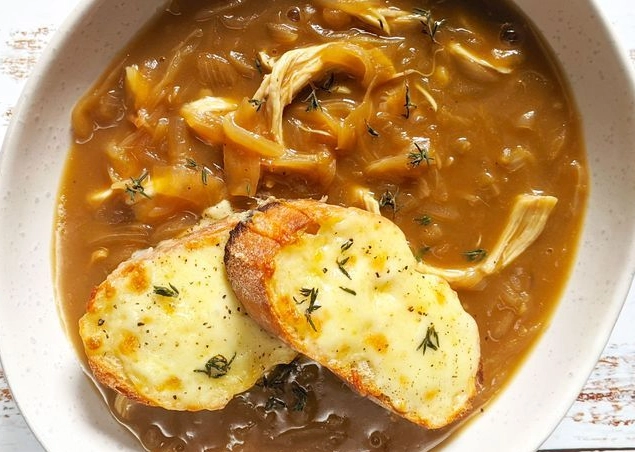
2. The Flavor Builder (Chicken & Deglaze): Push the onions to the side. Increase heat to medium-high. Pat your chicken thighs dry (wet skin won’t crisp), season well, and place them skin-side down. Don’t move them for 6-8 minutes until the skin is golden and releases easily. Flip, sear the other side for 2 minutes, then remove to a plate. The fond (browned bits) left behind is gold. Pour in about ½ cup of dry white wine or sherry, scrape it all up, and let it reduce by half.
3. The Braise (Bringing It Home): Nestle the chicken back in, skin-side up, among the onions. Tuck in thyme sprigs and a bay leaf. Pour in enough beef broth to come about halfway up the chicken (not submerging it). Bring to a simmer, then cover and transfer to a 350°F (175°C) oven for 35 minutes. This gently cooks the chicken through in the onion-infused steam.
4. The Grand Finale (Cheese): Remove the lid. If the gravy seems thin, you can simmer it on the stove for a few minutes to reduce. Sprinkle the shredded Gruyère generously over each thigh. Switch your oven to broil on high. Place the skillet back in, about 6 inches from the element, for 2-4 minutes. Watch it like a hawk until the cheese is bubbly and spotted with brown. Let it rest for 5 minutes before serving—it’s molten lava hot.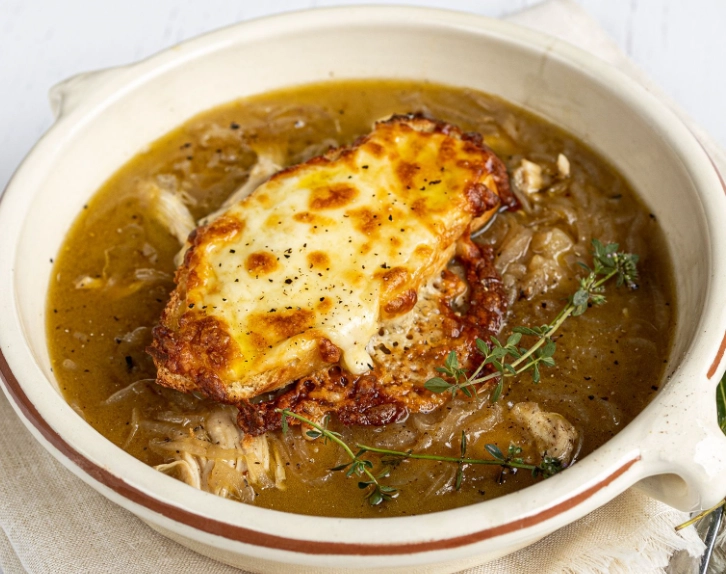
Pro Variations & "What If..." Scenarios
No Gruyère? A blend of mozzarella (for melt) and Parmesan (for punch) can save the day. Want it creamier? Stir a tablespoon of Dijon mustard into the broth before braising. Short on time? This is controversial, but you can speed up onions by adding a tiny pinch of baking soda to help break them down—but it can make them mushy and alter the flavor slightly. I don’t love it, but it’s an option in a true pinch.
For a set-it-and-forget-it version, try this: After searing the chicken and deglazing, dump everything (onions, chicken, broth, herbs) into a slow cooker. Cook on low for 5-6 hours. Transfer to a broiler-safe dish, top with cheese, and broil to finish. The texture is different—softer, more stew-like—but the flavor is still fantastic.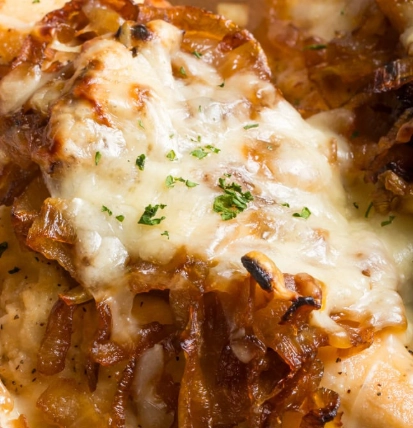
Skillet, Oven, or Slow Cooker? A Method Showdown
Choosing your weapon depends on your priorities: texture, convenience, or hands-off time.
| Method | Best For | Texture Outcome | Key Consideration |
|---|---|---|---|
| Dutch Oven / Oven-Safe Skillet | Authentic flavor & crispy skin | Crispy skin, juicy meat, rich reduced gravy | Requires most active time (caramelizing, searing). Delivers the best overall result. |
| All-Stovetop Skillet | Quickest total time, one pan | Good flavor, skin may be less crisp | After braising, you must reduce the sauce on the stove before adding cheese and broiling (or use a kitchen torch). |
| Slow Cooker | Hands-off cooking, meal prep | Very tender, falling-off-the-bone meat, softer onions, thinner sauce | You MUST sear the chicken and caramelize onions first for depth. Final broiling step is non-negotiable for the cheese. |
My personal ranking? Dutch oven method wins for a weekend or when I want to impress. Slow cooker is my weekday savior when I plan ahead.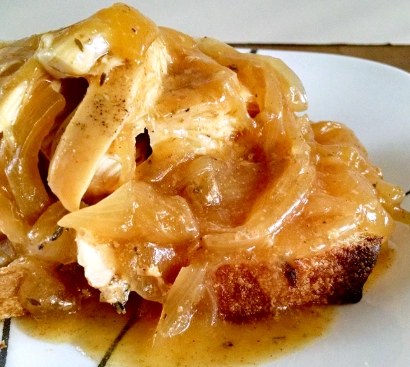
Your French Onion Chicken Questions, Answered
At its heart, French onion soup chicken is about transforming humble ingredients into something extraordinary with a bit of patience and technique. It’s the kind of dish that makes an ordinary Wednesday feel like a occasion. Give those onions the time they deserve, don’t skip the sear, and embrace the messy, cheesy, glorious result.
Reader Comments