Let's cut to the chase. Roasting a bell pepper isn't just a cooking step; it's a total flavor transformation. That raw, sometimes bitter, vegetal crunch melts into something entirely different—deeply sweet, intensely aromatic, with a whisper of smokiness that makes everything taste better. I've been doing this for years, and I still get a little thrill pulling a tray of perfectly blistered peppers from the oven. Forget the jarred stuff. Once you learn how to roast bell peppers properly, you'll have a powerhouse ingredient ready to elevate dips, pastas, sandwiches, and more.
What's Inside?
Why Bother Roasting Bell Peppers?
It's a fair question. It takes 30-45 minutes, depending on your method. Why not just chop them raw? The difference is night and day, and it boils down to science and flavor.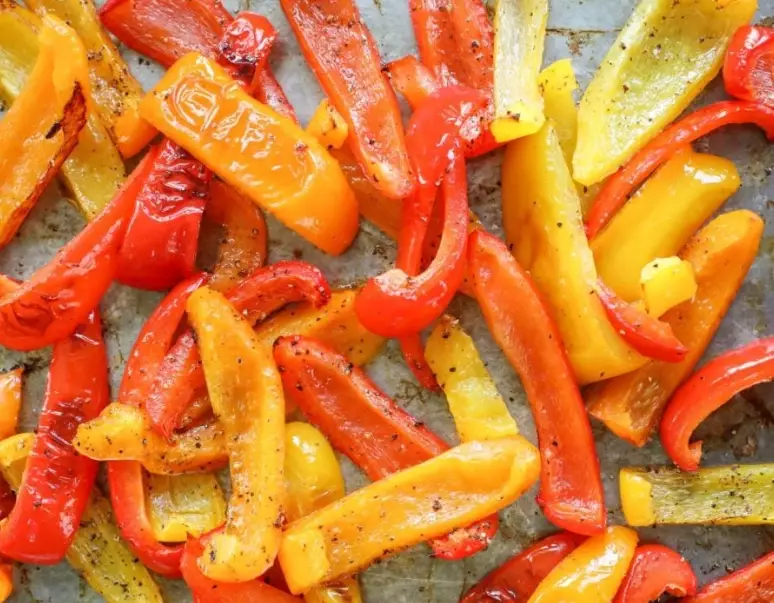
High heat (over 400°F / 200°C) breaks down the pepper's cell walls, caramelizing its natural sugars. That's where the intense sweetness comes from. The slight charring adds complex, smoky notes. Nutritionally, according to data from the USDA, the process actually makes certain antioxidants, like beta-carotene (which gives red peppers their color), more bioavailable for your body to absorb compared to raw peppers. You're concentrating flavor and unlocking nutrients.
Here’s what you gain: a silky, melt-in-your-mouth texture, a flavor that's both richer and sweeter, and a vibrant color that bleeds into everything it touches, creating gorgeous pink sauces and dips.
How to Roast Bell Peppers: 3 Foolproof Methods
Everyone has a favorite way. I've tested them all, and each has its place depending on your time, tools, and tolerance for smoke.
| Method | Best For | Time | Key Flavor Note |
|---|---|---|---|
| Oven Roasting | Hands-off, large batches, consistent results | 35-45 mins | Deep, even sweetness |
| Broiler / Grill | Maximum char, smoky flavor, speed | 15-25 mins | Intense smokiness |
| Air Fryer | Small batches, speed, no preheating | 12-18 mins | Concentrated sweetness (less smoke) |
The Oven Method (My Weeknight Go-To)
Preheat your oven to 425°F (220°C). Line a baking sheet with parchment—trust me, it saves cleaning up sticky pepper juices later. Cut peppers in half lengthwise. Remove stems, seeds, and the white ribs. Don't be dainty; get in there and scrape them clean. Place them cut-side down on the sheet. Drizzle lightly with oil (olive, avocado) and maybe a tiny pinch of salt.
Roast until the skins are completely blistered and blackened in spots. This usually takes 30-40 minutes. No peeking for the first 20 minutes! You want that heat to build up.
The Broiler or Grill Method (For Smoky Purists)
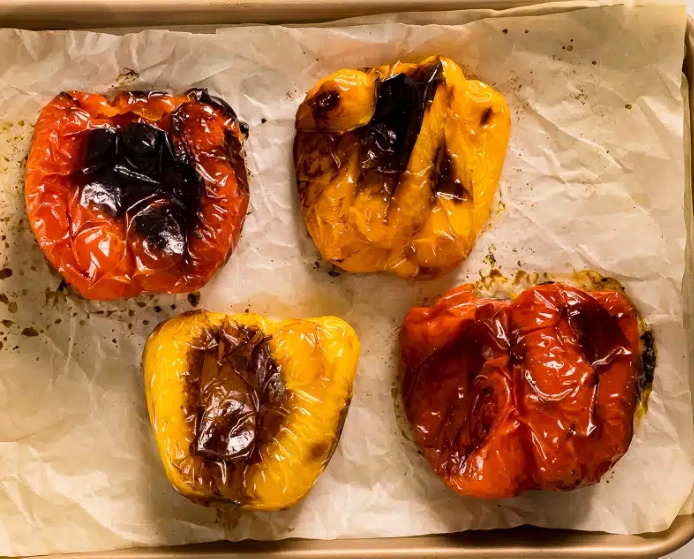
This is faster but requires more attention. Place whole peppers directly under a hot broiler or on a hot grill grate. Turn them frequently with tongs until charred all over. The skin should be mostly black. It looks burnt, but that's what you want.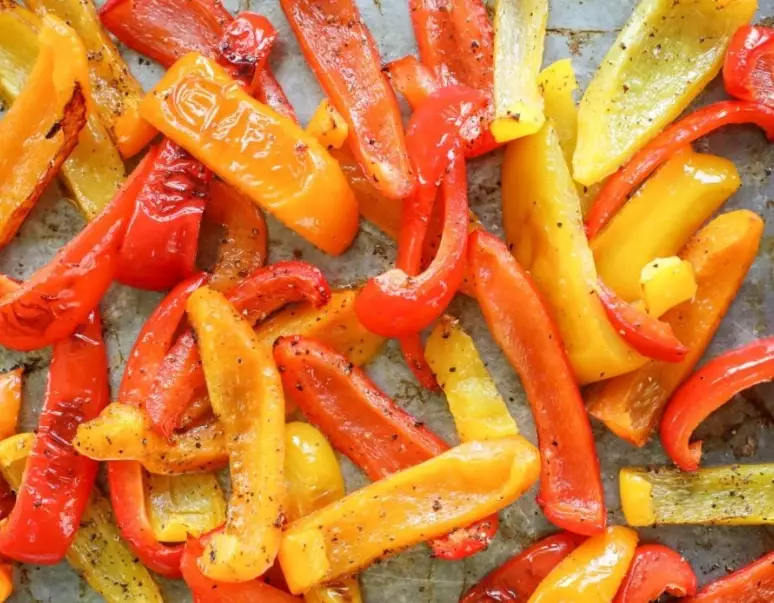
The Crucial Final Step: Sweating & Peeling
This is where most beginners slip up. Once your peppers are beautifully charred, do not start peeling immediately. Transfer them to a bowl and cover it tightly with a plate or plastic wrap. Let them steam for 15-20 minutes. This "sweating" process loosens the skin from the flesh, making it peel off in sheets with zero effort. Trying to peel a hot pepper is a frustrating, messy job. Waiting makes it effortless.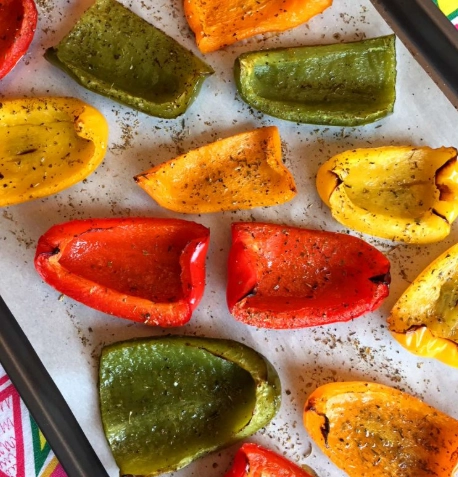
After sweating, use your fingers to pull off the skin. It should slide right off. Don't obsess over every tiny black speck; a little adds flavor. Discard the skin. Now you have the prize: tender, slippery, perfect roasted bell pepper strips.
What Can You Do with Roasted Bell Peppers? (Beyond Just Eating Them)
Okay, you've got a bowl of these ruby-red gems. Now what? Their uses are nearly endless, which is why I often roast a big batch on Sunday.
- The Ultimate Sandwich Upgrade: Layer them on any sandwich, wrap, or burger. They obliterate the need for boring lettuce.
- Pasta & Grain Bowl Hero: Toss strips into pasta (especially with goat cheese and basil), quinoa, or farro salads.
- Dip & Spread Foundation: Blend them into hummus, whipped feta, or a simple ricotta spread. This is a game-changer.
- Soup Starter: Sauté an onion, add a few roasted peppers and some broth, blend—instant creamy roasted red pepper soup.
- Egg-cellent Addition: Chop them up and add to omelets, frittatas, or scrambled eggs.
- Flavor-Packed Oil: Save the juices and any small bits left after peeling. Steep them in a little olive oil for a week. Drizzle that magic on everything.
How you store them matters. In an airtight container, covered with their own juices or a thin layer of oil, they'll last 5-7 days in the fridge. For long-term storage, pack them in freezer bags (squeeze out the air) and freeze for up to 3 months. I freeze them flat in a single layer first, then bag them, so I can grab a handful without defrosting a brick.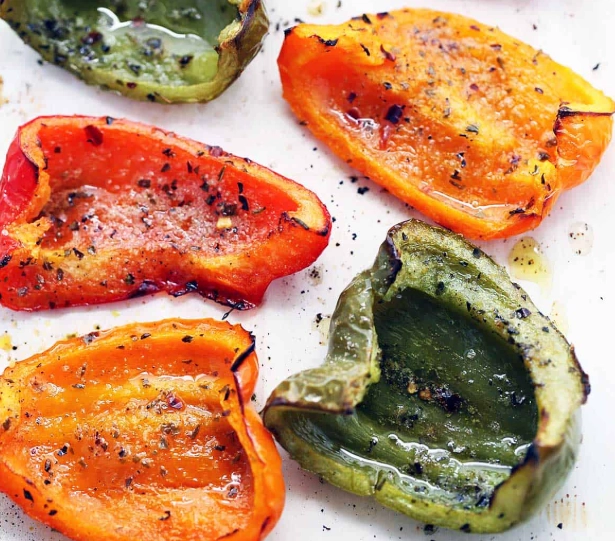
Recipe Spotlight: Roasted Red Pepper & Garlic Hummus
Let's make something concrete. This isn't just any hummus; it's the one that makes people ask for the recipe. The roasted peppers add a sweet depth that makes store-bought hummus taste like paste.
Roasted Red Pepper Hummus (Makes about 2 cups)
You'll need:
- 1 (15 oz) can chickpeas, drained (reserve the liquid!)
- 2 medium roasted red peppers (from your batch, about ¾ cup chopped)
- 1 large garlic clove, minced
- ⅓ cup tahini (stirred well)
- 3 tablespoons fresh lemon juice
- ¼ cup extra-virgin olive oil, plus more for drizzling
- 1 teaspoon ground cumin
- ½ teaspoon salt, or to taste
- 2-4 tablespoons aquafaba (the reserved chickpea liquid) or ice water
Do this:
- In a food processor, combine the chickpeas, roasted peppers, garlic, tahini, lemon juice, olive oil, cumin, and salt.
- Blend until it starts to become smooth, scraping down the sides as needed.
- With the processor running, slowly stream in the aquafaba, one tablespoon at a time, until the hummus reaches your desired consistency. It should be creamy and smooth, not pasty. This can take 2-4 minutes of blending—be patient.
- Taste and adjust salt or lemon juice. Spoon into a bowl, make a well in the center, and drizzle with more olive oil and a sprinkle of paprika or sumac.
The secret to ultra-creamy hummus? Blending long enough and using the aquafaba. Water works, but aquafaba gives it a lighter, fluffier texture.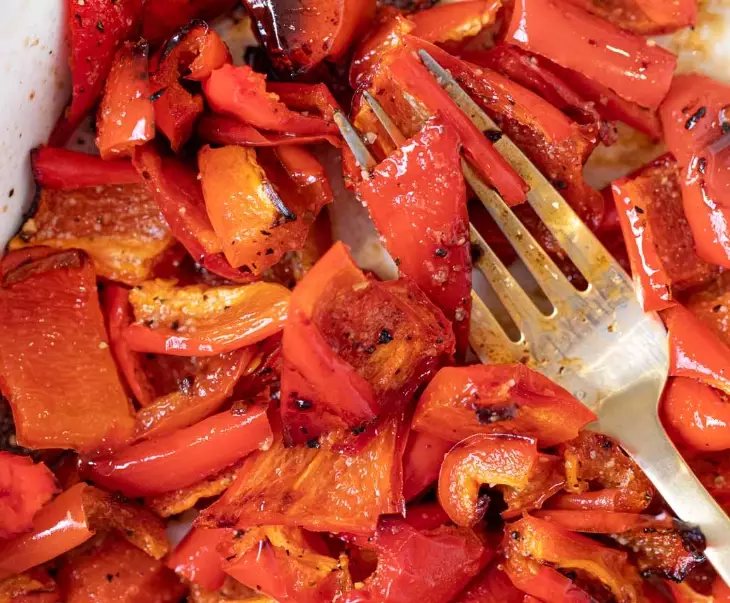
Your Roasted Pepper Questions, Answered
The beauty of mastering roasted bell peppers is that it feels like you've unlocked a chef's secret. It's a simple technique with extravagant rewards. It makes weeknight meals special and impresses guests without much effort. Grab a few peppers this weekend and give it a try. Start with the oven method, be patient with the sweating step, and get ready to fall in love with this versatile ingredient all over again.
Reader Comments