Let's cut to the chase. You're probably reading this because you're tired of that 3 PM slump after a greasy takeout lunch, or you're sick of spending too much money on cafeteria food that leaves you feeling bloated. I get it—I used to be there. For years, I'd grab a sandwich from the corner shop, only to regret it when my energy crashed by mid-afternoon. But packing healthy lunches for work doesn't have to be a chore. In fact, with a few smart strategies, it can become the easiest part of your day.
Jump Straight to What You Need
Why Bother with Healthy Work Lunches?
It's not just about weight loss. A nutritious lunch can boost your focus, keep your energy steady, and even improve your mood. Think about it—when you eat a balanced meal, you're fueling your brain for those afternoon meetings. The Centers for Disease Control and Prevention (CDC) highlights that healthy eating at work is linked to better productivity and reduced absenteeism. But here's a non-consensus point: many people assume "healthy" means bland salads. That's a myth. With the right approach, your lunch can be both delicious and nourishing.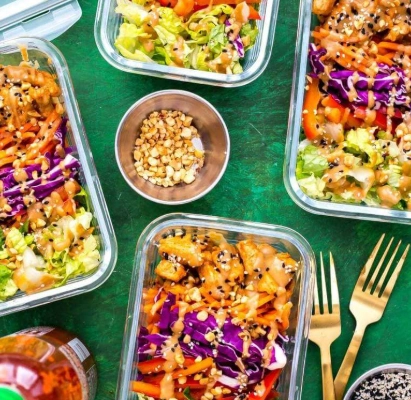
I remember a client who switched to homemade lunches and saw her afternoon headaches disappear. It's not magic; it's science.
The Foundation: How to Plan Your Lunches
Planning is everything. Without it, you'll end up scrambling in the morning or defaulting to unhealthy options.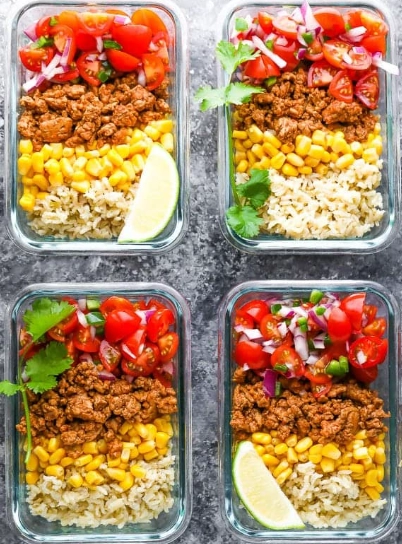
Define Your Nutrition Goals
Start simple. Aim for a mix of protein, fiber, and healthy fats. For example, if you're desk-bound all day, prioritize foods that digest slowly to avoid energy spikes. Don't overcomplicate it—just think: lean protein (like chicken or lentils), veggies, and a whole grain.
Create a Smart Shopping List
Base your list on recipes you'll actually make. I always keep staples like quinoa, canned beans, and frozen veggies on hand. A pro tip: shop once a week, and stick to the perimeter of the store where fresh produce and proteins are. This avoids impulse buys in the snack aisles.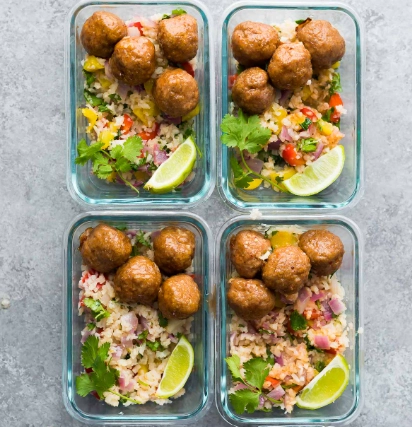
Quick Tip: Use a meal planning app or a simple notebook. Write down three lunch ideas for the week, then buy only those ingredients. It saves money and reduces waste.
5 No-Fuss Healthy Lunch Recipes (That Actually Taste Good)
Here are five recipes I've tested over the years. They're easy, portable, and won't leave you bored. I've included prep time and key nutrients to help you choose.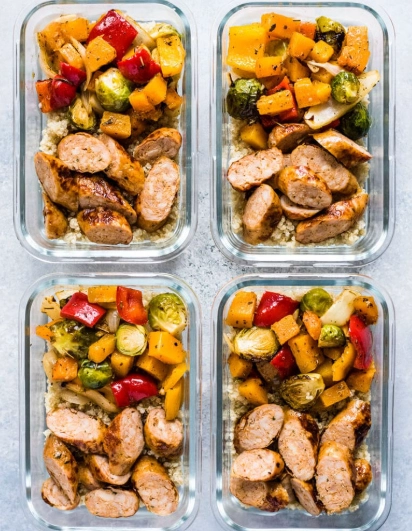
| Recipe Name | Key Ingredients | Prep Time | Why It Works |
|---|---|---|---|
| Quinoa Power Bowl | Quinoa, chickpeas, cherry tomatoes, avocado, lemon dressing | 20 minutes | High in protein and fiber, keeps you full for hours. The lemon dressing prevents sogginess. |
| Turkey and Veggie Wrap | Whole-wheat tortilla, sliced turkey, spinach, hummus, bell peppers | 10 minutes | Ultra-portable and customizable. The hummus adds creaminess without mayo. |
| Lentil Soup Jar | Cooked lentils, vegetable broth, carrots, celery, thyme | 15 minutes (plus cooking) | Heat and eat—perfect for cold days. Pack in a mason jar; it stays fresh for days. |
| Greek Yogurt Chicken Salad | Shredded chicken, Greek yogurt, celery, grapes, walnuts | 15 minutes | Uses Greek yogurt instead of mayo for extra protein. Serve with whole-grain crackers. |
| Veggie and Tofu Stir-fry | Tofu, broccoli, snap peas, soy sauce, ginger, brown rice | 25 minutes | Great for batch cooking. The tofu absorbs flavors, so it tastes better the next day. |
For the Quinoa Power Bowl, here's a quick method: cook quinoa according to package instructions, then toss with rinsed chickpeas, halved cherry tomatoes, diced avocado, and a dressing of olive oil, lemon juice, salt, and pepper. Pack it in a container with the dressing on the side if you're worried about wilting.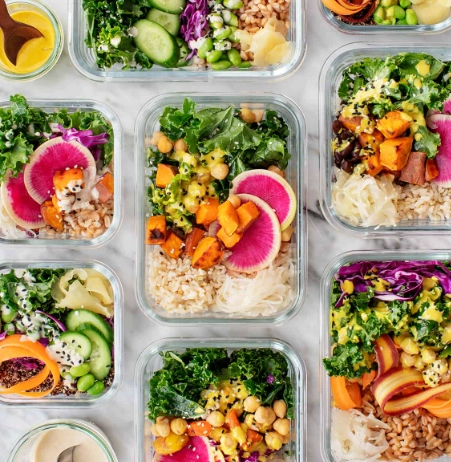
I often double the recipe for the Lentil Soup Jar. It freezes well, so I have backups for busy weeks. According to the USDA's MyPlate guidelines, incorporating legumes like lentils boosts fiber intake, which is often lacking in work lunches.
Meal Prep Like a Pro: Time-Saving Strategies
Meal prep doesn't mean spending all Sunday in the kitchen. It's about efficiency.
Start with one hour on Sunday evening. Cook a batch of grains (like quinoa or brown rice), roast a tray of veggies (think sweet potatoes and broccoli), and grill some chicken or tofu. Store them in separate containers. Then, each morning, assemble your lunch by mixing and matching. This "modular" approach prevents boredom—you can create different combos all week.
Invest in good containers. I prefer glass containers with compartments; they keep food fresh and are microwave-safe. A small ice pack in your lunch bag helps if your office fridge is unreliable.
A common pitfall? Over-prepping. I used to make five identical meals and hate them by Wednesday. Now, I prep components, not full meals. It gives flexibility.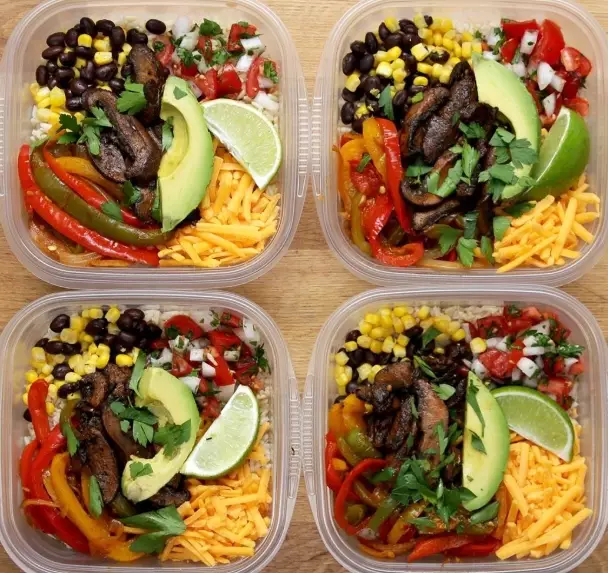
The Mistakes Everyone Makes (And How to Fix Them)
After coaching people on work lunches, I've seen the same errors repeatedly. Here's how to avoid them.
Mistake 1: Skipping protein. Many pack a salad with just lettuce and veggies, then wonder why they're hungry an hour later. Protein is key for satiety. Add a can of tuna, hard-boiled eggs, or a scoop of beans.
Mistake 2: Using dressings that turn soggy. Creamy dressings can wilt greens by lunchtime. Pack dressing separately in a small jar, or use sturdy veggies like kale that hold up better.
Mistake 3: Not considering portability. Soups can leak, wraps can get soggy. Choose recipes that travel well, like the ones above. For soups, use a leak-proof container and pack a spoon.
Mistake 4: Ignoring seasonality. In winter, a cold salad might not appeal. Opt for warm options like soups or grain bowls you can heat up. This ties into the seasonal recipes category, but for work lunches, adaptability is crucial.
My personal rule: always include a crunch element (like nuts or seeds) to keep texture interesting. It's a small detail that makes a big difference.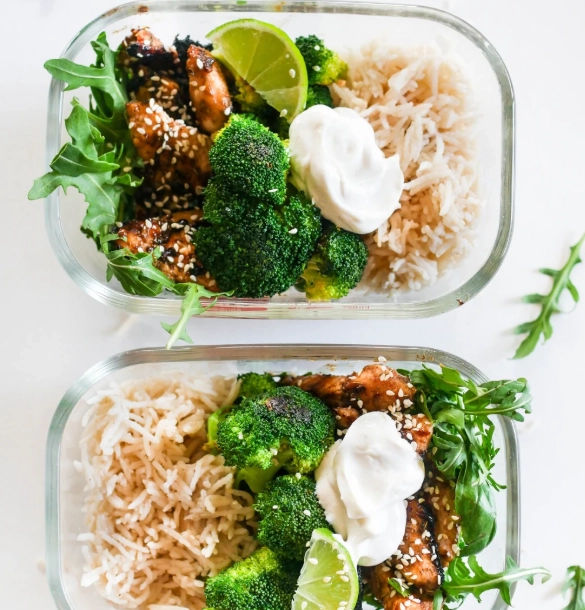
Your Questions Answered
Wrapping up, the key to healthy lunches for work is consistency, not perfection. Start with one recipe this week, see how it goes, and adjust. Remember, it's about fueling your body for better performance, not adding stress. If you slip up, that's okay—just get back on track the next day. For more inspiration, check out resources like the Harvard T.H. Chan School of Public Health's nutrition guides, which offer evidence-based tips on balanced eating.
Got a favorite lunch hack? I'd love to hear it. Drop a comment if this helped you rethink your midday meal.
Reader Comments