So you've got chicken tenderloins and an air fryer. You're probably staring at both, thinking, "Okay, how long does this actually take?" The short, annoying answer is: it depends. But that's why you're here. We're going to ditch the guesswork. I've burned my share of chicken (and undercooked a few) to figure out the exact times and tricks you need. Whether they're fresh, frozen, breaded, or plain, I'll give you the numbers and the know-how so they come out juicy inside and perfectly cooked every single time.
Jump Straight to What You Need
Why Chicken Tenderloins Are Perfect for the Air Fryer
Chicken tenderloins are the little strips attached to the underside of the breast. They're lean, tender, and cook fast. That makes them a dream for the air fryer. The rapid, circulating hot air crisps the outside beautifully without drying out the inside—if you know the timing. Unlike a whole breast, which can have uneven thickness, tenderloins are more uniform. That means less poking, prodding, and worrying about whether the middle is done.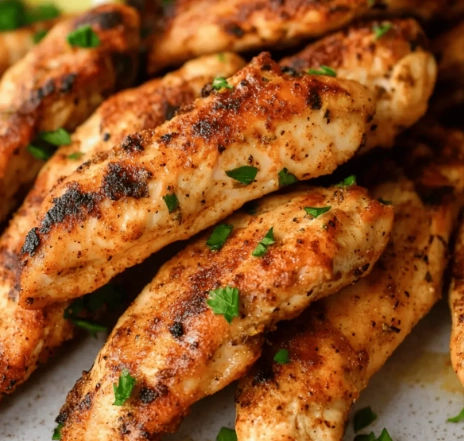
What Actually Affects How Long to Air Fry Chicken Tenderloins?
Giving one universal time is a recipe for disappointment. Here's what really matters:
1. Temperature: Your Main Control Knob
Most recipes will say 375°F to 400°F (190°C to 205°C). I almost always start at 400°F. Why? The higher heat gets a better sear and crisp on the outside faster, which helps lock in juices. A lower temp around 375°F is better if you're cooking something heavily breaded or from frozen, as it gives the heat more time to penetrate without burning the coating.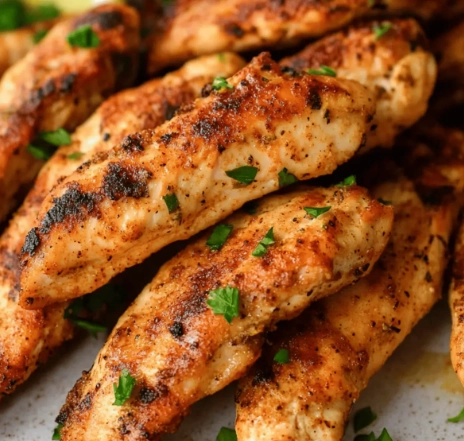
2. Size and Thickness: The Biggest Variable
This is the kicker. Store-bought tenderloins can vary wildly. A thin, 1-ounce strip might be done in 6 minutes. A plump, 3-ounce piece could need 12. Your eyes are your best tool here. Look at them. Are they skinny? Fat? The time chart below is based on average, but always check a few minutes early.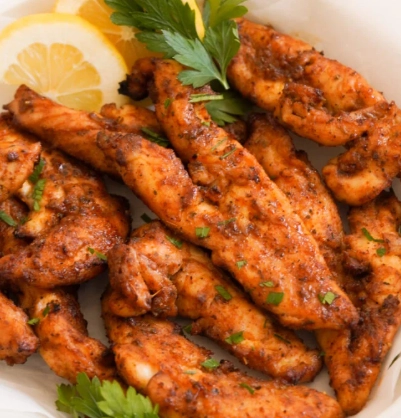
3. Breading or Marinade
A naked, seasoned tenderloin cooks fastest. A light dusting of flour or panko adds a minute or two. A wet, heavy batter or a thick, sugary marinade (like teriyaki) will add significant time because the moisture needs to evaporate and the sugars can burn. For these, I often drop the temp to 375°F and add 3-5 extra minutes.
4. Starting Temperature: Fresh vs. Frozen
You can air fry frozen chicken tenderloins straight from the bag. I do it with frozen breaded tenders all the time. But it adds 5-8 minutes, easy. For best results, thaw them in the fridge first. If you're in a rush, just know the frozen time isn't a simple addition—the outside can cook while the inside is still icy. You need a lower temp or a pause to shake the basket.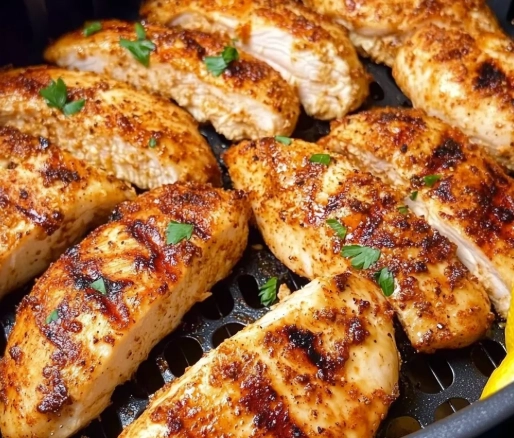
Pro Tip I Learned the Hard Way: Don't just set a timer and walk away. Especially the first time you're trying a new brand or recipe. Start checking at the lower end of the time range. It's easier to add two more minutes than to deal with dried-out, overcooked chicken.
Air Fryer Chicken Tenderloins: Time & Temperature Chart
Here's your cheat sheet. These times are for average-sized tenderloins (about 1.5 to 2 oz each). Preheat your air fryer for 3-5 minutes for the most consistent results.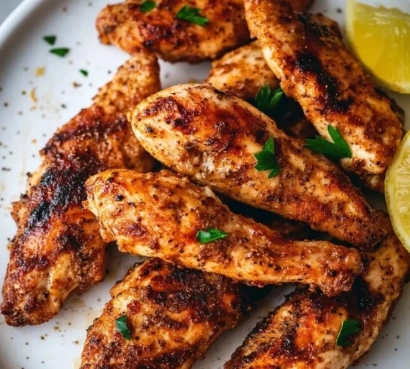
| Type of Chicken Tenderloin | Temperature | Approximate Time | Key Notes |
|---|---|---|---|
| Plain, Fresh (Seasoned) | 400°F (200°C) | 8 - 10 minutes | Flip halfway. Juicy and simple. |
| Lightly Breaded (Panko/Flour) | 400°F (200°C) | 9 - 12 minutes | Spray with oil for maximum crisp. |
| Frozen, Breaded (Store-bought) | 380°F (195°C) | 12 - 16 minutes | Shake basket at 8 min and 12 min. |
| Frozen, Plain (No Breading) | 370°F (185°C) | 14 - 18 minutes | Increase to 400°F last 2 min for color. |
| With Sticky Glaze (e.g., BBQ, Honey Garlic) | 375°F (190°C) | 10 - 14 minutes | Apply glaze in last 2-3 minutes only. |
My Foolproof Step-by-Step Process for Perfect Tenderloins
Step 1: Prep is Everything
Pat the tenderloins bone-dry with paper towels. This is the single most important step for getting a crisp exterior, not a steamed one. Moisture is the enemy of crispiness. Then, season generously. For a basic mix, I use kosher salt, black pepper, garlic powder, and paprika. Drizzle or spray with a little oil (avocado or olive oil work great) to help the seasoning stick and promote browning.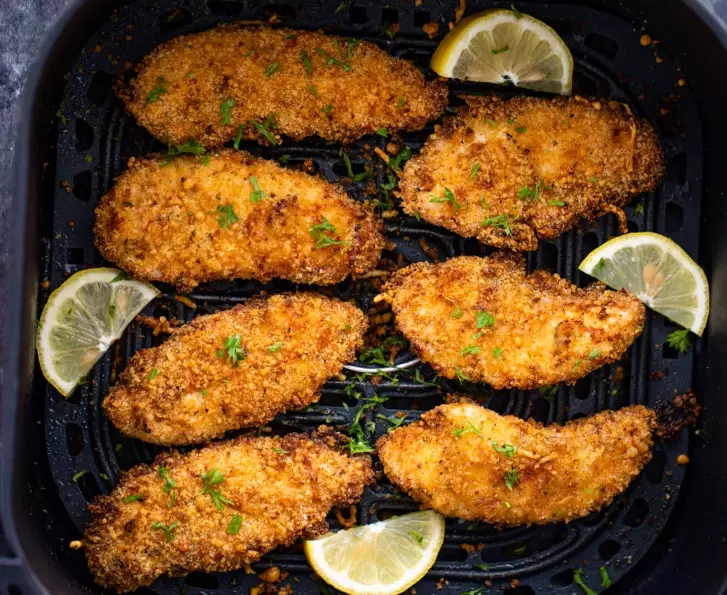
Step 2: Arrange for Success
Don't just dump them in. Place them in a single layer with a little space between each piece. Overcrowding makes them steam. If you have a lot, cook in batches. It's worth the extra 10 minutes for perfect texture.
Step 3: Cook, Check, and Trust the Thermometer
Set your time based on the chart. Flip them halfway through—I just use tongs. Now, here's the expert move: use an instant-read meat thermometer. Visual cues like "golden brown" are helpful, but color isn't doneness. The USDA recommends chicken be cooked to a safe internal temperature of 165°F (74°C). Insert the thermometer into the thickest part of a tenderloin. Once it hits 160°F-165°F, pull them out. They'll carry over cook a few more degrees while resting.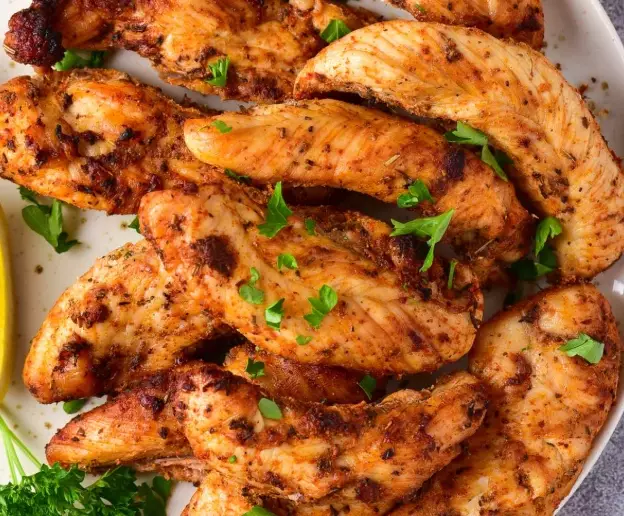
Step 4: Let Them Rest
I know, you want to eat. But let them sit for 3-5 minutes on a plate. This allows the juices, which have rushed to the surface, to redistribute back throughout the meat. If you cut right in, all those juices end up on the plate, not in your mouth.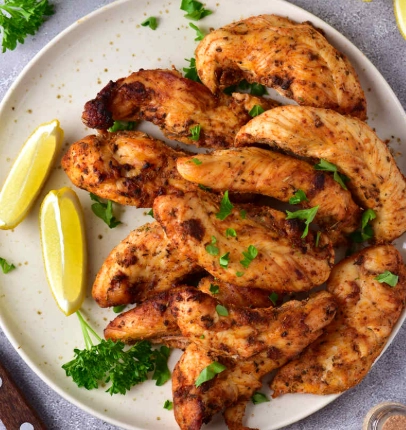
Your Air Fryer Chicken Tenderloin Questions, Answered
There you have it. No more wondering. With these times, temperatures, and tips, you're not just following a recipe—you're understanding how to make air fryer chicken tenderloins work for you every time. Now go preheat that air fryer. Dinner's about to get a lot easier.
Reader Comments