Let's be honest. It's 6 PM, you're hungry, and the thought of another complicated recipe or expensive takeout makes you sigh. That's where the ground beef bowl comes in. It's not just a meal; it's a lifesaver. I've been making variations of these bowls for years, long before they were trendy, because they solve the dinner problem with zero drama. They're cheap, endlessly adaptable, and on the table in under 30 minutes. Forget what you think you know about boring ground beef. We're going to turn it into something you'll actually look forward to.
What's Inside This Guide
Why Ground Beef Bowls Are a Weeknight Genius Move
I call them "framework meals." You master one simple structure, and you unlock dozens of dinners. The core idea is foolproof: a flavorful protein (ground beef), a hearty base (like rice or greens), lots of veggies, and a killer sauce. The beauty is in the customization. Got a picky kid? Set out separate bowls of components and let everyone build their own. Trying to eat more vegetables? This is the easiest way to hide a mountain of them. On a tight budget? Ground beef is consistently one of the most affordable proteins, especially when you buy in bulk and freeze.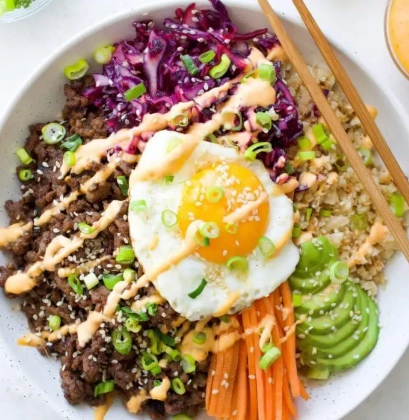
One mistake I see beginners make is treating ground beef as a solo act. It's not. It's the team captain. Its job is to carry big flavors—spices, sauces, aromatics—and bring everything else together. When you get that right, you've got a meal that feels restaurant-quality without the price tag or the wait.
How to Build the Perfect Ground Beef Bowl: A Step-by-Step Blueprint
Follow this sequence, and you can't go wrong. It's the method I use every single time.
1. Choose and Cook Your Beef Right
Not all ground beef is created equal. For bowls, I prefer 85% to 90% lean. It has enough fat to stay juicy and flavorful without making your rice greasy. The ultra-lean stuff tends to dry out. Here's my non-negotiable rule: Let your beef brown properly. Don't just gray it. Crumble it into the hot pan and leave it alone for a few minutes to develop a crust. That's where the deep, savory flavor (the Maillard reaction, if you want the science) comes from. Then, and only then, do you break it up and finish cooking.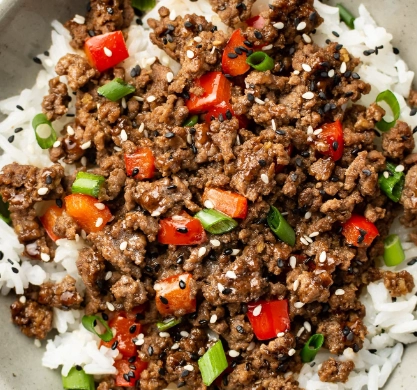
2. Layer in Flavor (This is the Secret)
This is where you define your bowl's personality. After browning the beef, push it to the side. In that flavorful fat, sauté a diced onion until soft. Add minced garlic for 30 seconds until fragrant. Now, add your spices. Toast them for just 30 seconds—you'll smell them wake up. For a Mexican bowl, that's cumin and chili powder. For an Asian vibe, ginger and a dash of five-spice. This toasting step makes a world of difference compared to just stirring spices into cooked meat.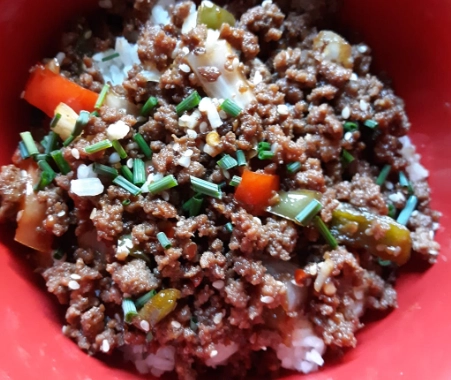
3. The Sauce Makes It a "Bowl"
A dry bowl is a sad bowl. The sauce is the glue. It can be as simple as a squeeze of lime and a dollop of sour cream, or a simmered sauce you make in the pan. After adding your spices, pour in about 1/2 cup of liquid. This could be beef broth, crushed tomatoes, coconut milk, or even just water with a tablespoon of soy sauce or Worcestershire. Let it simmer for 5-7 minutes until it thickens slightly and coats the beef. This step ensures every bite is moist and flavorful.
4. Build with Texture in Mind
Now, assemble. Start with a warm base: fluffy cilantro-lime rice, quinoa, cauliflower rice, or even sturdy greens like kale. Top with your saucy beef. Then, add contrast. This is key. You need crunch against the soft beef and rice. Think: shredded lettuce, diced raw bell peppers, crispy tortilla strips, or quick-pickled red onions. Add a creamy element like avocado, cheese, or a yogurt drizzle. Finish with a fresh herb—cilantro or chopped green onions.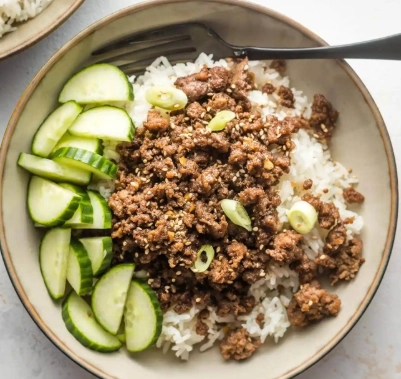
Three Must-Try Ground Beef Bowl Styles (Beyond Taco Night)
To prove how versatile this is, here are three distinct global styles. Each follows the blueprint above, just with different ingredients.
| Style | Spice Blend | Sauce/Liquid | Toppings & Base |
|---|---|---|---|
| Mexican Fiesta Bowl | 1 tbsp chili powder, 2 tsp cumin, 1 tsp smoked paprika | 1/2 cup crushed tomatoes or salsa | Cilantro-lime rice, black beans, corn, pico de gallo, avocado, cotija cheese. |
| Asian-Inspired Umami Bowl | 1 tbsp grated ginger, 2 cloves garlic, 1 tsp sesame oil (added at end) | 1/3 cup soy sauce, 1/3 cup water, 1 tbsp rice vinegar, 1 tsp honey | Steamed jasmine rice, quick-pickled cucumbers, shredded carrots, edamame, sesame seeds, sriracha mayo. |
| Mediterranean Herb Bowl | 2 tsp dried oregano, 1 tsp dried mint, 1/2 tsp cinnamon | 1/2 cup beef broth, 2 tbsp tomato paste | Lemon-herb quinoa or couscous, chopped tomato & cucumber salad, kalamata olives, tzatziki sauce, feta crumbles. |
I find the Mediterranean version is the most overlooked. The hint of cinnamon with the oregano and beef is unexpectedly fantastic. Don't skip the tzatziki—the cool yogurt cuts through the richness perfectly.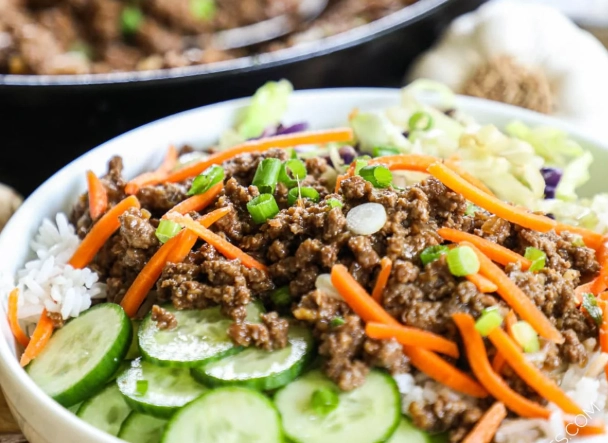
Meal Prep Secrets for a Week of Easy Dinners
This is where ground beef bowls truly shine. Spend 90 minutes on a Sunday, and you're set. Here's my system:
Cook in Bulk: Brown 2-3 pounds of ground beef with onions and garlic. Divide it into portions before adding sauces. Leave one portion plain (just salt and pepper), and mix the others with the Mexican and Asian sauce bases from the table above. Store in separate containers.
Prep Components Separately: Cook a big batch of rice and quinoa. Chop sturdy vegetables like bell peppers and carrots. Make quick-pickled onions (just slice an onion, cover with equal parts vinegar and water, a pinch of sugar and salt, wait 30 minutes). Store each in its own container.
Assemble Day-Of: At dinner time, reheat your chosen beef and base. Grab your pre-chopped veggies and toppings. Assemble in 5 minutes. Keeping components separate prevents the dreaded soggy bowl and lets you mix and match all week.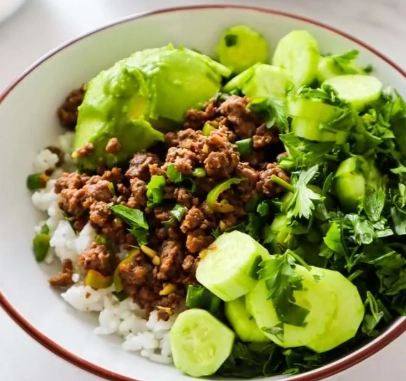
Getting the Nutrition Balance Right
It's easy for a beef bowl to become carb-heavy. A simple mental check: aim for your plate to be half non-starchy vegetables, a quarter protein (the beef), and a quarter complex carbs (brown rice, quinoa).
Want to lighten it up? Easy swaps:
- Base: Swap white rice for cauliflower rice, zucchini noodles, or a big bed of spinach.
- Beef: Use half beef, half finely chopped mushrooms or lentils. You'll keep the meaty texture but add fiber and reduce saturated fat.
- Toppings: Load up on raw, crunchy veggies. Use Greek yogurt instead of sour cream.
The USDA's MyPlate guidelines are a great visual reference for this balanced approach. A ground beef bowl, built thoughtfully, can hit all their recommendations in one delicious dish.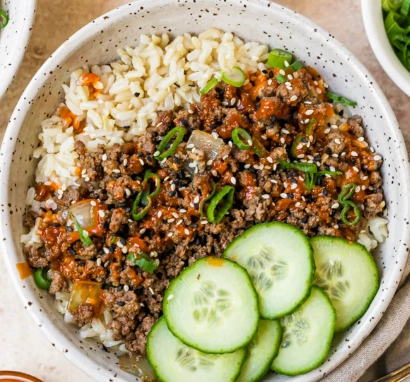
Reader Comments