I almost gave up on salsa chicken the first time I made it. The recipe I followed promised "tender, flavorful shreds," but I ended up with dry, bland chicken swimming in a watery, tasteless sauce. It was a Tuesday night disaster. That failure sent me on a mission to figure out what actually makes this deceptively simple dish work. After a decade of tweaking—and yes, more than a few mediocre batches—I've nailed down the methods and little secrets that turn three basic ingredients into a family favorite you can rely on.
The core idea is brilliant in its simplicity: chicken + salsa + heat = dinner. But that simplicity is also where most recipes fall short. They don't tell you which salsa to buy, why your chicken might turn out tough, or how to get that crave-worthy crispy top if you're not using a slow cooker. This guide is the one I wish I'd had. We'll go beyond the basic instructions and dive into the why, covering both the legendary "dump-and-go" crockpot method and my personal favorite, the oven-baked version that adds incredible texture.
What You'll Find Inside
Why This Salsa Chicken Recipe Actually Works
Most recipes treat salsa as just a sauce. It's not. It's a marinade, a braising liquid, and a seasoning paste all in one. The acidity from the tomatoes and lime juice (present in most salsas) gently breaks down the chicken proteins, leading to tenderness. The spices and vegetables infuse the meat from the outside in over a long, slow cook.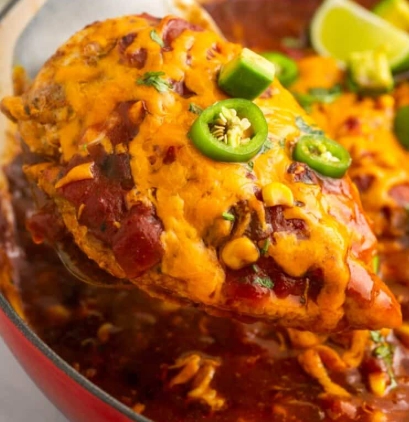
But here's the non-consensus part everyone misses: fat content matters. Using boneless, skinless chicken breasts exclusively is the number one reason for dry salsa chicken. They're too lean. A mix of breasts and thighs, or using thighs alone, makes a world of difference. Thighs have more connective tissue and fat, which renders down and keeps the meat succulent, even if you accidentally overcook it by 30 minutes. The salsa's moisture and fat from the chicken create a self-basting environment that's foolproof.
The 5-Ingredient Core: At its absolute simplest, you need only chicken, salsa, salt, and a cooking vessel. A fifth ingredient—like a packet of taco seasoning or a spoonful of cumin—elevates it, but the magic is in the synergy of the first two. This is why it's a perfect meal-prep and beginner-friendly recipe.
Ingredients and Substitutions: More Than Just a Jar
Not all salsas are created equal. Your choice here defines the entire dish.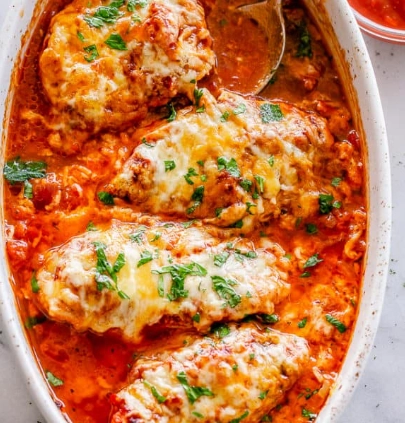
The Salsa: A medium or hot chunky-style salsa is ideal. The chunks of onion, pepper, and tomato hold up during cooking. Avoid "salsa verde" for this specific recipe unless you're going for a green chili variation—it has a different flavor profile and acidity level. My go-to brand for consistency is Pace® Picante Sauce (the chunky kind), but any major brand like Herdez® or Newman's Own® works. If you use a fresh refrigerated salsa, note that it may contain more water, so you might need to reduce the sauce longer at the end.
The Chicken:
- Boneless, Skinless Chicken Thighs: My top recommendation. Forgiving, flavorful, always tender. You'll need about 2 to 2.5 pounds.
- Chicken Breast: If you must use breasts, choose large ones and don't skimp on the salsa. Consider adding a tablespoon of olive oil to the mix for extra fat.
- A Mix: The best of both worlds. Use 1 pound of thighs and 1 pound of breasts.
The Flavor Boosters (Optional but Recommended):
- Taco Seasoning: One packet (about 2 tablespoons) is the easiest upgrade. It adds cumin, garlic, paprika, and other spices that blend perfectly.
- Cumin & Smoked Paprika: If you're skipping the packet, add 1 tsp cumin and 1/2 tsp smoked paprika.
- Beans & Corn: A can of drained black beans and a cup of frozen corn tossed in for the last hour of cooking turns it into a complete meal.
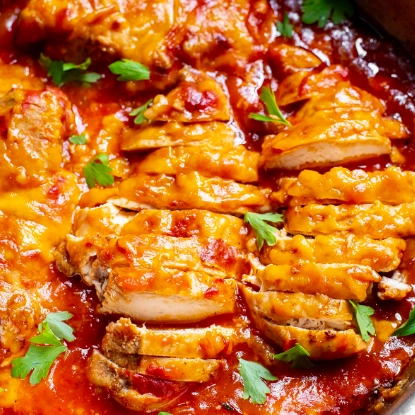
Step-by-Step Cooking Methods
The "Set It and Forget It" Crockpot Method
This is the ultimate hands-off approach. Perfect for weekdays.
- Prep (2 minutes): Place 2-2.5 lbs of chicken thighs in the slow cooker. Sprinkle evenly with 1 packet of taco seasoning (or your spice mix). Pour one 16-oz jar of chunky salsa over the top. Do not stir.
- Cook (4-6 hours): Cover and cook on LOW for 4-6 hours. High heat (2-3 hours) can work but often leads to tougher meat. The low, slow heat is key for shreddable tenderness.
- Shred & Serve: Use two forks to shred the chicken directly in the pot. It will soak up all the juices. If the sauce seems too thin, turn the cooker to HIGH, leave the lid off, and let it simmer for 15-20 minutes to thicken.
Slow Cooker Tip: Resist the urge to add extra liquid. The salsa and chicken release plenty of moisture. Adding water or broth is the fastest way to end up with a soupy, diluted sauce.
The Crispy, Flavor-Packed Oven Method
I prefer this method when I'm home. It's faster and the direct heat creates caramelization you can't get in a slow cooker.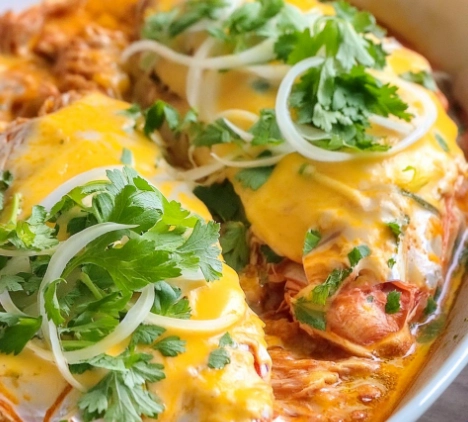
- Prep & Sear (10 minutes): Preheat your oven to 375°F (190°C). Pat the chicken thighs dry and season with salt. In a large, oven-safe skillet (like cast iron or stainless steel), heat a tablespoon of oil over medium-high heat. Sear the chicken for 2-3 minutes per side until golden brown. You're not cooking it through, just building flavor.
- Sauce & Bake (25 minutes): Remove the skillet from heat. Pour the salsa and taco seasoning around (not directly on top of) the seared chicken. Give the salsa a quick stir to mix with the pan drippings.
- Finish: Transfer the skillet to the preheated oven. Bake uncovered for 20-25 minutes, until the chicken is cooked through (internal temperature of 165°F / 74°C) and the salsa sauce is bubbly and slightly reduced around the edges.
- Broil (Optional): For a fantastic crispy top, switch the oven to broil for the final 2-3 minutes. Watch it closely!
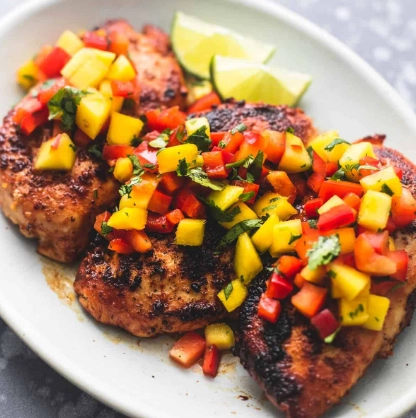
| Method | Best For | Total Time | Key Outcome |
|---|---|---|---|
| Crockpot (Low) | Meal prep, busy days, ultra-tender shreds | 4-6 hours (hands-off) | Fall-apart tender, great for tacos & bowls |
| Oven (Bake) | Faster dinner, crispy edges, deeper flavor | 35-40 minutes | Caramelized sauce, intact but tender pieces |
Common Mistakes and How to Avoid Them
I've made these so you don't have to.
1. Using Only Chicken Breast: As mentioned, it dries out easily. Solution: Use thighs, or a mix. If using breast, don't cook as long.
2. Choosing the Wrong Salsa: A watery, pureed salsa makes a thin sauce. Solution: Stick with chunky style. If your sauce is too thin at the end, thicken it by simmering uncovered or mixing in a teaspoon of cornstarch slurry.
3. Overcrowding the Pot (Oven method): If the chicken pieces are piled on top of each other, they'll steam instead of bake. Solution: Use a large enough skillet so pieces fit in a single layer.
4. Not Seasoning the Chicken: Salsa has salt, but salting the chicken directly ensures the meat itself is seasoned. Solution: Always pat the chicken dry and sprinkle with a little salt before adding the salsa.
Serving Suggestions and Flavor Variations
This isn't a one-trick dish. Here’s how to serve it and spin it.
Classic Serving Ideas:
- Tacos: Warm corn or flour tortillas, add the chicken, and top with diced onion, fresh cilantro, a squeeze of lime, and crumbled cotija cheese.
- Rice Bowls: A base of cilantro-lime rice, black beans, the salsa chicken, guacamole, and a dollop of sour cream.
- Nachos: Spread tortilla chips on a sheet pan, top with shredded chicken and cheese, broil until melted, then load on the jalapeños, salsa, and sour cream.
- Salad Topper: Let it cool slightly and add it to a bed of romaine with corn, black beans, and a creamy avocado dressing.
Flavor Twists:
- Creamy Salsa Chicken: Stir in 4 oz of softened cream cheese or 1/2 cup of sour cream after shredding for a rich, creamy sauce.
- Pineapple & Jalapeño: Use a mango or pineapple salsa and add fresh sliced jalapeños for a sweet-and-spicy kick.
- "Enchilada-Style": Mix in a small can of diced green chiles and use a red enchilada sauce in place of half the salsa.
Your Salsa Chicken Questions Answered
You can, but expect a different result. Fresh salsa is often more watery and less acidic than its shelf-stable, vinegar-preserved counterpart. The final dish might be slightly less flavorful and the sauce much thinner. If using fresh, I recommend roasting your tomatoes, onions, and peppers first to concentrate their flavor, and maybe adding a splash of lime juice or a pinch of citric acid to boost the acidity that helps tenderize the chicken.
Three likely culprits: 1) You're using a thin, pureed salsa. Switch to a chunky style. 2) You're adding extra water or broth. Don't. 3) You're not letting it reduce. For the crockpot, take the lid off for the last 30 minutes on HIGH to let steam escape. For the oven, ensure you're baking it uncovered. If it's still too wet at the end, transfer everything to a saucepan and simmer vigorously for 5-10 minutes until it thickens to your liking.
It's a fantastic make-ahead meal. In the fridge, stored in an airtight container, it lasts 3-4 days. For freezing, let it cool completely, then store in freezer-safe bags or containers for up to 3 months. Thaw overnight in the fridge. The texture of the chicken may be a bit softer after freezing and reheating, but the flavor holds up perfectly. This makes it a top-tier meal prep candidate.
This is a crucial food safety point. Chicken must reach a safe internal temperature of 165°F (74°C) to destroy harmful bacteria like salmonella. In a slow cooker, the chicken often becomes shreddable around 190-200°F due to the prolonged heat breaking down collagen. Always use a meat thermometer to be sure. If it's shredding easily but hasn't hit 165°, it's not safe. Keep cooking. The USDA is the definitive source for safe cooking temperatures.
Technically, yes, especially in a slow cooker, but I don't recommend it. Frozen chicken lowers the temperature of the entire pot too slowly, keeping it in the "danger zone" (40-140°F) for too long. It also releases a massive amount of water, leading to a boiled, not braised, texture and a watery sauce. For safety and quality, always thaw your chicken in the fridge first. It's the one step that's not worth skipping.
So, there you have it. More than just a recipe, it's a framework for a reliable, delicious dinner. Start with the basic crockpot version on a busy day. Once you're comfortable, try the oven method for that crispy edge. Play with the add-ins. This salsa chicken recipe has saved my dinner routine countless times, and with these tips, I'm confident it'll do the same for you.
Reader Comments