What You'll Find Inside
If you're like me, you've probably stared at a chicken breast wondering how to make it taste good without drying it out. I used to hate cooking chicken—it always turned into a bland, rubbery mess. Then I discovered thin slicing, and let me tell you, it changed everything. Thin sliced chicken breast cooks faster, absorbs flavors better, and stays juicy. In this guide, I'll walk you through everything from how to slice it right to my favorite healthy recipes that take less than 30 minutes. Whether you're meal prepping or need a quick dinner, this is your go-to resource.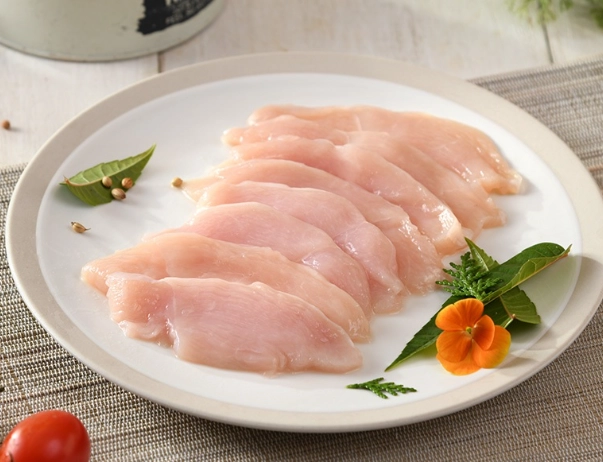
Why Thin Sliced Chicken Breast is a Game-Changer for Healthy Eating
Thin slicing isn't just a fancy chef trick; it's a practical way to make healthy eating easier. When you slice chicken breast thin, it reduces cooking time by half—perfect for those busy nights when you're tempted to order takeout. But here's something most recipes don't mention: thin slices allow for more even cooking, so you avoid that dreaded dry center. From a health perspective, it helps with portion control. You can see exactly how much you're eating, which is crucial if you're tracking calories or macros.
I remember a week when I was trying to eat healthier but kept failing because cooking felt like a chore. Then I tried thin slicing a batch of chicken for stir-fry. Not only did it cook in 10 minutes, but the marinade actually soaked in, making it flavorful without extra salt. Now, I always keep thin-sliced chicken in my freezer. It's a lifesaver for quick salads, wraps, or skillet meals.
How to Slice Chicken Breast Thinly: A Step-by-Step Guide
Slicing chicken thin might seem simple, but doing it wrong can lead to uneven pieces or even accidents. I learned this the hard way when I used a dull knife and ended up with jagged slices that cooked unevenly. Here's my foolproof method.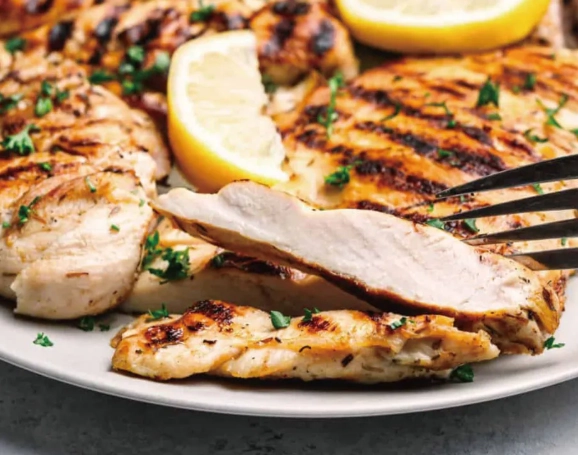
What You Need for Perfect Slices
A sharp chef's knife—this is non-negotiable. A dull knife will tear the meat. Also, a sturdy cutting board and, if you have it, a piece of plastic wrap or parchment paper. Some people recommend a meat mallet, but I find slicing directly works better for thin cuts.
The Step-by-Step Process
Start by placing the chicken breast on the cutting board. If it's uneven, you can gently press it with your hand to flatten it slightly. Hold the chicken steady with one hand, and with the other, slice horizontally across the grain. Aim for pieces about 1/4 inch thick. If the breast is thick, butterfly it first: slice it horizontally almost all the way through, then open it like a book and slice into thin pieces.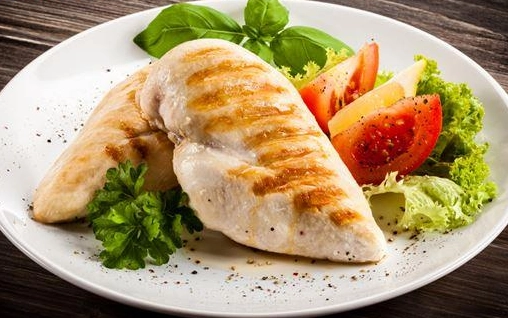
Here's a tip most beginners miss: partially freeze the chicken for 15-20 minutes before slicing. It firms up the meat, making it easier to get clean, uniform slices. I picked this up from a local butcher, and it's been a game-changer—no more slipping or uneven cuts.
Once sliced, pat the pieces dry with a paper towel. This removes excess moisture, which helps with browning later. I used to skip this step, and my chicken would steam instead of sear, ending up soggy.
Top 3 Healthy Thin Sliced Chicken Breast Recipes
These recipes are my weekly staples—they're healthy, delicious, and ridiculously easy. Each one serves two people and takes under 30 minutes. I've included specific details like cooking times and nutrition estimates based on my own kitchen tests.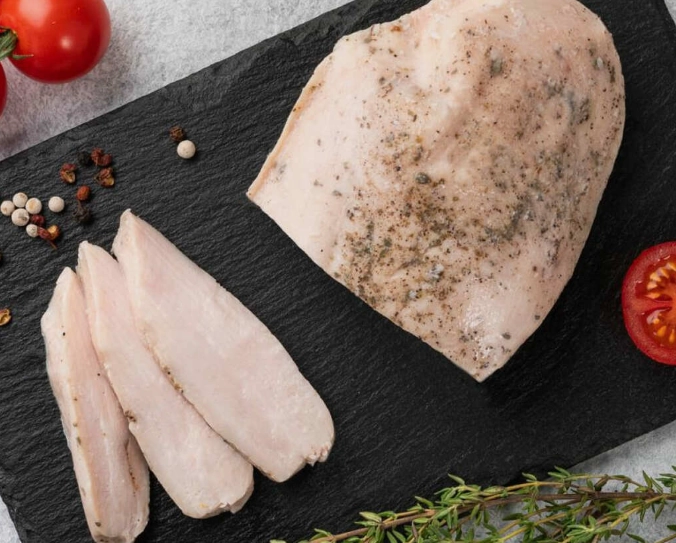
1. Lemon Herb Garlic Chicken
This is my go-to for a light, refreshing meal. The thin slices soak up the lemon and herbs beautifully, and it pairs well with quinoa or steamed veggies.
Ingredients: 1 pound thin sliced chicken breast, 2 tablespoons olive oil, juice of 1 lemon, 2 cloves garlic (minced), 1 teaspoon dried oregano, salt and pepper to taste. Optional: fresh parsley for garnish.
Steps: In a bowl, mix olive oil, lemon juice, garlic, oregano, salt, and pepper. Add the chicken slices and marinate for 10 minutes (no longer than 30 minutes to avoid mushiness). Heat a skillet over medium heat—not high, as many recipes suggest. Cook the chicken for 2-3 minutes per side until golden and cooked through. Serve immediately. From my experience, overcooking is easy here, so set a timer.
Nutrition per serving (approx): 250 calories, 30g protein, 10g fat, 2g carbs. Great for low-carb diets.
2. Asian-Inspired Stir-Fry
Perfect for when you crave something savory and quick. The thin slices cook fast, and the stir-fry method keeps everything crisp.
Ingredients: 1 pound thin sliced chicken breast, 1 tablespoon sesame oil, 2 tablespoons low-sodium soy sauce, 1 teaspoon grated ginger, 1 bell pepper (sliced), 1 cup broccoli florets, 1 carrot (julienned). For heat, add a pinch of red pepper flakes.
Steps: Heat sesame oil in a wok or large skillet over medium-high heat. Add chicken and stir-fry for 3-4 minutes until no longer pink. Remove chicken and set aside. Add bell pepper, broccoli, and carrot to the skillet—cook for 2-3 minutes until tender-crisp. Return chicken to the skillet, add soy sauce and ginger, toss to combine. Cook for another minute. Serve over brown rice or cauliflower rice. I often double this for meal prep; it reheats well.
Nutrition per serving (approx): 300 calories, 35g protein, 12g fat, 15g carbs. Packed with veggies for fiber.
3. Mediterranean Baked Chicken
A hands-off recipe that's great for meal prep. Baking thin slices keeps them moist, and the Mediterranean flavors are always a hit.
Ingredients: 1 pound thin sliced chicken breast, 1 tablespoon olive oil, 1 teaspoon paprika, 1/2 teaspoon cumin, 1/2 cup cherry tomatoes (halved), 1/4 cup crumbled feta cheese, fresh basil for garnish.
Steps: Preheat oven to 400°F (200°C). Place chicken slices on a baking sheet lined with parchment paper. Drizzle with olive oil and sprinkle with paprika, cumin, salt, and pepper. Bake for 10-12 minutes until cooked through. Top with cherry tomatoes and feta cheese, bake for another 2 minutes. Serve with a side salad or whole-grain pita. I love this for dinners when I want minimal cleanup.
Nutrition per serving (approx): 280 calories, 32g protein, 15g fat, 5g carbs. Rich in healthy fats from olive oil and feta.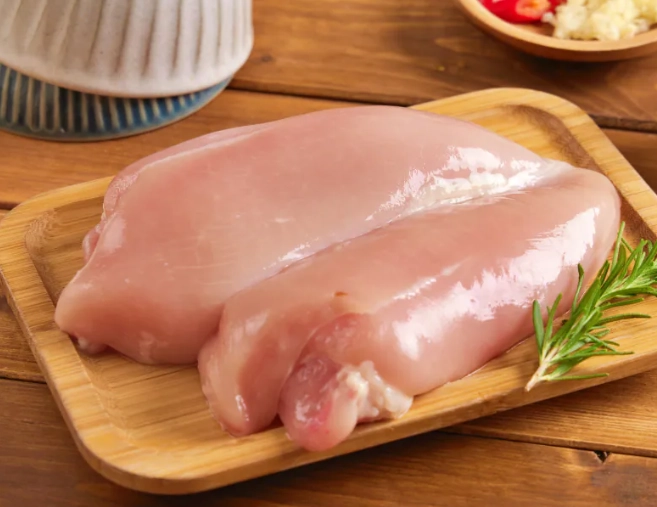
To help you choose, here's a quick comparison of these recipes:
| Recipe | Cooking Time | Calories per Serving | Best For | Difficulty |
|---|---|---|---|---|
| Lemon Herb Garlic Chicken | 15 minutes | 250 | Light dinners, low-carb | Easy |
| Asian-Inspired Stir-Fry | 20 minutes | 300 | Quick weeknight meals, veggie-packed | Medium |
| Mediterranean Baked Chicken | 25 minutes | 280 | Meal prep, hands-off cooking | Easy |
Common Mistakes to Avoid When Cooking Thin Sliced Chicken Breast
Even with thin slices, it's easy to mess up if you're not careful. I've made all these mistakes, so learn from my errors.
Overcooking: This is the biggest pitfall. Because thin slices cook fast, it's tempting to leave them on the heat too long. I used to think high heat was key, but that just dries them out. Instead, use medium heat and cook for 2-3 minutes per side. The chicken should be opaque and firm to the touch, but still juicy. A meat thermometer should read 165°F (74°C), but with thin slices, visual cues work better.
Not patting dry: If you marinate the chicken, always pat it dry before cooking. Excess moisture can steam the chicken instead of searing it, leading to a soggy texture. I learned this when my stir-fry turned out watery—now I always use paper towels.
Using the wrong pan: A non-stick skillet is fine for beginners, but for better browning, use a cast-iron or stainless steel pan. Heat the pan properly first—a drop of water should sizzle—then add oil. This prevents sticking and gives that nice crust.
Skipping rest time: After cooking, let the chicken rest for a minute or two. This allows juices to redistribute, so it stays moist when you cut into it. I used to serve it immediately, and it would dry out on the plate.
Nutritional Benefits of Chicken Breast in a Healthy Diet
Chicken breast is a lean protein powerhouse. According to the USDA, a 3-ounce serving of cooked chicken breast provides about 165 calories, 31 grams of protein, and only 3.6 grams of fat. It's rich in essential nutrients like niacin (for energy metabolism), vitamin B6 (for immune function), and selenium (an antioxidant). For heart health, organizations like the American Heart Association recommend lean proteins like chicken breast as part of a balanced diet to reduce saturated fat intake.
When you slice it thin, you're not just changing the texture; you're making it easier to incorporate into various meals without overeating. It's a versatile protein that fits into low-carb, keto, or Mediterranean diets seamlessly. From personal experience, swapping thick cuts for thin slices helped me control portions better—I could enjoy a satisfying meal without feeling stuffed.
Here's a nuance: some people worry about cholesterol, but chicken breast is relatively low in cholesterol compared to red meat. Pair it with fiber-rich veggies and whole grains for a balanced plate that supports weight management and overall health.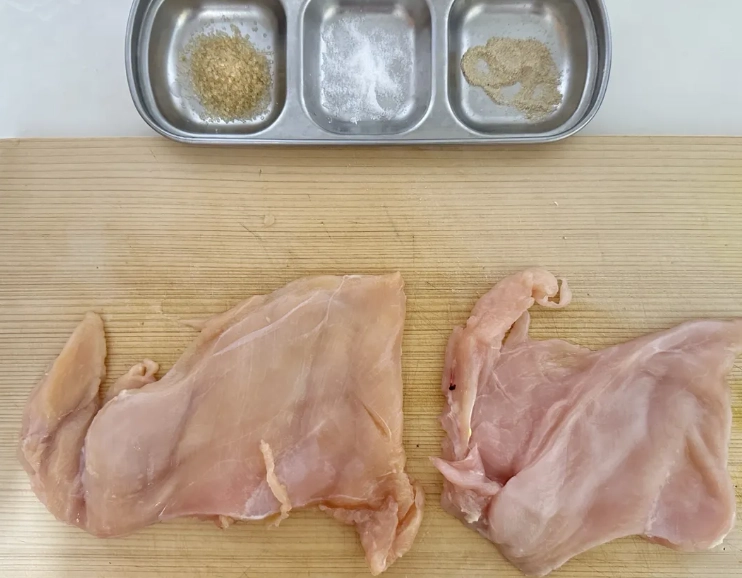
FAQ: Your Questions Answered
To wrap up, thin sliced chicken breast is a versatile, healthy option that can transform your meals from bland to brilliant. Whether you're short on time or just want something delicious, these recipes and tips will help you make the most of it. Give it a try—you might never go back to thick cuts again. And remember, cooking is about experimentation; don't be afraid to tweak these recipes to suit your taste. Happy cooking!
Reader Comments