Let's be honest. The idea of cooking a healthy dinner from scratch every night is a fantasy for most of us. Life gets busy. You get tired. The drive-thru starts calling your name. That's where weekly meal prep comes in. It's not about being a gourmet chef; it's about being a smart strategist. Spending a few focused hours on a Sunday afternoon can liberate your entire week from food stress, save you a surprising amount of money, and guarantee you're fueling your body properly. This guide cuts through the Pinterest-perfect clutter and gives you a real, actionable system for healthy meal prep that you'll actually stick with.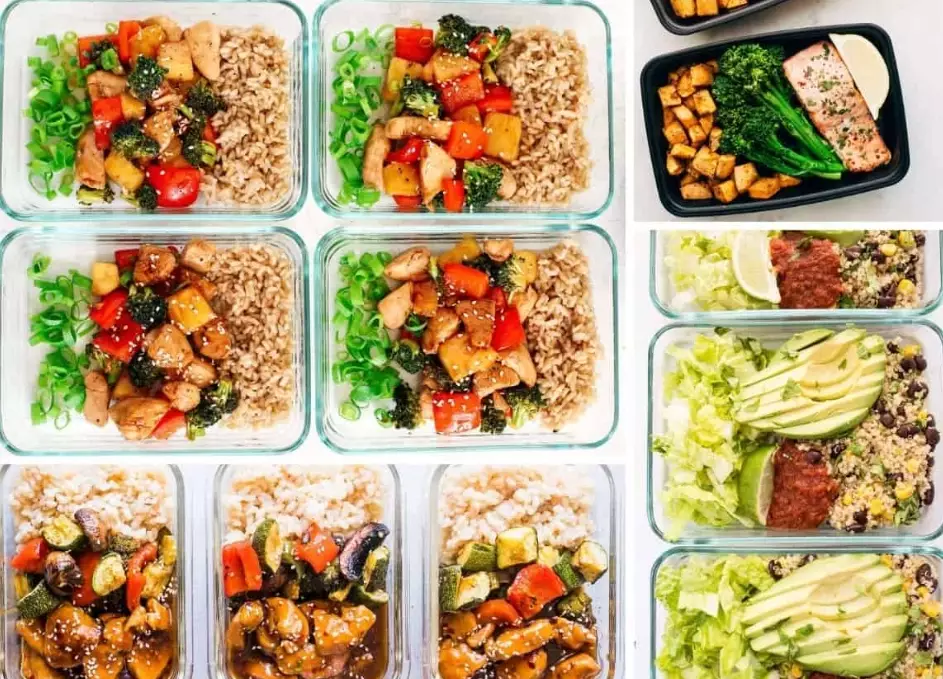
Your Quick Jump-to Guide
Why Meal Prep Actually Works
People give up on meal prep because they approach it wrong. They try to make seven days of identical chicken and broccoli, get bored by Wednesday, and declare the whole thing a failure. The goal isn't rigidity; it's creating flexible, foundational components you can mix and match.
Think of it like building blocks. You prep a protein, a complex carb, roasted veggies, and a sauce or two. Suddenly, lunch can be a grain bowl, dinner can be a stir-fry, and you've only actually "cooked" once. This method respects your future self's potential laziness and changing cravings.
The financial benefit is real. A report from the Bureau of Labor Statistics shows food away from home costs significantly more than groceries. When you prep, you buy in bulk, reduce waste by using all your ingredients, and eliminate those expensive, impulsive takeout orders. You also gain nutritional control—no more guessing about hidden oils, sugars, or sodium in restaurant food.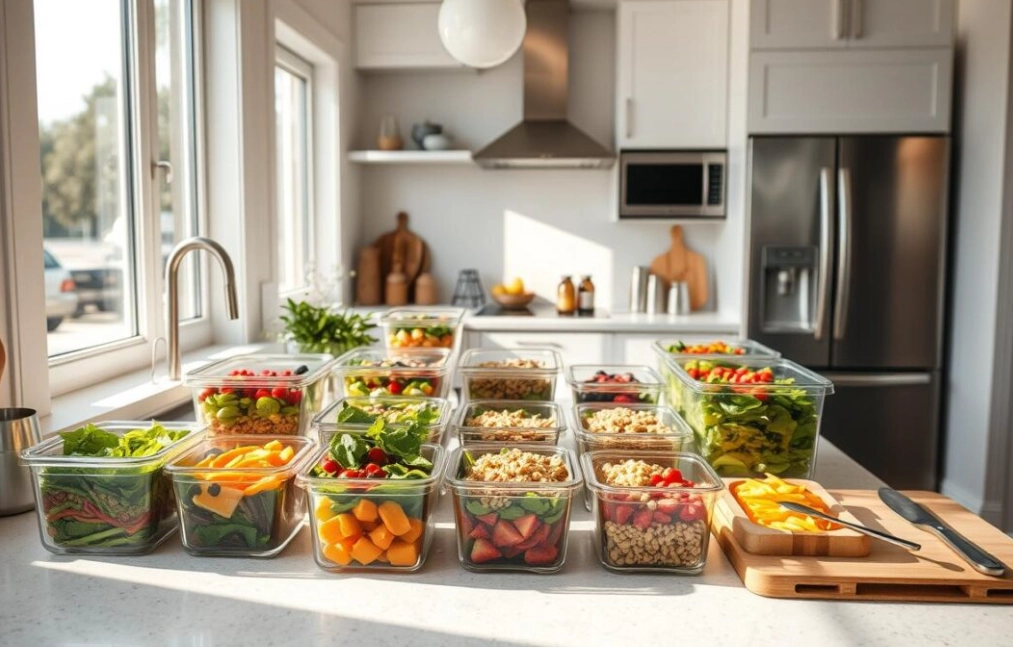
How to Plan Your Meal Prep: A Simple System
Planning is 80% of the battle. Do this the night before your prep day.
Step 1: The Realistic Calendar Check
Look at your week. Got a late meeting on Tuesday? Plan a slow-cooker meal or a 10-minute assembly dinner that night. Having friends over Friday? Maybe you only need to prep four dinners. Don't prep for days you know you'll be eating out. This prevents guilt and waste.
Step 2: Choose Your Prep Level
Not all prep is "full meals in containers." Pick what suits your energy.
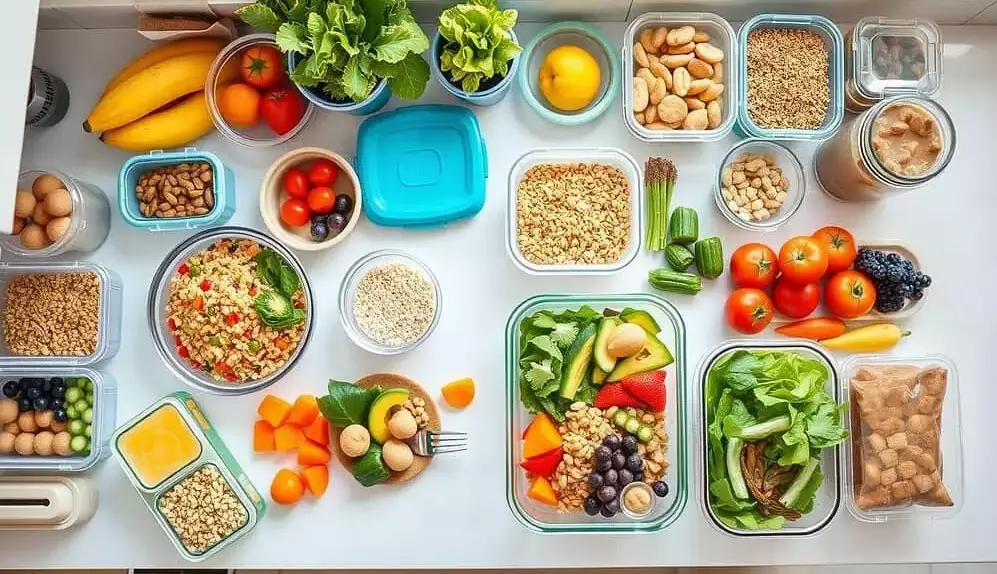
Component Prep (The MVP Method): Cook batches of staples: grilled chicken, quinoa, roasted sweet potatoes, chopped veggies, hard-boiled eggs, a dressing. Mix daily.
Simple Assembly Prep: Just wash/chop veggies, make a sauce, marinate a protein. Cooking happens fresh each night but is 50% faster.
Step 3: The Balanced Plate Formula
Every meal should aim for this mix. It keeps you full and energized.
- Protein (1/4 plate): Chicken breast, thighs, ground turkey, tofu, tempeh, lentils, chickpeas, fish.
- Complex Carbs (1/4 plate): Brown rice, quinoa, farro, whole-wheat pasta, sweet potato, butternut squash.
- Vegetables (1/2 plate): Broccoli, bell peppers, zucchini, green beans, Brussels sprouts, spinach, kale.
- Healthy Fat & Flavor: Avocado, nuts, seeds, olive oil, tahini, pesto, salsa.
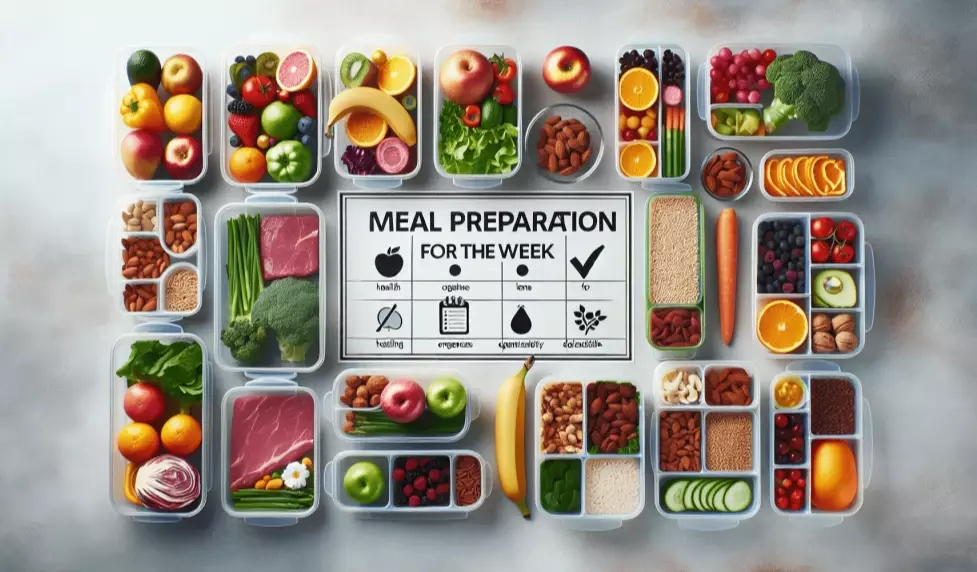
Healthy Meal Prep Recipes for the Week
Here’s a sample week using the component method. It’s designed for variety and minimal monotony. Prep time: About 2-2.5 hours on a Sunday.
| Meal Component | Recipe / Item | Prep Notes | Approx. Time |
|---|---|---|---|
| Protein 1 | Lemon-Herb Baked Chicken Thighs | Bone-in, skin-on for more flavor and juiciness. Season with lemon zest, garlic, thyme, salt, pepper. Bake at 400°F (200°C) for 35-40 mins. | 45 mins |
| Protein 2 | Spiced Chickpeas | Drain, rinse, and toss 2 cans with olive oil, cumin, smoked paprika, garlic powder. Roast at 425°F (220°C) for 20-25 mins until crispy. | 30 mins |
| Complex Carb | Big Batch of Quinoa | Cook 2 cups dry quinoa in broth. Fluff and let cool. Stores perfectly for 5 days. | 20 mins |
| Roasted Veggies | Tray 1: Broccoli & Cauliflower Tray 2: Bell Peppers & Red Onion |
Chop, toss with oil, S&P. Roast at 425°F (220°C) for 20-25 mins on separate trays (different cook times). | 30 mins |
| Fresh Element | Washed Greens & Herbs | Wash, spin-dry, and store a box of mixed greens or spinach. Chop fresh cilantro or parsley. | 10 mins |
| Sauce/Dressing | Creamy Tahini Dressing | Whisk 1/2 cup tahini, juice of 1 lemon, 1 garlic clove, 1/4 cup water, salt. Thin with more water as needed. | 5 mins |
Now, how does this turn into meals?
Tuesday Dinner: Quick stir-fry with chicken, bell peppers/onions, and a scoop of quinoa.
Wednesday Lunch: Big salad with greens, spiced chickpeas, all the roasted veggies, and avocado.
Thursday Dinner: Loaded sweet potato (cook in microwave for 5 mins) topped with chickpeas, peppers, and a dollop of Greek yogurt.
Friday Lunch: "Clean-out-the-fridge" wrap with greens, shredded chicken, any leftover veggies, and dressing.
See the pattern? You're not eating the same thing. You're using your prepped components like a short-order cook. Breakfast can be prepped too: overnight oats in jars or a dozen hard-boiled eggs. Snacks: portioned hummus with pre-cut carrots and cucumbers, or a handful of almonds and an apple.
Pro Tips for Storage, Reheating & Keeping It Interesting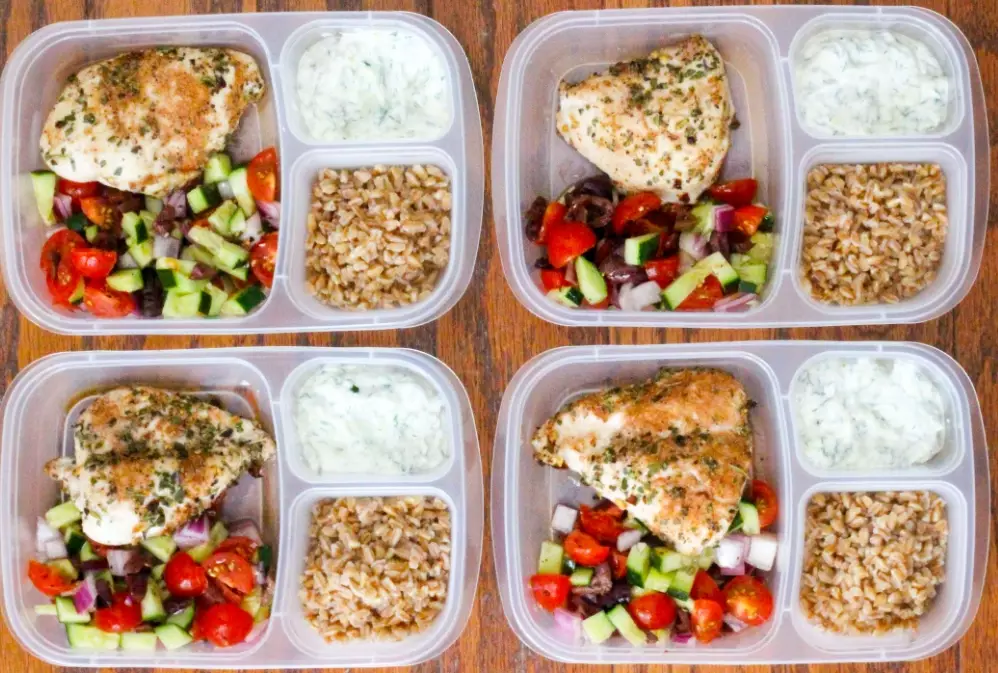
This is where most blogs stop, but the real-world details matter.
Storage That Actually Works
Invest in good containers. I prefer glass because it doesn't stain and is microwave-safe. Get a variety of sizes—small for dressings/sauces, medium for snacks/sides, large for full meals. Let all cooked components cool completely before sealing containers to prevent condensation (which makes things soggy). According to the USDA's Food Safety guidelines, most cooked meals are safe in the fridge for 3-4 days. I often freeze Wednesday's and Thursday's meals on Sunday night to guarantee freshness.
Reheating for Best Texture
Nobody likes mushy veggies. Reheat components separately if you can. Microwave grains with a sprinkle of water covered with a damp paper towel. Reheat proteins and roasted veggies in a toaster oven or air fryer for a few minutes to re-crisp. It makes a world of difference.
The "Anti-Boredom" Rule
Your one sauce gets old fast. Every week, make at least two flavor agents. It could be the tahini dressing, a zesty salsa verde, a yogurt-herb sauce, or just a bottle of good hot sauce. Changing the sauce completely changes the meal. Also, keep a "fresh add-on" for serving: a squeeze of fresh lemon, chopped herbs, green onions, toasted nuts, or a crumble of feta cheese. This 30-second step makes prepped food taste freshly made.
FAQs: Solving Your Meal Prep Dilemmas
Doesn't meal prep make food taste bland and boring by Thursday?
It only does if you let it. The component method is your defense against this. You're not pre-plating identical meals. You're creating a toolkit. A chicken breast on Monday can be in a grain bowl, on Tuesday shredded in a tacos, and on Wednesday chopped in a salad with a different dressing. The texture and flavor combination change daily. The key is prepping separate elements, not combined casseroles, and using those fresh add-ons at serving time.
I get overwhelmed by recipes. How do I start simple?
Forget recipes for your first week. Seriously. Go for the most basic component prep possible: roast two trays of different vegetables (potatoes on one, broccoli on another), bake some chicken breasts with just salt and pepper, and cook a pot of rice. Buy a pre-made rotisserie chicken and a quality store-bought pesto or vinaigrette. Your only job is assembly. Success in the first week is about building the habit, not creating chef-level meals. Next week, you can try adding one simple homemade sauce.
 Is meal prep actually cost-effective, or do I need fancy ingredients?
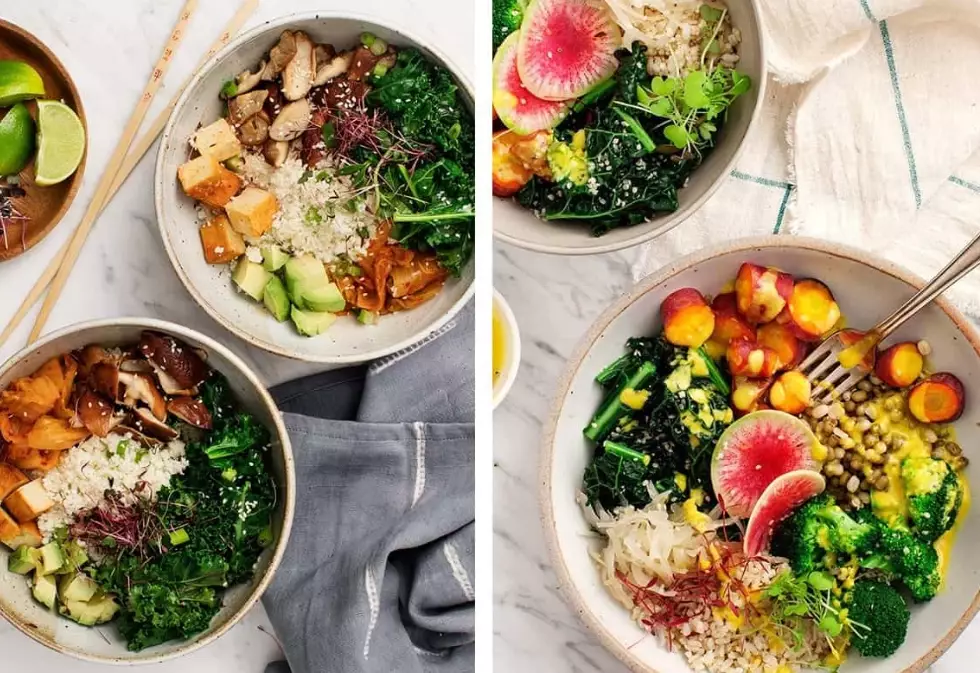
It's one of the most cost-effective ways to eat. The fancy Instagram meals give the wrong impression. Staples like beans, lentils, eggs, oats, frozen vegetables, chicken thighs, and whole grains like brown rice are incredibly affordable, especially bought in bulk. The savings come from eliminating food waste (you plan to use every item) and avoiding the massive markup on prepared foods and restaurants. A $15 takeout lunch is one meal. $15 of groceries can be multiple meals.
How do I meal prep for a family with different tastes?
Use a "deconstructed" or "buffet-style" approach. Prep the core components and let everyone build their own plates. Have a picky eater who won't touch quinoa? Also prep some whole-wheat pasta. Someone doesn't like chicken? Make sure there's a bean option. Set out the containers of prepped proteins, carbs, veggies, and sauces at dinner and let people choose. It gives everyone autonomy and drastically reduces your short-order cooking during the week.
My food gets watery or weird in the fridge. What am I doing wrong?
This usually comes from storing improperly cooled food or putting wet ingredients (like freshly washed greens or tomatoes) directly into containers with other items. Always cool your cooked food on the counter (spread it out on a baking sheet to speed it up) before refrigerating. Store dressings and sauces separately in small containers. Keep moisture-sensitive items like salad greens in a separate container with a dry paper towel to absorb excess moisture. For soups and stews, they often taste better after a day or two as flavors meld.
 The biggest mistake is thinking meal prep has to be perfect. It doesn't. Even prepping just your lunches or just your breakfasts is a massive win. It's a tool for freedom, not another chore. Start small, be kind to your future self, and watch how a few hours of planning transform your week from chaotic to calm, one healthy, ready-to-go meal at a time.
Reader Comments