Let's be honest. Mornings are hard. The alarm screams, you're half-asleep, and the last thing you want to do is figure out a healthy, satisfying breakfast. That's where the sheet pan breakfast burrito method comes in. It's not just another recipe; it's a complete system overhaul for your weekday routine. Forget standing over a skillet for an hour. We're cooking everything—eggs, potatoes, sausage, peppers—all at once on a single pan. In about 45 minutes of active time, you can assemble, wrap, and freeze enough burritos to feed a family for a week. I've been doing this for years, and it's the only reason my kids get out the door with something other than a cereal bar in their hand.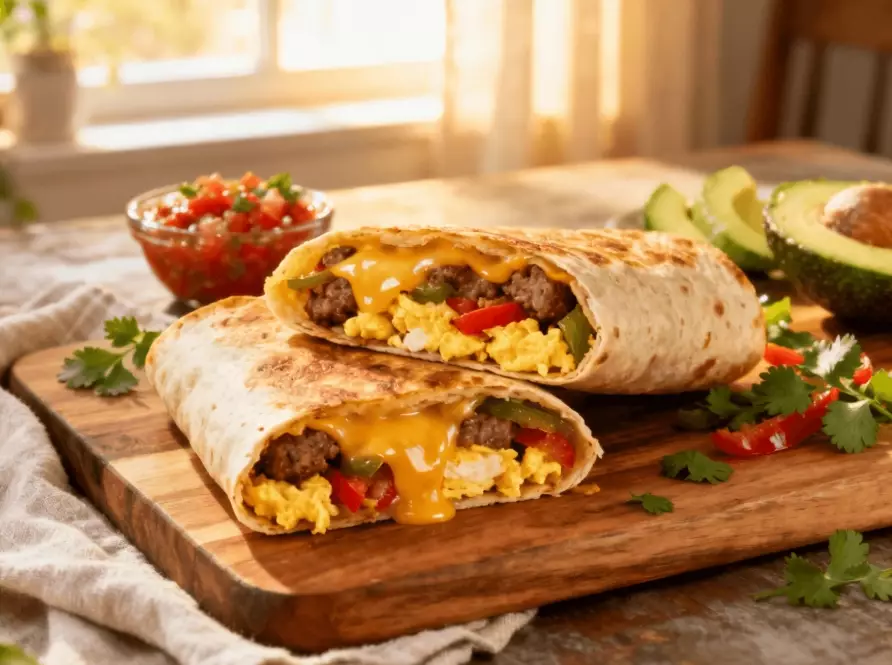
What You'll Find in This Guide
Why the Sheet Pan Method Beats Everything Else
You might have seen stovetop methods for meal prep burritos. They work, but they're inefficient. You're constantly babysitting different pans, juggling cook times, and creating a mountain of dishes. The sheet pan approach is different. It leverages the principles of oven-roasting—even, dry heat that caramelizes vegetables and crisps potatoes without constant stirring. Everything cooks in its own space but shares flavors through rendered fats and seasoning.
The real magic is in the texture. Skillet-cooked fillings can get soggy as they steam in a container. Roasted fillings hold their structure better, meaning your reheated burrito has distinct bites of crispy potato and firm pepper, not a mushy blend. It's a subtle difference that makes a huge impact on day five.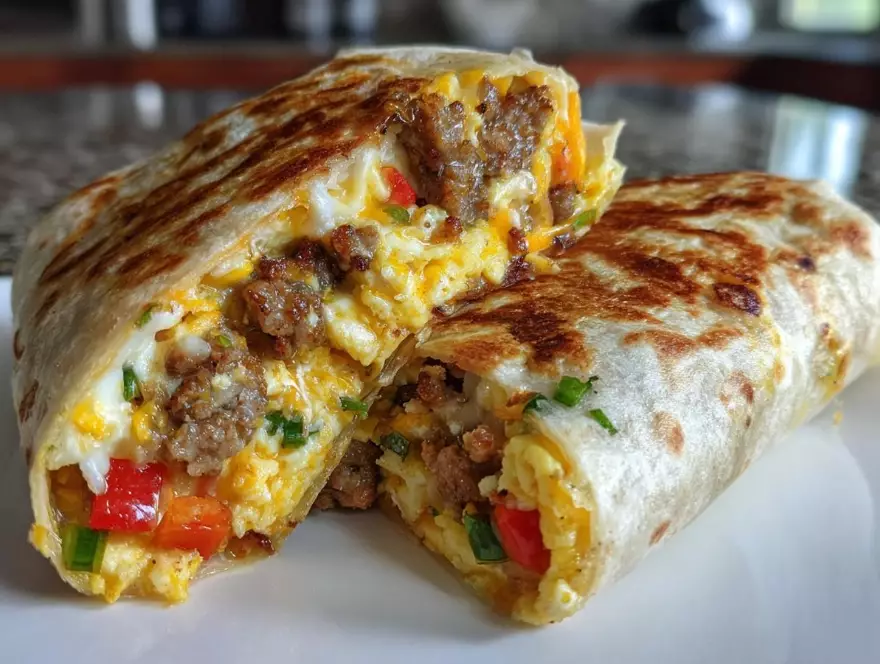
Time & Cost Breakdown: For about $25-$30 in ingredients (assuming basics like eggs, potatoes, cheese, and a protein), you get 8-10 substantial burritos. That's roughly $3 per meal. Compare that to a $8 drive-thru breakfast sandwich. The active time is about 45 minutes. Spread that over 10 burritos, and you've invested less than 5 minutes of prep per future breakfast. The math is unbeatable.
Gathering Your Ingredients & Tools: The Non-Negotiables
You don't need fancy gear. A large, rimmed baking sheet (half-sheet pan, 18"x13") is the star. Lining it with parchment paper isn't just a suggestion—it's critical for easy cleanup and preventing the eggs from becoming a permanent part of your pan. You'll also need a good mixing bowl for the eggs and a griddle or clean surface for assembly.
Now, the ingredients. This is a template, not a prison sentence.
| Ingredient Category | Specifics & Pro Tips | Why It Matters |
|---|---|---|
| The Base (Potatoes) | 1.5 lbs russet or Yukon Gold potatoes, diced into 1/2" cubes. Soak in cold water for 10 minutes, then pat DRY. This removes excess starch for crispiness. | Provides hearty substance and texture. The crispy bits are key. |
| The Protein | 1 lb breakfast sausage (bulk or links removed from casing), OR 12 oz diced ham, OR 1 can (15 oz) black beans (rinsed, patted dry). | Sausage adds fat and flavor. Beans are a great vegetarian, high-fiber option. |
| The Veggies | 1 bell pepper (any color), 1 medium onion, both diced. A handful of spinach is great added last minute. | Adds flavor, color, and nutrients. Roasting sweetens them. |
| The Eggs | 10-12 large eggs. Whisk with 1/4 cup milk or water, salt, and pepper. Pour over other ingredients halfway through cooking. | The binder. Cooking them on the sheet pan creates a "frittata" layer that's easy to portion. |
| The Flavor & Fat | 2 tbsp olive oil, 1 tsp each garlic powder, smoked paprika, salt, 1/2 tsp black pepper. Toss with potatoes, protein, and veggies. | Seasoning every layer ensures the flavor isn't bland. |
| The Wrapper & Finisher | 8-10 large burrito-size flour tortillas (10-inch), 2 cups shredded cheese (cheddar, Monterey Jack, or a blend). | Flour tortillas freeze and reheat better than corn. Cheese adds creaminess and helps seal the burrito. |
The Step-by-Step Sheet Pan Process
This isn't complicated, but order matters. Preheat your oven to 400°F (200°C).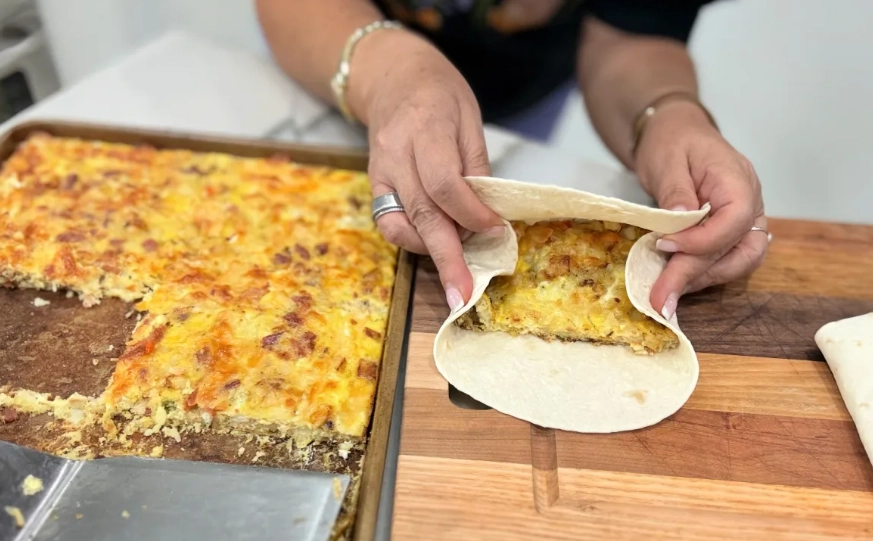
1. Prep and Roast the Hearty Stuff
On your parchment-lined sheet pan, combine the dried potato cubes, diced protein (sausage, ham, or dry beans), bell pepper, and onion. Drizzle with oil, sprinkle with all your seasonings, and toss until everything is evenly coated. Spread it in a single layer. Roast for 20 minutes.
This initial roast is crucial. It starts rendering fat from the sausage, crisping the potatoes, and softening the veggies. You'll hear it sizzle.
2. Add the Eggs
Pull the pan out after 20 minutes. Use a spatula to stir and break up any clumps of sausage. Now, slowly pour your whisked egg mixture evenly over the entire pan. Try to let it seep into the crevices. Return the pan to the oven for 15-20 more minutes.
The eggs will puff up and set. You're looking for a fully cooked, slightly golden surface with no runny egg visible. A toothpick inserted should come out clean.
3. The Assembly Line
Let the filling cool on the pan for 10-15 minutes. This is the step everyone rushes, and it's a mistake. Hot filling steams the tortilla, making it gummy and prone to tearing. While it cools, set up your station: tortillas, shredded cheese, a spoon for filling.
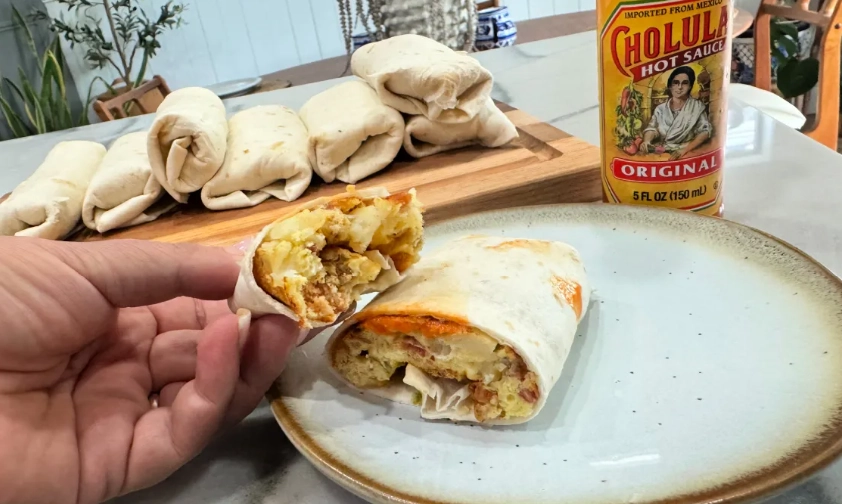
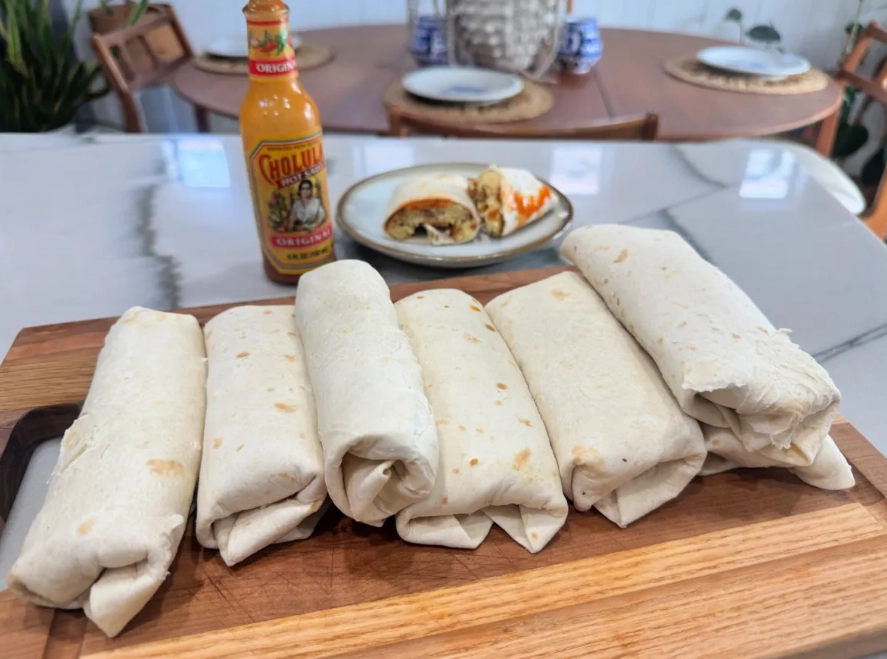
Lay a tortilla flat. Sprinkle a line of cheese down the center—this acts as a moisture barrier. Spoon about 3/4 to 1 cup of filling onto the cheese. Fold in the sides, then roll tightly from the bottom up. You want it snug, not bursting.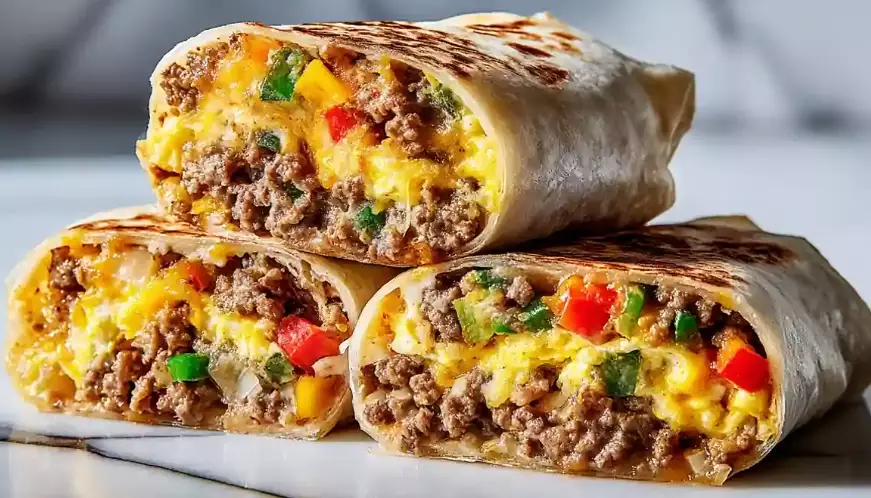
How to Customize Your Breakfast Burrito
The basic formula is Starch + Protein + Veg + Egg + Cheese. Swap within those categories.
For a Southwest Kick: Use chorizo instead of sausage, add a drained can of diced green chiles to the roasting pan, and use a pepper Jack cheese.
Vegetarian Powerhouse: Use black beans and sweet potato cubes. Add a teaspoon of cumin to the seasoning. After roasting, crumble some feta cheese over the filling before wrapping.
Lean & Green: Use diced chicken apple sausage and swap potatoes for diced broccoli florets. The broccoli roasts beautifully and adds a different texture.
I often make two different batches on two pans. One classic for the kids, one spicy veggie for me. It takes barely any extra time.
Wrapping, Freezing, and The All-Important Reheat
This is where the "meal prep" pays off or falls apart. You must wrap for the freezer correctly.
First, wrap each burrito tightly in parchment paper. This is better than plastic wrap because it doesn't stick. Then, place the parchment-wrapped burritos in a single layer on a tray and freeze for 1-2 hours until solid (this is called "flash freezing"). Once hard, transfer them to a large, labeled freezer bag, squeezing out all the air. They'll keep for 2-3 months.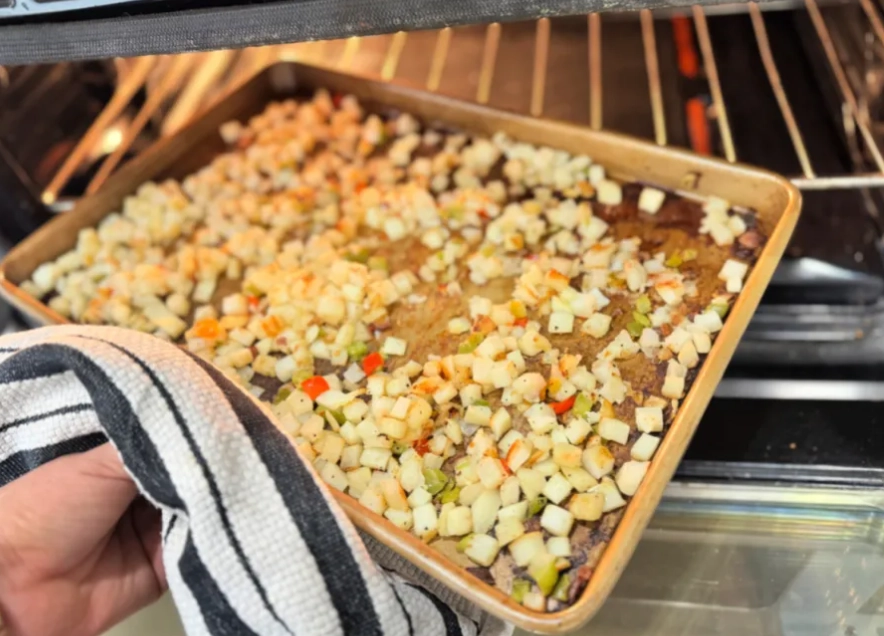
Reheating is the final test. The microwave alone will give you a soggy tortilla. Here's the winning method I swear by:
- Remove the parchment paper. Wrap the frozen burrito in a damp paper towel.
- Microwave on high for 1 minute 30 seconds to thaw and heat the interior.
- Unwrap from the paper towel. Now, for the crisping: use a panini press, a hot skillet, or an air fryer at 375°F for 3-4 minutes. If using a skillet, spray it lightly with oil and cook seam-side down first.
The damp towel steams the inside back to life, and the final crisping step restores the tortilla's texture. It's a game-changer.
Answering Your Burrito Prep Questions
 How long can I store these in the fridge instead of freezing?
 What's the best way to scale this recipe up or down for one person?
Reader Comments