Thin chicken breast is the ultimate weeknight dinner promise. It's quick, it's lean protein, and it should be easy. But we've all been there. You turn your back for what feels like a minute, and that promising piece of chicken transforms into a dry, tough, flavorless puck. It's frustrating. The problem isn't you; it's that thin chicken breast cooks in a flash, leaving almost no margin for error. A standard 6-ounce breast that's half an inch thick can go from perfect to overdone in 60 seconds flat. But after years of trial and error (and plenty of those rubbery pucks), I've nailed down a system that works every single time. Forget complicated recipes. The secret lies in understanding why it fails and applying one core principle: high heat for a short time, followed by a mandatory rest.
What You'll Learn
Why Thin Chicken Breast is So Tricky
Most cooking advice is written for the average, plump 1-inch thick chicken breast. Applying that logic to a thin cut is a recipe for disaster. Here's the science in plain English: chicken breast is mostly lean muscle fiber and water. Heat causes the proteins to tighten and squeeze out moisture. The thinner the piece, the faster heat penetrates to the center, and the less time you have before all that moisture gets forced out. It's like trying to defrost a thin slice of bread versus a loaf. The slice turns to mush or burns before the loaf even gets warm.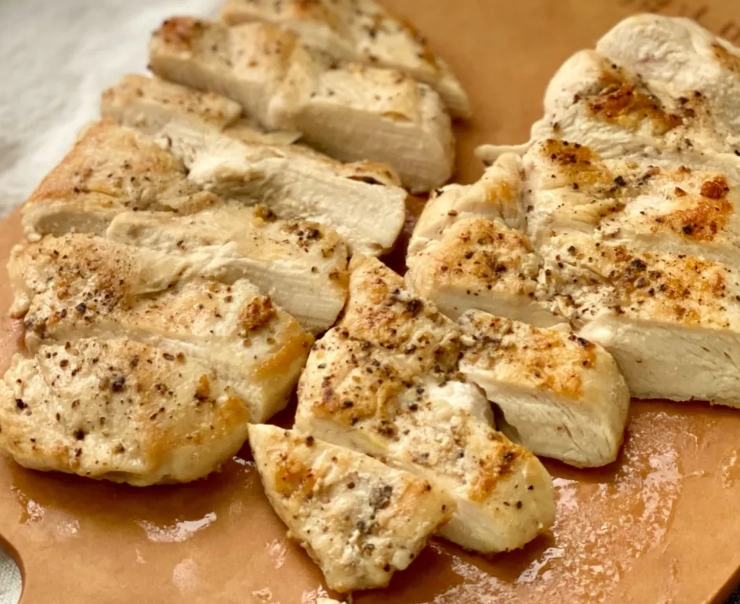
Another issue is inconsistent thickness. Even "thin" breasts from the store often have a fat end and a tapered end. The thin part will be done way before the thick part, forcing you to choose between dry tips or an undercooked center. Most home cooks, fearing undercooked chicken, err on the side of overcooking the entire thing.
The One Core Principle You Must Follow
Forget everything else for a second. If you remember only one thing from this guide, let it be this: Cook hot, cook fast, then let it rest. Your goal is to minimize the total time the chicken spends on active heat. A screaming hot pan (or grill) creates a flavorful crust almost instantly through the Maillard reaction. This crust acts as a partial barrier, helping to seal in juices. Then, you pull it off the heat before it looks completely done in the center. The residual heat will continue to cook the chicken during the rest period, a process called carryover cooking. For a thin breast, this can raise the internal temperature another 5-10 degrees Fahrenheit. If you cook it to 165°F in the pan, it'll be at 175°F+ after resting—overcooked territory.
Your Target Temperature is Not 165°F
This is critical. The USDA recommends cooking chicken to a safe minimum internal temperature of 165°F (74°C). This is a safety standard, and it's non-negotiable for food safety. However, you do not need to cook it to 165°F in the pan. According to their own data, holding chicken at 155°F (68°C) for just 50 seconds achieves the same pathogen reduction as reaching 165°F instantly. Since your chicken will rest for 5-10 minutes, you can safely pull it off the heat at 155-160°F. The carryover cooking will bring it to the safe zone, and the result will be exponentially juicier. I always pull mine at 157°F. A good instant-read thermometer is non-optional here. I trust the ThermoWorks Thermapen for its speed and accuracy, but any reliable digital thermometer will work.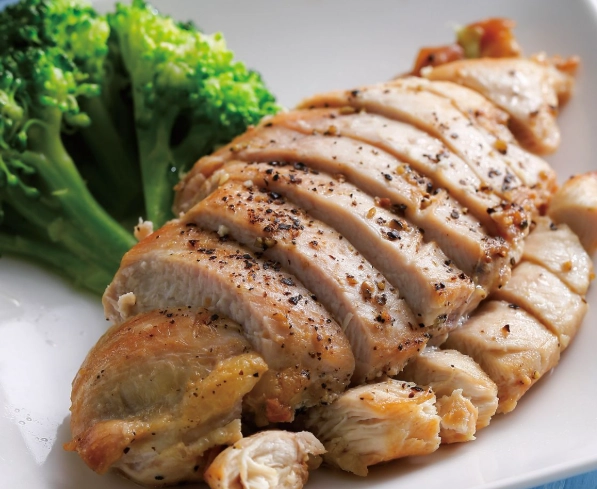
How to Cook Thin Chicken Breast Perfectly: A Step-by-Step Guide
Let's get practical. This is my fail-proof method for pan-searing, which gives you the most control. You can adapt the timing for grilling.
If you have an extra 20 minutes, soak your chicken in a simple brine. Don't overcomplicate it. Dissolve 1 tablespoon of salt and 1 tablespoon of sugar in 2 cups of cold water. Submerge the chicken for 20 minutes, then pat it extremely dry with paper towels. This seasons the meat from the inside and helps it retain more moisture during the high-heat cook. It's the single biggest upgrade to flavor and texture you can make.
1. Prepare the Chicken. If your breasts are uneven, place them between two pieces of plastic wrap and gently pound the thicker end to an even 1/2-inch thickness. Don't go wild; you're just flattening, not pulverizing. Pat them completely dry. Moisture is the enemy of a good sear. Season generously with salt and pepper right before cooking.
2. Heat the Pan. Use a heavy-bottomed skillet (cast iron or stainless steel are best). Get it screaming hot over medium-high to high heat. Add a high-smoke-point oil—avocado oil or grapeseed oil are my picks. You should see a light shimmer, and a drop of water should skitter and evaporate instantly.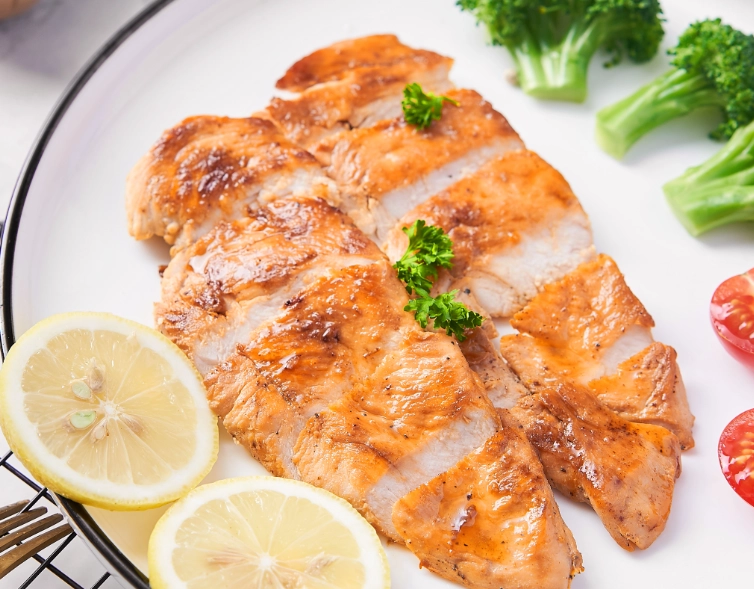
3. Cook Fast. Lay the chicken in the pan. It should sizzle loudly. Do not touch it for 2-3 minutes. Let that crust form. Peek at the edges; when they turn opaque about a quarter of the way up, flip it. Cook on the second side for 1-2 minutes only.
4. Check Temperature Early and Often. After about 90 seconds on the second side, start checking the temperature in the thickest part. You're aiming for 155-160°F. Remember, it will keep cooking.
5. Rest, Don't Stress. The moment it hits temp, transfer it to a plate or cutting board. Do not cut into it. Let it sit, untouched, for 5-10 minutes. This allows the juices, which have been driven to the center by the heat, to redistribute throughout the meat. Cutting immediately releases all those juices onto your plate, leaving the meat dry.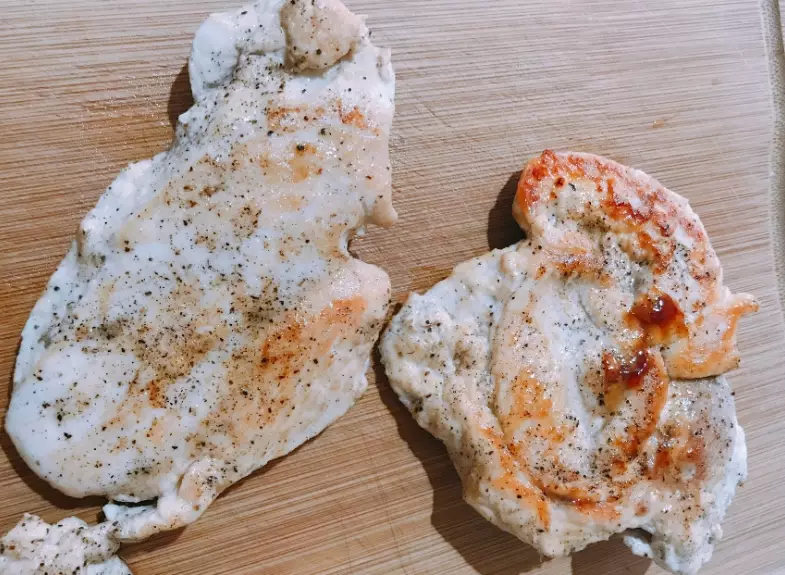
| Cooking Method | Approx. Time Per Side (for 1/2" thick) | Key Target Internal Temp (to pull off heat) |
|---|---|---|
| Pan Searing (Stovetop) | 2-3 min first side, 1-2 min second | 155°F - 160°F |
| Grilling (Direct Med-High Heat) | 3-4 min first side, 2-3 min second | 155°F - 160°F |
| Baking/Roasting (at 425°F) | Not recommended for thin cuts alone (dries out) | N/A |
Why Your Tools Matter More Than You Think
You can't manage what you can't measure. Guessing the doneness of a thin chicken breast is a fool's errand. Your most important tool is a fast, accurate instant-read digital thermometer. The difference between a $15 model and a $100 model is speed and precision. A slow thermometer means you're holding the chicken in the hot pan longer than needed, overcooking it while you wait for a reading.
Your pan matters too. A thin, warped non-stick pan can't hold consistent high heat. Hot spots will overcook parts of the chicken while others lag behind. Invest in one good 10- or 12-inch cast iron or tri-ply stainless steel skillet. It distributes heat evenly, giving you a consistent sear. I've had my Lodge cast iron skillet for a decade, and it's never failed me for this task.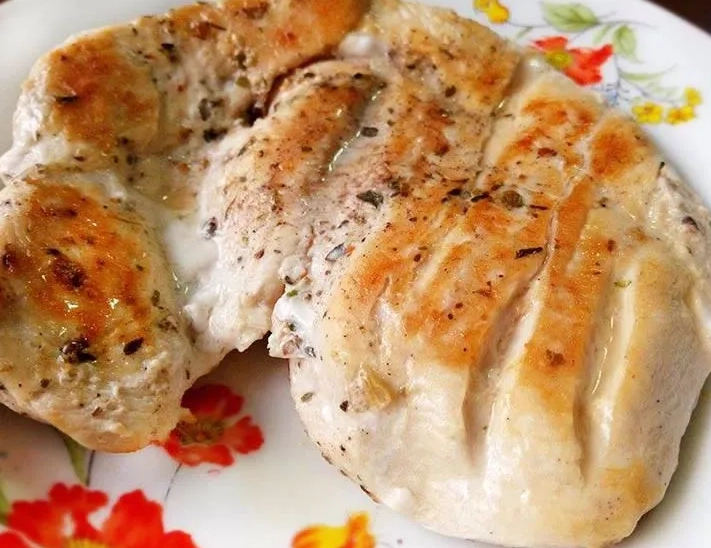
The 3 Most Common Mistakes (And How to Avoid Them)
I've made all of these, so you don't have to.
Mistake 1: Starting with Cold Chicken. Taking chicken straight from the fridge to the pan means the outside will be overdone before the inside is safe. Let it sit on the counter for 15-20 minutes to take the chill off. This promotes even cooking.
Mistake 2: Crowding the Pan. If you pile multiple breasts into a small pan, you drop the temperature dramatically. The chicken steams instead of sears, releasing all its moisture and becoming tough. Cook in batches if necessary, or use a larger pan.
Mistake 3: Skipping the Rest. I know you're hungry. I know it smells good. But cutting in immediately is like popping a balloon full of juice. All the flavor and moisture ends up on the cutting board, not in your mouth. Five minutes feels like forever, but it's the final, crucial step for a juicy result.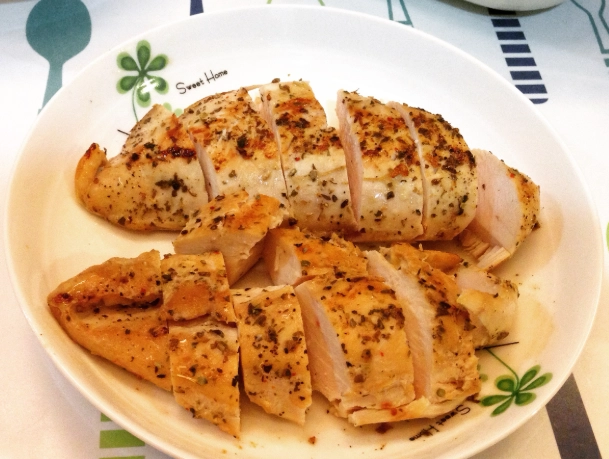
Reader Comments