Let's be honest. The idea of spending your entire Sunday in the kitchen, surrounded by a mountain of Tupperware, is enough to make anyone abandon meal prep before they even start. I've been there. I used to think meal prep meant eating the same bland chicken and broccoli for five days straight. It was miserable, and the food usually ended up in the trash by Wednesday. The truth is, most people get simple meal prep wrong from the very beginning. They focus on making complete meals, which leads to boredom and waste. The real secret? Stop prepping meals. Start prepping components.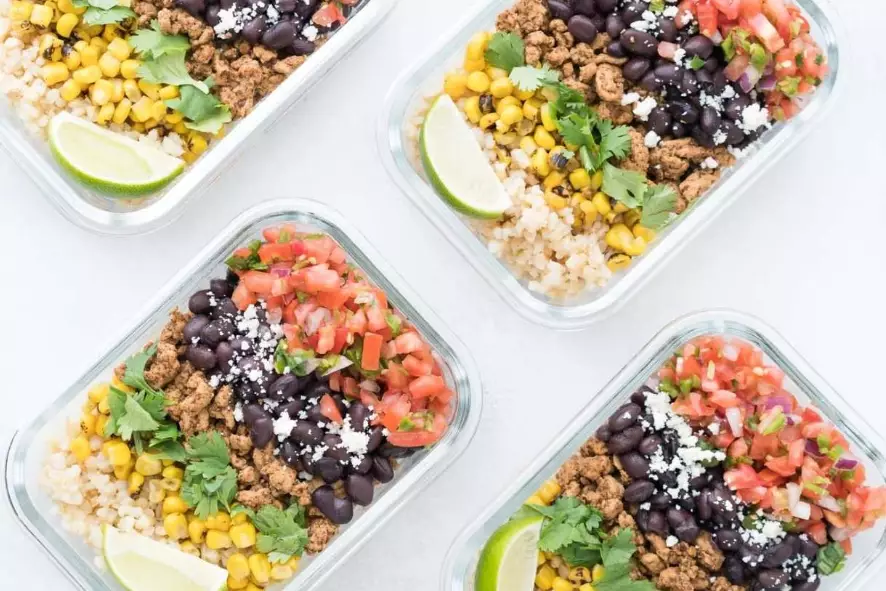
In This Article
Why Simple Meal Prep Ideas Fail (And What to Do Instead)
The biggest mistake is aiming for perfection. You see a picture-perfect Instagram grid of identical containers and think that's the goal. It's not. That approach ignores two key human factors: changing cravings and texture degradation. Cooked pasta turns to mush, lettuce gets soggy, and reheated fish can smell up the whole office.
My pivot came when I read about the "component" or "building block" method from dietitians. Instead of assembling full plates on Sunday, you prepare versatile, basic elements that stay fresh longer and can be combined in different ways throughout the week. This isn't just a theory; it's a practical game-changer. It respects your future self's desire for variety and acknowledges that food quality changes over time.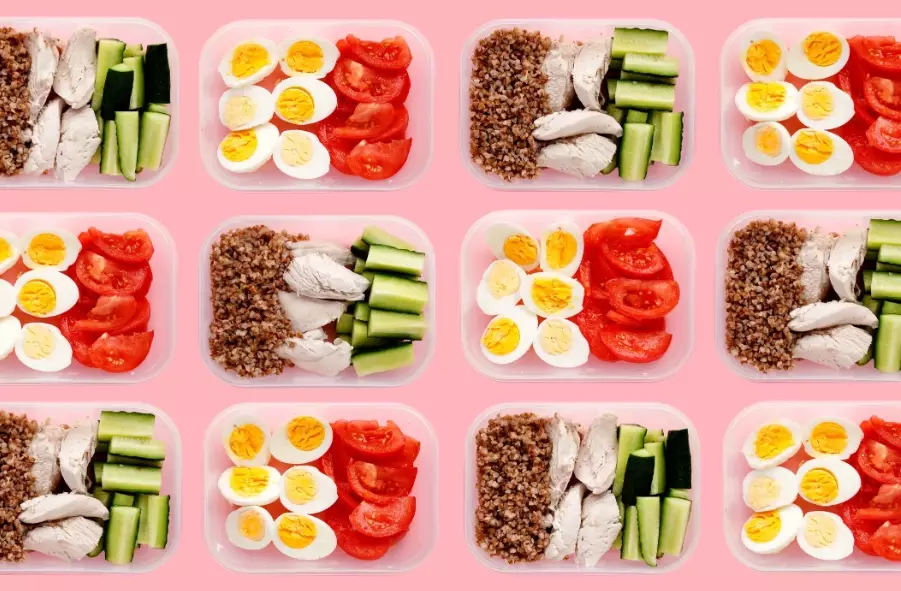
Think of it this way: You wouldn't build a car from scratch every morning. You have pre-made parts ready to assemble. Apply the same logic to your food. Have your "parts"—proteins, grains, veggies, sauces—ready to go.
How to Start Simple Meal Prep: 3 Core Principles
Forget the complex guides. If you remember these three things, you'll be ahead of 90% of people.
1. Batch the Foundation, Not the Finale
Your mission is to cook items that are the most time-consuming or that benefit from being made in bulk. This is almost never a fully dressed salad or a sauced stir-fry. It is things like:
- A big pot of a neutral grain: Quinoa, brown rice, or farro. Keep it plain.
- Roasted vegetables: Chop broccoli, bell peppers, sweet potatoes, and onions. Toss with oil, salt, and pepper, and roast on a sheet pan. The high heat brings out sweetness, and they reheat beautifully.
- Lean proteins in their simplest form: Bake a tray of chicken breasts or thighs seasoned only with salt, pepper, and paprika. Pan-sear or bake some firm tofu cubes. Hard-boil a dozen eggs.
2. Sauces and Dressings Are Your Superpower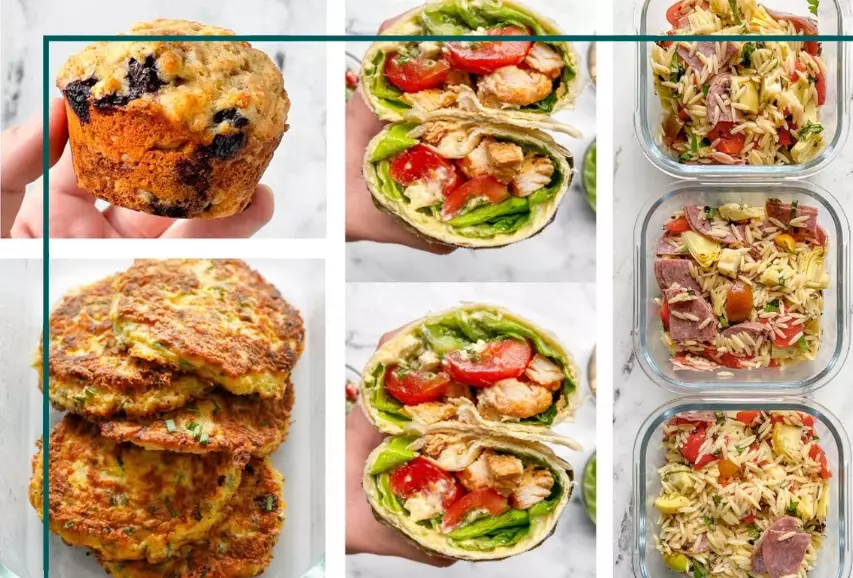
This is the single most overlooked trick for preventing boredom. Five different proteins and veggies can feel like twenty different meals with five different sauces. Spend 10 minutes whipping up 2-3 sauces. Store them in small jars or containers.
| Sauce Name | Key Ingredients | Best Paired With | Fridge Life |
|---|---|---|---|
| Lemon-Herb Vinaigrette | Olive oil, lemon juice, Dijon, garlic, fresh herbs (parsley, dill) | Grain bowls, salads, roasted veggies | 5 days |
| Creamy Tahini Sauce | Tahini, lemon juice, maple syrup, garlic, water to thin | Buddha bowls, drizzle over sweet potatoes, dip for raw veggies | 7 days |
| Peanut-Lime Dressing | Natural peanut butter, lime juice, soy sauce, ginger, chili garlic sauce | Asian-inspired bowls, noodle salads, chicken satay style | 5-6 days |
3. Respect the "No-Cook" Zone
Not everything needs heat. Designate parts of your prep that require zero cooking. This saves time, energy, and preserves crisp textures. Wash and spin dry salad greens, chop crunchy vegetables like cucumbers, radishes, and celery, rinse a can of beans, or portion out nuts and seeds.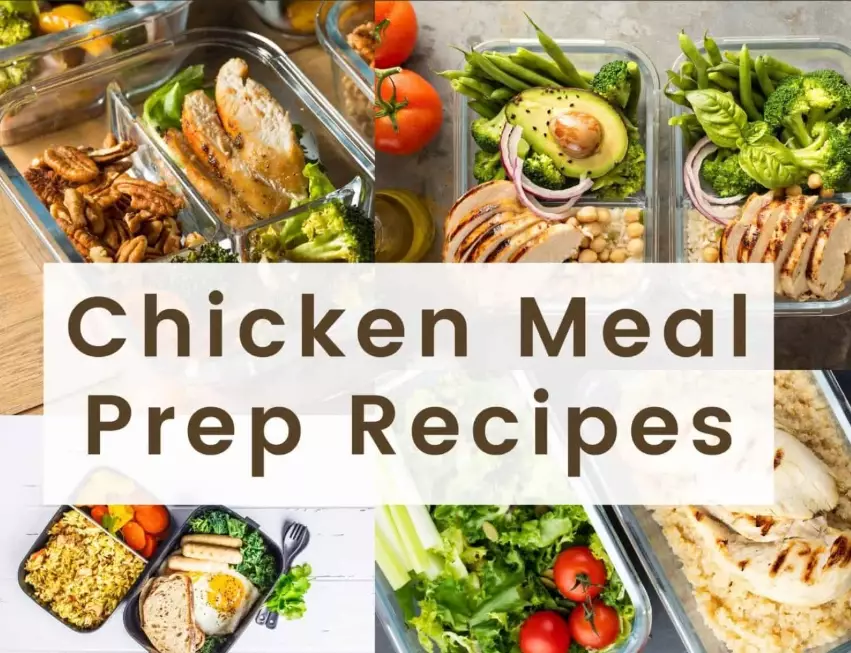
My Go-To No-Cook & Minimal-Cook Prep Ideas
For those weeks when even turning on the oven feels like too much, here’s your survival guide. These are my personal favorites when I'm pressed for time or it's just too hot to cook.
The "Assembly Only" Lunch Jar: Layer a mason jar with a bold dressing at the bottom, then chickpeas, then chopped cucumbers, cherry tomatoes, and bell peppers. Top with pre-washed spinach or arugula. At lunch, shake it up and eat straight from the jar. The dressing stays at the bottom until you mix it, so nothing gets soggy.
Overnight Oats Four Ways: Mix rolled oats with milk or yogurt in a container. Create separate topping bags: one with berries and almonds, one with peanut butter and banana slices, one with apple cinnamon, one with cocoa powder and chia seeds. Grab and go in the morning.
Adult Lunchables: This isn't just for kids. Use a bento-style container. Fill sections with: whole-grain crackers, sliced cheese, turkey or ham roll-ups, grapes, carrot sticks, and a small handful of almonds. It's refreshing, requires no reheating, and feels fun.
A Realistic 3-Day Simple Meal Prep Plan
Let's get concrete. Here’s exactly what I might do on a relaxed Sunday afternoon to set myself up for Monday through Wednesday dinners. It takes about 90 minutes, mostly hands-off while things roast.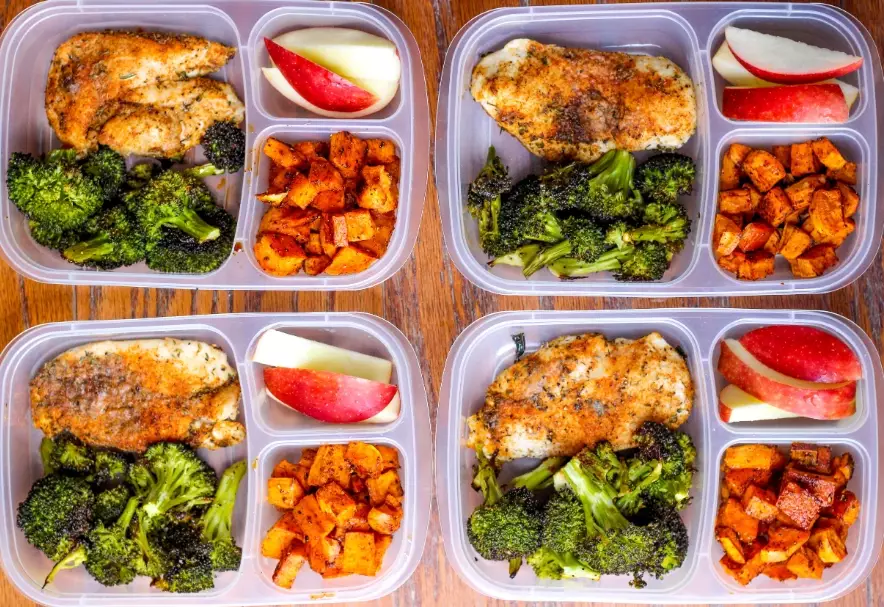
Step 1: The Roast (45 mins, active 10 mins). Preheat oven to 425°F (220°C). On one large sheet pan, toss chopped sweet potatoes and broccoli florets with olive oil, salt, and pepper. On another, place 4 chicken thighs (bone-in, skin-on for more flavor and juiciness) seasoned similarly. Roast for 35-45 minutes until chicken is cooked and veggies are caramelized.
Step 2: The Grain (20 mins). While that roasts, cook 1.5 cups of dry quinoa according to package directions. Fluff and let it cool uncovered so it doesn't steam itself soggy.
Step 3: The Extras (15 mins). Make the Lemon-Herb Vinaigrette from the table above. Rinse and drain a can of black beans. Chop one red onion and a bunch of cilantro. Store everything in separate containers.
Assembly During the Week:
Monday Bowl: Quinoa + black beans + roasted sweet potatoes + cilantro + a squeeze of lime. (Vegetarian)
Tuesday Plate: Shredded chicken thigh + roasted broccoli + quinoa + drizzle of vinaigrette.
Wednesday Salad: Chop remaining chicken, mix with red onion, cilantro, a little vinaigrette for a quick chicken salad. Serve over fresh greens you washed on Tuesday night.
Three distinct meals from one prep session. No boredom.
Keeping It Safe & Fresh: Storage Tips Nobody Talks About
Your food safety is non-negotiable. The USDA recommends refrigerating perishables within two hours (one hour if above 90°F/32°C). Let hot components like grains and roasted veggies cool to room temperature before lidding and refrigerating. This prevents condensation, which is the enemy of crispness and a friend of bacteria.
Invest in good containers. I'm not talking about a 50-piece set. Get a few large ones for grains and proteins, some medium for veggies, and small ones for sauces. Glass is best for reheating and doesn't stain, but BPA-free plastic is fine for cold items.
The "Eat First" Shelf: Designate a clear spot in your fridge for items that should be eaten in the next 1-2 days, like pre-chopped leafy greens or cooked fish. Put newer prepped items behind them. This first-in, first-out system cuts down on waste dramatically.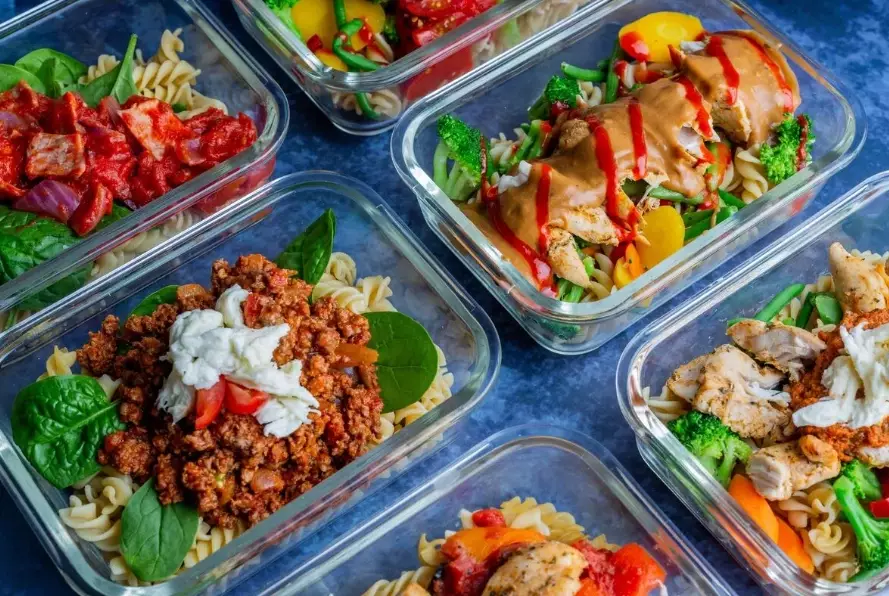
Your Simple Meal Prep Questions Answered
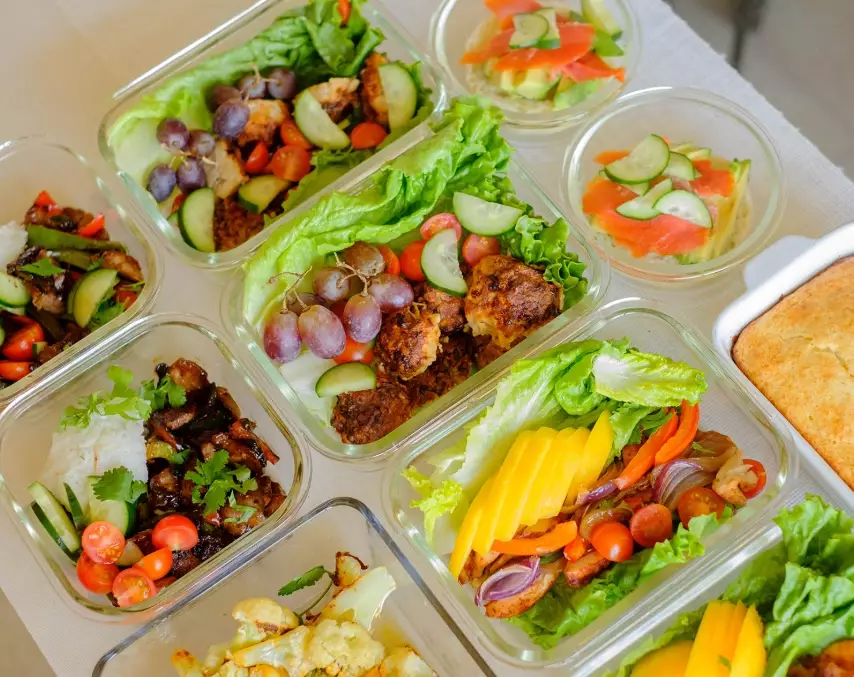 What's the one piece of equipment that made the biggest difference for you?
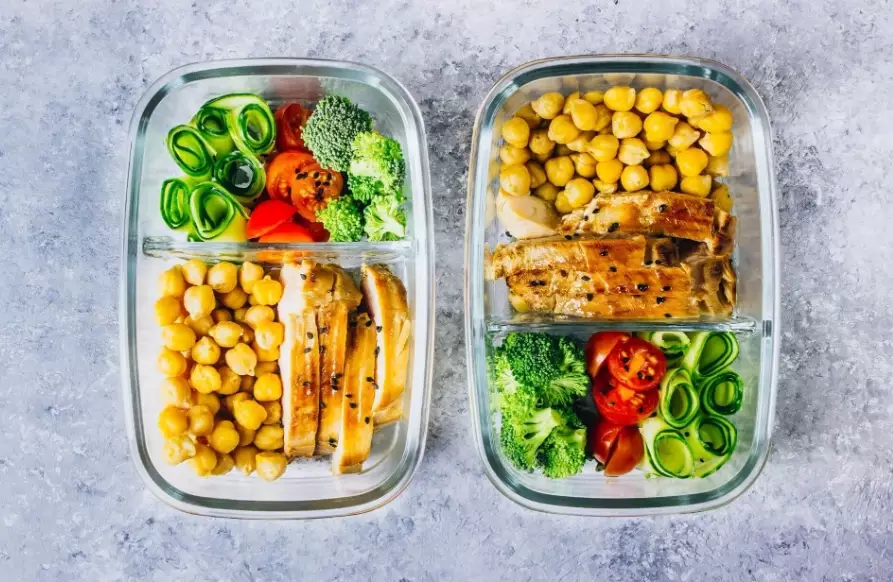 The bottom line is this: simple meal prep isn't about culinary perfection or rigid discipline. It's a practical system to give your future, busier self a gift. Start small. Prep just three components this weekend. See how it feels to have a healthy lunch ready on Monday without thinking. That small win is how the habit sticks, saving you time, money, and stress all week long.
Reader Comments