Let's be honest. The idea of making crispy chicken tenders at home usually involves a vat of oil, a mess to clean up, and that lingering fried-food smell in the kitchen. That's why I was skeptical when I first tried making air fryer chicken tenders with flour. I thought, "There's no way this gets as crispy as the deep-fried version." I was wrong. After a decade of testing recipes, from professional kitchens to my own countertop, I've nailed a method that delivers shockingly crunchy, juicy tenders every single time. The secret isn't a fancy ingredient—it's understanding how the flour coating interacts with the air fryer's intense heat. This guide will walk you through exactly how to do it, and I'll point out the tiny mistakes most beginners make that lead to soggy or uneven results.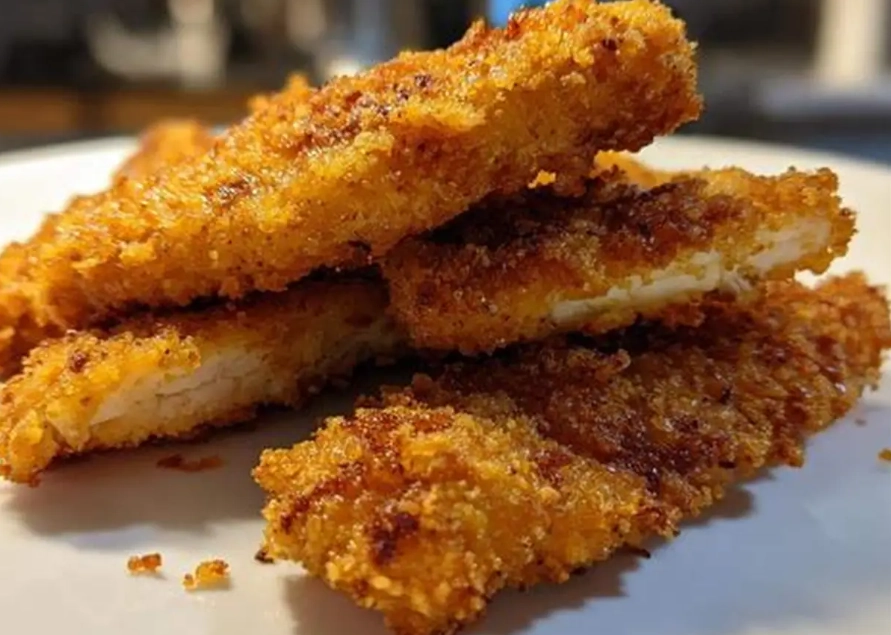
What's Inside This Guide
- Why This Air Fryer Chicken Tenders Recipe Works
- Ingredients Breakdown: More Than Just Flour
- How to Make Air Fryer Chicken Tenders with Flour: The Ultimate Step-by-Step Guide
- The 3 Most Common Mistakes (And How to Avoid Them)
- Beyond Basic: Flavor Variations & Serving Ideas
- Storage & Reheating: Keeping That Crunch
- Your Air Fryer Chicken Tenders Questions, Answered
Why This Air Fryer Chicken Tenders Recipe Works
You might wonder why use flour at all when many recipes jump straight to breadcrumbs or panko. Flour creates a foundational layer that, when cooked in the air fryer's rapid air circulation, forms a tight, crackly seal. This seal locks in the chicken's natural juices far better than a loose breadcrumb coating, which can sometimes dry out. The process—dipping in seasoned flour, then egg, then flour again—is classic for a reason. The first flour layer gives the egg something to grip onto, and the second layer puffs up into that craveable crust. The air fryer's high heat sets this coating quickly, mimicking deep-frying without submerging the food in oil. According to the USDA's safe cooking guidelines, poultry must reach 165°F internally, and the air fryer's consistent heat makes hitting that target without overcooking the exterior much easier than in a conventional oven.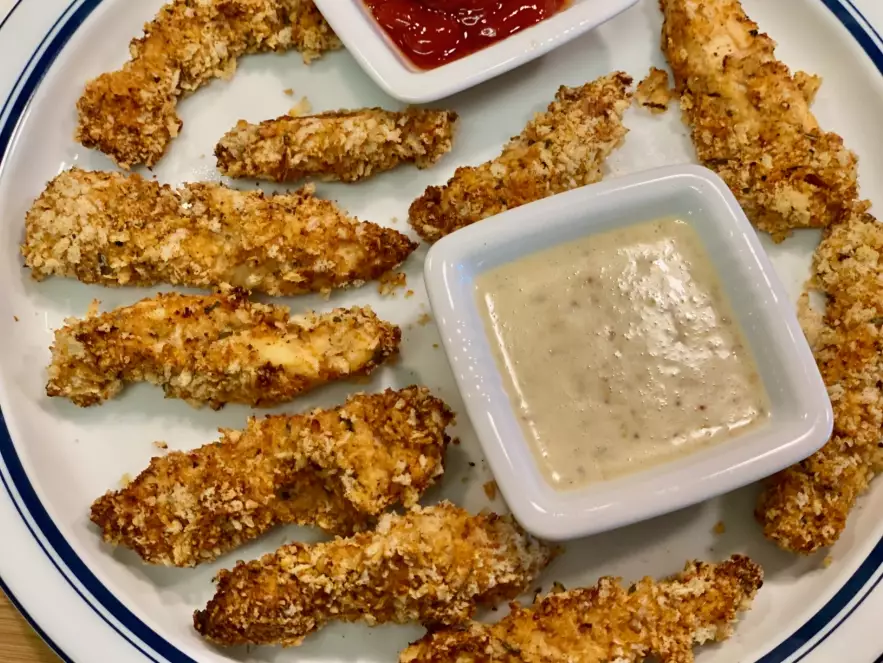
Ingredients Breakdown: More Than Just Flour
Gathering your ingredients is step one, but knowing why you're using them is what makes you a better cook. Here’s what you'll need for about 4 servings.
| Ingredient | Quantity | Purpose & Pro Tip |
|---|---|---|
| Chicken Tenders | 1.5 lbs (about 12-14 tenders) | Use fresh, not frozen (thawed is okay). Pat them bone-dry with paper towels. Moisture is the enemy of crispiness. |
| All-Purpose Flour | 1 ½ cups | The star. It creates the base coating. For a slightly nuttier flavor, you can swap ¼ cup with cornstarch for extra crunch. |
| Large Eggs | 2 | The glue. Whisk them with a tablespoon of water or milk—it thins them slightly for easier, more even coating. |
| Paprika | 2 tsp | For color and a sweet, smoky depth. Not just for looks. |
| Garlic Powder & Onion Powder | 1 tsp each | Use powder, not salt. They distribute flavor evenly without the risk of drawing out moisture like salt can in the flour mix. |
| Kosher Salt & Black Pepper | 1 tsp salt, ½ tsp pepper | Season the flour and the chicken directly. Layering seasoning is key. |
| Baking Powder | ½ tsp | The secret weapon. A tiny amount reacts with the heat to create micro-bubbles in the flour coating, making it extra light and crispy. |
| Cooking Oil Spray | As needed | Use an avocado or canola oil spray. The oil helps the flour brown and crisp. Don't use aerosol non-stick sprays with lecithin—they can damage your air fryer basket over time. |
How to Make Air Fryer Chicken Tenders with Flour: The Ultimate Step-by-Step Guide
1. Prep the Chicken and Station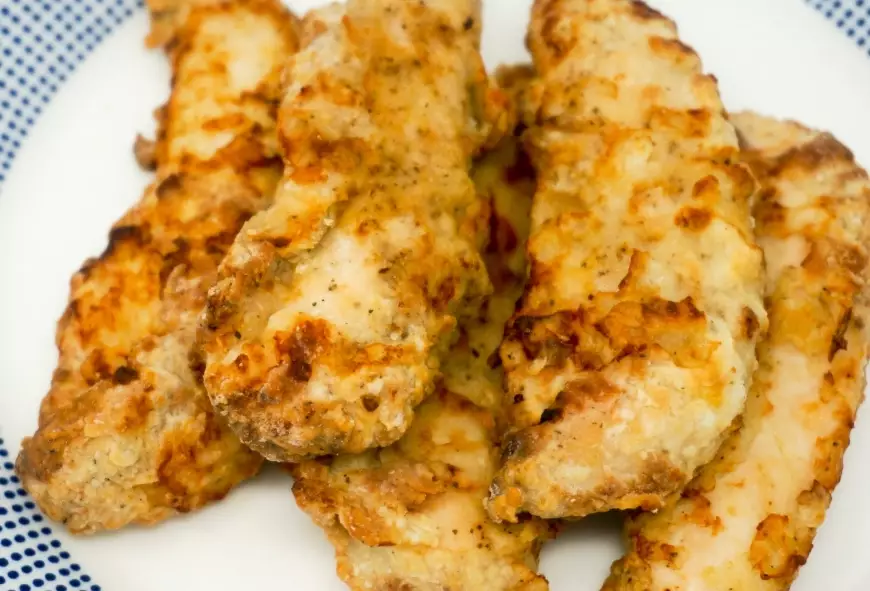
Take your chicken tenders and lay them out on a cutting board. Get a few paper towels and press down on each one firmly. You want them as dry as a desert. Season both sides lightly with a pinch of salt and pepper. Now, set up your breading station: one shallow bowl for the flour mixture, one for the whisked eggs, and an empty plate or tray for the coated tenders. Line them up in that order: flour, egg, plate. This "one-hand wet, one-hand dry" method keeps your fingers from becoming a breaded mess.
2. Season the Flour
In the first bowl, whisk together the 1 ½ cups of flour, paprika, garlic powder, onion powder, the remaining salt, pepper, and that crucial ½ teaspoon of baking powder. Whisk it thoroughly. You're not just mixing; you're aerating the flour, which helps create a lighter coating.
3. The Double-Dip Breading Process
Here’s where precision matters. Dredge a dried chicken tender in the seasoned flour, shaking off all the excess. Then, dip it fully into the egg wash, letting the excess drip off. Finally, place it back into the flour bowl for a second coat. Press the flour onto the chicken gently but firmly. You want it adhered, not just dusted. Place the fully coated tender on your clean plate. Repeat with all tenders.
4. Air Frying for Perfect Crispness
Preheat your air fryer to 400°F (200°C) for about 3 minutes. A hot start is non-negotiable for instant crisping. Lightly spray the basket with oil. Arrange the tenders in a single layer with space between them—no touching. Air needs to circulate. Lightly spray the tops of the tenders with oil. Cook for 7 minutes. Open the basket, carefully flip each tender using tongs, spray the other side lightly with oil, and cook for another 5-7 minutes, until golden brown and the internal temperature hits 165°F. Cooking time can vary by air fryer model and size of tenders, so start checking at the 5-minute mark on the second side.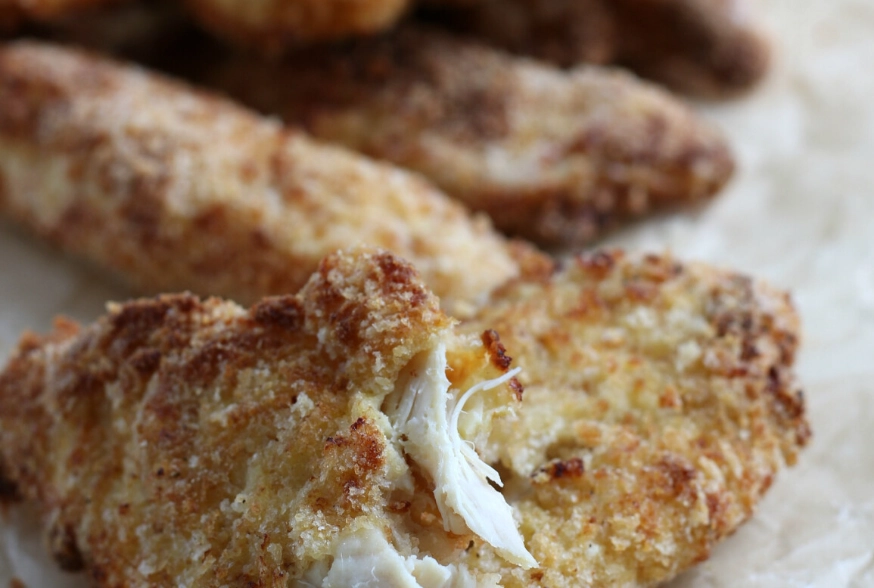
Quick-Reference Cooking Chart
Temperature: 400°F (200°C)
Time: 12-14 minutes total
Action: Flip and spray halfway through
Doneness: Golden brown, internal temp of 165°F
Serving: Let rest for 3-5 minutes before serving. This lets the juices redistribute so they don't all run out on the first bite.
The 3 Most Common Mistakes (And How to Avoid Them)
I've seen these errors ruin more batches than I can count.
Mistake 1: Skipping the Preheat. Putting cold chicken into a cold air fryer basket is like starting a road trip with an empty gas tank. The coating will absorb moisture and get soggy before it has a chance to crisp. Always preheat.
Mistake 2: Overcrowding the Basket. This is the single biggest reason for uneven cooking. If the tenders are piled on top of each other, they'll steam. You need space for the hot air to flow. Cook in batches if you have to. It's worth the wait.
Mistake 3: Not Using Any Oil. While the air fryer needs less oil, it still needs some. A light spritz is what triggers the Maillard reaction—the chemical process that gives you that beautiful brown color and deep flavor. Without it, the flour can taste pale and powdery.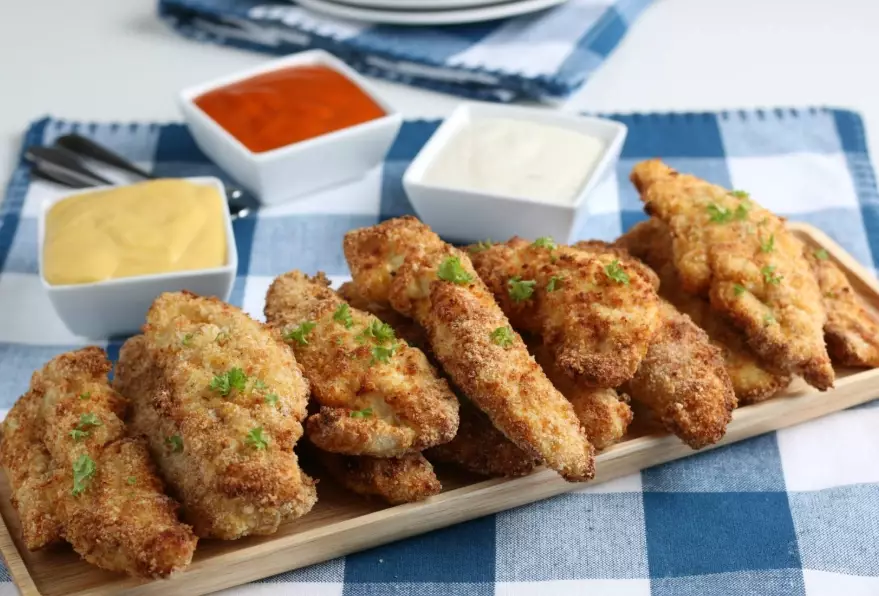
Beyond Basic: Flavor Variations & Serving Ideas
The basic recipe is a blank canvas. Once you've mastered it, try these twists by adjusting the flour mixture:
- Nashville Hot Style: After cooking, brush with a mix of 2 tbsp melted butter, 1 tbsp hot sauce, 1 tsp cayenne, and ½ tsp brown sugar.
- Lemon-Herb: Add the zest of one lemon and 2 tsp of dried Italian herbs (oregano, thyme) to the flour.
- Smoky BBQ Dry Rub: Replace the paprika with 2 tsp of your favorite BBQ dry rub seasoning.
For serving, skip the boring ketchup. Try honey mustard, a creamy ranch, or a spicy sriracha mayo. Serve them over a crisp green salad, tucked into toasted brioche buns with pickles, or alongside classic waffle fries for the ultimate comfort meal.
Storage & Reheating: Keeping That Crunch
Leftovers? Store them in an airtight container in the fridge for up to 3 days. To reheat, do not use the microwave. It will turn the crispy coating into rubber. Instead, reheat them in the air fryer at 375°F for 3-4 minutes. They won't be quite as perfect as fresh, but they'll be miles better than any microwave attempt. You can also freeze the uncooked, breaded tenders on a parchment-lined tray, then transfer to a freezer bag. Cook from frozen, adding 3-5 extra minutes to the cooking time.
Your Air Fryer Chicken Tenders Questions, Answered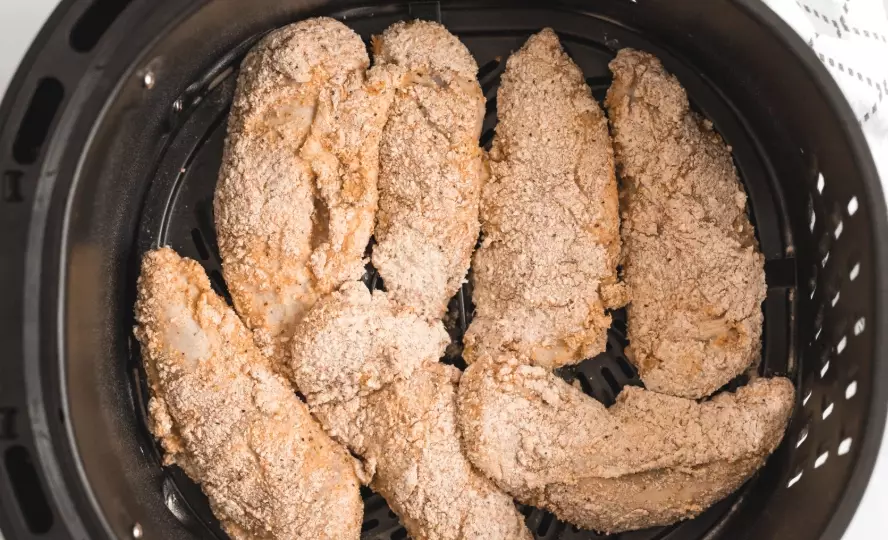
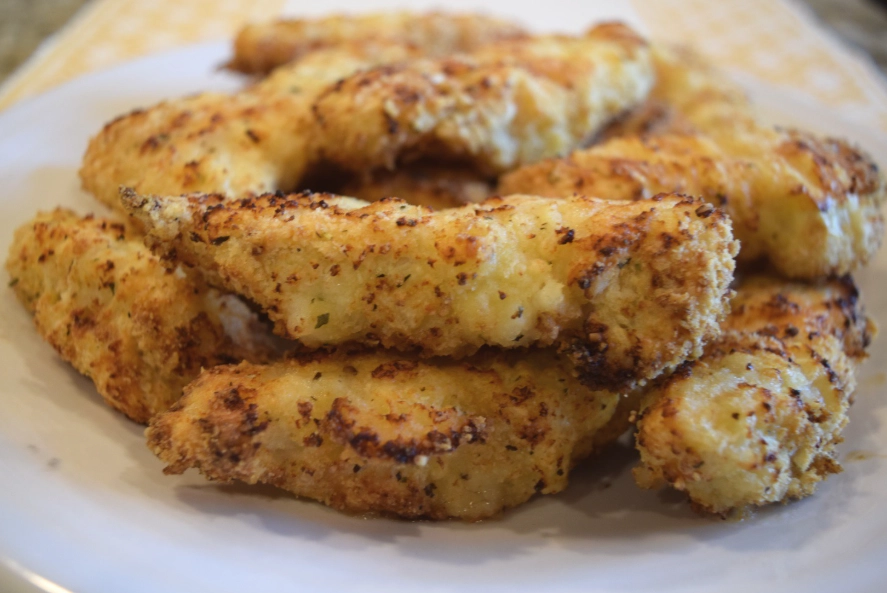 Why are parts of my coating soggy or peeling off after air frying?
Reader Comments