You've got the air fryer preheating and a pack of chicken tenders ready to go. The big question hangs in the air: how long, and at what temperature in Celsius, do these need to cook? The short, frustratingly vague answer is 8-12 minutes at 200°C. But if you stop there, you're gambling. I've made that mistake—ending up with rubbery, dry strips or, worse, undercooked centers that make you nervous. The real answer depends on a few critical factors: whether they're fresh or frozen, breaded or naked, and even the brand of your air fryer. Let's cut through the guesswork and get you perfect, juicy chicken tenders every single time.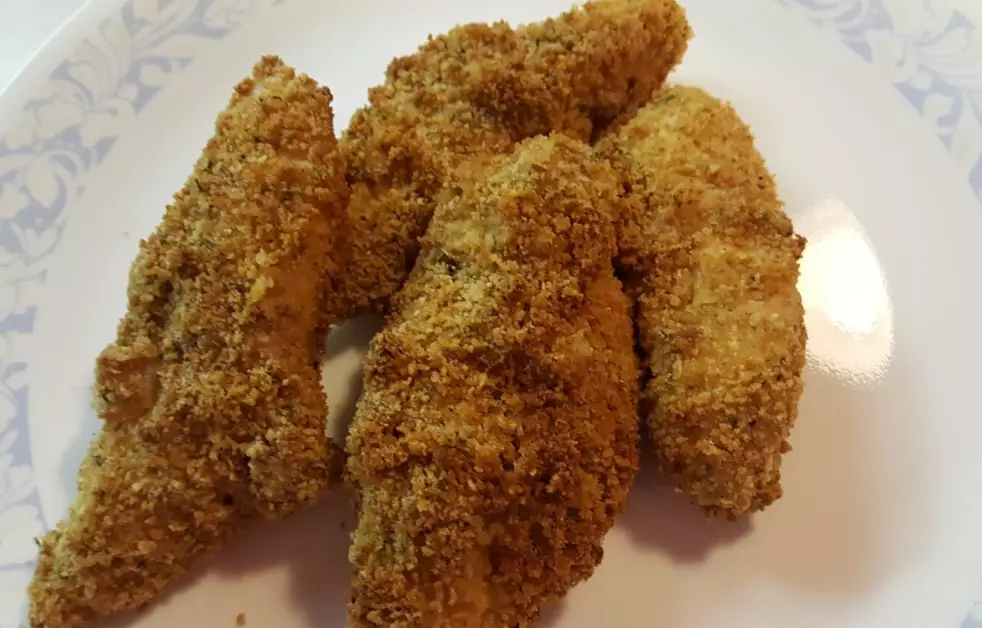
What You'll Find Inside
The Core Time & Temperature Guide (Celsius)
Think of 200°C as your universal starting point. It's hot enough to create a fantastic crisp on the outside while driving heat to the center efficiently. But the timer is where things get personal. Here’s a breakdown based on what you're actually cooking.
Fresh, Unbreaded Chicken Tenders
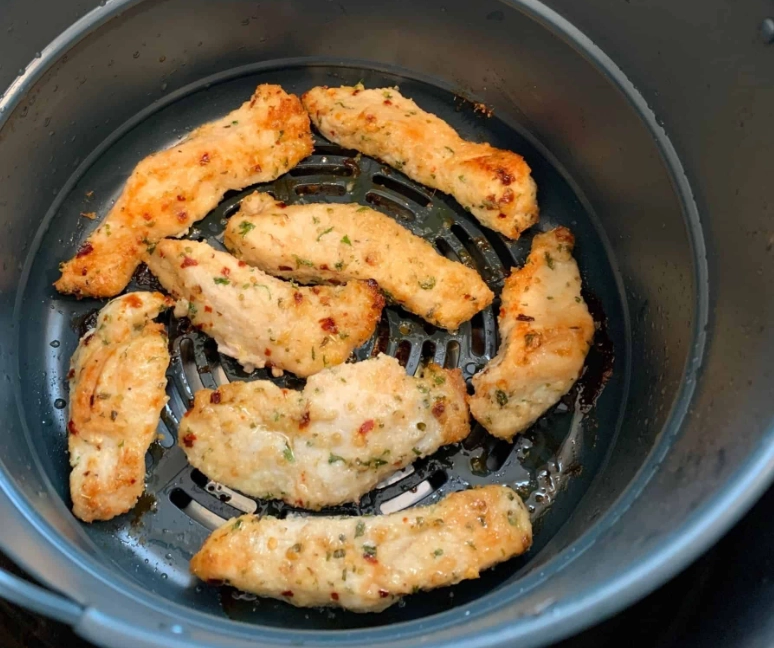
These are the purest form. For plain, seasoned chicken tenderloins (about 50-75g each), cook at 200°C for 8-10 minutes. Flip them halfway through. They cook fast because there's no insulating layer. Watch for a golden-brown exterior and check the internal temp at the thickest part.
Fresh, Breaded or Battered Tenders
This includes homemade breaded tenders or store-bought fresh ones like from the butcher counter. The breading adds a barrier. You need slightly lower heat for longer to cook the chicken through without burning the coating. Aim for 190°C for 10-12 minutes. Still flip halfway. The coating should be deeply golden and audibly crispy.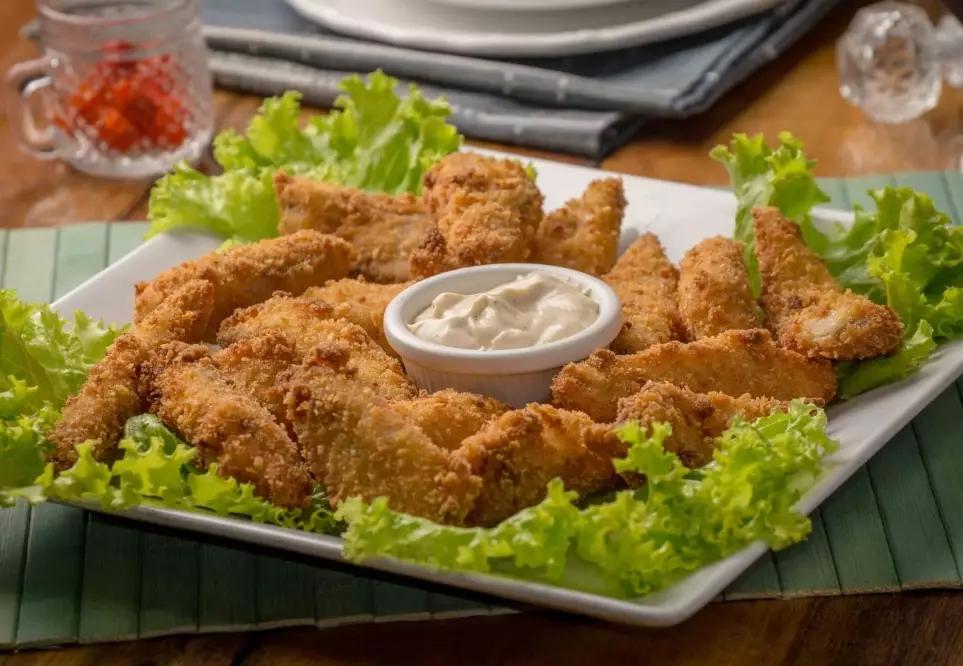
Frozen Breaded Chicken Tenders
This is the most common scenario. Brands like Tyson, Bell & Evans, or store brands vary in size and coating. Do not thaw them. Cooking from frozen is key to preventing a soggy mess. The standard method is 200°C for 10-12 minutes, flipping at the halfway mark. However, for extra-thick or heavily battered tenders, a two-stage approach works wonders: 190°C for 12 minutes, flip, then 200°C for 2-3 minutes to extra-crisp the exterior.
| Chicken Tender Type | Air Fryer Temperature | Approximate Time | Key Action |
|---|---|---|---|
| Fresh, Unbreaded | 200°C | 8-10 minutes | Flip halfway |
| Fresh, Breaded | 190°C | 10-12 minutes | Flip halfway |
| Frozen, Breaded (Standard) | 200°C | 10-12 minutes | Flip halfway |
| Frozen, Breaded (Thick/Heavy) | 190°C then 200°C | 12 + 2-3 minutes | Flip after first stage |
Step-by-Step: From Fridge to Plate
Let's walk through a foolproof process, using frozen breaded tenders as our example.
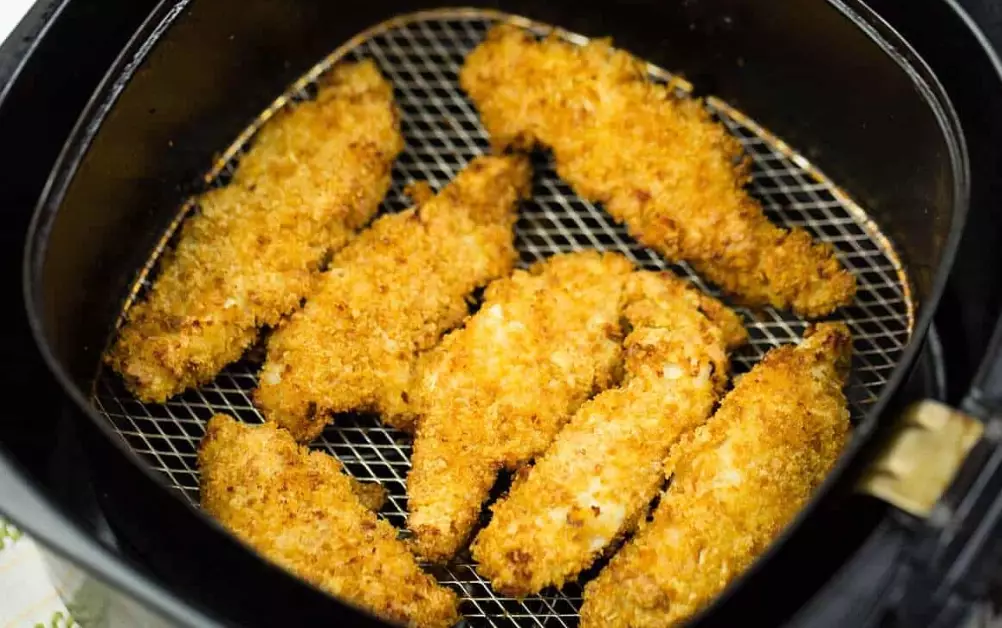
- Preheat is Non-Negotiable. Set your air fryer to 200°C and let it run for 3-5 minutes. This ensures immediate, aggressive cooking for crispiness. Skipping this leads to steaming.
- Arrange in a Single Layer. Don't overcrowd. Give each tender some breathing room. If they touch, they'll steam each other. Cook in batches if needed.
- Cook and Flip. Set your timer for 6 minutes. After it beeps, open the basket (it's safe, the cooking pauses) and flip each tender with tongs. This exposes all sides to the direct heat.
- Finish and Check. Cook for another 4-6 minutes. Start checking at the 10-minute total mark. The coating should be deep golden brown. Pierce the thickest tender with a thermometer. If it reads 74°C, you're done. If not, add 1-minute increments.
- Rest Briefly. Let them sit in the basket (turned off) for 2 minutes. This allows the juices to redistribute, preventing them from all gushing out on the first bite.
Expert Tricks for the Best Tenders
Here's where a decade of trial and error pays off. These aren't just tips; they're game-changers.
The Spray Oil Secret for Homemade Tenders: If you're coating your own tenders in breadcrumbs or panko, a very light spritz of oil (like canola or avocado) after they're in the basket makes a world of difference. It promotes even browning and an incredible shatter-like crisp. Don't drown them—a mist is enough.
Why Your Air Fryer Brand Matters: A Ninja, Philips, Cosori, or Instant Pot all have slightly different airflow patterns and heating element placements. My Ninja tends to run a bit hotter and faster than my older Philips. Treat the times in the table as a solid starting point, but consider your second batch the "calibration" batch. Note the perfect time for your machine.
The Parchment Paper Debate: I rarely use it for tenders. It can block the crucial airflow from the bottom, resulting in a less crispy underside. If you're desperate for easy cleanup, use a perforated parchment round or, better yet, just let the basket soak after cooking.
Common Mistakes & How to Fix Them
I've made all of these so you don't have to.
Soggy Bottoms: This is almost always caused by overcrowding or no preheat. The tenders release moisture that can't evaporate fast enough, creating steam. Solution: Single layer. Always preheat.
Burnt Outside, Raw Inside: The temperature is too high. The exterior crust sets before heat penetrates. This happens a lot with dense, frozen tenders. Solution: Use the two-stage method (190°C then finish at 200°C) outlined above.
Dry, Chewy Texture: You've overcooked them. Chicken tenderloins are lean and have little fat to protect them. Once they shoot past 74°C and head towards 80°C, they tighten up and expel moisture rapidly. Solution: Trust the thermometer, not just the clock. Pull them at 74°C.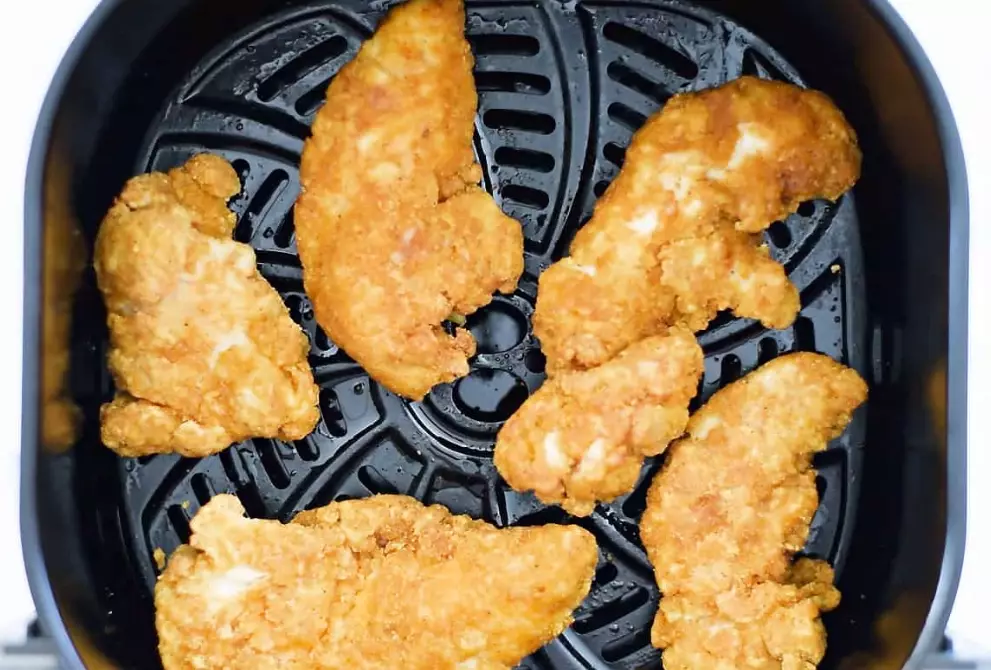
Your Questions, Answered
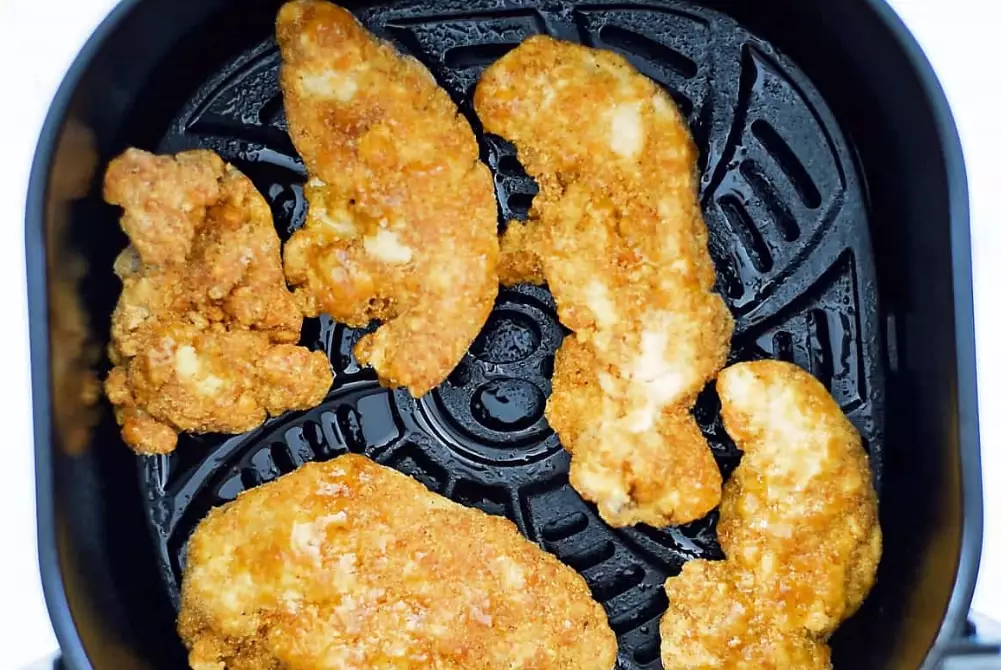 Why are my homemade breaded tenders not getting crispy in the air fryer?
 The beauty of the air fryer is its consistency once you nail down its personality. Start with 200°C for 10-12 minutes for your frozen tenders, flip them, and trust the process. Invest in that thermometer. After a batch or two, you'll have the timing memorized for your specific machine, and you'll never second-guess dinner again. It's not just about following a time; it's about understanding the why behind it. Now go get that perfect crunch.
Reader Comments