Let's be honest. The default lunch option—grabbing something quick, expensive, and often unhealthy—is a trap. You feel rushed, spend too much money, and end up with food that makes you sleepy by 3 PM. I've been there. For years, I told myself I was too busy to prep lunch. Then I calculated I was spending over $60 a week on mediocre salads and sandwiches. That was the wake-up call.
Healthy meal prep for lunch isn't about spending your entire Sunday in the kitchen. It's a simple system. You batch-cook a few key components, mix and match them throughout the week, and boom—you have tasty, nutritious lunches ready in minutes. It saves money, reduces decision fatigue, and puts you in control of what you eat. The key is starting with the right ideas and a realistic plan, not a Pinterest-perfect fantasy.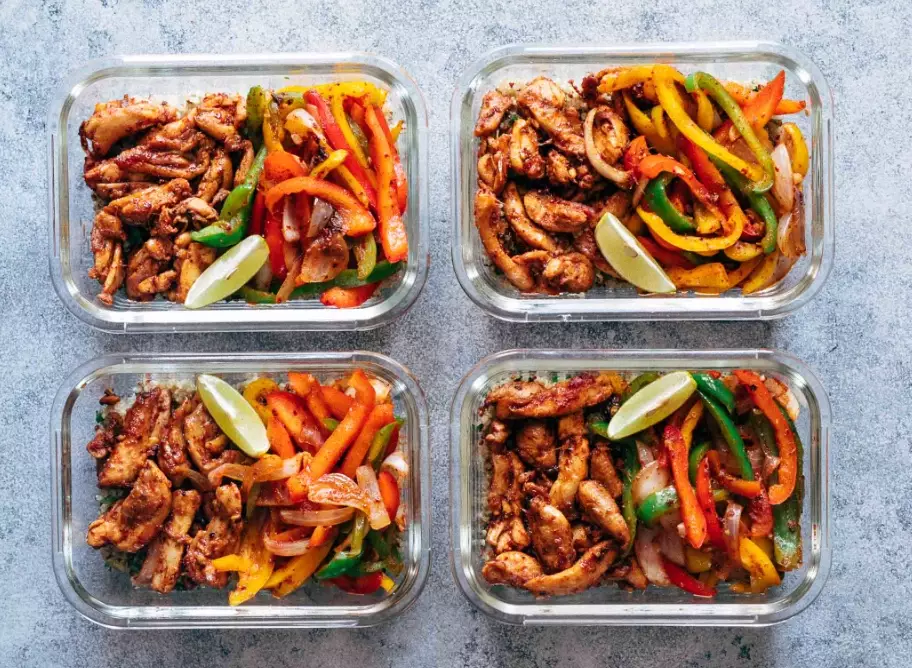
Your Quick Guide to Lunch Prep Success
The 4 Core Components of Every Great Lunch
Think of your lunch container as a plate you're building in advance. Every satisfying, balanced meal needs these four elements. Nail this formula, and you'll never have a boring lunch again.
1. The Protein. This is your anchor. It keeps you full and fuels your muscles. Options: grilled chicken breast (batch-cook 2 lbs at once), baked salmon fillets, hard-boiled eggs, canned tuna (pack it separately), lentils, black beans, chickpeas, or baked tofu. Don't be shy with seasoning here—underseasoned protein is the #1 reason people give up on meal prep.
2. The Complex Carb. Your energy source. Go for whole grains and starchy veggies that reheat well. Options: quinoa, brown rice, farro, roasted sweet potato cubes, whole-wheat pasta, or barley. Cook a big pot on prep day.
3. The Veggies (Lots of Them). Volume, fiber, and nutrients. Use a mix of cooked and raw. For cooked: roast a big tray of broccoli, bell peppers, zucchini, and onions. For raw: keep chopped cucumber, cherry tomatoes, or shredded cabbage ready to add for crunch.
4. The Flavor & Fat. This is the magic that makes it delicious. A sauce, dressing, sprinkle of cheese, or handful of nuts. A simple lemon-tahini sauce or a yogurt-herb dressing can transform plain ingredients. Store dressings in small separate containers.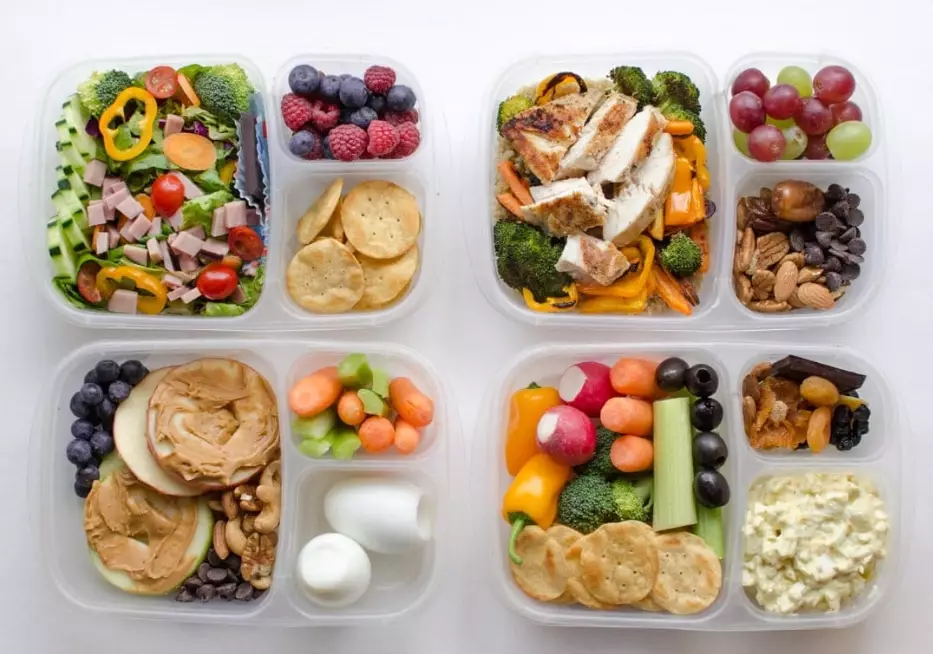
3 No-Fail Healthy Lunch Prep Recipes
These aren't just recipes; they're templates. Each one uses the core component system and can be adapted based on what you have.
| Recipe Name | Key Components | Prep Day Action (45 mins) | Weekly Yield |
|---|---|---|---|
| Mediterranean Power Bowls | Protein: Lemon-Herb Chicken or Chickpeas Carb: Quinoa Veggies: Roasted Bell Peppers, Cucumber, Cherry Tomatoes Flavor: Tzatziki Sauce, Kalamata Olives, Feta |
1. Cook quinoa. 2. Season & bake chicken breasts or roast chickpeas. 3. Chop cucumbers/tomatoes. 4. Make quick tzatziki (Greek yogurt, cucumber, garlic, dill). | 4-5 filling bowls. Keep sauce separate until eating. |
| Hearty Lentil & Veggie Salad | Protein: French Lentils Carb: (Lentils serve as both) Veggies: Massaged Kale, Shredded Carrot, Red Onion Flavor: Apple Cider Vinaigrette, Toasted Walnuts, Goat Cheese |
1. Cook lentils until tender. 2. Massage chopped kale with a bit of oil and salt. 3. Shred carrots, slice onion. 4. Whisk vinaigrette. Store all components separately. | 4 large salads. Assemble morning-of to keep kale crisp. |
| Mexican-Inspired Burrito Bowls | Protein: Seasoned Ground Turkey or Black Beans Carb: Cilantro-Lime Rice Veggies: Corn, Sautéed Peppers & Onions, Romaine Flavor: Pico de Gallo, Avocado (add fresh), Lime Wedge |
1. Cook rice, stir in lime juice and cilantro. 2. Brown turkey with taco spices or heat beans. 3. Sauté pepper/onion mix. 4. Prepare pico de gallo (tomato, onion, cilantro, lime). | 4-5 bowls. Pack avocado and lettuce separately. |
The beauty is in the assembly. On Sunday, you're not making 5 identical meals. You're prepping 5-6 containers of components. On Monday morning, you grab a container, add a scoop of quinoa, some chicken, roasted veggies, and a sauce. It takes 90 seconds.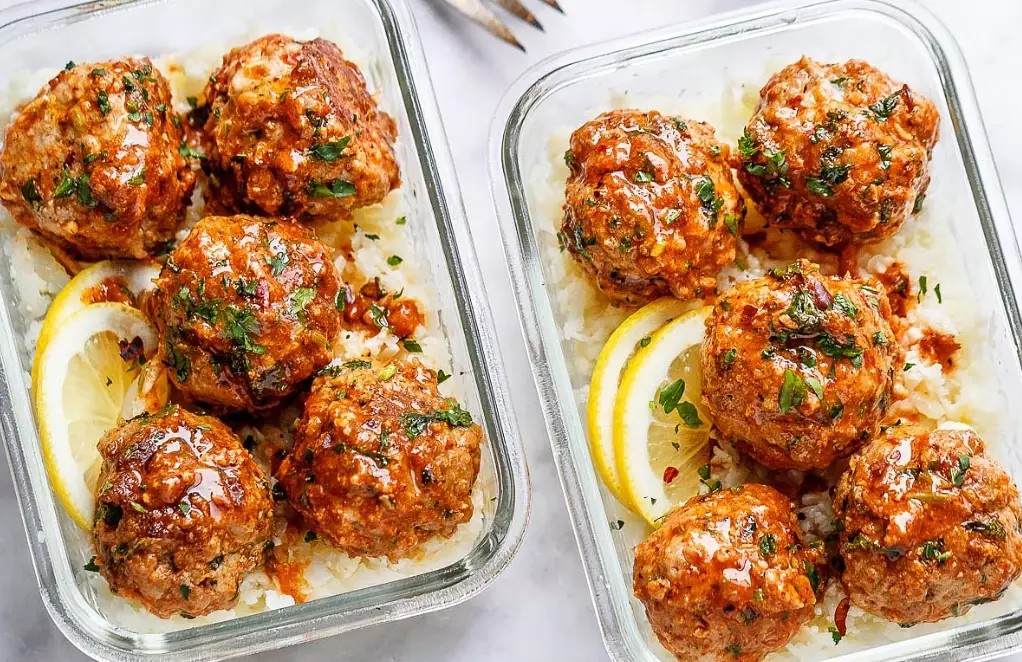
Your Weekly Mix-and-Match Assembly Plan
Here’s what a realistic prep Sunday looks like for me, aiming for 4 lunches. The goal is parallel processing, not sequential cooking.
1:00 PM - Oven On. Preheat to 400°F (200°C). Chop 2 sweet potatoes, 2 heads of broccoli, and 3 bell peppers into bite-sized pieces. Toss with olive oil, salt, pepper, and paprika. Spread on two baking sheets. This is your veggie base for the week.
1:15 PM - Stovetop Action. While veggies roast (for 25-30 mins), rinse 1.5 cups of quinoa and cook it in vegetable broth according to package directions. In another pot, start simmering a batch of black beans or lentils if using from dry (canned is perfectly fine for speed).
1:30 PM - Protein Time. Take 4 chicken thighs or breasts. Pat dry, season generously. When the veggies come out, put the chicken on one of the sheets and return to the oven for 20-25 minutes.
1:50 PM - Sauce & Finish. Make a big batch of a simple sauce. My go-to is 1 cup Greek yogurt, juice of 1 lemon, 2 minced garlic cloves, salt, and a handful of chopped herbs. Taste it. Does it need more lemon? Add it. This is where most recipes fail—they don't tell you to adjust seasoning to your taste.
By 2:30 PM, everything is cooked, cooled, and stored in separate airtight containers in the fridge. I've used maybe 3 dishes total.
The 3 Biggest Meal Prep Mistakes (And How to Avoid Them)
I've made all of these. Learning from them changed the game.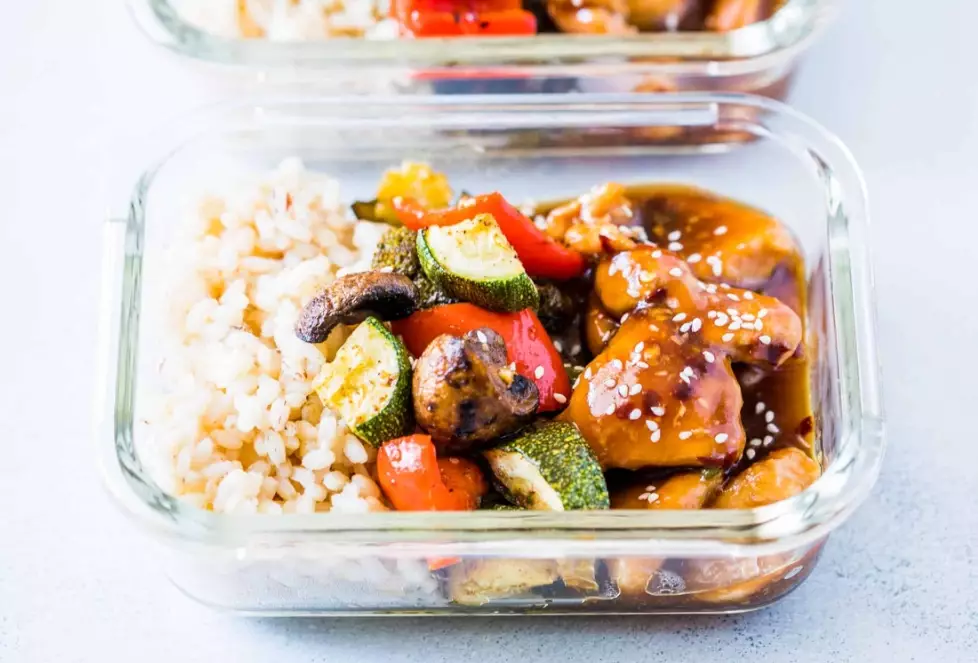
Mistake 1: Pre-Assembling Wet Salads
Putting dressing on greens or juicy ingredients like tomatoes on Monday for a Friday lunch creates a soggy, unappetizing mess. The Fix: Use the component system. Keep wet ingredients (dressing, salsa, tomatoes) and dry/crisp ingredients (greens, nuts, crackers) in separate small containers or compartments. Assemble just before eating.
Mistake 2: Ignoring Texture and Temperature Contrast
All soft, lukewarm food is dull. The Fix: Intentionally add elements with crunch and freshness that don't need reheating. Examples: a small bag of tortilla chips for your bowl, a handful of sunflower seeds, a side of apple slices, or a few leaves of crisp romaine added after reheating the warm parts.
Mistake 3: Not Investing in the Right Gear
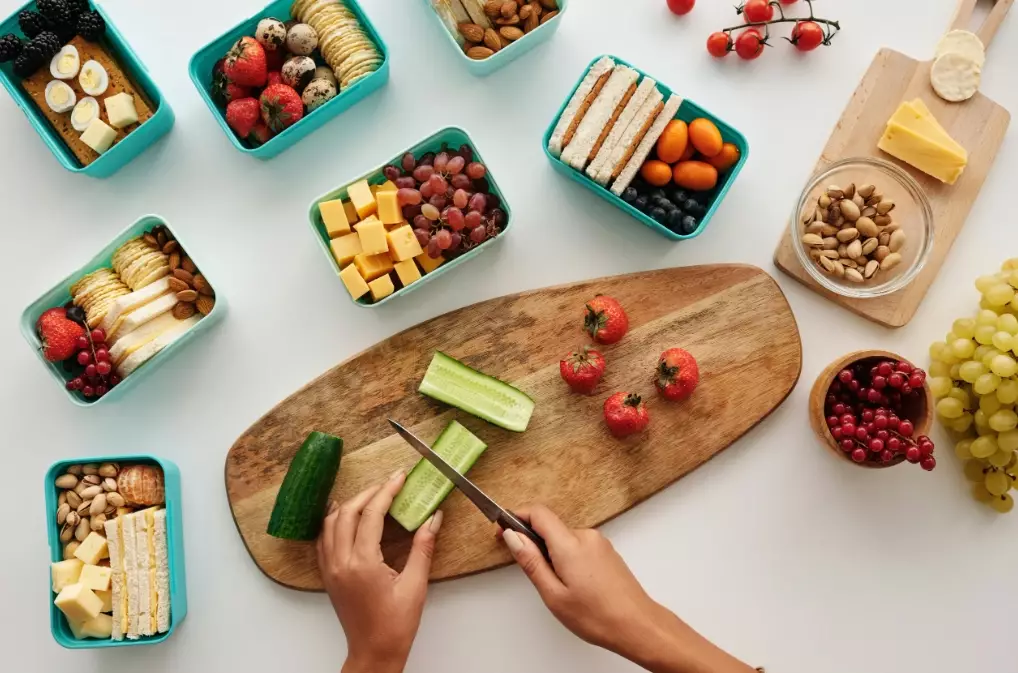
Leaky containers or ones that don't stack will demotivate you. The Fix: Get 3-4 good-quality, leak-proof, compartmentalized containers (glass is best for reheating and avoiding stains). They don't have to be expensive, but they must seal properly. This is non-negotiable for success.
Keeping Food Fresh: Storage & Reheating Tips
Food safety and quality matter. According to the USDA, cooked food should be refrigerated within two hours and is generally safe for 3-4 days.
- Cool Completely: Don't put hot food directly in the fridge. Let components cool on the counter for 20-30 minutes before storing to prevent condensation (which makes things soggy) and raising your fridge's temperature.
- Reheat Smartly: For grains and proteins, sprinkle a teaspoon of water over them before microwaving to reintroduce moisture. Reheat covered with a damp paper towel. For veggies, a quick reheat is enough—overcooking makes them mushy.
- Freeze for Flexibility: Soups, stews, and cooked grains like rice freeze exceptionally well. Portion them out for weeks when you can't do a full prep. A study in the Journal of Food Composition and Analysis notes that freezing preserves nutrients effectively.
Your Lunch Prep Questions, Answered
 Is it cheaper to meal prep lunches than to buy them?
Reader Comments