Quick Guide
- Why Getting Kids' Snacks Right Matters More Than You Think
- The Parent's Snack-Time Toolkit: Principles Before Recipes
- Our Go-To Snack Ideas for Kids, Sorted by Category
- Navigating the Nutritional Maze: A Quick Reference
- The Picky Eater Playbook: Sneaky (and Not-So-Sneaky) Strategies
- Answering Your Biggest Snack Questions (The FAQ)
- Putting It All Together: A Week of Simple Snack Ideas
Let's be honest for a second. Finding good snack ideas for kids can feel like a daily battle. You're staring into the fridge or pantry, the clock is ticking towards the next meltdown (yours or theirs), and you're trying to balance something healthy with something they won't just push around their plate. I've been there more times than I can count. My youngest once declared a perfectly good apple "too round" and refused to eat it. Kids, right?
But here's the thing. Snacks aren't just about stopping the hunger whines. They're crucial fuel for those growing bodies and busy brains. A good snack can bridge the gap between meals, provide essential nutrients, and even be a sneaky way to get in an extra serving of veggies. The goal isn't perfection—it's progress. Moving away from the packaged stuff and towards real food that's fun, simple, and satisfying.
This guide is my attempt to dump everything I've learned—through trial, error, and many, many rejected carrot sticks—into one place. We'll move beyond just a list of kid-friendly snacks and dig into the *how* and *why*. How to make them appealing, how to save time, and why certain combinations work better than others. Consider this your friendly, non-judgmental kitchen companion for the snack-time wars.
Why Getting Kids' Snacks Right Matters More Than You Think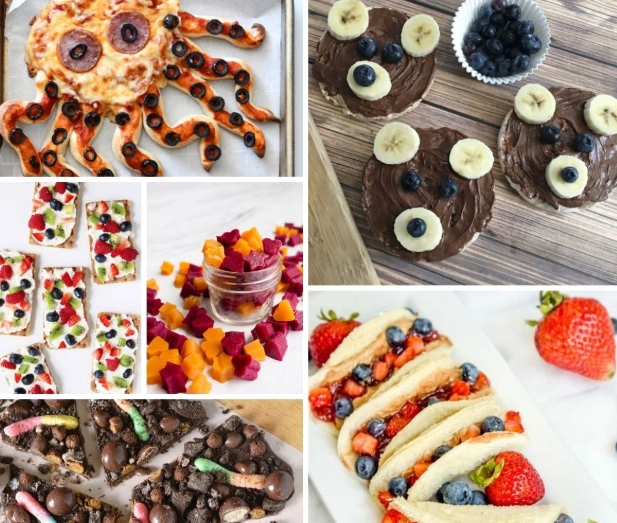
It's easy to dismiss snack time as just a filler activity. But think about a typical kid's day: school, homework, sports, playdates. Their energy needs are high, but their stomachs are small. They physically can't eat enough at three main meals to sustain all that activity. That's where smart snacking comes in.
A well-timed, balanced snack does a few key things. It stabilizes blood sugar, preventing those energy crashes that lead to grumpiness (or full-blown tantrums). It provides a steady stream of nutrients for growth and development. And perhaps most importantly for parents, it stops kids from becoming so hungry at dinner that they either snack too close to the meal or become "hangry" monsters, making the main meal a nightmare.
I learned this the hard way. We used to have a strict "no snacks after 4 PM" rule to protect dinner. Big mistake. By 5:30, everyone was starving and irritable. Dinner was rushed and stressful. When I shifted to offering a small, protein-rich snack around 4:30—like a cheese stick or a spoonful of nut butter—the entire dinner dynamic changed. They were calm enough to actually try their food. A small tweak with a huge payoff.
The Parent's Snack-Time Toolkit: Principles Before Recipes
Before we get to the actual snack ideas for kids, let's talk strategy. Having a few guiding principles makes the daily decision-making so much easier. It's the difference between feeling lost and having a game plan.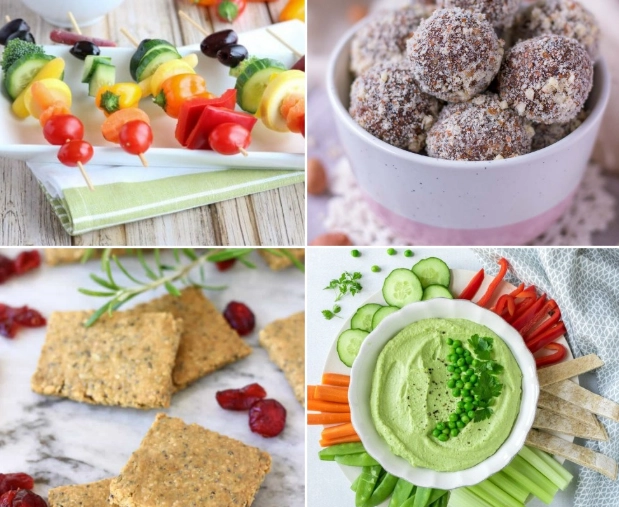
The Balance Formula: Protein + Fiber + Healthy Fat
This is the golden rule. A snack that combines these three elements will keep your child full and energized for much longer than a snack of simple carbs alone (looking at you, crackers or fruit snacks).
- Protein: Builds and repairs. Think yogurt, cheese, hummus, hard-boiled eggs, turkey slices, nut/seed butter.
- Fiber: Slows digestion and stabilizes energy. Comes from fruits, vegetables, and whole grains.
- Healthy Fat: Supports brain development and satiety. Found in avocado, nuts, seeds, olives, full-fat dairy.
So, instead of just an apple (fiber), serve apple slices with peanut butter (adds protein & fat). Boom. Balanced.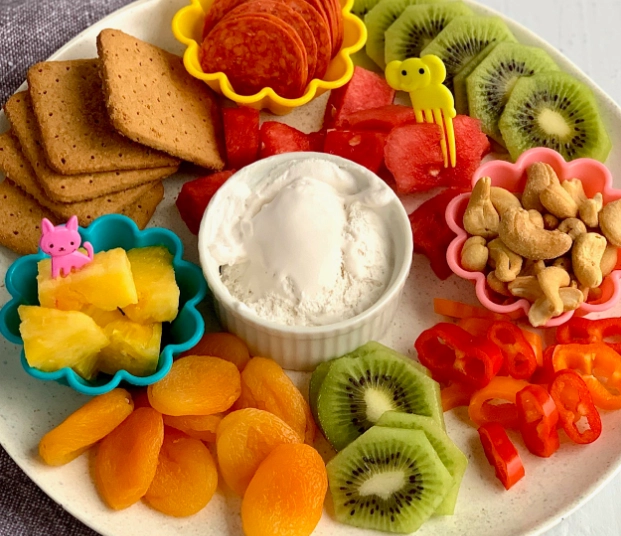
The Presentation Power-Up
Never underestimate the power of a cookie cutter or a silly name. For a picky eater, how food looks is often as important as how it tastes. I'm not talking about elaborate Instagram-worthy creations every day. Just small touches.
Cut sandwiches or cheese into fun shapes. Serve veggies with a dip in a colorful muffin tin (they call it "rainbow dipping"). Make fruit kebabs on popsicle sticks. Call celery with nut butter and raisins "Ants on a Log" (a classic for a reason!). One day, out of desperation, I called cucumber slices "green dragon scales" and my dragon-obsessed kid ate an entire cucumber. Marketing works.
Our Go-To Snack Ideas for Kids, Sorted by Category
Alright, let's get into the good stuff. Here are my family's tested-and-approved healthy snacks for kids, broken down to make your life easier. Mix and match based on what you have on hand.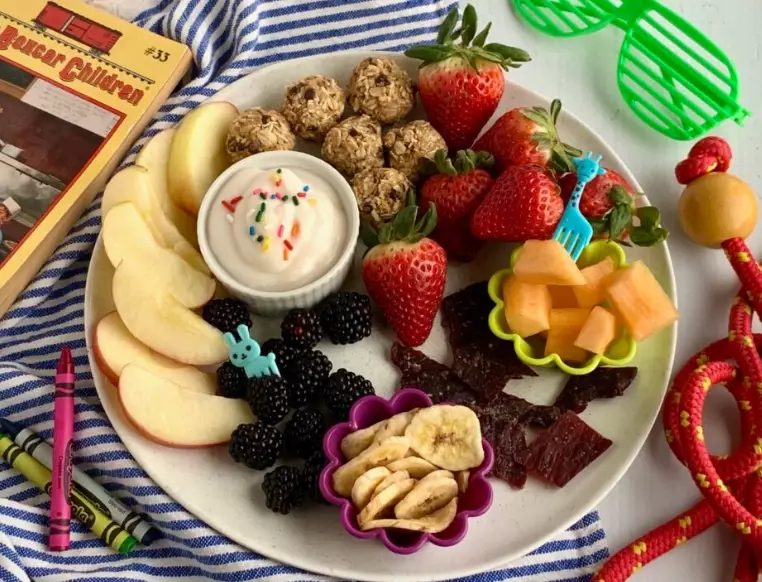
No-Prep, Grab-and-Go Snacks
For those days when you have zero time or energy. These live in our fridge or pantry, ready to deploy.
- String cheese or cheese cubes
- Individual yogurt cups (I look for ones with less than 10g of sugar)
- Unsweetened applesauce pouches
- Whole fruit (bananas, clementines, small apples, handful of berries)
- Baby carrots or snap peas (pre-washed in a container)
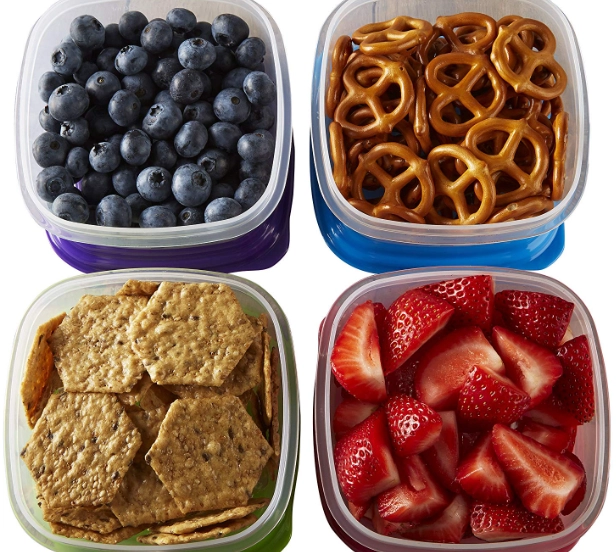
- Whole-grain crackers (like Triscuits or simple whole wheat crackers)
- A handful of nuts (for kids over 4, check for allergies)
- Roasted chickpeas (you can buy them seasoned or make a big batch)
2-Minute Assembly Required
A tiny bit of effort for a much bigger payoff in taste and nutrition.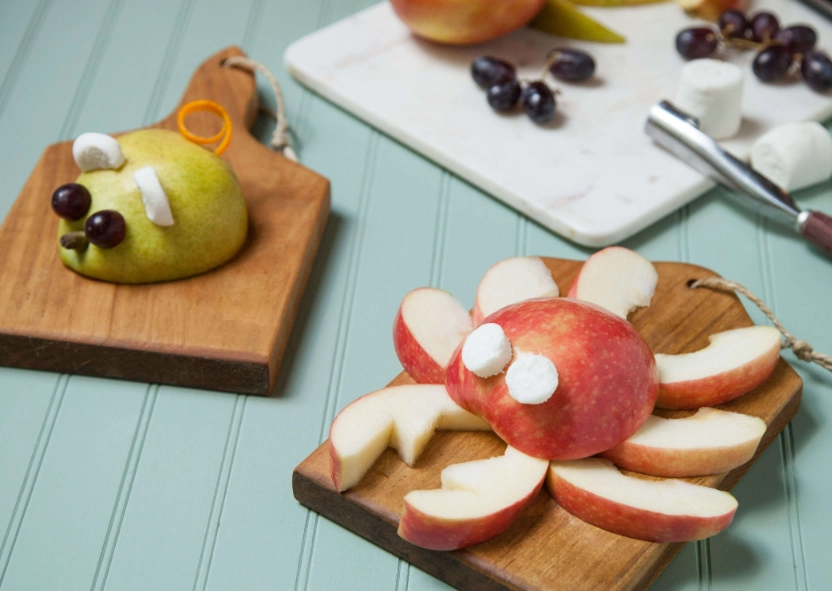
Classic Combos We Love:
- Apple "Cookies": Slice an apple crosswise into rounds, spread with nut butter, and top with raisins or chocolate chips. So much more fun than plain slices.
- Yogurt Parfait in a Cup: Layer yogurt, berries, and a sprinkle of granola in a small cup. Feels like a treat.
- Cucumber Sandwich Bites: Use cucumber slices as the "bread", spread with cream cheese, and add a slice of turkey or ham in the middle.
- Quick Quesadilla: Sprinkle cheese on a whole-wheat tortilla, fold, and microwave for 30 seconds. Cut into triangles. Serve with salsa for dipping if you're feeling fancy.
- Banana Sushi: Spread a whole wheat tortilla with nut butter, place a whole banana on one edge, roll it up, and slice into bite-sized pieces.
Make-Ahead & Batch-Friendly Snacks
Spend 30 minutes on a Sunday and thank yourself all week. These are freezer or fridge heroes.
- Energy Bites: There are a million recipes, but our base is oats, nut butter, a touch of honey, and mix-ins like mini chocolate chips, chia seeds, or dried fruit. Roll, refrigerate. Done.
- Mini Muffins: Whip up a batch of whole-wheat banana, zucchini, or pumpkin muffins. Freeze them and pop one in the lunchbox or microwave for 20 seconds.
- Hard-Boiled Eggs: Peel them and keep them in a container in the fridge. The ultimate protein punch.
- Homemade "Lunchable" Boxes: On Sunday, fill small containers with cheese cubes, whole-grain crackers, and turkey or ham slices. Grab one and go.
- Frozen Fruit Pops: Blend yogurt with fruit (like strawberries or mango) and a splash of milk, pour into popsicle molds, and freeze. A healthy alternative to sugary ice pops.
Navigating the Nutritional Maze: A Quick Reference
It can get confusing trying to remember what food offers what. This table isn't about rigid rules, but a handy cheat sheet to help you build those balanced snacks we talked about.
| Food Category | Great For (Key Nutrients) | Kid-Pleasing Examples | Quick Pairing Idea |
|---|---|---|---|
| Fruits | Vitamins (C, A), Fiber, Natural Sugars for quick energy | Berries, Banana, Apple slices, Clementines, Melon cubes, Frozen grapes | Pair with cheese or yogurt for protein. |
| Vegetables | Fiber, Vitamins, Minerals, Antioxidants | Baby carrots, Cucumber slices, Cherry tomatoes, Sugar snap peas, Bell pepper strips | Always serve with a fun dip (hummus, ranch, guacamole). |
| Protein Powerhouses | Building blocks for growth, Long-lasting fullness | Hard-boiled eggs, Cheese sticks, Greek yogurt, Turkey slices, Hummus, Nut/Seed butter | Spread on whole-grain toast or use as a dip for fruits/veggies. |
| Whole Grains | Sustained energy, B Vitamins, Fiber | Whole-wheat crackers, Popcorn (air-popped), Oatmeal, Whole-grain tortillas, Mini rice cakes | Top with protein (cheese, nut butter) to avoid a carb crash. |
| Healthy Fats | Brain development, Nutrient absorption | Avocado, Nuts & Seeds, Olives, Full-fat dairy (in moderation) | Mash avocado on toast, sprinkle seeds on yogurt. |
See? It's less about memorizing facts and more about mixing columns. A snack from the fruit column plus one from the protein column is almost always a win.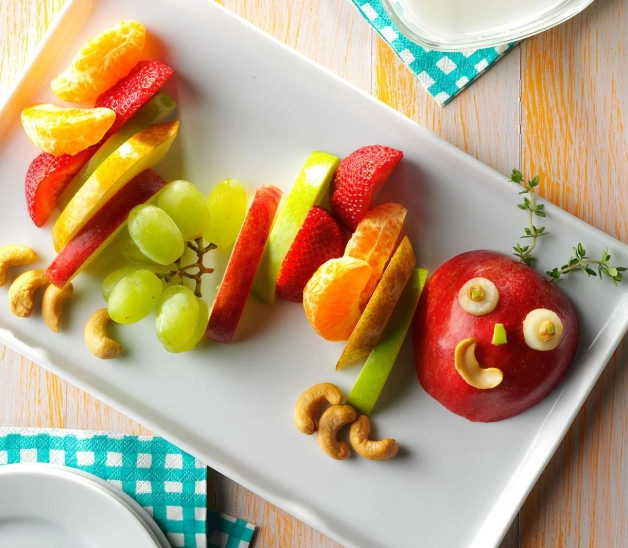
The Picky Eater Playbook: Sneaky (and Not-So-Sneaky) Strategies
If you have a selective eater, you know the struggle is real. Pressure and bribes usually backfire. Here's what's worked in our house, slowly and inconsistently (because let's be real, there are no magic bullets).
Involvement is Key: Kids are more likely to eat something they helped make. Let them wash berries, stir muffin batter, or use a cookie cutter. The pride of creation is a powerful motivator.
The "No Thank You" Bite Rule: In our house, you have to try one bite of everything on your plate. If you don't like it after one polite bite, you can say "no thank you" and don't have to eat more. This removes the power struggle and exposes them to new foods without force. It took months, but my daughter now willingly tries broccoli because she knows she's in control after that one bite.
Deconstruct It: Some kids hate foods touching. Serve the components of a snack separately: crackers, cheese slices, and turkey in different sections of a plate. It's the same food, but the presentation reduces anxiety.
Smoothies are Your Friend: I know, it's the oldest trick in the book. But it works. Spinach virtually disappears in a berry-banana smoothie. A spoonful of Greek yogurt adds protein. It's a nutrient-dense vehicle. Just watch the portion size—it can be filling.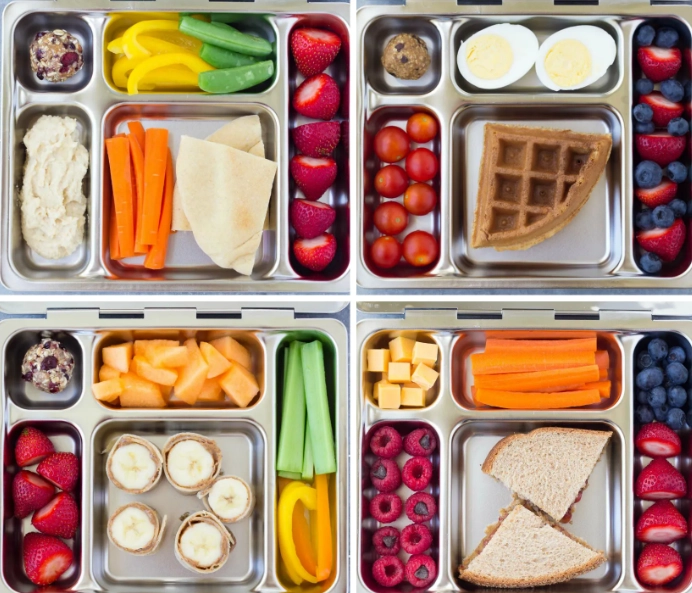
Answering Your Biggest Snack Questions (The FAQ)
How often should kids snack?
Most young kids need a snack between breakfast and lunch, and another between lunch and dinner. The exact timing depends on their meal schedule and activity level. A good rule of thumb is to offer snacks about 1.5 to 2 hours before the next meal. This keeps them from getting ravenous but doesn't ruin their appetite. You can find more structured guidance on child feeding schedules from reputable sources like the CDC's nutrition pages, which, while focused on younger kids, offer solid principles for establishing routines.
Are store-bought fruit snacks or yogurt tubes okay?
In moderation, and with careful label reading. Many fruit snacks are basically candy with a vitamin C boost—loaded with added sugars and food dyes. Yogurt tubes can be sugary too. My approach? They're not an everyday staple, but an occasional convenience item. I look for options with the shortest ingredient list, no artificial dyes, and the lowest added sugar I can find (under 8-10g per serving is my personal cutoff). For everyday snacks, whole fruit and plain yogurt you flavor yourself are far better choices.
My child is always hungry! Are they eating enough at meals?
Maybe, maybe not. First, rule out thirst—often, kids mistake thirst for hunger. Offer water first. If they're still hungry, look at what they're eating at meals. Are they getting enough protein and healthy fats to stay full? A breakfast of just cereal or toast might not hold them until lunch. Try adding an egg or some Greek yogurt. Also, consider growth spurts! Sometimes they are just genuinely, bottomlessly hungry. During those times, I lean on more substantial snacks like a half sandwich or leftovers from dinner.
How do I handle snacks for playdates or parties?
This is a minefield of food dyes and sugar crashes. If you're hosting, it's easy—just serve the healthy stuff from this list! Kids are often so excited to play they don't care what the snack is. Popcorn, cheese and crackers, fruit kebabs, and homemade muffins are all crowd-pleasers. If you're going to someone else's house, I feed my kids a balanced snack beforehand so they aren't arriving starving. I also don't make a big deal about the treat food there. Let them enjoy it, and then get back to our normal routine at the next meal. Making certain foods "forbidden" often makes them more desirable.
Putting It All Together: A Week of Simple Snack Ideas
Let's make this tangible. Here's a sample week of afternoon snacks. Notice the mix of no-prep and quick-assembly ideas. Planning it out, even loosely, eliminates the 4 PM "what's for snack?" panic.
- Monday (Easy): Greek yogurt with a drizzle of honey and a sprinkle of granola.
- Tuesday (Fun): "Ants on a Log" (celery with peanut butter and raisins).
- Wednesday (No-Prep): Cheese stick, whole-grain crackers, and a handful of grapes.
- Thursday (Make-Ahead): A couple of homemade energy bites and an apple.
- Friday (Treat-ish): Whole-wheat toast with mashed avocado and a squeeze of lemon, cut into fun shapes.
- Saturday (Involved): Let them help make mini pizzas on English muffins with sauce, cheese, and veggie toppings.
- Sunday (Simple): A smoothie made with spinach, frozen mango, banana, and milk.
The best snack ideas for kids are the ones that actually get eaten without driving you crazy to prepare. It doesn't have to be fancy. A piece of fruit and a handful of nuts is a perfect snack. A slice of cheese and some cucumber is a perfect snack.
Start with one new idea this week. Maybe it's buying a fun dip for veggies, or making a batch of energy bites together. Small steps build new habits. And remember, every parent is just figuring it out as they go along, one snack at a time. You've got this.
Reader Comments