Quick Navigation
Let's be honest for a second. How many times have you picked up a pack of those boneless, skinless chicken breasts, full of good intentions for a healthy dinner, only to end up with something that tastes like seasoned cardboard? You follow a recipe, but yours turns out tough and dry while the picture looks succulent and perfect. If that sounds familiar, you're not alone. The problem isn't you—it's that most recipes are written for standard, thick chicken breasts, not the thinner cuts many of us actually buy.
Thin chicken breasts are a different beast. They cook in half the time, which is fantastic for weeknights, but that also means the window between "perfectly juicy" and "sadly dry" is incredibly small. Maybe 60 seconds. Get distracted by a text message, and it's over. But when you know how to handle them? They become the ultimate quick-cooking protein, perfect for everything from simple pan sauces to hearty salads and speedy stir-fries.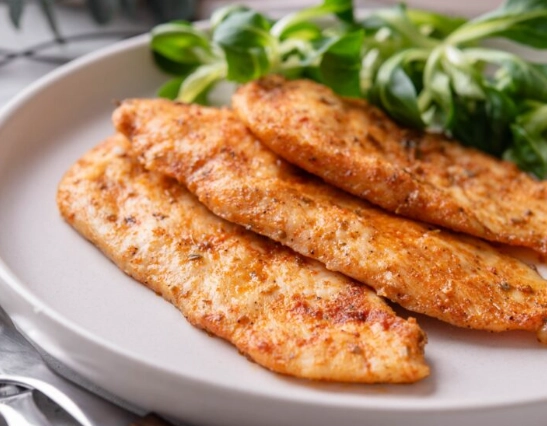
This guide is all about cracking the code. We're going beyond just listing a few recipes. We'll dive into the why and the how, so you can adapt any idea to your taste. You'll learn the simple prep steps most people skip (that make a huge difference), master a few core cooking methods, and get recipe ideas that are genuinely fast and flavorful. The goal is to make you confident enough to never second-guess cooking thin chicken breasts again.
Why Thin Chicken Breasts Deserve Your Attention
First, let's clear something up. A "thin" chicken breast usually means one of two things: either it's a naturally smaller, thinner cut (sometimes labeled as "thin-cut" or "breakfast cut"), or it's a standard breast that's been butterflied and pounded to an even thickness. For our purposes, both count. Their main advantage is speed. While a thick 1-inch breast might need 20-25 minutes in the oven, a 1/2-inch thin cut can be done on the stove in under 10 minutes.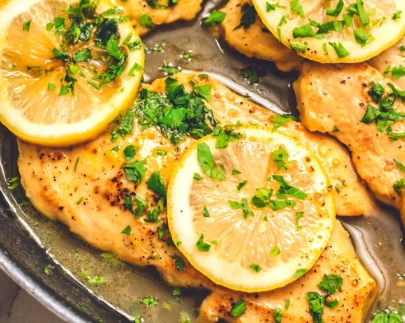
That speed translates directly to convenience. Hungry after work? Dinner is 15 minutes away. Doing meal prep? You can cook a large batch in a fraction of the time. They also absorb marinades and seasonings more quickly and cook more evenly if prepared correctly. The downside, as mentioned, is the lack of margin for error. High heat for a minute too long is the enemy.
From a nutritional standpoint, chicken breast is a lean source of high-quality protein. According to the USDA FoodData Central, a 3-ounce cooked portion provides about 26 grams of protein with minimal fat. Cooking it quickly at home helps retain its nutrients without adding excessive oils or unhealthy cooking methods.
The Non-Negotiable First Step: Prepping Your Thin Chicken Breasts
If you want to jump straight to the thin chicken breast recipes, I get it. But trust me, spending 5 minutes here will save you from disappointment later. This prep work is the secret weapon for juicy results.
Pounding to Perfection
Even if your breasts are sold as "thin-cut," they are rarely perfectly even. The tapered ends will always cook faster than the bulky center. The fix is simple: place the breast between two sheets of plastic wrap or in a heavy-duty zip-top bag. Using the flat side of a meat mallet, a rolling pin, or even a heavy skillet, gently pound the meat until it's uniformly thick—aim for about 1/2 inch. This isn't about pulverizing it into a paste; it's about gentle, even pressure.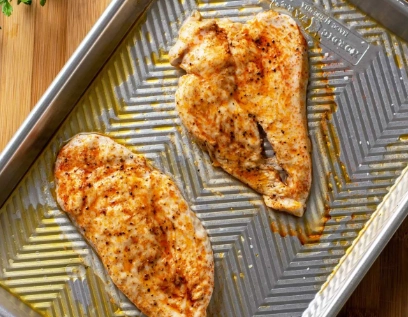
Why does this matter? It ensures every part of the chicken hits the pan or oven at the same thickness, so it finishes cooking at the same time. No more burnt tips and raw centers.
The Power of the Dry Brine (A Game Changer)
Brining in a saltwater solution is great for whole birds or thick chops, but for thin cuts, it can make the texture a bit spongy. Enter the dry brine. It's simpler and, in my opinion, better. Simply sprinkle both sides of your pounded chicken liberally with kosher salt (about 3/4 teaspoon per pound). Place them on a wire rack set over a plate and let them sit in the fridge for at least 30 minutes, or up to 24 hours.
What happens? The salt draws out some moisture, which then dissolves the salt. This salty moisture is re-absorbed deep into the meat, seasoning it from the inside out and helping it retain juices during cooking. The surface also dries out, which is key for getting a beautiful, golden-brown sear in the pan. No more steaming pale chicken.
To Marinate or Not?
Marinades are great for flavor, but with thin chicken breasts, less is more. Because they are thin, acidic ingredients like lemon juice or vinegar can start to "cook" the surface (ceviche-style) and make the outer layer mushy if left for too long. For thin cuts, I prefer a short, powerful marinade—30 minutes to 2 hours max. Or, even easier, a flavorful paste or rub applied right before cooking. Yogurt or buttermilk-based marinades are gentler and can go a bit longer, adding tenderness.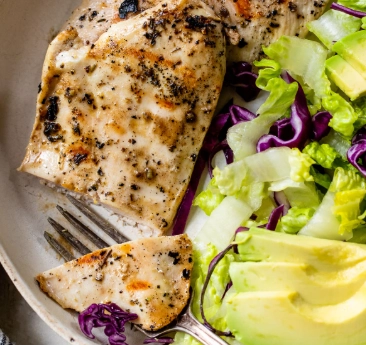
Mastering the Cooking Methods
Once your chicken is prepped, you have options. The best method depends on the final dish you want. Here’s a breakdown of the top techniques for thin chicken breast recipes.
| Method | Best For | Core Technique | Approx. Cook Time | Key to Success |
|---|---|---|---|---|
| Pan-Searing/Sautéing | Quick weeknight dinners with pan sauces, cutlets, piccata. | High heat in a skillet (stainless steel or cast iron works best) with a little oil. | 3-5 minutes per side | Don't move the chicken until it releases easily from the pan—that's when you get the crust. |
| Pan-Frying | Crispy breaded cutlets, chicken sandwiches, schnitzel. | Medium-high heat with more oil (enough to come halfway up the chicken). | 2-4 minutes per side | Maintain oil temperature. Let breaded chicken rest on a rack, not paper towels, to stay crisp. |
| Baking/Roasting | Hands-off cooking, meal prep, cooking large batches evenly. | Hot oven (400°F - 425°F / 200°C - 220°C) on a preheated sheet pan. | 10-15 minutes total | Use a meat thermometer. Pull at 160°F (71°C) — carryover cooking will take it to 165°F (74°C). |
| Grilling | Smoky flavor, summer meals, charred edges. | Direct, high heat on a clean, well-oiled grill grate. | 2-4 minutes per side | Prevent sticking by oiling the chicken, not the grates. Don't flip repeatedly. |
The Single Most Important Tool: A Digital Thermometer
You can guess, you can poke the meat, you can cut it open (please don't, all the juices run out!). Or you can know for sure. A quick-read digital thermometer is the best $15 you'll spend for your kitchen. The USDA recommends cooking poultry to a safe minimum internal temperature of 165°F (74°C). For thin chicken breasts, I pull them off the heat at 160°F (71°C). The residual heat will carry them the rest of the way to 165°F as they rest, preventing overcooking. Insert the thermometer into the thickest part. It takes the guesswork out of every one of your thin chicken breast recipes.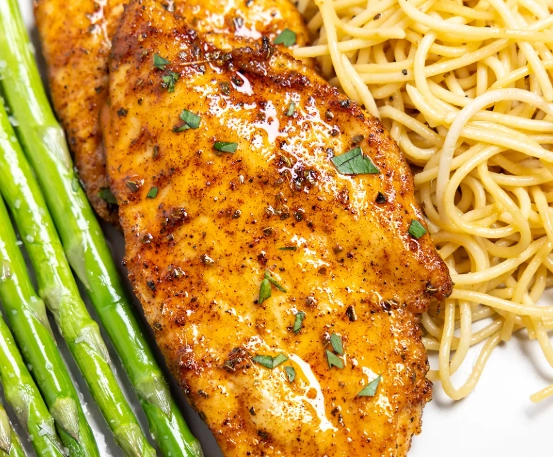
Recipe Ideas That Actually Work for Thin Cuts
Now for the fun part. These aren't just titles; they're blueprints with the specific tweaks needed for thin cuts.
Top Tier: The 10-Minute Lemon Garlic Chicken Sauté
This is the quintessential quick dinner. Start with your dry-brined, pounded breasts. Heat a mix of olive oil and a pat of butter in a skillet over medium-high. Cook the chicken for 3 minutes per side until golden and just cooked through. Remove to a plate. In the same pan, add a few minced garlic cloves (30 seconds until fragrant), then pour in about 1/2 cup of chicken broth and the juice of a lemon. Scrape up the browned bits. Let it simmer and reduce by half. Off heat, swirl in another tablespoon of cold butter and some fresh parsley. Spoon the sauce over the chicken. It's bright, fast, and feels fancy.
The Crispy Favorite: Panko-Crusted Chicken Cutlets
Set up a breading station: flour seasoned with salt and pepper, beaten eggs, and a plate of panko breadcrumbs mixed with a little grated Parmesan. Dredge each pounded breast in flour, then egg, then press firmly into the panko. Pan-fry in 1/4 inch of neutral oil (like avocado or canola) at 350°F for about 2-3 minutes per side until deeply golden. The panko gives an incredible crunch that holds up better than regular breadcrumbs. Serve with a squeeze of lemon, on a sandwich, or with a simple salad.
The Healthy Meal Prep Star: Baked Mediterranean Chicken
This one is perfect for cooking multiple breasts at once. Place your pounded breasts on a parchment-lined baking sheet. Rub with a paste made from olive oil, dried oregano, garlic powder, smoked paprika, and a pinch of salt. Surround them with cherry tomatoes, sliced red onion, and Kalamata olives. Bake at 425°F (220°C) for 12-14 minutes, until the chicken is done and the tomatoes are bursting. The juices from the tomatoes and chicken mingle into a light sauce. This keeps beautifully in the fridge for 4 days.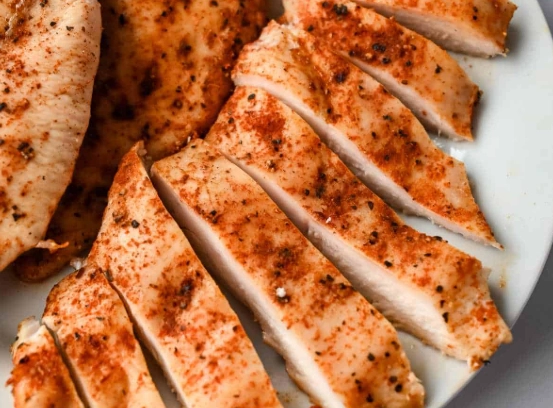
Why Resting is Not Optional
I know, you're hungry. But when you pull that beautiful chicken off the heat, let it sit on a cutting board or plate for 5 minutes before slicing. This allows the frenzied, hot juices inside the meat to redistribute and re-absorb. If you cut immediately, those juices end up on your plate, not in your meat. This small step guarantees maximum juiciness in every bite of your thin chicken breast recipes.
Answers to Your Thin Chicken Breast Questions
Putting It All Together: A Sample Game Plan for Wednesday Night
Let's walk through a real scenario. It's 5:30 PM. You have a pack of thin-cut chicken breasts in the fridge.
- Prep (5:30 - 5:35): Take out the chicken. If they look uneven, give them a quick pound between plastic wrap. Pat them very dry with paper towels. Season both sides generously with salt and pepper.
- Cook (5:35 - 5:45): Heat a tablespoon of olive oil in your best skillet over medium-high heat. When the oil shimmers, add the chicken. Don't crowd the pan. Cook undisturbed for 4 minutes. Flip. Cook for another 3-4 minutes. Check the thickest piece with a thermometer—aim for 160°F.
- Saunce & Rest (5:45 - 5:50): Remove chicken to a clean plate. To the hot pan, add a chopped shallot, cook for 1 minute. Add a big handful of spinach and a splash of water. Wilt the spinach. Throw in a handful of halved cherry tomatoes and a sprinkle of dried Italian herbs. Let it warm through. Slide the chicken and any accumulated juices back into the pan, toss gently. Turn off the heat. Let it sit for 5 minutes while you set the table.
- Serve (5:55): Plate the chicken and spoon the warm tomato-spinach mixture over the top. Dinner is served in under 30 minutes, and the chicken will be juicy.
That's the kind of effortless flow you can get to. No more stress, no more dry chicken.
So, the next time you see that pack of thin chicken breasts, grab it with confidence. You now have the toolkit—from the essential dry brine and pounding to the quick-cooking methods and thermometer trick. You understand why those thin chicken breast recipes you tried before might have failed, and more importantly, you know how to fix it. Get that skillet hot, and get ready for some seriously good, fast food.
Got a favorite way to cook them that I didn't mention? I'm always looking for new ideas. The beauty of mastering the basics is that you can then run with any flavor combination you love.
Reader Comments