Your Lunch Prep Roadmap
- Forget Complicated Plans: Start With This Simple Mindset
- The Blueprint: How to Plan Your Week of Lunches
- Top Easy Lunch Prep Meal Ideas That Won't Let You Down
- Getting the Logistics Right: Storage, Reheating, and Food Safety
- Answering Your Real Questions About Lunch Prep
- The Mindset Shift: Making Lunch Prep a Habit, Not a Hassle
Let's be real. The midday scramble for food is the worst. You're hungry, maybe a bit tired from the morning, and the options are either an overpriced salad that tastes like cardboard or something greasy from the drive-thru that'll make you crash by 3 PM. I've been there more times than I care to admit.
That's where the magic of lunch prep comes in. But when you hear "meal prep," you might picture those Instagram photos of a hundred identical containers with plain chicken and broccoli. That's not what I'm talking about. I'm talking about easy lunch prep meals—simple, tasty, and varied food you make ahead so you can grab and go. It's about working smarter, not harder, in the kitchen.
Why bother? Well, beyond saving a small fortune (seriously, do the math on your weekly takeout spending), it puts you in control of what you eat. You know exactly what's in your food. And the time you "spend" on Sunday? You get it back tenfold during the week when you have an extra 30 minutes to sip coffee instead of standing in a long line.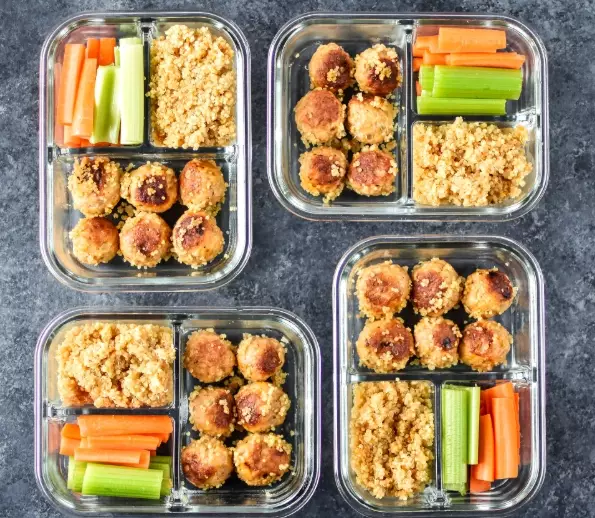
Forget Complicated Plans: Start With This Simple Mindset
Most people get stuck before they even start. They overthink it. They try to prep seven different gourmet lunches and burn out by Wednesday. Don't do that.
The key to sustainable easy lunch prep meals is embracing repetition and simplicity. You don't need a new recipe every day. Pick two, maybe three, core recipes for the week. Double or triple the batch. That's it. The variety comes from small changes—a different sauce, a new topping, swapping a grain.
Think about your current routine. What do you normally crave for lunch? Something warm and comforting? A cool, crisp salad? A hearty wrap? Start there. Don't try to force yourself into a "healthy" regimen you hate. If you love pasta, prep a pasta salad. If you love soups, make a big pot. The best plan is the one you'll actually follow.
I made the mistake early on of prepping five days of a kale-quinoa bowl because it was "super healthy." By day three, I was so sick of it I ordered pizza and threw the rest out. Lesson learned. Now, I prep things I genuinely look forward to eating.
The Blueprint: How to Plan Your Week of Lunches
Okay, let's get practical. How do you go from idea to a fridge full of ready-to-eat meals? It's a simple three-step process.
Step 1: The 10-Minute Planning Session
Grab a notepad (or your phone) and ask yourself two questions: What do I want to eat this week? What's already in my fridge/pantry that needs using up?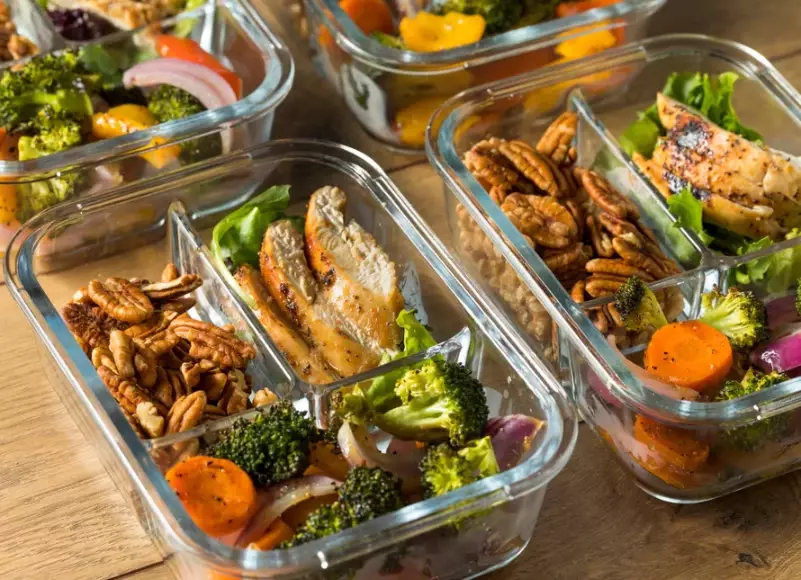
Look, I'm not a fan of rigid meal plans either. But a loose framework saves you from the 5 PM "what's for dinner (and tomorrow's lunch)?" panic. Choose your anchor meals. For example: a big batch of chili, a tray of roasted chicken and veggies, and a quinoa salad base. Write down the ingredients you need.
This is also where you consider balance. Not necessarily perfect macro-nutrient balance, but a mix of textures and temperatures. Having all cold lunches can get old. Having all saucy things can get messy. Aim for a mix.
Step 2: The Strategic Grocery Shop
Armed with your list, hit the store. Stick to the perimeter for most of your items—produce, proteins, dairy. Venture into the aisles for your pantry staples: grains, canned beans, spices, oils.
My personal rule? Buy versatile ingredients. A rotisserie chicken can be shredded for salads, added to soups, or stuffed into wraps. A bag of sweet potatoes can be roasted, mashed, or turned into hash. Bell peppers can be sliced for fajitas, diced for salads, or roasted. This flexibility is the secret weapon for easy lunch prep ideas that don't feel boring.
And don't shy away from frozen vegetables. They're frozen at peak freshness, often cheaper, and save you washing and chopping time. Frozen peas, corn, and spinach are lifesavers.
Step 3: The Efficient Prep Session (It's Not a All-Day Affair)
You don't need to block out your whole Sunday. Ninety minutes is often enough. The trick is concurrent cooking—using your oven, stove, and counter space all at once.
While your oven preheats for roasting veggies, chop your vegetables and get your grains simmering on the stove. While those cook, you can assemble no-cook items like salads or wraps. It's like a small, efficient kitchen factory. Put on some music or a podcast. It makes the time fly.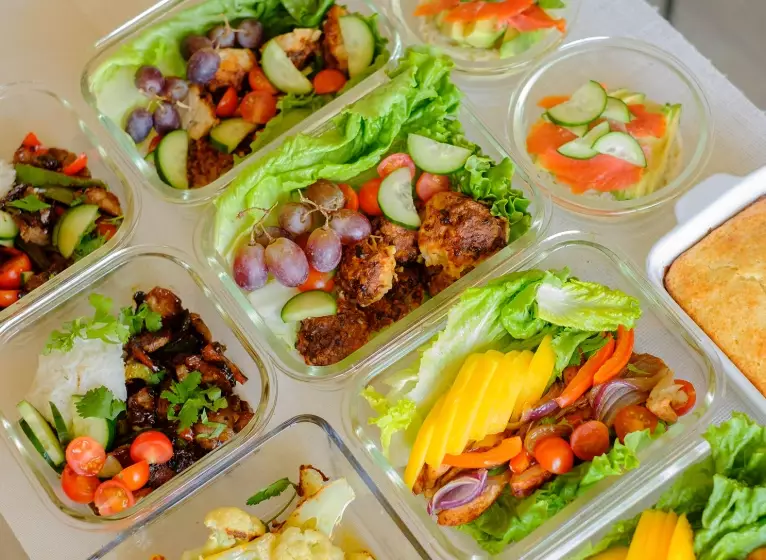
Here's a sample prep flow:
- Oven on: Roast a tray of chicken breasts or tofu cubes and a separate tray of chopped broccoli, bell peppers, and onions.
- Stove on: Cook 2 cups of dry quinoa or brown rice in one pot, simmer a lentil soup in another.
- Counter: Chop lettuce, cucumbers, and herbs for salads. Portion out dips like hummus or guacamole.
In about an hour, you have the components for countless combinations.
Top Easy Lunch Prep Meal Ideas That Won't Let You Down
Let's move from theory to practice. Here are some of my most reliable, crowd-pleasing categories for easy lunch prep meals. These are formulas more than rigid recipes, so you can adapt them endlessly.
The All-Star Grain Bowl Formula
This is the MVP of lunch prep. Endlessly customizable, easy to assemble, and satisfying. The formula is simple: Grain + Protein + Veggies + Sauce/Dressing.
My Go-To Mediterranean Bowl:
- Grain: 1 cup cooked quinoa or farro.
- Protein: ½ cup canned chickpeas (rinsed and patted dry, then tossed with olive oil and smoked paprika and air-fried or roasted until crispy—trust me, this changes everything).
- Veggies: A handful of chopped cucumber, cherry tomatoes, and red onion. A big handful of baby spinach.
- Sauce: A big dollop of lemon-tahini dressing (mix tahini, lemon juice, water, a garlic clove, and salt).
- Toppings: A sprinkle of feta cheese and some kalamata olives.
Prep Tip: Keep the dressing in a small separate container and add it just before eating to keep the grain from getting soggy.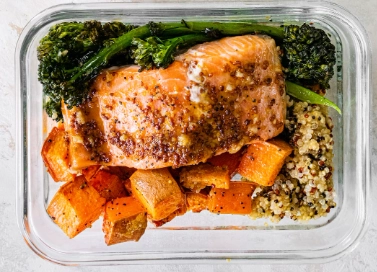
The Hearty Soup & Stew Strategy
Perfect for colder days or when you want a truly hands-off prep. Make one big pot on the weekend, and you're set. Soups almost always taste better a day or two later, too.
A lentil soup is a fantastic place to start. It's cheap, packed with protein and fiber, and hard to mess up. Sauté onions, carrots, and celery. Add garlic, dried lentils, vegetable or chicken broth, and a can of diced tomatoes. Let it simmer. That's it. You can blend half of it for a creamier texture if you like.
For food safety, the USDA recommends soups be cooled quickly and refrigerated within two hours of cooking. I like to let the pot sit in an ice bath in my sink to speed this up before portioning.
The No-Leaf Salad (aka The "Salad in a Jar" Hack)
If you think salads get soggy, you're doing it right—you're just layering it wrong. The jar method is genius for easy lunch prep meals on the go.
Start with the dressing at the BOTTOM of a mason jar. Then add hard, non-porous veggies (like carrots, cucumbers, cherry tomatoes, bell peppers). Next, add your protein (chickpeas, chicken, hard-boiled eggs, cheese). Then add softer items (beans, corn, avocado—squeeze lemon on it first). Finally, top with greens (spinach, kale, romaine) and nuts/seeds. The dressing stays safely at the bottom until you're ready to shake and eat. It's foolproof.
Getting the Logistics Right: Storage, Reheating, and Food Safety
This is where many good intentions spoil (literally). Using the right containers and knowing the rules makes all the difference.
Invest in a few good-quality, leak-proof, BPA-free containers in different sizes. Glass is great for reheating and doesn't stain, but plastic is lighter for carrying. I use a mix. Having the right tool makes the process feel more professional and less like a chore.
| Food Type | Best Container Type | Fridge Life (Approx.) | Reheating Tip |
|---|---|---|---|
| Soups, Stews, Saucy Dishes | Leak-proof glass or plastic with tight seal | 3-4 days | Reheat in a pot on the stove for best texture, or microwave with a lid slightly ajar. |
| Grain Bowls & Salads (dressing separate) | Containers with compartments or small separate jars for dressing | 4-5 days for components | Add dressing and delicate greens (like arugula) last minute. |
| Roasted Veggies & Proteins | Any airtight container | 4-5 days | Reheat in a toaster oven or air fryer to revive crispness. The microwave can make them soggy. |
| Sandwiches & Wraps | Wrap tightly in parchment paper, then foil or place in a container | 1-2 days (best made night before) | Keep moist ingredients (tomato, condiments) separate until assembly to prevent sogginess. |
The FDA's general guideline is to refrigerate perishable food within two hours (one hour if the temperature is above 90°F). For your prepped meals, let them cool to room temperature (don't leave them out for more than 2 hours) before sealing and refrigerating. This prevents condensation inside the container, which can make things mushy.
And a note on freezing: It's a game-changer for soups, chili, and cooked meats. Portion them out in freezer-safe bags or containers. Label with the date! Most cooked meals will keep well for 2-3 months frozen. It's like having your own personal frozen dinner aisle, but way better.
Answering Your Real Questions About Lunch Prep
Won't I get bored eating the same thing all week?
This is the number one fear. And yes, you might—if you prep five identical containers. The solution is component prep, not meal prep. Instead of making five identical bowls, prep the parts: a big container of quinoa, a pan of roasted chicken, a batch of black beans, four different chopped veggies, two sauces. Each morning, you can mix and match. Tuesday's bowl might be quinoa, chicken, broccoli, and pesto. Wednesday's could be quinoa, black beans, corn, peppers, and salsa for a totally different vibe. It takes an extra minute in the morning but saves you from taste bud fatigue.
How do I keep my food from tasting soggy or weird by Thursday?
Texture is king. The enemy is moisture in the wrong place. The golden rules: 1) Let food cool completely before putting the lid on. 2) Store dressings and sauces separately. 3) For salads, keep delicate greens separate until the day of. 4) For anything you want crispy (like roasted chickpeas or tofu), store them in a paper towel-lined container to absorb excess moisture. These small steps make a massive difference.
Is it really cheaper than just buying lunch?
Let's do a quick, rough comparison. A basic takeout salad or sandwich easily costs $10-$15 these days. For $50-$75 a week, you could buy lunch out. For that same $50 at the grocery store, you can buy ingredients for a week of lunches and likely have leftovers for a few dinners. A bag of lentils, some chicken thighs, a variety of fresh and frozen vegetables, rice, and seasonings will almost always cost less per meal than a single restaurant visit. The initial investment in containers might be $30, but they last for years. The math is overwhelmingly in favor of prepping.
I'm not a good cook. Can I still do this?
Absolutely. In fact, easy lunch prep meals are perfect for beginners because they often involve simple techniques: chopping, roasting, boiling. Start with truly foolproof recipes. A "burrito bowl" is just canned beans, microwaved frozen corn, store-bought salsa, pre-cooked rice from the freezer aisle, and some shredded cheese. No "cooking" required. As you get comfortable, you can try roasting your own veggies or cooking a grain from scratch. The goal is to feed yourself, not win a Michelin star.
The Mindset Shift: Making Lunch Prep a Habit, Not a Hassle
The final piece isn't about recipes or containers; it's about your mindset. Don't aim for a Pinterest-perfect spread. Aim for "better than takeout." Some weeks you'll have it all together—beautiful jars, vibrant bowls. Other weeks, it might just be a pot of soup and some cheese sandwiches. Both are wins.
Give yourself grace. If you miss a prep weekend, don't write off the whole week. Grab some whole-wheat bread, canned tuna, pre-made salad kits, and fruit. That's still a prepped lunch, just with a little help from the store.
Start small. Pick one recipe from this guide. Prep it this weekend. See how it feels. You might find that the act of preparing your own food is more satisfying than you expected. And when you open your fridge on a hectic Tuesday to see a ready-made, healthy lunch waiting for you? That feeling is better than any takeout could ever be.
So, what's your first easy lunch prep meal going to be?
Reader Comments