In This Guide
- Why Your Air Fryer is a Chicken Tender Hero
- Getting Started: The Non-Negotiable Prep Steps
- The Core Process: Time, Temperature, and Technique
- Leveling Up: From Basic to Brilliant
- Troubleshooting Common Air Fryer Chicken Problems
- Answering Your Chicken Tender Questions (FAQs)
- Final Thoughts and My Go-To Method
Let's be honest. The first time I tried to cook raw chicken tenders in my air fryer, it was a bit of a disaster. I threw them in, guessed the time, and ended up with something that was dry on the outside and suspiciously rubbery on the inside. Not great.
But here's the thing – once you crack the code, the air fryer becomes the absolute best tool for this job. It delivers that crave-worthy crispy exterior and a juicy, tender interior faster than your oven and with less mess than deep frying. No more soggy breading or uneven cooking. This guide is everything I wish I'd known back then, boiled down (or should I say air-fried down?) to simple, actionable steps.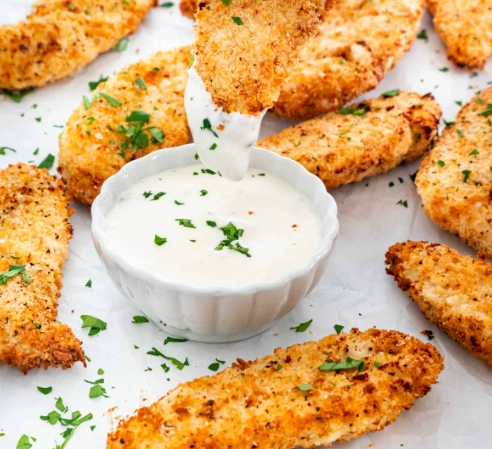
We're going to move beyond basic recipes. We'll talk about the science of the air fryer basket, why patting your chicken dry isn't just a suggestion, and how to tell when they're truly done without cutting into them and losing all those precious juices. Whether you're meal prepping for the week or need a quick kid-friendly dinner, mastering raw chicken tenders in the air fryer is a game-changer.
Why Your Air Fryer is a Chicken Tender Hero
It's not magic, though it feels like it. The super-concentrated, circulating hot air in an air fryer works in a specific way that's perfect for a piece of food like a chicken tender. Think of it as a mini convection oven on steroids. That rapid air movement does two crucial things: it cooks the meat quickly and evenly, and it violently evaporates moisture on the surface almost instantly, which is what creates that fantastic crispiness.
Compared to baking, you're looking at roughly half the time. Compared to pan-frying, you're using a tablespoon or less of oil instead of a cup. The cleanup is famously easy – usually just the basket and tray. For a simple protein like raw chicken tenders, the air fryer's efficiency is almost unmatched.
But it has its quirks. Crowd the basket, and you'll get steamed, soggy chicken. Skip preheating, and your cook times will be off. Forget to flip, and one side will be pale. Understanding these quirks is the key to moving from “okay” results to “restaurant-quality-at-home” results every single time.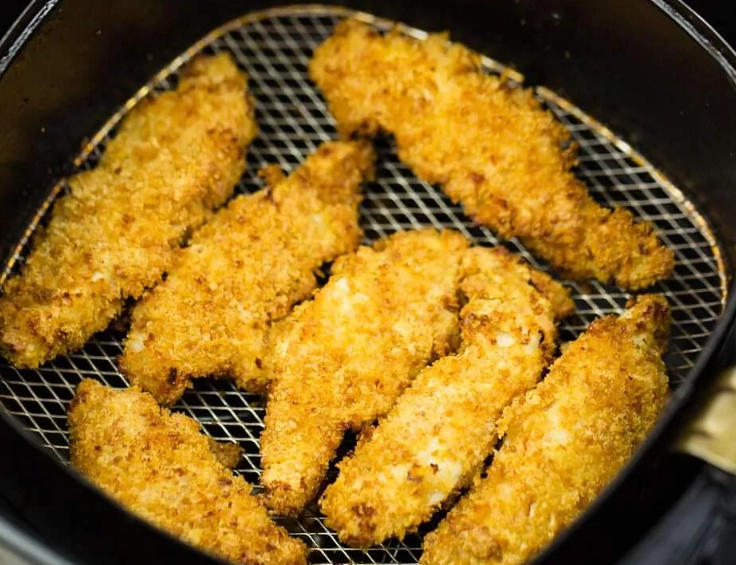
Getting Started: The Non-Negotiable Prep Steps
You can't just toss them in straight from the package. Well, you can, but you won't get the best results. A few minutes of prep make all the difference in the world.
Choosing Your Chicken Tenders
You've got options at the store. You can buy a package of pre-cut "chicken tenderloins." These are the perfect, uniform strips that run along the breast. Sometimes they're sold attached to the whole breast, and you have to separate them yourself – it's easy, just slide your fingers under that white tendon and pull it away from the breast. Either works.
I tend to avoid the ones that are already "enhanced" or "seasoned" with a saline solution. They're plumped up with water and salt, which can make them oddly spongy after cooking and throws off your own seasoning control. Plain, raw chicken tenders give you a blank canvas.
The Crucial Step Everyone Skips: Drying
This is the single most important tip in this entire article. Take those raw chicken tenders out of the package, lay them on a stack of paper towels, and pat them thoroughly, aggressively dry. Get the top, bottom, and sides.
Why? Moisture is the enemy of browning and crisping. If the surface is wet, the air fryer has to spend its energy evaporating that water before it can start crisping the proteins and any coating. You end up steaming the chicken first. A dry surface means immediate contact with hot, dry air, leading to faster and better browning. It's a night-and-day difference.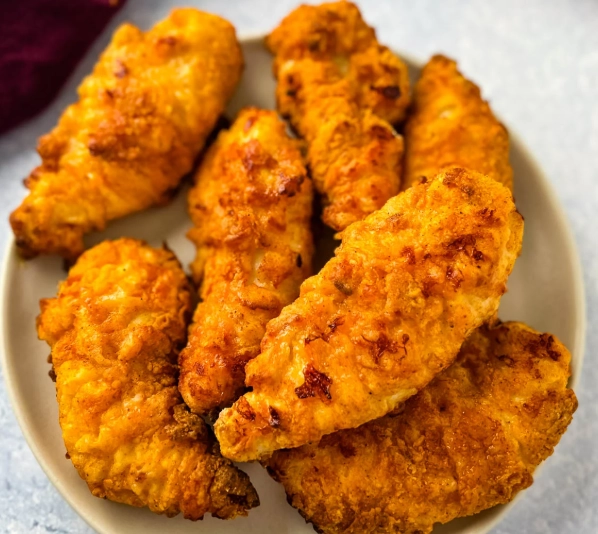
I learned this the hard way. My first few batches were pale and the breading (when I used it) was tacky. Once I started drying them properly, the color and texture improved dramatically.
To Marinate or Not to Marinate?
It's not strictly necessary for juiciness if you cook them right, but it's fantastic for flavor. A simple marinade of olive oil, lemon juice, garlic, and herbs for even 20-30 minutes works wonders.
Here's the air fryer-specific catch: If you marinate, you MUST pat the tenders dry again before cooking. That wet marinade will cause the same steaming issue as package moisture. The flavor will have penetrated, but you need a dry exterior for the air fryer to do its thing. For a super-quick option, a dry brine (rubbing with salt and letting them sit in the fridge for an hour) seasons the meat deeply and helps it retain moisture.
The Core Process: Time, Temperature, and Technique
Okay, your chicken is dry and ready. Let's get cooking. This is the basic blueprint that works for 99% of air fryers, from the fancy ones with apps to the basic $50 model.
Basic Settings for Plain Raw Chicken Tenders
For naked (unbreaded) raw chicken tenders in air fryer, you want high heat to get some color and cook them quickly.
- Temperature: 400°F (200°C). This is the sweet spot.
- Time: 7-10 minutes total. This varies wildly based on thickness and your specific appliance.
- Process: Preheat your air fryer for 3-5 minutes. This ensures it's fully up to temp when the chicken goes in. Arrange the tenders in a single layer with space between them. No stacking, no touching. Cook for 5-6 minutes, flip them carefully with tongs, then cook for another 3-5 minutes.
The flip is important. It ensures even cooking and browning on both sides. Some air fryers have very intense heat from the top element, so the top can cook faster than the bottom.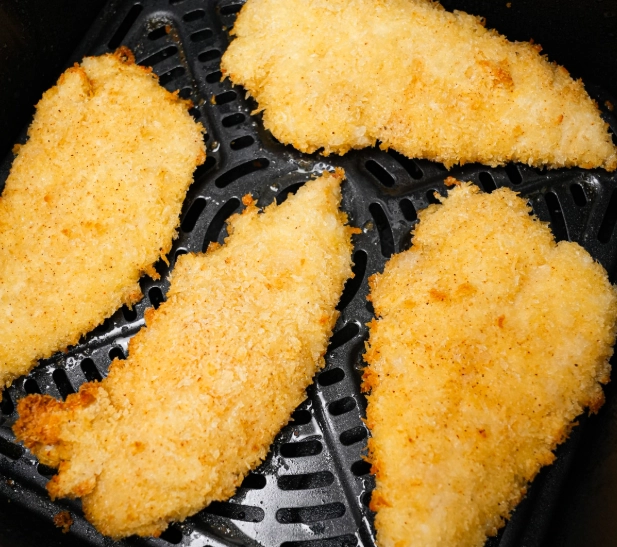
How to Know When They're Done (Stop Guessing!)
Timers are a guide, not a gospel. The only way to know for sure is to check the internal temperature. Insert an instant-read thermometer into the thickest part of a tender.
The safe internal temperature for poultry is 165°F (74°C). I actually like to pull mine at 160°F (71°C). Why? Because of "carryover cooking." The chicken will continue to cook from residual heat after it comes out of the air fryer, and its temperature will rise another 5 degrees or so as it rests for a few minutes. Pulling at 160°F lets it coast to 165°F perfectly, preventing that dry, overcooked texture. If you're unsure, just go to 165°F in the air fryer. It's the absolute safe benchmark from the USDA's safe temperature chart.
Visually, the chicken should be opaque all the way through with clear juices running out if you pierce it, not pink or bloody.
Air Fryer Chicken Tenders Temperature & Time Chart
This table sums up the variables. Your model might run hot or cool, so use this as a starting point and adjust based on your results.
| Style / Coating | Temperature | Approx. Total Time | Key Notes |
|---|---|---|---|
| Plain / Unbreaded | 400°F (200°C) | 7-10 mins | Pat very dry. Flip halfway. Check temp at 7 min. |
| Lightly Battered (Flour/Egg/Breadcrumbs) | 380°F (193°C) | 10-12 mins | Slightly lower temp prevents coating from burning before chicken cooks. |
| Frozen Raw Chicken Tenders* | 400°F (200°C) | 12-15 mins | Do not thaw. Add 3-5 minutes. May need to shake basket, not flip. |
| Panko-Crusted | 375°F (190°C) | 11-13 mins | Spray lightly with oil for golden color. Panko burns easily. |
*Cooking frozen raw chicken tenders in the air fryer is totally doable, but it's a different beast. The exterior can get leathery before the interior thaws and cooks. I prefer thawing first, but in a pinch, it works. Just expect a slightly different texture.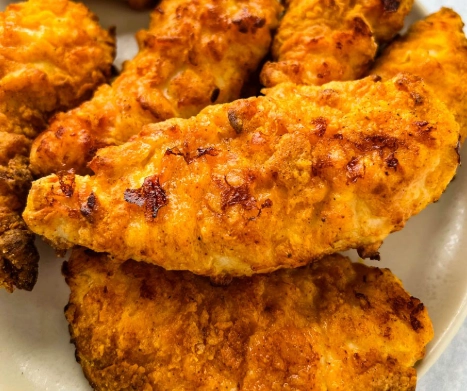
Leveling Up: From Basic to Brilliant
Cooking plain chicken is one thing. Making it something you're excited to eat is another. Here are the methods I use most often.
The Simple Seasoned Standard
After patting dry, drizzle the raw chicken tenders with just a teaspoon or two of oil (avocado, olive, or canola work). Then, toss them in a mix of kosher salt, black pepper, garlic powder, onion powder, and paprika. That's it. The oil helps the seasoning stick and promotes browning. This is my weekly meal prep go-to.
Crispy Breaded Chicken Tenders
For that classic crunch, you need a coating station. Set up three shallow dishes: 1) All-purpose flour, seasoned with salt and pepper. 2) Beaten eggs (maybe with a splash of milk). 3) Your breading – fine breadcrumbs, panko, or even crushed cornflakes.
Dredge each dry tender in flour (shake off excess), dip in egg, then press into the breadcrumbs to coat. Place on a rack while you do the rest. Here's the key: let them rest for 5-10 minutes before air frying. This lets the coating set so it doesn't all fly off in the air current. Also, a very light spritz of cooking spray on the breaded side facing up can enhance browning, but it's not always needed.
Cook at 380°F to avoid burning the coating. They come out incredibly crispy, and you'd swear they were deep-fried.
Buffalo-Style Right in the Basket
This is a crowd-pleaser. Cook your plain or seasoned raw chicken tenders in the air fryer as usual. When they hit 160°F, pull the basket out. In a bowl, mix your favorite hot sauce with a little melted butter or honey (to taste). Toss the hot tenders directly in the sauce until coated. Return them to the air fryer basket and cook for just 1 more minute at 400°F. This sets the sauce into a sticky, flavorful glaze. It's messy and perfect.
Troubleshooting Common Air Fryer Chicken Problems
Things don't always go perfectly. Here's how to fix the most common issues.
Problem: Chicken is dry and tough.
Likely Cause: Overcooking. Even a minute too long can do it with thin tenders.
Fix: Use a thermometer! Pull at 160°F and let rest. Also, brining or marinating can add a moisture buffer.
Problem: Coating is falling off.
Likely Cause: Didn't pat the chicken dry, didn't let the coated chicken rest, or the air fryer is blowing it around.
Fix: Dry the chicken thoroughly. Let breaded tenders sit for 10 mins. Don't overcrowd the basket – if it's packed, the coating gets steamed and soggy before it can set.
Problem: Chicken is cooked but pale, not golden.
Likely Cause: Surface was wet, temperature was too low, or no oil was used.
Fix: The dry-patting rule. Make sure you're hitting 400°F for plain chicken. A tiny bit of oil promotes the Maillard reaction (that's the browning/flavor reaction).
Problem: Some pieces are done, others are raw.
Likely Cause: Inconsistent sizing or overcrowding.
Fix: Try to buy tenders of similar size, or cut larger ones down. Cook in a single layer with space. If you have a huge batch, cook in multiple rounds. It's faster than you think and guarantees even cooking.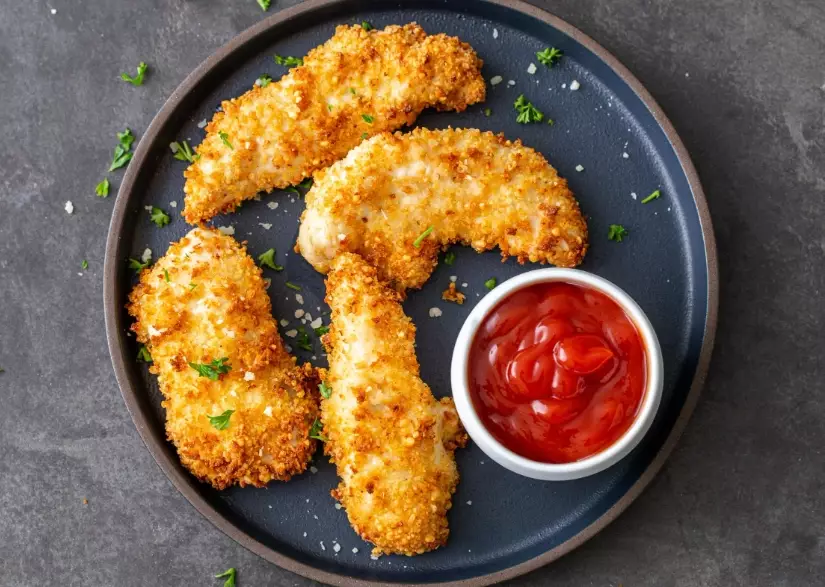
Answering Your Chicken Tender Questions (FAQs)
I get asked these all the time, so let's tackle them head-on.
Do I need to preheat the air fryer for chicken tenders?
Yes, I strongly recommend it. Just 3-5 minutes. Putting raw chicken tenders in a cold air fryer basket means they'll start cooking in a gradually heating environment, which can lead to uneven cooking and a less crispy exterior. Preheating gives you consistent, predictable results from the first batch to the last.
Can I put frozen raw chicken tenders directly in the air fryer?
You can, but manage your expectations. It will work, but the texture often suffers. The outside can become tough or overcooked by the time the inside is safe to eat. If you must, add 3-5 minutes to the cook time and don't expect the same level of browning. Thawing in the fridge overnight is always the better path for the best texture when cooking raw chicken tenders in air fryer.
Why are my chicken tenders soggy on the bottom?
This is usually a crowding issue. If the basket is too full, the hot air can't circulate freely around each piece. The moisture evaporating from the chicken gets trapped and creates a steamy environment, which leads to sogginess. Always leave space. Also, make sure you're using the crisper plate or tray that came with your fryer – it elevates the food so air can get underneath.
What's the best oil to use?
You want an oil with a high smoke point since the air fryer gets very hot. Avocado oil, canola oil, peanut oil, or refined (light) olive oil are all great choices. Extra virgin olive oil has a lower smoke point and can start to burn and smoke at 400°F, imparting a bitter flavor. For just spraying on breading, any cooking spray works, but avoid aerosol sprays with lecithin on non-stick baskets long-term, as they can cause buildup. A refillable oil mister is a great investment.
How do I reheat leftovers without drying them out?
The air fryer is also the best tool for this! Reheat at 350°F for 2-4 minutes, just until warmed through. It will re-crisp the exterior much better than a microwave, which turns them rubbery. They won't be *quite* as juicy as fresh, but it's the closest you'll get.
Final Thoughts and My Go-To Method
After countless batches, here's my personal, no-fail routine for a quick and delicious dinner:
- Pull out the raw chicken tenders, pat them bone-dry with paper towels.
- Toss them in a bowl with 1 tbsp avocado oil, 1 tsp kosher salt, 1/2 tsp each garlic powder, smoked paprika, and black pepper.
- Preheat my air fryer to 400°F for 4 minutes.
- Arrange the tenders in the hot basket, no touching.
- Cook for 6 minutes, flip, then cook for 4-5 more minutes.
- Check the thickest one with a thermometer. Pull the basket at 160°F.
- Let them rest on a plate for 3 minutes before serving. That's it.
It's simple, reliable, and delivers perfect results. The air fryer truly shines with simple ingredients like this. It takes the guesswork out of getting a crispy, protein-rich meal on the table fast. Once you get the hang of cooking raw chicken tenders in air fryer, you'll find yourself using it for everything from weeknight dinners to party appetizers. Just remember the golden rules: dry the chicken, don't crowd the basket, and use a thermometer. Now go forth and air fry with confidence!
Reader Comments