Quick Guide
- Why This Dish is a Perennial Winner (It's Not Just About Taste)
- The "No-Fail" Foundation: Building Your Basic Chicken and Vegetable Casserole
- Your Step-by-Step Blueprint (The Recipe Framework)
- Answering Your Casserole Conundrums (FAQs)
- Leveling Up: Flavor Variations to Keep It Interesting
- Making It Work for Your Diet
Let's be honest. We've all pinned those gorgeous casserole recipes that promise to be the ultimate weeknight savior. The ones with perfectly browned cheese tops and vibrant veggies peeking through. And then... life happens. The recipe has 25 ingredients, half of which you don't have, and it needs to bake for an hour and a half. Who has time for that on a Wednesday?
That's exactly why I fell in love with (and eventually perfected) my go-to chicken and vegetable casserole. It's not about fancy techniques or obscure ingredients. It's about throwing together what you have, in one dish, and ending up with something that's genuinely satisfying, nutritious, and makes fantastic leftovers. It's the culinary equivalent of a warm hug.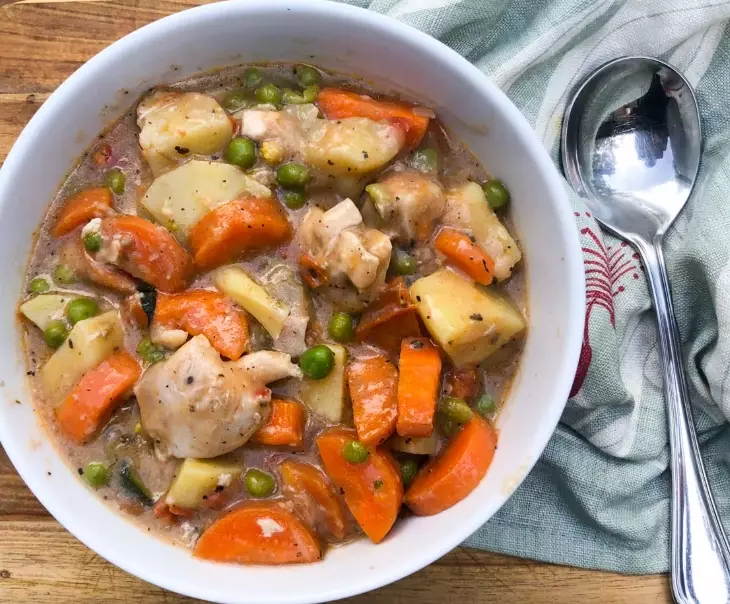
I remember the first time I tried to wing a chicken casserole. It was a disaster. The chicken was dry, the vegetables were somehow both mushy and undercooked in places, and the sauce was a sad, watery mess. I almost gave up on the whole concept. But then I started asking questions. Why did the veggies release so much water? What's the secret to a creamy sauce without a ton of heavy cream? How do you keep the chicken tender? After a lot of trial, error, and some surprisingly helpful science from places like the USDA's food safety guidelines, I cracked the code.
Why This Dish is a Perennial Winner (It's Not Just About Taste)
You might think a chicken and vegetable casserole is just comfort food. And it is. But its staying power comes from a perfect storm of practical benefits that modern cooks desperately need.
First, it's a one-pot wonder. Fewer dishes to wash is a legitimate life upgrade. Second, it's a fantastic vehicle for cleaning out the fridge. That half a bell pepper, the handful of green beans, the lone zucchini – they all have a home here. Third, it's a meal prep dream. It reheats beautifully, often tasting even better the next day as the flavors meld. And fourth, it's a stealthy way to get more vegetables into your family's diet. When they're nestled in a creamy, savory sauce with juicy chicken, even the most stubborn veggie-avoiders might be convinced.
Nutritionally, when built right, a chicken and veggie casserole can be a balanced plate all by itself. You've got lean protein from the chicken, a rainbow of vitamins and fiber from the vegetables, and carbs from whatever you serve it with (or even from starchy veggies like potatoes within the dish itself). The Harvard T.H. Chan School of Public Health's Healthy Eating Plate model is basically a deconstructed casserole: fill half your plate with vegetables and fruits, a quarter with protein, and a quarter with whole grains.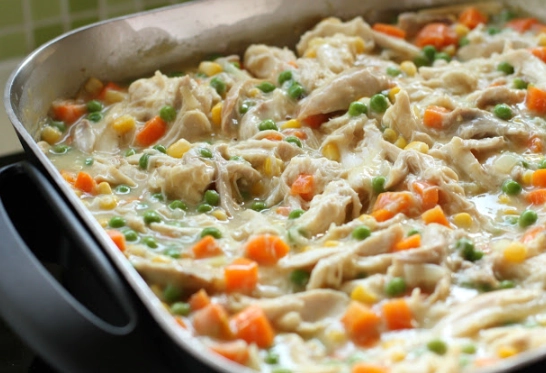
The "No-Fail" Foundation: Building Your Basic Chicken and Vegetable Casserole
Every great casserole rests on a few key pillars. Get these right, and you can improvise forever.
The Protein: Chicken Choices That Actually Work
You have options, and each changes the character of the dish.
- Boneless, Skinless Chicken Thighs: My personal champion for any baked casserole. They have more fat than breasts, which means they stay incredibly juicy and forgiving even if you accidentally over-bake them. Just chop them into bite-sized pieces. This is the choice for guaranteed tenderness.
- Boneless, Skinless Chicken Breast: The leaner option. The trick here is to not overcook it. Cut it into uniform pieces and consider briefly sautéing it before adding to the casserole to lock in moisture. It can dry out if left in the oven too long.
- Pre-Cooked/Rotisserie Chicken: The ultimate shortcut. Shred or chop the meat and stir it in during the last 10-15 minutes of baking, just to heat through. This saves time but you miss out on the flavor that develops when raw chicken cooks in the sauce.
A quick safety note from my earlier disaster: always ensure your raw chicken reaches a safe internal temperature of 165°F (74°C). A good meat thermometer is a casserole maker's best friend.
The Vegetable Medley: Texture and Timing is Everything
This is where most casseroles go wrong. You can't just throw every vegetable in at the same time. Hard roots need a head start; delicate greens jump in at the end.
Here’s a simple guide to pairing and timing your veggies for a chicken and vegetable casserole:
| Vegetable Type | Examples | When to Add | Prep Tip |
|---|---|---|---|
| Hard/Root Veggies | Potatoes, carrots, parsnips, sweet potatoes, turnips | Start of cooking (raw or parboiled) | Cut small (½-inch cubes) for even cooking. |
| Medium-Firm Veggies | Broccoli florets, cauliflower, bell peppers, onions, celery, green beans, mushrooms | Start of cooking (raw) | Great for building base flavor. Sautéing onions/mushrooms first adds depth. |
| Quick-Cooking Veggies | Zucchini, yellow squash, cherry tomatoes, spinach, kale, peas, corn | Last 15-20 minutes of baking | Prevents them from turning to mush. Stir frozen peas/corn in right at the end. |
My favorite combo? Onions and mushrooms sautéed first for that umami base, with carrots and potatoes (parboiled for 5 minutes to speed things up), and then broccoli and zucchini added later. It gives you a wonderful mix of textures.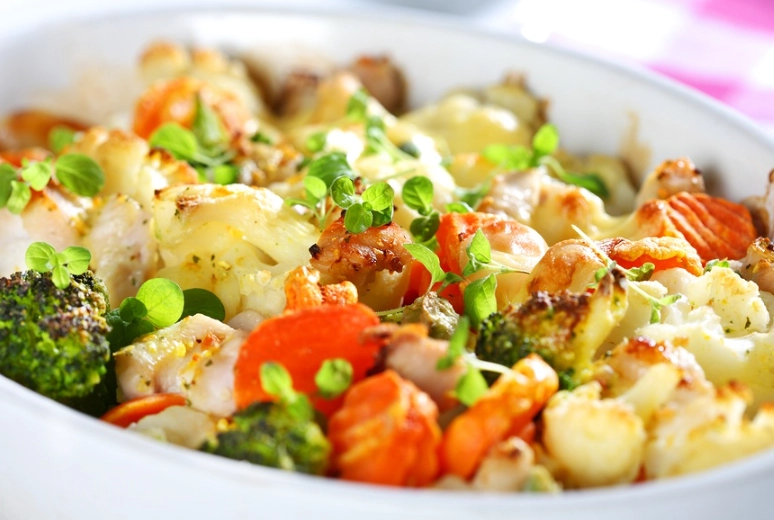
The Binder: The Sauce That Brings It All Together
The sauce is the glue. It shouldn't be an afterthought. A classic sauce starts with a roux (equal parts butter and flour cooked together), then milk or broth is whisked in. But let's be real, sometimes you just want to skip a step.
- The Classic Roux-Based Sauce: Melts butter, stir in flour for a minute, whisk in warm milk or chicken broth. It's foolproof and thickens beautifully in the oven. This is the method used in countless traditional recipes, like many you'd find on trusted community sites like Allrecipes.
- The "Lazy" Creamy Shortcut: A can of condensed cream of chicken or mushroom soup mixed with a little milk or broth. I use this when I'm truly in a rush. It works, but watch the sodium. You can dilute it with extra milk or veggies.
- The "Healthier" Thickener: Puree some of the cooked vegetables (like cauliflower or white beans) with broth or Greek yogurt and stir it back in. It adds creaminess and nutrients without needing a roux.
The Topping: The Icing on the Casserole
This is non-negotiable for me. A topping adds texture and visual appeal.
- Buttered Breadcrumbs or Panko: The classic. Mix breadcrumbs with melted butter, maybe some garlic powder and Parmesan. Sprinkle over the top for the last 15-20 minutes to get golden and crispy.
- Shredded Cheese: Cheddar, mozzarella, Gruyère, or a mix. Add it in the last 10 minutes so it melts beautifully without burning or becoming greasy.
- Biscuit or Dumpling Topping: More work, but so rewarding. Drop spoonfuls of biscuit dough or dumpling batter on top of the hot filling and bake until puffed and golden. It turns your casserole into a pot pie.
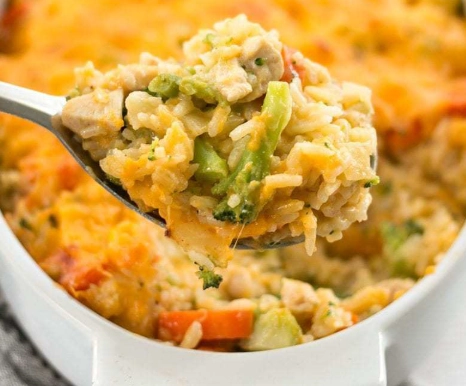
Your Step-by-Step Blueprint (The Recipe Framework)
Don't think of this as a rigid recipe. Think of it as a method you can adapt endlessly.
1. Prep Your Ingredients: Chop all your chicken and vegetables to roughly the same size (bite-sized). This is the most important step for even cooking. Preheat your oven to 375°F (190°C). Grease a 9x13 inch baking dish or a similar-sized casserole dish.
2. Build Flavor (The Optional Sauté): In a large skillet, heat a tablespoon of oil. Sauté any aromatic veggies like onions, carrots, or mushrooms for 5-7 minutes until they start to soften. If using raw chicken pieces, you can brown them here too. This step isn't mandatory, but it adds a ton of depth to your final chicken and vegetable casserole.
3. Make the Sauce: In the same skillet (or a saucepan), melt 4 tbsp butter. Whisk in ¼ cup all-purpose flour and cook for 1 minute. Gradually whisk in 2 cups of warm chicken broth and 1 cup of milk. Bring to a simmer, stirring constantly until it thickens. Season well with salt, pepper, maybe some dried thyme, garlic powder, or a spoonful of Dijon mustard. Taste it! The sauce should be well-seasoned.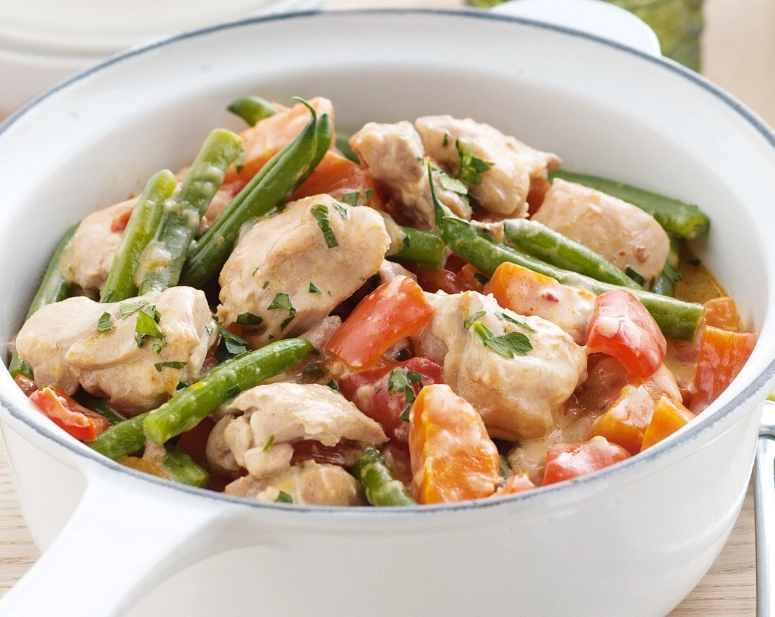
4. Combine & Assemble: In your prepared baking dish, combine the raw (or sautéed) harder vegetables, the raw chicken (if you didn't brown it), and the sauce. Stir until everything is coated. Cover tightly with foil.
5. The First Bake: Bake covered for 25-30 minutes. This gently cooks the chicken and hard veggies in the steam.
6. Add the Delicates & Top: Carefully remove the dish from the oven. Stir in your quick-cooking vegetables (zucchini, peas, etc.). Sprinkle your chosen topping evenly over the entire chicken and vegetable casserole.
7. The Final Bake: Return to the oven, uncovered, for another 15-20 minutes, or until the topping is golden, the sauce is bubbling around the edges, and the chicken is cooked through (165°F). Let it rest for 5-10 minutes before serving – this allows the sauce to set slightly so it's not runny.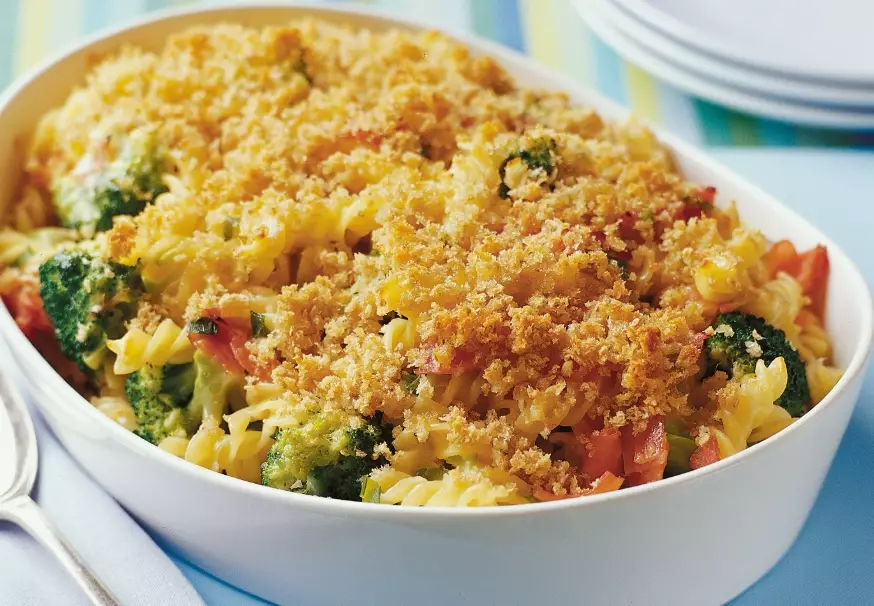
Answering Your Casserole Conundrums (FAQs)
Leveling Up: Flavor Variations to Keep It Interesting
Once you've mastered the basic formula, the world is your casserole dish. Here are some of my favorite spins on the classic chicken and vegetable casserole.
Honestly, the worst chicken and vegetable casserole I ever had was at a potluck. It was bland, beige, and the texture of baby food. It made me appreciate how important seasoning and texture variation are. Don't be that casserole.
Making It Work for Your Diet
The beauty of this dish is its adaptability.
- Gluten-Free: Use cornstarch or a gluten-free flour blend (like Bob's Red Mill 1-to-1) for the roux. For the topping, use gluten-free breadcrumbs, crushed gluten-free crackers, or just cheese.
- Lower-Carb/Keto: Skip the starchy vegetables like potatoes and carrots. Load up on broccoli, cauliflower, zucchini, and bell peppers. Thicken the sauce with a cream reduction (simmer heavy cream until it thickens) or a xanthan gum slurry instead of flour.
- Dairy-Free: Use olive oil or dairy-free butter for the roux, and unsweetened almond or oat milk. For a cheesy flavor without cheese, try a sprinkle of nutritional yeast in the sauce and on top.
The goal is to end up with a comforting, hearty dish that fits your life, not the other way around. A well-made chicken and vegetable casserole is more than just dinner; it's a reliable strategy for getting a good meal on the table without the stress. It’s the kind of recipe that gets passed down because it works, it adapts, and it always feels like home. So grab your baking dish, raid your veggie drawer, and start building your own version. You might just find it becomes your new weeknight hero.
Reader Comments