Your Lunch Prep Roadmap
Let's be real, figuring out lunch every day is a pain. You're busy, you're hungry, and before you know it, you're staring at the same sad desk salad or handing over another $15 for a mediocre sandwich. Sound familiar? I've been there too. The chaos of the midday meal used to be a major stress point for me, until I finally cracked the code on lunch meal prep.
It's not about spending your entire Sunday in the kitchen. Honestly, that idea used to make me groan. It's about smart, simple systems that give you back control. Good lunch meal prep recipes are the foundation, but it's the how that makes it stick. This guide is everything I wish I'd known when I started—the easy recipes, the practical hacks, and the flexible plan that actually fits into a normal life.
Why Bother with Lunch Meal Prep at All?
You might be thinking, "Is it really worth the effort?" From my experience, absolutely. But let's break down the real benefits, beyond just the obvious.
First, the money. It's staggering. I started tracking it, and I was easily spending $50 to $75 a week on lunches out. With meal prep, I cut that down to about $20-$30 for ingredients. That's real savings that add up fast. Second, the mental load. Making one decision on Sunday about five lunches eliminates five daily moments of decision fatigue. That's a game-changer for your focus and energy.
Then there's health. When you prep, you control the ingredients. No mystery sauces, no hidden sodium bombs, no portion sizes that leave you in a food coma by 2 PM. You can tailor your lunch meal prep recipes to have more protein, more veggies, and less processed junk. It's a passive way to eat better without thinking about it every single day.
The Golden Rules of No-Stress Meal Prep
Before we get to the recipes, let's talk strategy. Jumping in without a plan is how you end up with three identical containers of soggy chicken and broccoli, vowing never to prep again. I've made that mistake so you don't have to.
Rule 1: Keep Your Components Separate
This is the single most important tip for texture and freshness. Don't assemble everything like a casserole unless it's meant to be one. Store your grains, your protein, your sauces, and your crunchier veggies (like cucumbers, bell peppers) in separate small containers or compartments. Assemble the morning of, or right before eating. It takes 30 seconds and your food won't be mushy by Wednesday.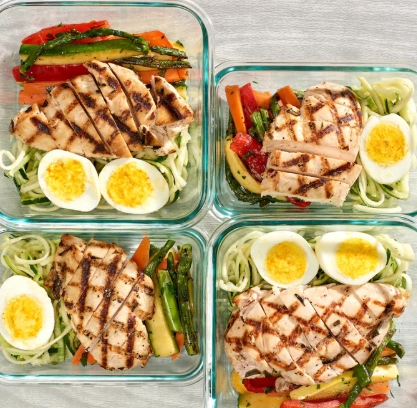
Rule 2: Embrace the Freezer (Wisely)
Not everything freezes well, but soups, stews, chili, and cooked beans are freezer heroes. Make a double or triple batch and freeze individual portions. That's your "emergency lunch" stash for weeks when your prep day falls apart. The USDA's guidelines on freezing are a great resource for safe practices.
Rule 3: The 90-Minute Max Promise
If your prep takes more than 90 minutes, the system will fail. You'll burn out. The best lunch meal prep recipes are designed for efficiency. Choose recipes that share cooking methods (e.g., everything that needs an oven goes in together) and ingredients to minimize waste and chopping time.
My Go-To Lunch Meal Prep Recipes (That Don't Get Boring)
These aren't just recipes; they're templates. They're designed to be varied, to hold up in the fridge, and to be genuinely satisfying. I've ranked them based on ease, cost, and how well they reheat.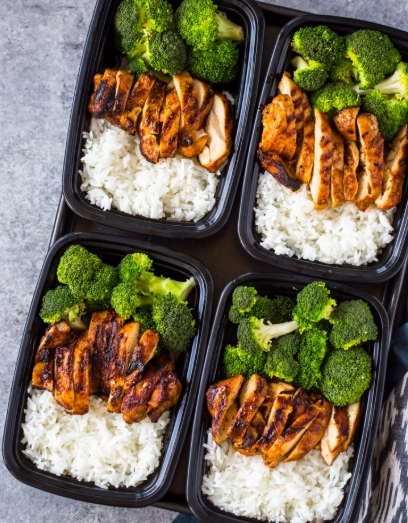
Top Performer: The Mason Jar Salad (Layered, Not Tossed)
Forget everything you know about sad, wilted salads. The key is the order. From the bottom up: 1) Dressing. 2) Hard veggies (carrots, cucumbers, chickpeas). 3) Softer veggies/protein (tomatoes, chicken, beans). 4) Grains/cheese (quinoa, feta). 5) Greens/ nuts (spinach, arugula, almonds). The dressing stays at the bottom, away from the greens. When ready to eat, shake it into a bowl. It's crisp every time. This is one of the most versatile lunch meal prep recipes out there.
The Hearty Bowl Formula
Bowls are the ultimate prep vehicle. They're visual, balanced, and customizable. Here's your blueprint:
- Base (1 cup): Brown rice, quinoa, farro, couscous, or mixed greens.
- Protein (1 palm-sized portion): Roasted chickpeas (toss in oil and spices, roast at 400°F for 20 mins), shredded chicken, baked tofu, canned tuna or salmon, or lentils.
- Veggies (2+ types): Roasted broccoli/sweet potato (do this on one sheet pan!), raw shredded cabbage, steamed green beans, pickled red onions.
- Topper & Sauce: A handful of seeds, a dollop of hummus, a spoonful of pesto, or a simple lemon-tahini sauce (mix tahini, lemon juice, water, garlic).
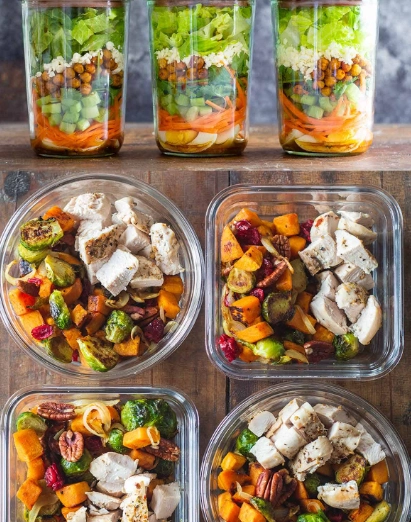
Prep each component in bulk and mix and match through the week.
The "Better Than Takeout" Stir-Fry Prep
Stir-fry is a classic for a reason, but it's best prepped, not pre-cooked into a soggy mess.
Prep: Cook your protein (tofu, shrimp, thinly sliced chicken/beef) and let it cool. Chop all your veggies (bell peppers, snap peas, broccoli florets) and store them raw. Make a big batch of sauce (soy sauce, ginger, garlic, a touch of honey or maple syrup, cornstarch to thicken). Cook a pot of rice.
Morning-of (takes 7 mins): Grab a container, add a portion of rice, raw veggies, and cooked protein. Pour your sauce into a tiny separate container. At lunch, dump it all into a microwave-safe bowl, add the sauce, and microwave for 2-3 minutes, stirring once. It essentially steams and sautés in the microwave, tasting fresh and vibrant.
See the pattern? It's about prepping the parts, not always the final dish. This keeps flavors and textures alive.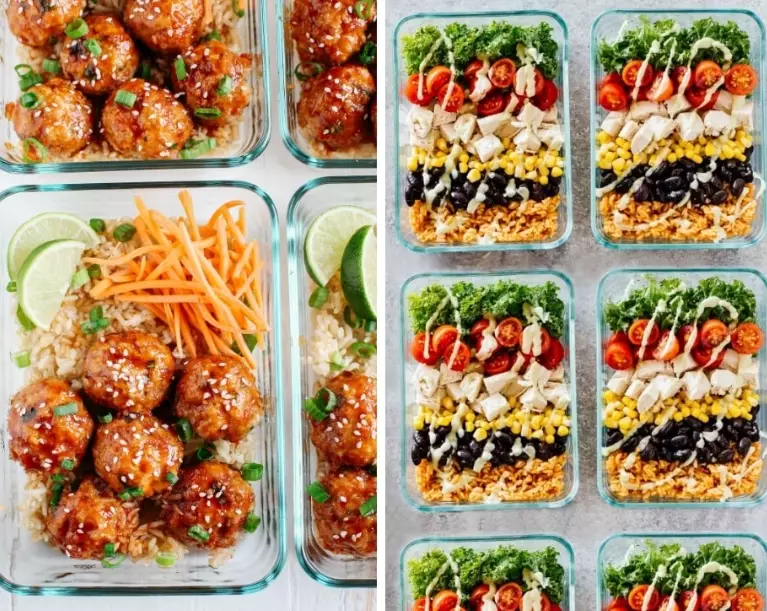
A Sample Weekly Lunch Meal Prep Plan (The 90-Minute Version)
Let's make this concrete. Here’s exactly what a Sunday prep session could look like. This plan yields 5 distinct, non-boring lunches.
| Task Order | What to Do | Time | Yields / Notes |
|---|---|---|---|
| 1. Oven On | Preheat to 400°F (200°C). Line two sheet pans. | -- | Passive time. |
| 2. Grain Base | Rinse 1.5 cups quinoa, add to pot with 3 cups water/ broth. Bring to boil, simmer 15 mins, fluff. | 20 mins (mostly passive) | ~5 cups cooked quinoa. |
| 3. Sheet Pan 1 | Toss 2 cans of chickpeas (drained) with olive oil, smoked paprika, cumin. Spread on half the pan. Chop 2 sweet potatoes into cubes, toss with oil, salt, pepper. Spread on other half. Roast. | Prep: 10 mins Cook: 25 mins | Spiced chickpeas (protein) & roasted sweet potatoes (veg/carb). |
| 4. Sheet Pan 2 | Cut 2 heads of broccoli into florets, toss with oil, garlic powder. Spread on pan. Add 4 chicken breasts (or firm tofu blocks) seasoned simply with salt and pepper. Roast. | Prep: 10 mins Cook: 20-25 mins | Broccoli (veg) & main protein. |
| 5. Quick-Pickle & Sauce | Thinly slice 1 red onion, submerge in a mix of ½ cup vinegar, ½ cup warm water, 1 tbsp sugar, 1 tsp salt. In a bowl, mix 1 cup Greek yogurt, juice of 1 lemon, 2 tbsp dill (or dried), salt, pepper. | 7 mins | Pickled onions (flavor bomb) & lemon-dill sauce. |
| 6. Assemble & Store | Let everything cool. Portion into containers. Keep sauces separate. Store grains, proteins, veggies in their own containers if not assembling full bowls. | 15 mins | 5 lunches, ready to mix and match. |
Total active time? About 45-55 minutes. The rest is oven or stove time where you can walk away.
Now you have components for Mediterranean bowls (quinoa, chicken, broccoli, lemon sauce), hearty salads (greens, chickpeas, sweet potato, pickled onion), and more. It's not 5 identical meals; it's a lunch kit.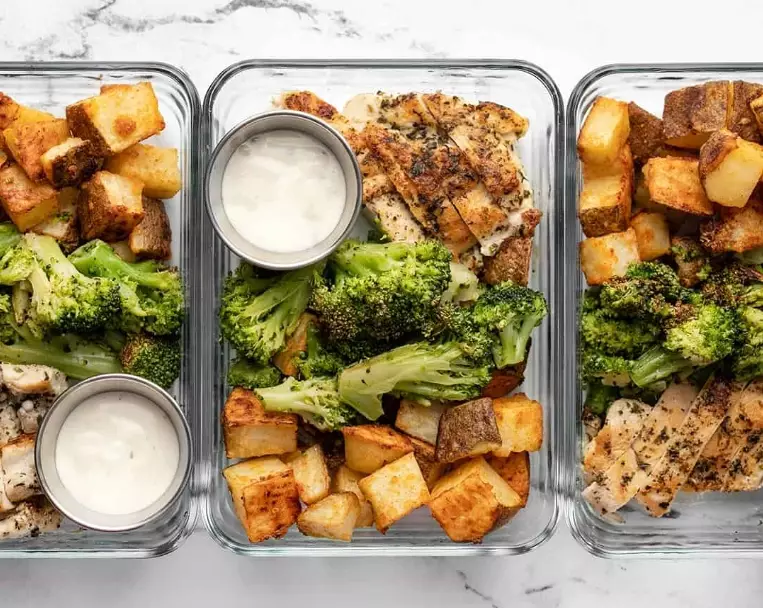
Answering Your Biggest Lunch Meal Prep Questions
How do I keep my food from getting soggy or weird by Thursday?
We already covered the separation rule. Also, let everything cool completely to room temperature before you lid it and put it in the fridge. Trapped steam is the enemy. And pat your proteins and washed greens dry with a paper towel. Moisture management is 80% of the battle.
I'm vegetarian/vegan. Are there good options?
Absolutely. Plant-based lunch meal prep recipes are some of the easiest. Lentils, beans, chickpeas, tofu, tempeh, and edamame are fantastic protein sources that hold up great. A resource like EatingWell's vegetarian section is packed with tested ideas. My spiced roasted chickpeas from the plan above are a staple.
What containers should I use?
Don't overcomplicate this early on. Any glass or BPA-free plastic containers with tight lids will work. I prefer glass because it doesn't stain and goes from fridge to microwave easily. Get a few small 2-4 oz containers for sauces and dressings. That's it. You don't need a fancy, expensive system.
How do I figure out portions so I'm not hungry or overeating?
Use your hand as a rough guide for cooked food: a palm-sized portion for protein, a cupped hand for grains/starchy veg, and two fist-sized portions for non-starchy vegetables. Start there and adjust based on your hunger. It's more forgiving than you think.
The Mindset Shift: Making Meal Prep a Habit
Finding reliable lunch meal prep recipes is the first step, but the real success comes from making it a non-negotiable part of your week, like grocery shopping or doing laundry.
Schedule it. Put "Meal Prep" in your calendar for 90 minutes on a day that works (Sunday afternoon, Monday evening). Put on music or a podcast. Make it enjoyable, not a chore.
Start small. Don't try to prep five gourmet lunches in your first week. Prep three. Or just prep the hard parts—cook a big batch of chicken and rice. That's still a win.
Forgive the off week. Sometimes life happens. Have a backup plan (that freezer soup, a can of tuna, or yes, even ordering out). The goal is progress, not perfection. The system is there to serve you, not enslave you.
When you find a rhythm, you'll notice something. That daily lunchtime stress evaporates. You save money without feeling deprived. You eat better without a strict diet. You get a small, satisfying sense of accomplishment every morning when you grab your ready-to-go lunch. It's a simple practice, but the compound effect on your wallet, health, and peace of mind is genuinely powerful.
So, pick one recipe template from above. Try the 90-minute plan this coming weekend. See how it feels. You might just find that mastering lunch is the easiest win of your week.
Reader Comments