Your Meal Prep Roadmap
- Why Bother? The Real Benefits Beyond Saving Time
- Your First Step: How to Start Without Getting Overwhelmed
- Meal Prep Ideas for Every Diet and Craving
- A Sample Week of Easy Meal Prep Ideas
- The Science of Storage: Keeping Your Food Fresh and Safe
- Answering Your Biggest Meal Prep Questions
- Making It Stick: The Mindset for Long-Term Success
Let's be honest. When you first hear "meal prep," you probably picture endless rows of identical plastic containers holding sad-looking chicken and broccoli. I used to think the exact same thing. It seemed like a punishment, not a shortcut. But then my weeks got crazier, my grocery bills got higher, and my last-minute takeout choices got...questionable. I had to find a better way.
So I started experimenting. Some weeks were a total flop—who wants to eat chili for five days straight? But over time, I cracked the code. The real magic of meal prep ideas isn't about rigid uniformity; it's about smart preparation that gives you freedom. It's about walking into your kitchen on a Wednesday night and having healthy, tasty food ready in minutes, not an hour. It saves money, reduces stress, and honestly, can be kind of fun once you get your own system down.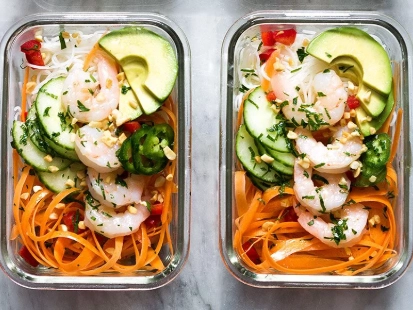
This guide is everything I wish I'd known when I started. We're going to move beyond the basic lists and get into the how and why that makes meal prep stick. Forget the intimidation. Let's talk about real food for real lives.
Why Bother? The Real Benefits Beyond Saving Time
Everyone says meal prep saves time, and it does. But for me, the biggest win was mental. That constant 5 PM "what's for dinner?" panic just...vanished. It's hard to put a price on that peace of mind.
Of course, the practical perks are huge. You'll likely spend less money because you're buying ingredients with a plan, not impulse-buying at the store or paying for delivery markups. You gain control over what goes into your food—less sodium, less mystery oil, more of the good stuff. It makes hitting nutrition goals, whether that's more protein or more veggies, almost automatic.
But here's a benefit nobody talks about enough: it reduces food waste. How many times have you bought a bunch of cilantro or a pack of chicken thighs with good intentions, only to find them wilted or gray a week later? When you prep with a plan, you use what you buy. It feels good.
A quick reality check: Meal prep doesn't mean you can't ever be spontaneous. It's a foundation, not a prison. Having staples prepped means you can throw a quick stir-fry together when inspiration strikes, or you can still say yes to a last-minute dinner invite because you know your lunch for tomorrow is already handled.
Your First Step: How to Start Without Getting Overwhelmed
The biggest mistake is trying to do too much, too perfectly, right away. You don't need to prep every single meal for seven days. Start with what stresses you out the most. For most people, that's weekday lunches or dinners.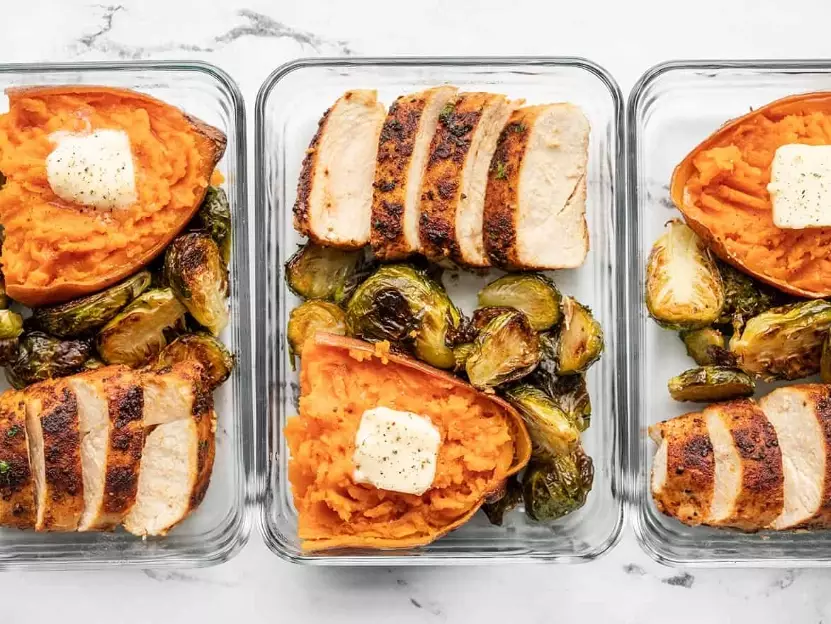
Pick Your Prep Style
Not all meal prep looks the same. Find the style that fits your life.
- The Full Meal Assembler: You cook and assemble complete meals in containers. This is great for portion control and grab-and-go ease. The downside? You need to really like your Monday meal by Thursday.
- The Component Prepper (My Favorite): This is a game-changer. Instead of full meals, you prep versatile building blocks. Roast a big tray of mixed vegetables (like bell peppers, broccoli, and sweet potatoes). Cook a big batch of a grain (quinoa, brown rice). Grill or bake some plain chicken breasts, pork tenderloin, or tofu. Hard-boil a bunch of eggs. Now, throughout the week, you can mix and match. Bowl one day (grain + veg + protein + sauce), wrap the next, salad the day after. It fights boredom brilliantly.
- The Ready-to-Cook Prepper: You do all the chopping, marinating, and measuring ahead of time. On the night of, you just grab a bag of pre-chopped veggies and marinated protein and toss it in a pan. It feels like cooking, but the hard part is done.
I bounced between all of these before settling mostly on the component method. It just offers more flexibility. Sometimes on a Sunday, I'm just not in the mood to decide what I'll want to eat on Thursday. Components let future-me decide.
The Essential Gear (You Don't Need Much)
You can spend a fortune on containers, but you really don't need to. Here's the bare minimum:
- Good Knife and Cutting Board: A sharp chef's knife is the number one time-saver. A dull knife is dangerous and slow.
- Large Sheet Pans: For roasting vegetables and proteins. Lining them with parchment paper makes cleanup a 2-second job.
- Containers: A mix of sizes is helpful. I like having a few large ones for big batches of components and smaller, compartmentalized ones for complete lunches. Glass is great for reheating and doesn't stain, but BPA-free plastic is fine if you're on a budget. Just make sure they're leak-proof.
- Big Pot and Skillet: For grains, soups, and sautéing.
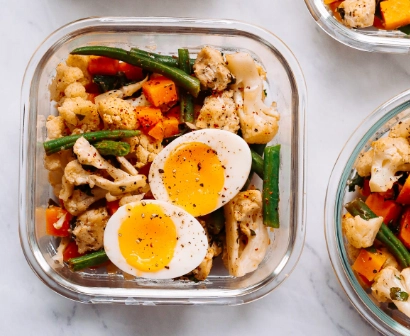
Pro Tip: Before you buy a 50-pack of fancy containers, use what you have! Old yogurt containers, mason jars, and even repurposed takeout containers can work perfectly for a trial run. Invest later once you know what size and style you actually use.
Meal Prep Ideas for Every Diet and Craving
This is the fun part. Let's get specific. The key is to think in categories: protein, veg, starch, flavor. Here are some of my go-to meal prep ideas, broken down by common eating styles.
| Diet Style | Great Protein Picks | Veggie & Carb Stars | Sample Meal Prep Idea |
|---|---|---|---|
| High-Protein / Fitness | Chicken breast, lean ground turkey, 90/10 ground beef, tuna, eggs, Greek yogurt, tofu, tempeh. | Broccoli, green beans, spinach, sweet potato, brown rice, quinoa. | Turkey meatballs with marinara, served over zucchini noodles or spaghetti squash with a side of roasted broccoli. |
| Vegetarian / Plant-Based | Lentils (brown, green, red), chickpeas, black beans, quinoa, tofu, tempeh, edamame, hemp seeds. | Any and all! Bell peppers, mushrooms, cauliflower, leafy greens, carrots, beets. | A big batch of hearty lentil soup, or roasted chickpea and sweet potato bowls with a tahini-lemon dressing. |
| Low-Carb / Keto-Friendly | Chicken thighs, salmon, steak, eggs, bacon, full-fat dairy. | Cauliflower (riced or roasted), zucchini, mushrooms, asparagus, avocado, leafy greens, Brussels sprouts. | Cheesy cauliflower casserole with ground beef, or salmon fillets with a side of garlicky sautéed spinach and mushrooms. |
| Family-Friendly | Shredded chicken, meatballs, taco meat, baked fish sticks (homemade!). | Roasted carrot "fries," corn, peas, cucumber slices, whole-wheat pasta. | Taco bar components: seasoned ground beef/turkey, shredded lettuce, diced tomatoes, cheese, salsa, tortillas/wraps. Let everyone build their own. |
See? It's not just chicken and rice. The best weekly meal prep ideas work with your goals, not against them. A fantastic resource for balancing your plate, no matter your diet, is the USDA's MyPlate guide. It's a simple, visual way to check if you've got your bases covered.
I used to avoid prepping fish because I thought it would smell or get rubbery. Turns out, salmon is one of the best things to prep. It reheats beautifully in a toaster oven or air fryer and feels so much fancier than chicken. Don't be afraid to experiment with your proteins.
Don't Forget the Flavor Boosters!
This is the secret weapon against meal prep monotony. Prepping sauces, dressings, and seasonings separately can transform the same basic components.
- Sauces: Blend a big batch of pesto. Whisk together a simple peanut sauce (peanut butter, soy sauce, lime, ginger, a little hot water). Make a yogurt-based herb sauce with dill or cilantro.
- Dressings: A basic vinaigrette (3 parts oil, 1 part acid like vinegar or lemon juice, mustard, salt, pepper) lasts all week. Try a creamy avocado lime dressing.
- Dry Rubs & Spice Blends: Mix up a batch of taco seasoning, Italian herbs, or a smoky BBQ rub. Seasoning your proteins differently before cooking creates variety.
Store these in small jars or containers. When you assemble your meal, add a spoonful or a drizzle. It makes all the difference.
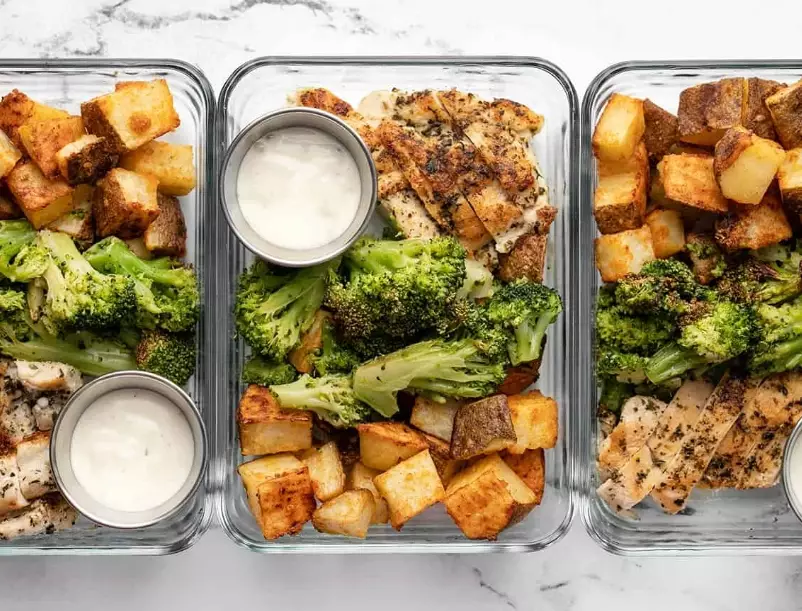
A Sample Week of Easy Meal Prep Ideas
Let's make this concrete. Here's a look at how a week of component-based prep could play out. This is a balanced, general plan—tweak the proteins and veggies to your liking.
Sunday Prep Session (About 1.5 - 2 hours)
Protein 1: Season 4 chicken breasts with salt, pepper, and paprika. Bake at 400°F (200°C) for 20-25 minutes until cooked through. Let cool, then slice or shred.
Protein 2: Drain and rinse 2 cans of chickpeas. Toss with olive oil, cumin, and smoked paprika. Roast on a sheet pan at 400°F (200°C) for 20-25 minutes until crispy.
Grain: Cook 2 cups of dry quinoa according to package directions (makes about 4 cups cooked).
Veggies: Chop 2 heads of broccoli, 3 bell peppers, and 1 red onion. Toss with olive oil, salt, and pepper. Roast on 1-2 sheet pans at 425°F (220°C) for 20-25 minutes.
Extra: Hard-boil 6 eggs. Make a batch of lemon-tahini dressing (tahini, lemon juice, garlic, water, salt).
Weekly Meal Ideas From Your Prepped Components
- Lunch Bowl: Quinoa + roasted veggies + sliced chicken + lemon-tahini dressing.
- Hearty Salad: Mixed greens + roasted chickpeas + chopped hard-boiled egg + bell peppers + a simple vinaigrette.
- Quick Stir-Fry (Ready-to-Cook Style): Sauté some of the pre-chopped raw bell peppers and onion with the sliced chicken. Add a splash of soy sauce and serve over leftover quinoa.
- Breakfast: A hard-boiled egg with a piece of fruit, or a scramble with leftover veggies.
This framework gives you at least 4 distinct meals from one prep session. It's these kinds of practical, easy meal prep ideas that make the habit sustainable.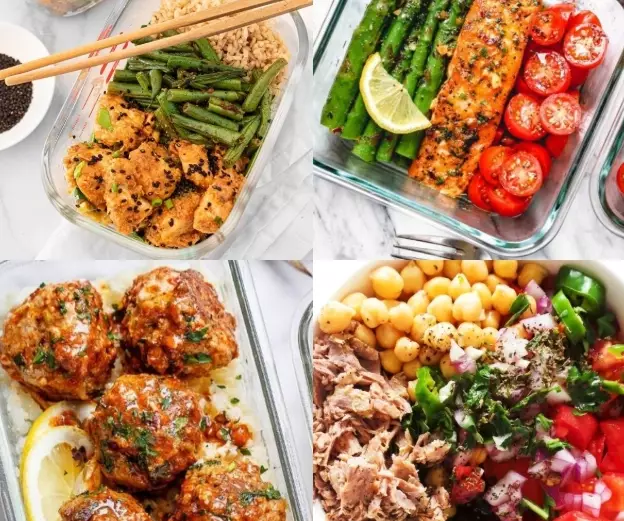
The Science of Storage: Keeping Your Food Fresh and Safe
Alright, you've cooked all this beautiful food. Now, how do you not ruin it? Proper storage is non-negotiable. Nothing kills the meal prep vibe faster than soggy veggies or funky-smelling chicken on Tuesday.
Cool It Down Fast: Don't put hot food directly into containers and into the fridge. It raises the fridge's temperature and can create condensation, making everything soggy. Let food cool on the counter for no more than 2 hours (1 hour if it's very hot out) before packing and refrigerating.
Storage Lifespan (General Guidelines):
- Cooked Chicken/Fish/Meat: 3-4 days in the fridge.
- Cooked Beans/Lentils/Grains: 4-5 days in the fridge.
- Roasted Vegetables: 4-5 days in the fridge. Some, like zucchini, might get softer faster than hardier veggies like carrots or broccoli.
- Soups/Stews: 3-4 days in the fridge, or freeze portions for longer.
The Freezer is Your Friend: If you know you won't eat something within 4 days, freeze it immediately in a single layer on a sheet pan, then transfer to a bag (this prevents a giant frozen block). Soups, chili, meatballs, and cooked grains freeze exceptionally well. For more detailed, science-backed food safety information, the FoodSafety.gov website is an authoritative resource you can trust.
My biggest storage mistake: I used to store salads with the dressing already on. Big, sad mistake. Always store wet ingredients (dressing, juicy tomatoes) separately from dry (greens, cooked grains). Add them just before eating.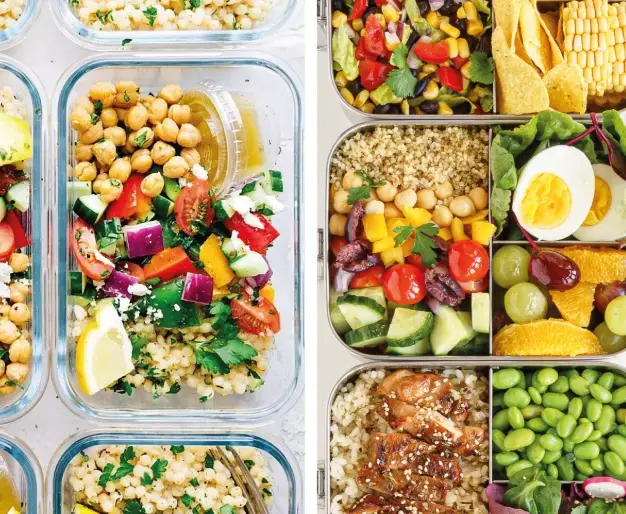
Answering Your Biggest Meal Prep Questions
Isn't eating the same thing all week unhealthy?
Not inherently, but variety is key for a wide range of nutrients. This is where the component method shines. You're not eating the exact same bowl; you're mixing different proteins, veggies, and sauces throughout the week. If you do full meals, try prepping two different options. The goal is to avoid nutritional ruts, not necessarily to have 21 unique meals.
How do I reheat food without it turning to rubber?
Moisture is key. For proteins like chicken or fish, sprinkle a few drops of water on top before microwaving, or cover loosely with a damp paper towel. Reheat in shorter intervals (30 seconds) and stir or flip in between. For grains, a splash of water or broth before reheating brings them back to life. An air fryer or toaster oven is fantastic for reheating roasted veggies and proteins—they get crispy again instead of soggy.
I'm not a good cook. Can I still meal prep?
Absolutely. Meal prep can make you a better cook because you practice the same techniques repeatedly. Start with simple recipes: sheet pan dinners (throw everything on a pan, roast), one-pot soups, or slow cooker meals. You don't need advanced skills. Boiling eggs, roasting veggies, and cooking ground meat are perfect starting points.
How much should I actually make?
A good rule of thumb is to prep for 3-4 days of lunches or dinners. I find the quality starts to dip after day 4, and it keeps things fresher. You can always do a smaller mid-week "prep boost" if needed, like cooking another batch of grains or chopping more veggies. For portion sizes, a helpful reference for protein is the visual guide from Harvard T.H. Chan School of Public Health, which suggests a portion about the size of your palm.
Making It Stick: The Mindset for Long-Term Success
The final hurdle isn't the cooking—it's the consistency. Life happens. Some Sundays you'll want to relax, not chop vegetables.
Be flexible. Maybe one week you only prep your lunches. Maybe you buy pre-chopped veggies from the store to save time (it's worth the extra dollar if it means you actually prep). Maybe you do a "clean out the fridge" prep session on a Wednesday night instead of Sunday.
The goal isn't perfection. It's progress. Even prepping one or two things—a pot of quinoa, a dozen hard-boiled eggs—puts you ahead of the game.
Start small. Pick one or two meal prep ideas from this guide that sound doable. Try them next week. See how it feels. Tweak them to your taste. Build your own system, one container at a time.
You might just find that the rhythm of it becomes a comforting part of your week—a little time invested upfront that pays you back in calm, health, and flavor every single day.
Reader Comments