Your Quick Guide
Let's talk about ground turkey sausage. You've probably seen it in the grocery store, nestled near the regular pork sausage, maybe picked it up, wondered about it, and perhaps put it back. I did that for years, honestly. It seemed like the "healthy" option that might sacrifice all the flavor. Boy, was I wrong. After a lot of trial and error (some very dry errors, I might add), I've become a total convert. This isn't just a substitute; it's a fantastic ingredient in its own right.
This guide is everything I wish I'd known when I started. We're going to move beyond the basic "it's leaner" factoid. We'll dig into what it really is, why you might want to make the switch, how to buy the good stuff, and crucially, how to cook it so it's never dry or bland. I'll share my go-to method for homemade ground turkey sausage seasoning that beats most store-bought packs, and we'll walk through some recipes that are regulars in my kitchen. Whether you're a seasoned home cook or just trying to eat a bit better, there's something here for you.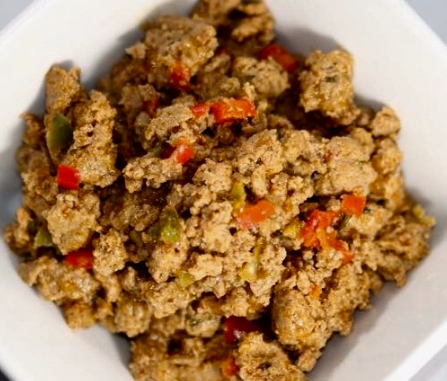
Why Choose Ground Turkey Sausage? The Real Benefits
Everyone jumps straight to the fat content. And yes, that's a big part of it. But the advantages go deeper than just numbers on a nutrition label.
First, the nutritional profile. Compared to regular pork sausage, ground turkey sausage is typically much lower in saturated fat. We're talking about a difference that can genuinely impact your heart health if you're eating sausage regularly. It's also a great source of high-quality protein, which keeps you full longer, and important nutrients like selenium, zinc, and B vitamins, particularly niacin and B6. The U.S. Food and Drug Administration (FDA) provides guidelines on understanding these labels, which is super helpful when comparing products.
But here's what they don't always tell you: the flavor can be cleaner. Without the heaviness of all that pork fat, the herbal notes of the sage, the warmth of the fennel, and the kick of black pepper really get a chance to shine. It's a different, often more nuanced flavor experience.
Versatility is its secret weapon. Sure, you can make patties for breakfast. But crumbling a package of ground turkey sausage into a pasta sauce, a soup, or a frittata is a weeknight dinner game-changer. It absorbs other flavors beautifully.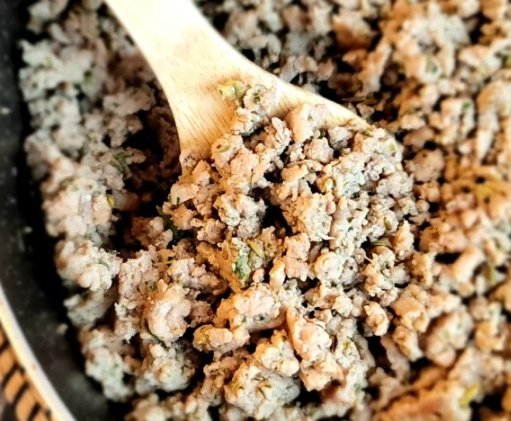
Nutrition Face-Off: Turkey Sausage vs. Pork Sausage
Let's look at some typical numbers. Remember, brands vary, so always check your label. This is based on a standard 3-ounce (85g) cooked serving of seasoned sausage.
| Nutrient | Ground Turkey Sausage (Lean) | Traditional Pork Sausage | Why It Matters |
|---|---|---|---|
| Calories | ~170-200 | ~250-300 | Turkey offers a less calorie-dense option. |
| Total Fat | 9-12g | 20-25g | A significant reduction, helpful for weight and heart health. |
| Saturated Fat | 2.5-4g | 8-10g | This is the big one. Lower sat fat is better for cholesterol levels. |
| Protein | 18-22g | 12-15g | Turkey sausage often packs a bigger protein punch. |
| Sodium | 500-700mg | 600-800mg | Watch here! Both can be high. Low-sodium versions exist. |
The American Heart Association recommends limiting saturated fat, so that column is worth paying attention to if you have family history or concerns in that area.
Navigating the Grocery Store Aisle: How to Buy the Best
Not all ground turkey sausage is created equal. Grab the wrong package, and you're headed for dry, tasteless disappointment. Here’s how to be a savvy shopper.
First, read the meat label. The biggest factor is the lean-to-fat ratio. You'll see labels like "93/7" (93% lean, 7% fat) or "85/15." Here's my hard-learned lesson: avoid the ultra-lean versions for sausage. The 99% lean ground turkey breast is great for some things, but for juicy, flavorful sausage, you need a bit of fat. I aim for an 85/15 or 90/10 blend. The fat, often from dark meat and skin, carries flavor and moisture. Without it, you're fighting an uphill battle.
Check the seasoning list. Some brands are heavy on salt and not much else. Look for a mix that includes actual herbs and spices: sage, rosemary, thyme, fennel seed, black pepper, red pepper flakes. Avoid ones where "natural flavors" is the main event. Also, be mindful of sodium if that's a concern for you.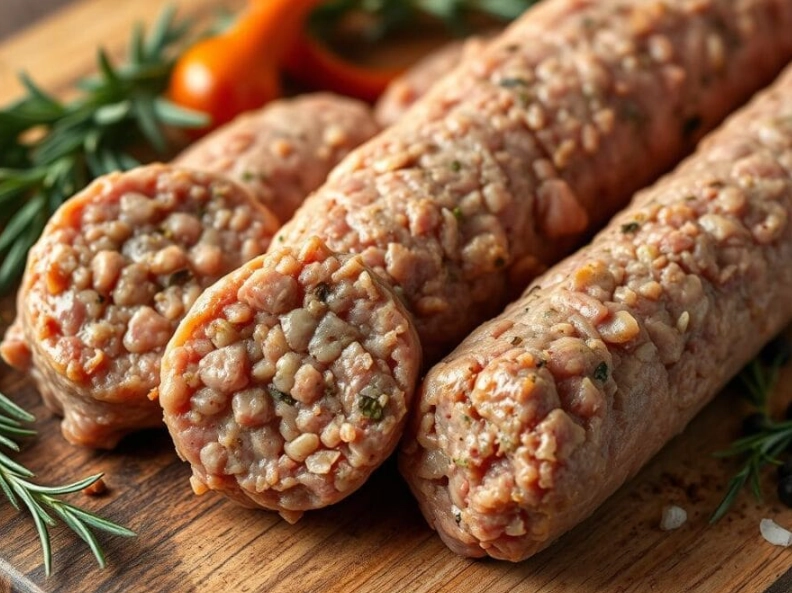
Fresh vs. Pre-Cooked. For maximum flavor and control, I always buy fresh (raw) ground turkey sausage. The pre-cooked patties or crumbles are convenient, but they're almost always drier and have a less vibrant flavor. The extra 10 minutes to cook it yourself is worth it.
Your best bet? Sometimes it's the plain ground turkey and your own spices.
The Secret to Perfect Homemade Turkey Sausage Seasoning
This is where you take full control. Making your own ground turkey sausage blend is stupidly easy, cheaper, and lets you dial the flavor exactly to your taste. No more guessing what's in it.
I started doing this after one too many bland store-bought packs. The base formula is simple: ground turkey + fat (if needed) + salt + herbs/spices. For a pound (about 450g) of ground turkey:
• 1 lb ground turkey (85/15 or 90/10)
• 1 ½ tsp kosher salt (use 1 tsp if using fine table salt)
• 1 tsp dried rubbed sage (the cornerstone flavor)
• ¾ tsp dried thyme
• ½ tsp freshly ground black pepper
• ½ tsp brown sugar (optional, but helps with browning and balances)
• ¼ tsp crushed red pepper flakes
• ¼ tsp ground nutmeg (a tiny bit makes a huge difference)
• 1 clove garlic, minced, or ¼ tsp garlic powder
• A pinch of allspice (trust me)
How-to: Just put the turkey in a bowl, sprinkle everything over top, and use your hands to mix it gently but thoroughly. Don't overwork it! Let it sit for 15-20 minutes in the fridge for the flavors to meld before cooking.
You can go wild with variations. For an Italian-style turkey sausage, swap the sage and thyme for fennel seeds, oregano, and parsley, and add a touch of fennel pollen if you're feeling fancy. For a spicy Cajun twist, lean into paprika, cayenne, onion powder, and oregano.
Essential Cooking Techniques: No More Dry Sausage!
This is the most common complaint, and it's totally avoidable. The enemy of ground turkey sausage is overcooking. Pork sausage has a lot of fat to render, so you can cook it longer. Turkey sausage needs a gentler touch.
For Patties: Form them gently, don't pack them tight. Make a slight indentation in the center with your thumb – this helps them cook evenly and stay flat. Cook over medium heat, not high. You're not searing a steak. A little oil or butter in the pan helps. Cook for about 4-5 minutes per side, until the internal temperature hits 165°F (74°C). Use a meat thermometer! It's the only surefire way. The FoodSafety.gov guidelines are clear on this temperature for poultry. As soon as it hits 165°, take it off the heat. Let it rest for a couple of minutes; it will carry over cook a bit.
For Crumbles (like for pasta or scrambles): This is my most frequent use. Heat your pan with a bit of oil over medium heat. Add the sausage and break it up with a wooden spoon or spatula. Let it sit for a minute to get some browning, then break it up more. Continue cooking, stirring occasionally, until no pink remains. It will cook faster than you think. If you're adding veggies, sometimes I'll cook the sausage first, remove it, cook the veggies in the rendered juices, then combine everything at the end so the turkey doesn't overcook.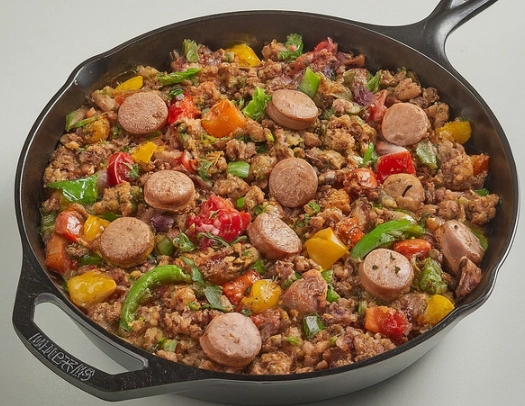
Recipes That Actually Work (And My Family Eats
Let's move beyond theory. Here are a few ways I use ground turkey sausage that have earned a permanent spot in the dinner rotation.
Weeknight Turkey Sausage & Kale Soup
This is a one-pot wonder. Brown a pound of ground turkey sausage (homemade or store-bought) with a diced onion. Add a few cloves of minced garlic, then 6 cups of chicken broth. Throw in a couple of chopped potatoes or a cup of white beans. Simmer until the potatoes are tender. In the last 5 minutes, stir in a bunch of chopped kale until wilted. Finish with a squeeze of lemon juice. It's hearty, healthy, and ready in 30 minutes. The sausage makes it feel substantial without being greasy.
The Ultimate Turkey Sausage & Pepper Sheet Pan Dinner
Minimal cleanup, maximum flavor. Toss sliced bell peppers and onions with a little oil, salt, and Italian seasoning on a sheet pan. Form your ground turkey sausage into small meatballs (about 1-inch). Nestle them among the veggies. Roast at 400°F (200°C) for 20-25 minutes, until the meatballs are cooked through and the veggies are charred at the edges. Serve over rice, quinoa, or with crusty bread. The turkey meatballs stay tender in the oven's even heat.
See? It doesn't have to be just for breakfast.
Simple Turkey Sausage Pasta
My kids' favorite. Brown the crumbled turkey sausage. Remove it. In the same pan, sauté some garlic and red pepper flakes. Add a can of crushed tomatoes, let it simmer for 10 minutes. Stir the cooked sausage back in. Toss with your favorite pasta (rigatoni is perfect for holding the sauce) and a handful of fresh basil or parsley. The lean turkey sausage makes a sauce that's rich in flavor but light enough that you don't feel sluggish after.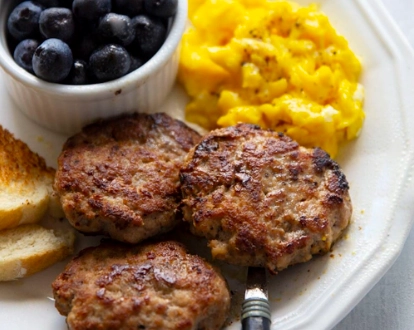
Answering Your Ground Turkey Sausage Questions
Can I freeze ground turkey sausage?
Absolutely. If it's store-bought fresh, freeze it in its original packaging if you'll use it soon. For longer storage, I repackage it in freezer bags, pressing it flat so it thaws quickly. Homemade seasoned sausage freezes beautifully too. Form it into patties or a log, wrap tightly, and freeze. It'll keep for 2-3 months.
Is it really healthier?
On balance, yes, primarily due to the lower saturated fat content. But "healthy" depends on context. It's still a processed meat, and many varieties are high in sodium. As part of a balanced diet rich in vegetables and whole grains, it's a great lean protein choice. The Mayo Clinic has good information on balancing processed meats in your diet.
My turkey sausage is always bland. What am I doing wrong?
Two likely culprits: 1) Not enough salt and seasoning. Don't be shy. The meat itself is mild. 2) Overcooking. See my techniques above. Also, try browning it more. Get a good sear on those crumbles or patties; the Maillard reaction (that browning) creates tons of flavor.
Can I substitute it 1:1 for pork sausage in any recipe?
In most recipes, yes. The texture will be slightly different—less greasy, potentially a bit drier if you're not careful. In dishes like stuffing or casseroles where the fat is integral, you might miss a little richness. Sometimes I'll add a tiny drizzle of olive oil to compensate. For breakfast patties or crumbles in a hash, it's a direct and fantastic swap.
Give that homemade seasoning blend a shot this weekend. Crumble it into your morning eggs. You might be surprised. I know I was.
Reader Comments