Your Lunch Prep Roadmap
- Why Bother? The Real Benefits of Lunch Prepping
- The Foundation: Planning Your Easy Meal Prep Lunch
- Your Secret Weapon: The Right Containers
- No-Fail, Actually Easy Meal Prep Lunch Recipes
- Answers to the Questions You're Probably Asking (The FAQ)
- The Honest Part: Common Mistakes I Made (So You Don't Have To)
- Making It a Habit (The Real Goal)
Let's be honest. Figuring out what to eat for lunch every single day is a special kind of torture. It's 11:30 AM, your stomach is growling, and you're faced with the same terrible options: spend $15 on a mediocre salad, eat sad leftovers from last night's dinner, or just snack on crackers until you're miserable. I've been there more times than I care to admit.
That's where the magic of an easy meal prep lunch comes in. It sounds intimidating, like something only fitness influencers with perfectly organized refrigerators do. But it's not. At its core, it's just about making a slightly bigger batch of something you're already cooking, or dedicating a quiet hour on a Sunday to set yourself up for a winning week.
I'm not here to sell you on complex, 10-container plans with 30 ingredients. I want to talk about the real, practical, actually easy way to do this. The kind where you don't need fancy gear or a culinary degree. The goal is a simple lunch prep routine that gives you back your lunch break and your lunch money.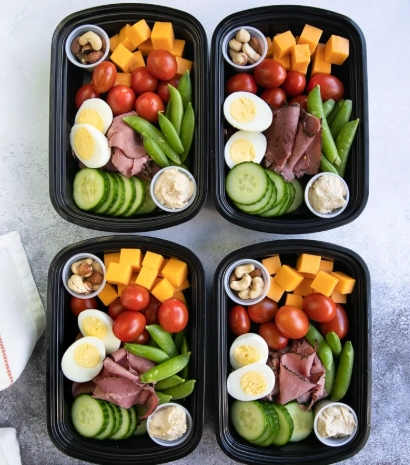
Why Bother? The Real Benefits of Lunch Prepping
Everyone says it saves money. And yeah, it does. Making a big pot of soup or a tray of roasted veggies and chicken is way cheaper than buying individual lunches. But for me, the bigger win is mental. The decision fatigue of "what's for lunch?" is completely gone. I open the fridge, grab my container, and I'm done. No stress, no last-minute Uber Eats orders that blow my budget.
It's also the single easiest way I've found to eat healthier without thinking about it. When you prepare the food, you control what goes in. Less oil, less salt, more veggies. It just happens naturally. The Academy of Nutrition and Dietetics consistently emphasizes that planning meals is a cornerstone of healthy eating habits, and they're right. It removes the temptation of the quick, less-nutritious option.
My "Aha!" Moment: I used to think I hated salads for lunch. Turns out, I just hated the soggy, wilted mess they became. The simple trick of keeping the dressing separate was a game-changer for my easy meal prep lunch routine. Sometimes the fix is stupidly simple.
The Foundation: Planning Your Easy Meal Prep Lunch
Jumping in without a plan is the fastest way to get overwhelmed and give up. You don't need a military operation, just a little direction.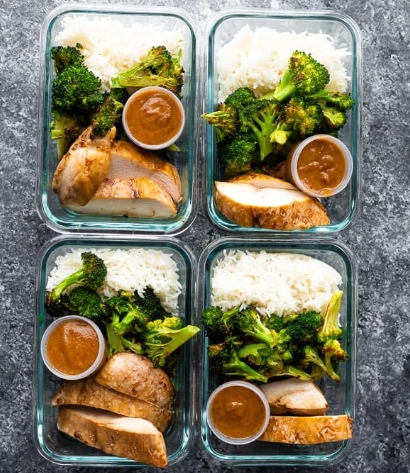
Start With Your Calendar
Be realistic. How many days are you actually in the office or need a packed lunch? Prep for that many, not some ideal fantasy version of your week. If you have a client lunch on Wednesday, only prep four meals. This seems obvious, but it prevents food waste and frustration.
The Template Method (This Saved Me)
Instead of finding five totally different recipes, use a formula. It makes shopping and cooking brainless. Here's my go-to template for a balanced, satisfying easy lunch prep:
- The Protein: Chicken thighs (they reheat better than breasts, trust me), hard-boiled eggs, chickpeas, lentils, baked tofu, or shredded rotisserie chicken (no shame!).
- The Veggies (The Color): Roasted broccoli, bell peppers, and sweet potato. Raw spinach, cherry tomatoes, or shredded carrots. A mix of cooked and raw is nice for texture.
- The Smart Carb/Base: Quinoa, brown rice, farro, whole-wheat pasta, or even just a big bed of leafy greens.
- The Flavor Booster: This is key to avoiding boredom. A sauce, a sprinkle of nuts or seeds, a handful of fresh herbs, a squeeze of lemon, or a dollop of a flavorful condiment like pesto or a yogurt-based dressing.
Mix and match these categories each week. One week it's teriyaki chicken with broccoli and rice. The next it's a quinoa bowl with chickpeas, roasted peppers, and a tahini-lemon drizzle. The structure is the same, but the flavors change.
A Common Pitfall: Don't make five identical meals if you know you'll be sick of it by Wednesday. Either prep two different recipes, or prep base components separately and assemble the bowls fresh each morning with different combos. It adds 2 minutes but saves your enthusiasm.
Your Secret Weapon: The Right Containers
This might be the most important part of a sustainable easy meal prep lunch system. Leaky containers or ones that don't stack will make you hate the process.
Here's a breakdown of the main types. I've bought and regretted enough of these to give you the real scoop.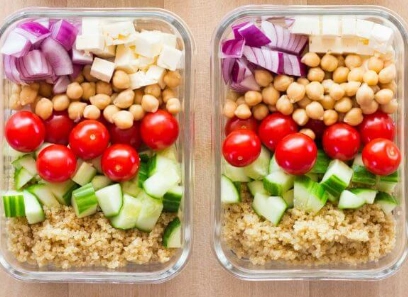
| Container Type | Best For | Pros | Cons & My Experience |
|---|---|---|---|
| Glass Containers with Locking Lids | Everything. Soups, stews, salads, bowls. The all-rounders. | Durable, microwave/dishwasher/oven safe, don't stain or retain smells. | Heavy. If you commute, your bag will be heavier. Also, they can break if dropped. I've lost a few to slippery sink moments. |
| BPA-Free Plastic Containers (Compartmentalized) | Meals where you want to keep components separate (like sauce away from salad). | Lightweight, cheap, great for portion control with the sections. | They can stain from tomato-based sauces or turmeric. Lids don't always seal perfectly forever. I find the plastic can warp in the dishwasher over time. |
| Stainless Steel Tiffins | Cold lunches, grain bowls, snacks. Excellent for kids' lunches too. | Super durable, lightweight, no plastic, often have multiple stacked layers. | Cannot microwave. You have to transfer food to a plate to reheat. The seal isn't always soup-proof. |
| Mason Jars | Salads (dressing at the bottom, greens at the top), overnight oats, soups. | Inexpensive, versatile, great visual appeal, airtight seal. | Awkward shape to pack sometimes. Eating directly from them can be tricky—you usually need to dump it into a bowl. The glass concern applies here too. |
My personal setup? I use glass rectangles for most things and have a few cheap compartmentalized plastics for things like snack boxes or super saucy items I want to keep apart. Don't feel you need one perfect type. A mix is practical.
No-Fail, Actually Easy Meal Prep Lunch Recipes
Let's get concrete. These are two categories: meals that hold up beautifully in the fridge for 4 days, and meals meant for the freezer for longer-term flexibility.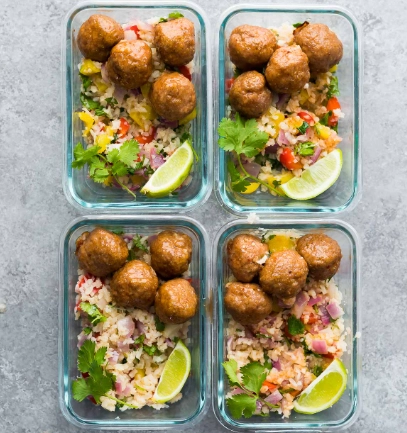
Category 1: The Fridge Champions (Eat within 4 days)
These are my workhorses. They taste great reheated or cold.
The Ultimate "Clean Out the Fridge" Grain Bowl Formula: Cook 2 cups of a grain (like farro or quinoa). While that's cooking, chop whatever veggies you have (onion, zucchini, mushrooms, broccoli) and roast them on a sheet pan with olive oil, salt, and pepper. Open a can of beans (black beans, kidney beans) or use leftover protein. When everything is cool, combine in a big bowl. Dress with a simple vinaigrette (3 parts olive oil, 1 part vinegar or lemon juice, mustard, garlic). Portion out. This is the epitome of a flexible, easy meal prep lunch idea.
Hearty Lentil & Vegetable Soup: Soups are meal prep royalty. Sauté onions, carrots, and celery. Add garlic, a tablespoon of tomato paste, dried thyme, and 1 cup of brown or green lentils. Pour in 6 cups of vegetable or chicken broth. Simmer for 30-40 mins until lentils are tender. In the last 10 minutes, add a couple handfuls of chopped spinach or kale. Divide into containers. It's forgiving, cheap, and packed with fiber. The USDA's MyPlate guidance recommends making half your plate fruits and vegetables—a hearty soup like this is an effortless way to hit that target.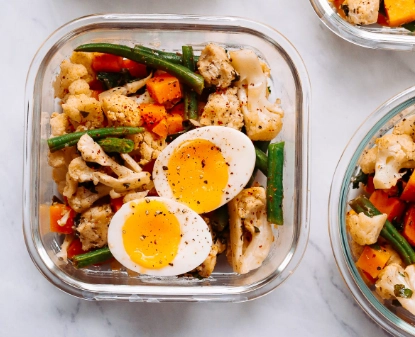
Category 2: The Freezer Heroes (Your Future Self Will Thank You)
This is for when you have a bit more time one weekend and want to build a stash.
Freezer-Friendly Burrito Bowls: Cook a big batch of cilantro-lime rice, seasoned black beans, and fajita-style peppers and onions. Let everything cool completely. Portion the rice, beans, and veggies into freezer-safe containers (leave some space at the top as they expand). Do NOT add cheese, sour cream, or avocado before freezing. When ready to eat, microwave from frozen, stirring halfway, then top with the fresh stuff. It tastes remarkably fresh.
Simple Chicken & Veggie Packets: This is more of a "prep to cook" method. Portion raw chicken breast or thighs into individual freezer bags. In each bag, add a marinade (like Italian dressing, teriyaki, or lemon-herb) and some hardy frozen vegetables like broccoli florets or green beans. Seal, squish to mix, and freeze flat. The morning you want to cook it, move a bag to the fridge to thaw slightly, then dump the contents onto a baking sheet and roast at 400°F for 20-25 mins. It's not a pre-cooked lunch, but it makes the nightly cooking decision and prep disappear.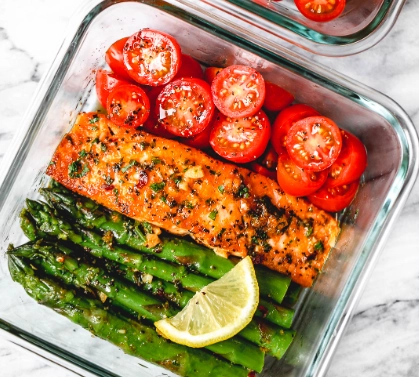
Pro-Tip for Freezing: Always label with the contents and date! "Mystery frozen brown stuff" is never appealing. Use masking tape and a sharpie. Trust me on this.
Answers to the Questions You're Probably Asking (The FAQ)
How long do prepped lunches last in the fridge?
This is the big one. For safety and quality, most cooked meals (soups, stews, cooked grains with protein and veggies) are good for 3-4 days in the fridge. The U.S. Food Safety website is a great resource and generally advises using cooked leftovers within 3 to 4 days. If something looks or smells off, toss it. When in doubt, throw it out. I aim to prep on Sunday for Monday-Thursday lunches. Friday is for leftovers or going out.
How do I keep my salads from getting soggy?
The mason jar method is famous for a reason. Put the dressing at the very bottom. Then add hard, non-absorbent veggies (like cucumbers, cherry tomatoes, bell peppers, carrots). Next, your protein (chickpeas, chicken, hard-boiled egg). Then softer veggies or grains. Pack your delicate greens (spinach, arugula) at the very top, pressed down. When you're ready to eat, shake it up or pour it into a bowl. The dressing stays away from the greens until the last second.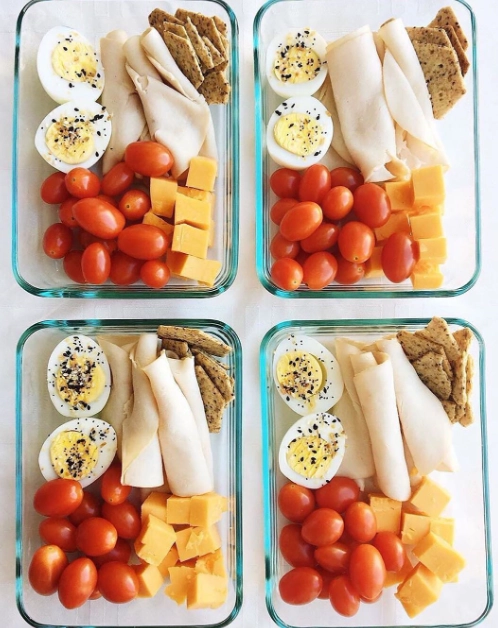
I get bored easily. How do I keep it interesting?
This was my hurdle. The answer is in the accessories. Prep a big batch of a neutral base like chicken, rice, and roasted veggies. Then, each night before bed, add a different "flavor pack" to your container. Monday: pesto and pine nuts. Tuesday: salsa, avocado, and a lime wedge. Wednesday: peanut sauce and chopped cilantro. Thursday: a sprinkle of everything bagel seasoning and a dollop of Greek yogurt. The base is the same, but the meal feels completely different.
Is meal prep actually cheaper?
Let's do a quick, rough math. A takeout lunch easily costs $10-$15. For $15, I can buy a whole pack of chicken thighs, two bags of frozen vegetables, a bag of rice, and seasoning. That makes 4-5 lunches. So yes, the savings are dramatic over time. The initial investment in containers is the main cost, but they last for years.
The Honest Part: Common Mistakes I Made (So You Don't Have To)
I want this to be real, so here's where I messed up. Maybe you'll see yourself here.
Mistake 1: Over-seasoning on Day 1. Flavors intensify as food sits. That garlicky marinade that's perfect on Sunday can become overpowering by Wednesday. Go a little lighter on strong spices, garlic, and salt when you first cook. You can always add more when you reheat.
Mistake 2: Not considering texture. Mushy lunches are sad. Choose vegetables that hold up well to cooking and reheating: think carrots, broccoli, bell peppers, green beans. Avoid pre-cooking zucchini or delicate greens—add those fresh.
Mistake 3: Trying to be perfect. My first attempt was a five-recipe extravaganza that took 4 hours and left my kitchen looking like a bomb site. I was so exhausted I didn't want to see the food again. Start with one recipe. Just one big pot of chili or a double batch of whatever you're making for dinner on Sunday. That's a win.
Mistake 4: Forgetting the snacks. Sometimes lunch isn't enough, or you need a pick-me-up. I started washing and cutting fruit, portioning out nuts or cheese, or making little yogurt cups. Having those ready stopped me from hitting the vending machine.
Making It a Habit (The Real Goal)
An easy meal prep lunch routine isn't about one perfect week. It's about creating a system that fits into your life, not the other way around.
Maybe your prep day is Wednesday evening because that's when you're home. Maybe you only prep three lunches because you work from home two days a week. That's all fine. The point is consistency over perfection.
Put it on your calendar like an appointment. Start with just 60 minutes. Pick one recipe from above, gather your containers, and put on some music or a podcast. Treat it as a small act of care for your future, slightly-hungrier self.
You'll save money. You'll eat better. And you'll get to actually enjoy your lunch break, instead of stressing over it. That, to me, is the biggest win of all.
Give one of the simple ideas a shot this coming weekend. See how it feels. You might just find that an easy meal prep lunch becomes your favorite new routine.
Reader Comments