In This Guide
- Why Your Rice Cooker is a Quinoa-Cooking Genius
- The Golden Rule: Getting the Water-to-Quinoa Ratio Right
- Step-by-Step: How to Cook Quinoa in a Rice Cooker Perfectly
- Beyond Basic: Pro Tips & Flavor Boosters
- Troubleshooting: Fixing Common Quinoa Problems
- Your Rice Cooker Type Matters (A Little Bit)
- Recipes to Get You Started
- Frequently Asked Questions
- Final Thoughts
Let's cut right to the chase. You're staring at a bag of quinoa and your trusty rice cooker, and the question pops into your head: can I make quinoa in a rice cooker?
The short, absolute, life-changing answer is yes. Not just yes, but a resounding, "you absolutely should." If you've ever managed to turn quinoa into a bitter, mushy mess on the stovetop (guilty as charged), the rice cooker is about to become your new best friend. It's the set-it-and-forget-it solution for perfect, fluffy quinoa every single time. I switched over years ago after one too many pots of scorched grains, and I've never looked back.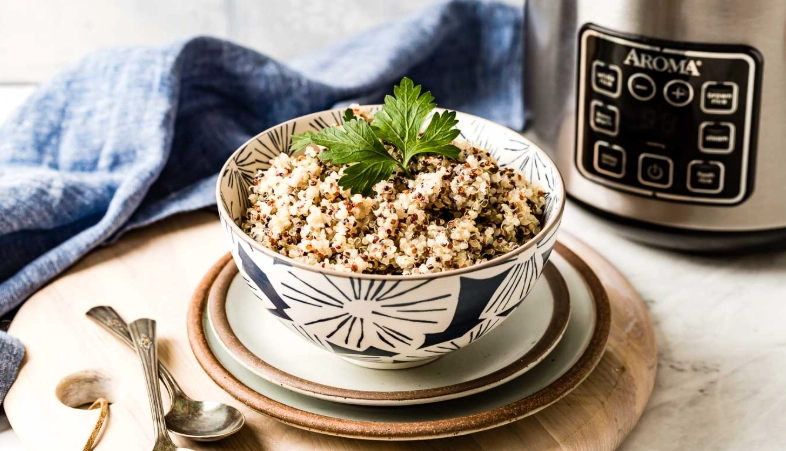
This isn't just about dumping quinoa and water in and hoping for the best, though. There's a little bit of a trick to it—mainly getting the liquid ratio right—but once you nail that, it's smooth sailing. This guide is going to walk you through everything, from why a rice cooker is secretly the ideal quinoa machine, to the exact steps, troubleshooting common disasters, and even some recipes to get you started.
Why Your Rice Cooker is a Quinoa-Cooking Genius
You might think of your rice cooker as a one-trick appliance. I did too. But it turns out it's perfectly engineered for cooking grains like quinoa, and here's why.
First, the consistent, gentle heat. Rice cookers are designed to bring water to a boil and then automatically reduce to a low, steady simmer until all the water is absorbed. This is exactly what quinoa needs. On the stovetop, it's way too easy for the heat to be too high or uneven, leading to burnt bottoms or undercooked tops. The rice cooker eliminates that guesswork entirely.
Then there's the convenience factor. This is the big one for me. You measure, you press a button, and you walk away. No stirring, no peeking, no worrying about boil-overs. You can chop vegetables for a salad, prep your protein, or just relax for 20 minutes. It frees up a burner on your stove, which is a godsend when you're making a whole meal.
Finally, it's a multi-tasker. Once you know how to cook quinoa in a rice cooker, you realize you can use the same method for so many other grains—farro, barley, millet, even steel-cut oats for breakfast. It unlocks a whole new level of easy, healthy cooking.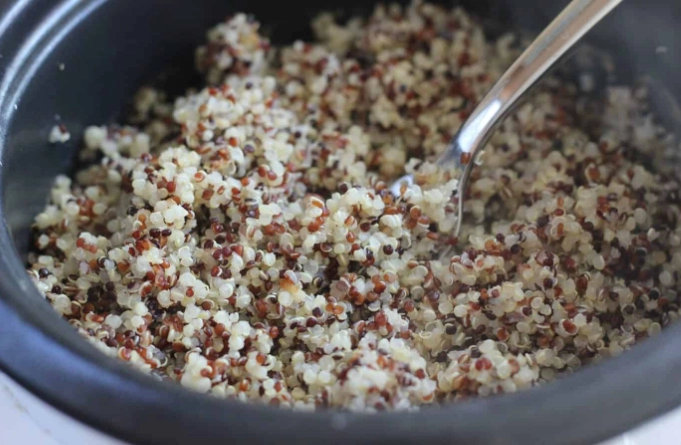
My Aha Moment: The first time I successfully made quinoa in a rice cooker, it was a game-changer for my weekly meal prep. I could cook a big batch on Sunday without babysitting a pot, and have ready-to-go grains for lunches all week. The texture was consistently better than my stovetop attempts.
The Golden Rule: Getting the Water-to-Quinoa Ratio Right
This is the most critical step. Get this wrong, and you'll end up with a soggy porridge or a crunchy, undercooked mess. The standard stovetop ratio for quinoa is often 2 cups of water to 1 cup of quinoa. Throw that out the window for the rice cooker.
Why the change? Rice cookers are incredibly efficient at trapping steam. Less liquid evaporates during the cooking process compared to an open pot on the stove. If you use the stovetop ratio, you'll almost certainly end up with wet, gummy quinoa.
The magic ratio for a standard rice cooker is: 1 cup of quinoa to 1 ¾ cups of water or broth.
That extra quarter-cup less liquid makes all the difference. It accounts for the sealed environment and delivers perfectly separated, fluffy grains. Now, this isn't a hard-and-fast law. A few things can tweak it:
- Your specific rice cooker: Older models or ones with less sealing might need a touch more water (try 1:1.8). Fancy fuzzy-logic or induction cookers are so precise that the 1:1.75 ratio is spot-on.
- How you like it: Prefer your quinoa a bit more tender? Add an extra tablespoon or two of water. Like it more distinct and al dente? Stick to 1 ¾ cups.
- Other ingredients: Adding vegetables like diced tomatoes or spinach that release water? Reduce the liquid slightly.
Here's a quick cheat sheet to visualize it:
| Quinoa Amount | Water/Broth Amount | Cooked Yield (Approx.) | Best For |
|---|---|---|---|
| 1 cup | 1 ¾ cups | 3 cups | 4 side servings or meal prep for 2-3 lunches |
| 1.5 cups | 2 ⅝ cups (about 2 cups + 5 tbsp) | 4.5 cups | A larger family or big batch meal prep |
| 2 cups | 3 ½ cups | 6 cups | Party-sized salads, feeding a crowd, or freezing portions |
Start with the 1:1.75 ratio. You can adjust on your next batch once you see how your particular machine performs.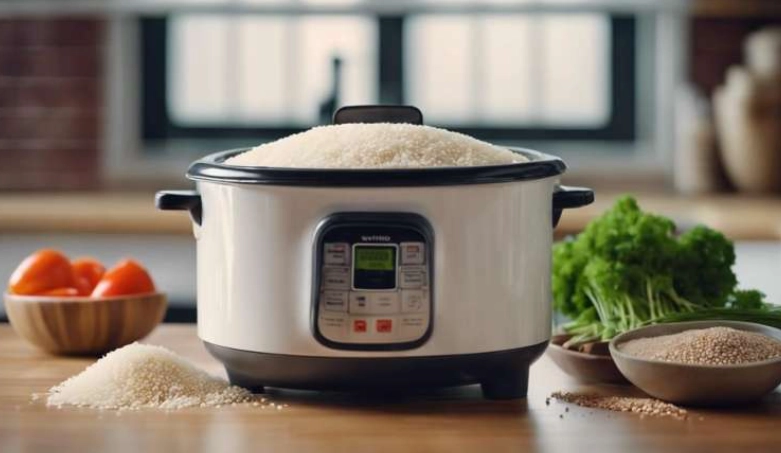
Step-by-Step: How to Cook Quinoa in a Rice Cooker Perfectly
Okay, let's get practical. Here's the foolproof process. It's simple, but each step has a purpose.
Step 1: Rinse, Rinse, Rinse (Don't Skip This!)
This is non-negotiable. Quinoa has a natural coating called saponin, which tastes bitter and soapy. Most pre-packaged quinoa is pre-rinsed, but I always give it an extra wash. It takes one minute and guarantees no off-flavors.
Put your measured quinoa in a fine-mesh strainer. Run cold water over it, swishing the grains with your fingers for 30-60 seconds, until the water runs clear. Let it drain well. This step also helps the grains cook more evenly.
Common Mistake: Pouring un-rinsed quinoa straight into the pot. You'll taste the bitterness, especially in plain quinoa. It's a quick fix that makes a huge difference.
Step 2: The Simple Cook Cycle
Transfer the rinsed quinoa to your rice cooker pot. Add the measured liquid—water is fine, but using vegetable or chicken broth adds a ton of flavor for no extra work. Add a pinch of salt.
Give it one quick, gentle stir just to make sure no quinoa is stuck in a dry clump. Close the lid.
Now, press the button. For most cookers, this is the "White Rice" or "Regular" setting. That's it. Walk away. Resist the urge to open the lid. The machine will do its thing.
Step 3: The Crucial "Rest"
When the cooker switches from "Cook" to "Warm," don't open it immediately. Let the quinoa sit there, with the lid on, for at least 10-15 minutes. This resting time allows the steam to finish distributing evenly, plumping up every grain and letting any residual moisture on the bottom evaporate. This is the secret to that perfect, non-soggy texture.
After it rests, open the lid. Fluff the quinoa gently with a fork—not a spoon, a fork separates the grains better. You'll see each little germ ring separate. That's when you know you've nailed it.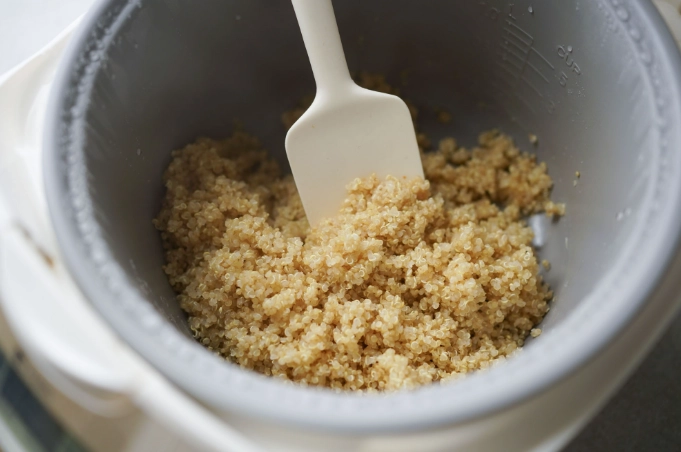
Basic Foolproof Rice Cooker Quinoa Recipe
Serves 4 as a side
1 cup quinoa (any color), rinsed well
1 ¾ cups low-sodium vegetable broth or water
½ tsp salt (reduce if using salted broth)
Method: Combine all in rice cooker pot. Stir once. Select "White Rice" setting. Once cycle finishes, let it rest on "Warm" for 15 minutes. Fluff with a fork and serve.
Beyond Basic: Pro Tips & Flavor Boosters
Once you've mastered the basic method for how to make quinoa in a rice cooker, you can start playing around. This is where it gets fun.
Toasting for Nutty Flavor: Before adding liquid, many rice cookers have a "Sauté" or "Quick Cook" function. Use it to toast the rinsed (and drained) quinoa for 3-5 minutes, stirring often, until it smells nutty. Then add your liquid and cook as usual. It adds a deeper, richer flavor.
Infusing the Liquid: Instead of plain water, use broth. Or add a bay leaf, a smashed garlic clove, or a few slices of ginger to the water. The steam will infuse the quinoa with subtle flavor. Just fish them out before fluffing.
The One-Pot Wonder: Yes, you can cook more than just quinoa in there. Add chopped vegetables like broccoli florets, diced carrots, or peas on top of the quinoa and liquid. They'll steam perfectly as the quinoa cooks underneath. For delicate greens like spinach, stir them in during the last 5 minutes of the resting period.
I love adding a handful of cherry tomatoes and some torn basil at the end—it makes a complete, easy side dish.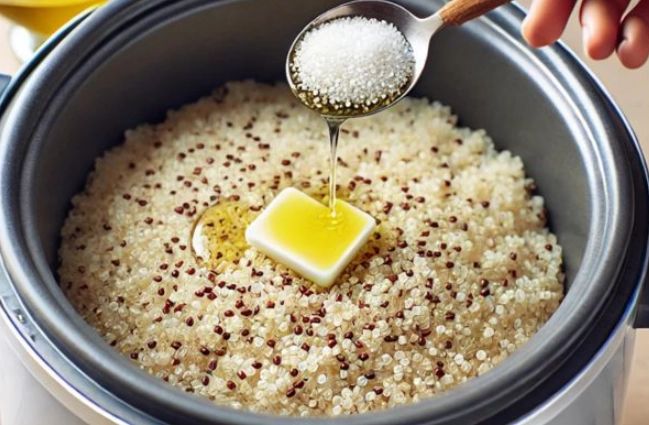
Troubleshooting: Fixing Common Quinoa Problems
Even with a rice cooker, things can sometimes go a bit off. Here's how to fix them.
Quinoa is too wet/mushy: You used too much liquid. Next time, reduce by 2-3 tablespoons. For now, you can spread the cooked quinoa on a baking sheet to let some steam evaporate, or just use it in a recipe where a softer texture is okay, like a quinoa burger or breakfast porridge.
Quinoa is too dry/crunchy: Not enough liquid, or the lid wasn't sealed properly (maybe the steam vent was stuck open). Next time, add a bit more water. For now, sprinkle a tablespoon or two of hot water over the quinoa, close the lid, and let it sit on "Warm" for another 10 minutes to absorb.
Quinoa is burnt on the bottom: This can happen with older cookers or if the pot is scratched. Using broth can sometimes cause more sticking than water. Make sure you're using the correct "White Rice" setting, not a "Quick" or "Brown Rice" setting that might use higher heat. A good non-stick pot is key.
It tastes bitter: You didn't rinse it well enough. Remember that step next time. For this batch, try mixing it with a strongly flavored sauce or dressing to mask the bitterness.
Your Rice Cooker Type Matters (A Little Bit)
Most basic, inexpensive rice cookers work great for quinoa. But if you have a fancier model, here's what to know.
Basic On/Off Cookers: These are the simple ones with just a "Cook" button that clicks to "Warm." They work perfectly. Just use the 1:1.75 ratio and follow the steps.
"Fuzzy Logic" or Multi-Cooker Models: These have microchips and sensors. They often have a specific "Quinoa" or "Multigrain" setting. Use it! It's programmed for the perfect time and temperature. You might find you can use the standard 1:2 ratio here because the machine is so smart about evaporation.
Pressure Cooker Rice Cookers (like Instant Pot): This is a different beast. Cooking quinoa under pressure is incredibly fast (1 minute!) but requires even less water because no steam escapes. A good starting ratio in a pressure cooker is 1 cup quinoa to 1 ¼ cups liquid. Use the manual setting for 1 minute, then let the pressure release naturally for 10 minutes. Quick release any remaining pressure, fluff, and serve.
So, whether you have a $20 cooker or a $200 one, you can make quinoa in a rice cooker of any type.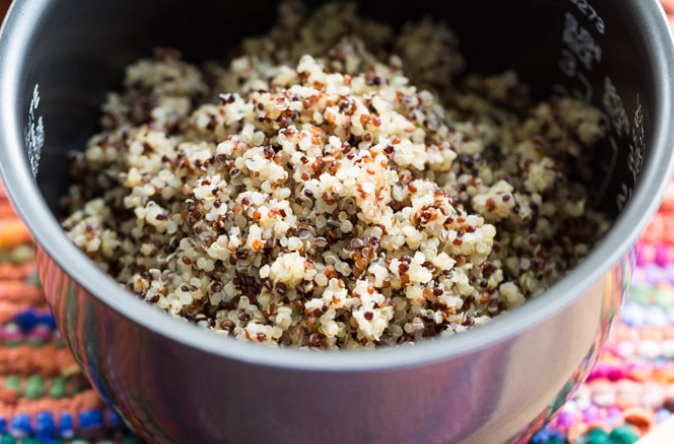
Recipes to Get You Started
Now that you have perfect quinoa, what do you do with it?
Easy Mediterranean Quinoa Salad
Fluff your cooked quinoa and let it cool slightly. Toss with diced cucumber, cherry tomatoes, red onion, kalamata olives, and crumbled feta. Dress with lemon juice, olive oil, dried oregano, salt, and pepper. It's better the next day.
Hearty Quinoa Breakfast Bowls
Use the rice cooker to make a batch of quinoa with water or almond milk (you might need a touch more liquid). In the morning, reheat a portion in a bowl. Top with berries, a drizzle of maple syrup, nuts, and a spoonful of yogurt. It's a protein-packed way to start the day.
One-Pot Mexican Quinoa
In your rice cooker pot, combine 1 cup rinsed quinoa, 1 ¼ cups vegetable broth, and 1 cup of your favorite salsa. Add a drained can of black beans and a cup of frozen corn. Cook on the "White Rice" cycle. After resting, stir in chopped cilantro and a squeeze of lime. Top with avocado. Dinner is done.
Frequently Asked Questions
Let's tackle some of the common doubts head-on.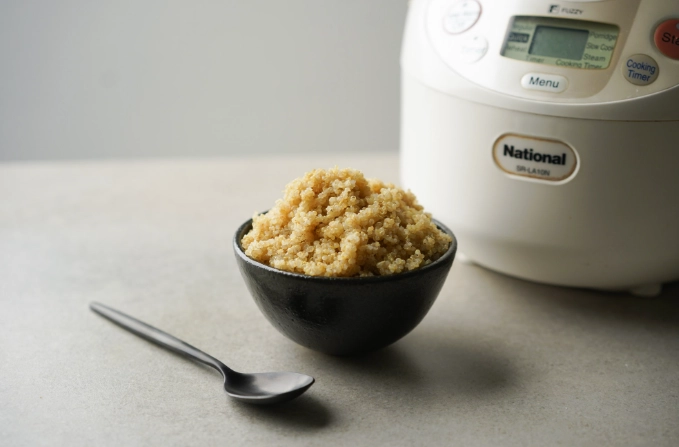
Final Thoughts
So, back to the original question: can I make quinoa in a rice cooker? I hope by now you're not just convinced, but excited to try it. It's one of those simple kitchen hacks that genuinely makes eating healthy easier and less of a chore.
The rice cooker takes the anxiety out of the process. It delivers consistent, reliable results. No more watching the pot, worrying about the timer, or dealing with a sticky cleanup. You get fluffy, perfectly cooked quinoa with minimal effort.
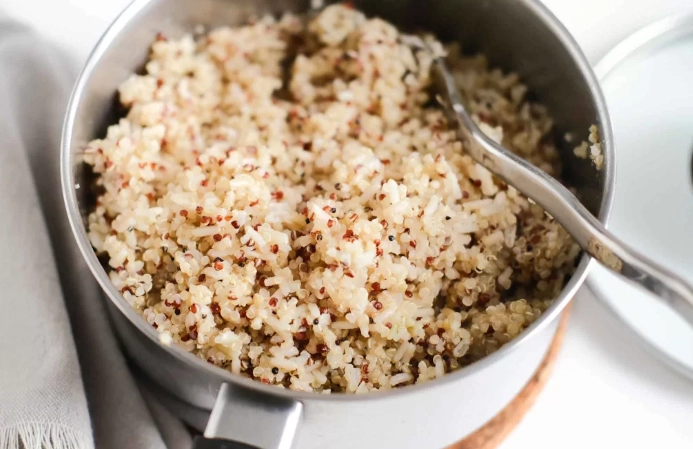
Measure out a cup of quinoa, rinse it, use that 1 ¾ cups of water, and press start. The worst that can happen is you learn something for next time (and even "bad" quinoa is usually still edible). The best that can happen is you unlock a whole new, stress-free way to get a fantastic, nutritious staple on your table anytime. Honestly, my rice cooker gets more use for quinoa these days than it does for actual rice. It's just that good.
Reader Comments