Quick Guide
- What Exactly Is a Salad Chef Salad?
- Why Bother Making a Gourmet Chef Salad at Home?
- Building Your Ultimate Salad Chef Salad: A Step-by-Step Guide
- Answering Your Salad Chef Salad Questions
- Taking Your Salad to the Next Level: Pro Tips & Flavor Combinations
- The Final Toss: Why This Classic Deserves a Comeback
Let's be honest. When you hear the words "chef salad," what pops into your head? For a lot of folks, it's a vague memory of a diner menu item—a big bowl of iceberg lettuce with some ham, cheese, and a hard-boiled egg tossed on top, maybe a few sad tomato wedges hanging around the edge. It's the thing you order when you're trying to be "good" but aren't really excited about it. I used to think that way too. It felt like the culinary equivalent of a participation trophy.
But then I had a salad chef salad that changed my mind completely. It wasn't at some fancy-pants restaurant; it was at a little neighborhood bistro where the chef clearly cared about every plate. This wasn't a throw-together-afterthought. It was a composed, thoughtful, and absolutely delicious meal in a bowl. The lettuce was crisp and varied, the proteins were seasoned and cooked perfectly, the cheese had flavor, and the dressing was something you'd want to drink with a spoon. It was balanced, satisfying, and made me realize the chef salad is a classic for a reason—when it's done right.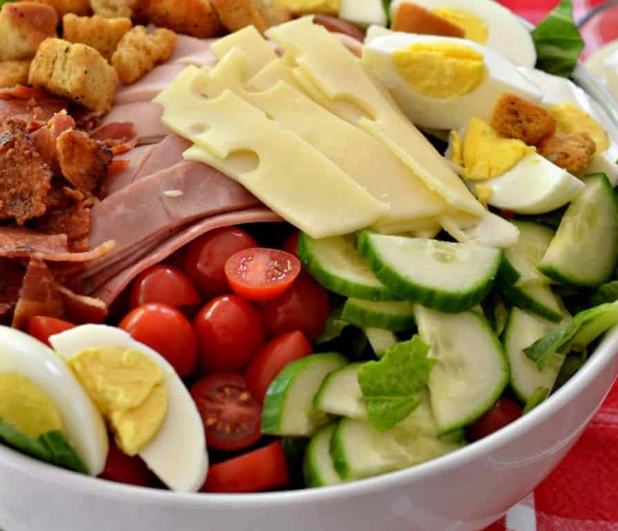
That's what this is all about. We're going to dig deep into the world of the salad chef salad, rescue it from its boring reputation, and turn it into your go-to move for an impressive lunch or a light, yet complete, dinner. We'll look at what it really is, why the structure works so well, and how you can build your own masterpiece at home, no culinary degree required.
What Exactly Is a Salad Chef Salad?
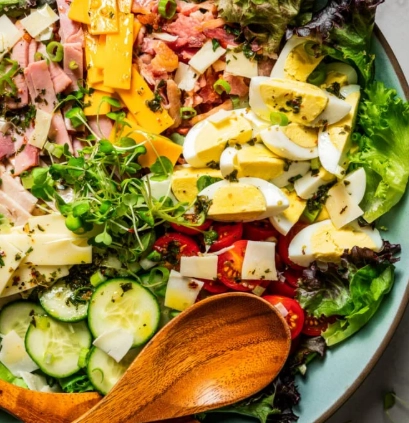
At its core, a chef's salad is a main-dish salad. That's the key distinction. It's not a side salad meant to accompany a steak. It is the steak, so to speak. It's designed to be a complete, satisfying meal built primarily from fresh vegetables but anchored by substantial portions of protein and other hearty ingredients.
The history is a bit murky, with claims linking it to chefs in New York or Philadelphia in the early 20th century. The general consensus is that it was created as a way for chefs to make a quick, nutritious meal for themselves using high-quality scraps and leftovers from the kitchen—the good cuts of meat, the end of a premium cheese, the freshest greens. This origin story actually gives us the first great lesson: a great salad chef salad is about quality, not just quantity. Using those "scraps" meant using real, flavorful ingredients, not just the cheapest lunch meat from the deli counter.
So, if it's not just a pile of greens, what defines it?
The classic blueprint is a harmony of five key components, working together like a band. Miss one, and the tune falls flat.
The Five Pillars of a Perfect Chef Salad
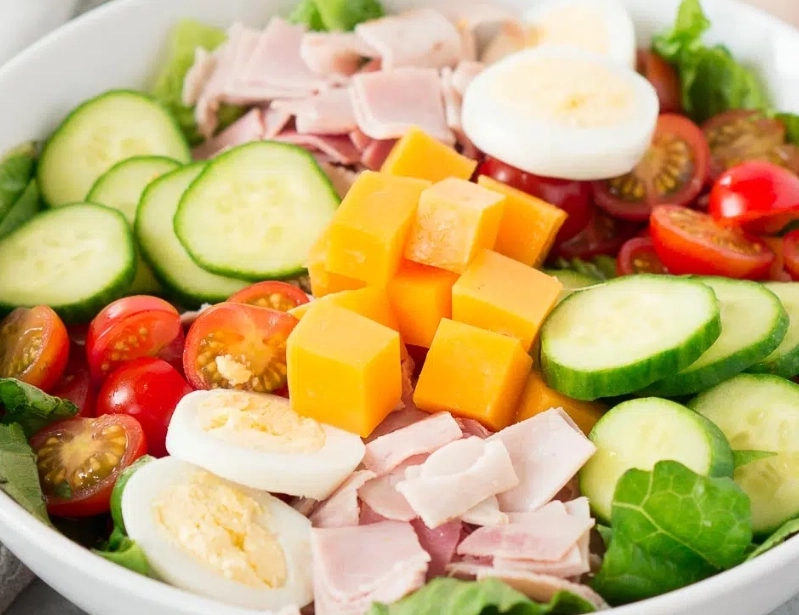
- The Foundation (The Greens): This is your stage. It needs structure and texture. Iceberg alone is a one-note song—crunchy but bland. The pro move is to mix textures and flavors. Think crisp romaine hearts, peppery arugula, tender butter lettuce, or even some shredded Brussels sprouts for a nutty twist. The blend makes every bite interesting.
- The Protein (The Star Players): This is what makes it a meal. Traditionally, it's a combination of two or more cured or cooked meats and often a hard-boiled egg. The classic trio is julienned (that's fancy for cut into thin strips) baked ham, roast turkey, and roast beef. But here's where you can really play. Leftover grilled chicken? Perfect. Flaked salmon from last night's dinner? Amazing. Chickpeas or lentils for a vegetarian twist? Absolutely.
- The Cheese (The Richness): Cheese adds fat, salt, and umami. It's the creamy, savory counterpoint to the fresh greens. The old-school choice is julienned Swiss or Cheddar. But why stop there? Crumbled blue cheese or feta adds a tangy punch. Shaved Parmesan offers a salty bite. Cubes of aged gouda bring a buttery note. Choose a cheese with flavor that stands up to the other ingredients.
- The Vegetables (The Color & Crunch): This is where you add vibrancy, color, and different kinds of crunch. The usual suspects are tomato wedges, cucumber slices, and maybe some red onion rings. To elevate your salad chef salad, think beyond: thinly sliced radishes, sweet bell pepper strips, blanched asparagus tips, sugar snap peas, or marinated artichoke hearts.
- The Dressing (The Unifying Force): The dressing is the sauce that brings the whole dish together. It should complement, not drown. A classic, slightly creamy vinaigrette is the gold standard. Think a red wine vinaigrette or a mustard-based one. Creamy dressings like Ranch or Blue Cheese are also popular, but they can be heavy. My personal rule? Dress lightly. You can always add more, but you can't take it away.
Why Bother Making a Gourmet Chef Salad at Home?
You could just go buy one, right? Sure. But the pre-made ones at the grocery store or the lackluster versions at some restaurants are often the reason the salad chef salad gets a bad rap. They use low-quality, processed meats, bland cheese, and dressing from a giant generic packet. Making it yourself puts you in control of three huge things:
- Quality Control: You choose the organic greens, the nitrate-free roasted turkey breast, the artisanal cheese. You know exactly what's going into your body.
- Cost Effectiveness: A truly excellent restaurant chef salad can cost $18 or more. For the same price, you can buy ingredients to make 3 or 4 spectacular versions at home.
- Customization: Hate raw onions? Love avocado? On a keto diet? Want to use up that leftover grilled shrimp? You're the boss. A homemade salad chef salad is the ultimate personalizable meal.
It's also a fantastic way to tackle food waste. Those last few slices of Sunday's roast chicken, the nub of cheese in the fridge, the half a bell pepper—they all find a glorious purpose in a chef salad.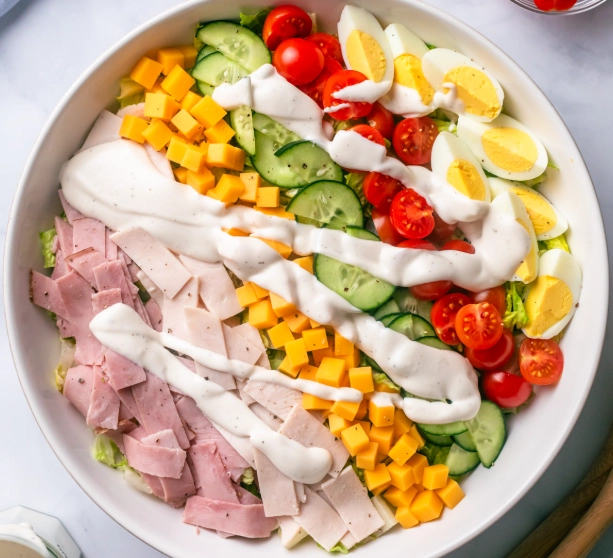
Building Your Ultimate Salad Chef Salad: A Step-by-Step Guide
Forget rigid recipes. Think of this as a framework, a choose-your-own-adventure for your bowl. Here’s how to build one from the ground up.
Step 1: Choose Your Foundation (The Greens)
Pick 2 or 3 for a mix of textures. Wash and spin them thoroughly. There's nothing worse than a gritty salad. I use a salad spinner—it's a game-changer. Tear, don't cut, tender greens like butter lettuce to prevent bruising. Keep everything cold and crisp until assembly.
Step 2: Select Your Proteins
Aim for 3-4 ounces of total protein per person. If using deli meats, ask for them to be sliced thick (about 1/4 inch) so you can cube or julienne them yourself—it's far superior to the pre-shaved stuff. Cooked proteins should be cooled and seasoned well.
| Protein Type | Classic Examples | Gourmet Upgrades | Prep Tip |
|---|---|---|---|
| Poultry | Roast Turkey, Baked Ham | Herb-Roasted Chicken, Duck Confit, Smoked Turkey | Shred or slice against the grain for tenderness. |
| Beef/Pork | Roast Beef, Ham | Grilled Flank Steak, Pulled Pork, Prosciutto | Slice thinly against the grain. Pat dry if using wet leftovers. |
| Seafood | (Less traditional) | Grilled Salmon, Poached Shrimp, Seared Tuna | Flake or chunk. Ensure it's chilled and patted dry. |
| Vegetarian | Hard-Boiled Egg | Marinated Chickpeas, Pan-Fried Tofu, Lentils | For beans, toss in a little dressing before adding. |
Step 3: Pick Your Cheese
About 1-2 ounces per person. Match the intensity to your protein. A strong blue cheese pairs wonderfully with steak. A mild Swiss is perfect with turkey and ham. Always cut or crumble it just before serving so it doesn't dry out.
Step 4: Load Up on Vegetables & Extras
This is your chance for color. Use at least three different veggies beyond the greens. Think about a mix of raw and lightly cooked (like blanched green beans). Don't forget the "extras" that add pops of flavor: olives, capers, sunflower seeds, toasted nuts (almonds or walnuts are fantastic), or even some fresh fruit like apple slices or grapes in the fall.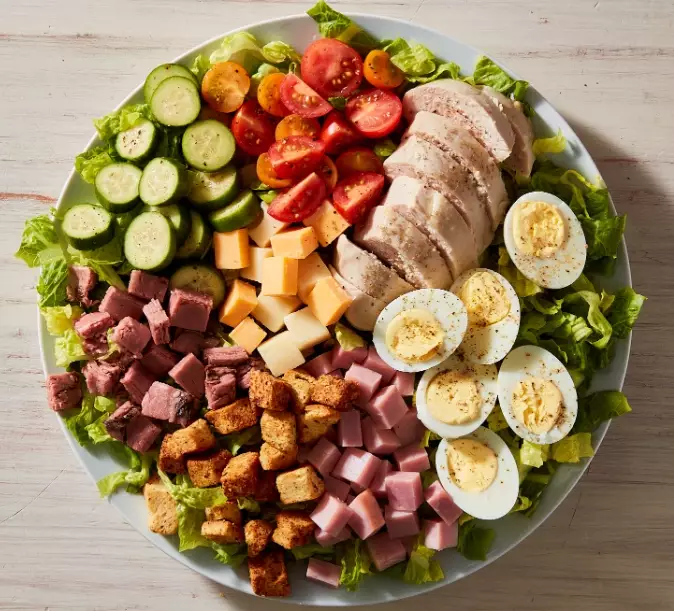
Step 5: Craft or Choose Your Dressing
A homemade vinaigrette takes 2 minutes and is infinitely better than most bottled versions. The basic ratio is 3 parts oil to 1 part acid (vinegar or lemon juice), plus salt, pepper, and an emulsifier like Dijon mustard or honey. Whisk it vigorously in a jar. For a creamy twist, add a tablespoon of plain yogurt or mayo.
Answering Your Salad Chef Salad Questions
Taking Your Salad to the Next Level: Pro Tips & Flavor Combinations
Once you've mastered the basic formula, it's time to play. Here are some themed salad chef salad ideas that go beyond the ordinary.
The mark of a great salad isn't complexity; it's the harmony of a few excellent ingredients, each treated with respect.
The Mediterranean Twist
Greens: Romaine + Arugula mix.
Protein: Grilled lemon-oregano chicken strips + chickpeas.
Cheese: Crumbled feta or shaved ricotta salata.
Veggies/Extras: Cucumber, Kalamata olives, roasted red peppers, red onion, pepperoncini.
Dressing: Lemon-Oregano Vinaigrette (extra virgin olive oil, fresh lemon juice, dried oregano, garlic, S&P).
This combo is bright, tangy, and incredibly satisfying.
The Steakhouse Salad Chef Salad
Greens: Crisp romaine hearts + radicchio for bitterness.
Protein: Thinly sliced, medium-rare grilled flank steak (leftover steak is perfect!).
Cheese: Bold blue cheese crumbles.
Veggies/Extras: Cherry tomatoes, crispy fried shallots, sautéed mushrooms.
Dressing: Red Wine Vinaigrette with a touch of steak sauce whisked in.
It feels indulgent but is packed with protein. The key is slicing the steak thinly against the grain.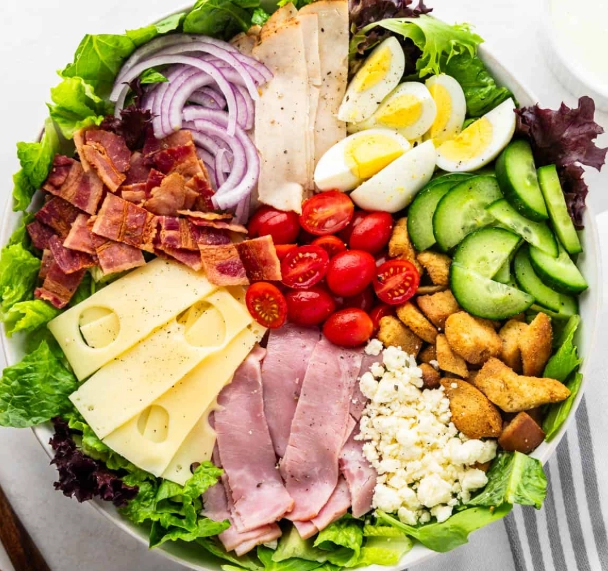
The Vegetarian Power Bowl
Greens: Baby spinach + shredded kale (massaged with a little oil).
Protein: Hard-boiled egg + pan-seared spiced tofu or a mix of quinoa and black beans.
Cheese: Goat cheese crumbles or avocado for creaminess.
Veggies/Extras: Roasted sweet potato cubes, sunflower seeds, shredded carrot, edamame.
Dressing: Creamy Tahini-Lemon dressing.
This is a texture and flavor festival, and it's incredibly filling. The combination of plant-based proteins and fats keeps you energized for hours.
See? The possibilities are endless.
The Final Toss: Why This Classic Deserves a Comeback
In a world of overly complicated food trends, the salad chef salad stands as a testament to simple, smart cooking. It's not about following a rigid recipe to the letter. It's about understanding a template—a blueprint for a perfect, balanced meal—and then making it your own with the ingredients you love and have on hand.
It teaches you about texture, flavor balance, and the importance of quality components. It's a lesson in not underestimating the humble. With a little attention to detail, you can transform it from a forgettable menu item into a crave-worthy centerpiece. So next time you're staring into the fridge wondering what to make, think like a chef. Grab your biggest bowl, lay down a foundation of crisp greens, and start building your masterpiece. You might just find that the humble salad chef salad becomes your most requested meal.
For more inspiration on seasonal produce and food safety practices for handling fresh ingredients, reputable resources like the U.S. Food and Drug Administration's food section and the Epicurious website from Condé Nast are always worth a look. They offer a wealth of reliable, chef-tested information that can help you refine your kitchen skills.
Reader Comments