Quick Navigation
- Why Pesto Pasta Salad is a Summer (and Life) Saver
- Building Blocks: The Heart of the Matter
- Beyond the Basics: The Art of the Add-In
- The Assembly: Where Magic Happens (or Doesn't)
- Creative Twists on the Classic Pesto Pasta Salad
- Storing, Serving, and Making Ahead
- Your Pesto Pasta Salad Questions, Answered
- Final Thoughts: Making It Yours
Let's be honest. We've all been there. It's a hot summer day, you've got a backyard full of people coming over, and you need a side dish that won't wilt in the sun or bore everyone to tears. You scroll through endless recipes, but nothing feels quite right. Too heavy. Too complicated. Too... bland.
Then you remember it. That one dish that seems to work every single time. The pesto pasta salad.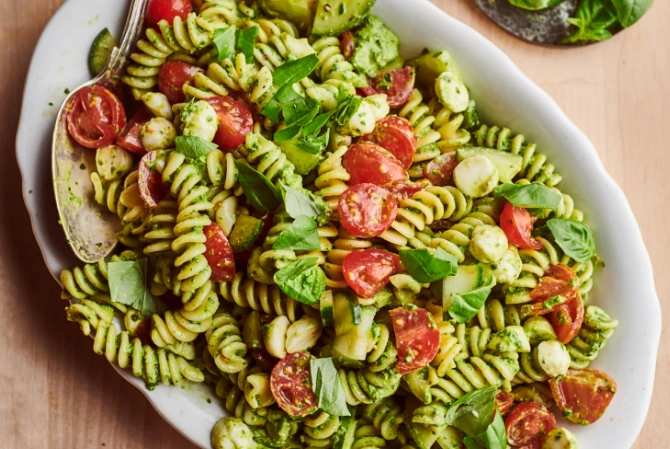
But here's the thing. Not all pesto pasta salads are created equal. I've had my fair share of disappointing ones. You know the type – oily, one-note, with pasta that's turned to mush. It's enough to make you give up on the whole idea. But when it's done right? It's a revelation. It's fresh, herby, creamy, tangy, and satisfying all at once. It's the dish people quietly go back for seconds of, and then ask you for the recipe.
This guide is here to make sure yours is firmly in the "revelation" category. We're going beyond the basic recipe. We'll dig into the soul of the dish – the pesto itself. We'll talk about the pasta (yes, the shape matters more than you think). We'll explore crazy-good add-ins, tackle common pitfalls, and answer every question you might have. Consider this your masterclass in creating a pesto pasta salad that actually deserves a spot on your table.
Why Pesto Pasta Salad is a Summer (and Life) Saver
Before we get our hands dirty, let's talk about why this dish is such a winner. It's not just about taste.
First off, it's incredibly versatile. Need a vegetarian main? Done. A hearty side for grilled chicken? Perfect. A make-ahead dish for a potluck? It actually gets better as it sits. Unlike a leafy green salad that turns soggy, a well-made pesto pasta salad holds up beautifully.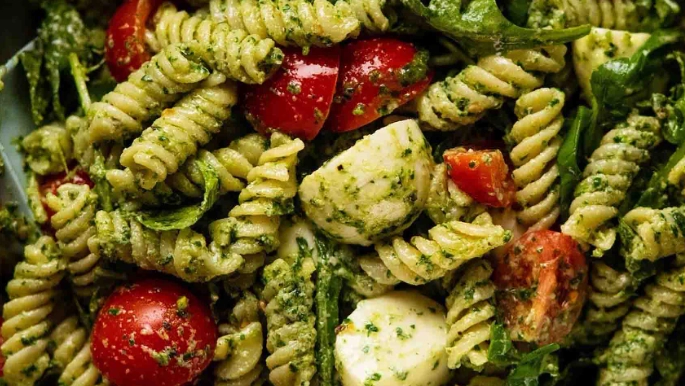
It's also a fantastic canvas for cleaning out your fridge. Those handfuls of cherry tomatoes, that half a bell pepper, the last few olives – they all have a home here. This flexibility is a huge part of its appeal. You're not locked into a rigid ingredient list.
And then there's the flavor profile. The vibrant, garlicky punch of basil pesto, the satisfying chew of al dente pasta, the pops of sweetness from tomatoes or the salty bite of cheese... it hits all the right notes. It feels indulgent without being heavy, which is exactly what you want when it's 90 degrees outside.
Building Blocks: The Heart of the Matter
Every great pesto and pasta salad rests on two pillars: impeccable pesto and perfectly cooked pasta. Mess up either one, and the whole thing falls flat.
The Pesto: To Jar or Not to Jar?
This is the big debate, isn't it? Store-bought pesto is a undeniable convenience. I've got a jar in my pantry for emergencies. But for a salad that's truly special, homemade pesto is a game-changer. The difference in freshness and brightness is night and day. And guess what? It's not as hard as you think.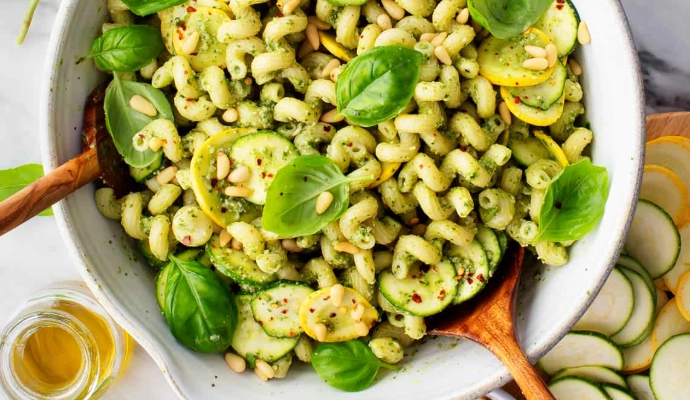
Classic Basil Pesto (The Real Deal)
- Fresh Basil: A lot of it. Don't be shy. You need about 2 packed cups. Stems removed, please.
- Pine Nuts: The classic choice. Toasting them lightly in a dry pan unlocks a deep, nutty flavor that raw nuts just don't have. Trust me on this.
- Garlic: One or two cloves, depending on your love for garlic. Fresh is best.
- Parmigiano-Reggiano: Get the real stuff. The pre-grated powder in a canister won't melt properly or give you that complex, salty umami.
- Extra Virgin Olive Oil: Use a good one. This is the main liquid component, so its flavor shines through.
- Salt: To taste. The cheese is salty, so go easy at first.
The method is simple: blitz the nuts, garlic, and basil in a food processor. Add the cheese, pulse. Then, with the motor running, stream in the olive oil until it's a loose, saucy consistency. That's it. You just made pesto. (For a deep dive into the history and authenticity of Genoese pesto, resources like Wikipedia's entry on Pesto are fascinating.)
Now, about jarred pesto. If you're using it, doctor it up. Stir in a big handful of freshly chopped basil, a squeeze of lemon juice, and maybe an extra grating of fresh cheese. This breathes life back into it.
The Pasta: It's Not Just a Vehicle
Pasta choice is critical. You want shapes with nooks and crannies to trap the pesto and little bits of add-ins. Smooth shapes like spaghetti or fettuccine are a no-go here.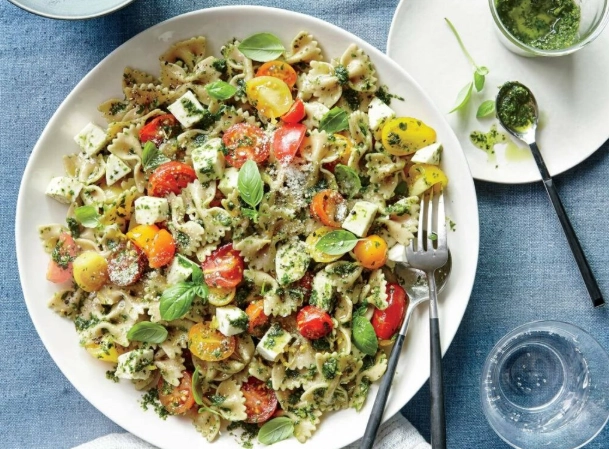
Here’s a breakdown of the top contenders:
| Pasta Shape | Why It Works | Best For... |
|---|---|---|
| Fusilli (Corkscrews) | The spirals are pesto traps. Holds sauce and ingredients perfectly. | The ultimate all-rounder. My personal favorite for pesto pasta salad. |
| Farfalle (Bow Ties) | Those ruffled edges and the pinched middle grab onto everything. | A visually elegant salad. Holds its shape very well. |
| Penne | The tubes capture sauce inside, and the slanted ends hold bits. | A hearty, substantial feel. Rigate (ridged) penne is even better. |
| Orecchiette (Little Ears) | The cup-like shape is a perfect little bowl for pesto. | A more rustic, textured salad. Pairs beautifully with chunky veggies. |
| Rotini | Similar to fusilli. Tight spirals offer great surface area. | A reliable, easy-to-find option that always works. |
The cooking is just as important. Salt your water generously – it should taste like the sea. This is your only chance to season the pasta itself. Cook it to al dente, which means it still has a slight bite to it. Mushy pasta in a cold salad is a tragedy. Once drained, rinse it briefly with cool water to stop the cooking and remove excess starch, but don't over-rinse or you'll wash away flavor.
Beyond the Basics: The Art of the Add-In
This is where you make the pesto pasta salad your own. The pesto-coated pasta is the stage, and the add-ins are the stars. Think about color, texture, and flavor contrast.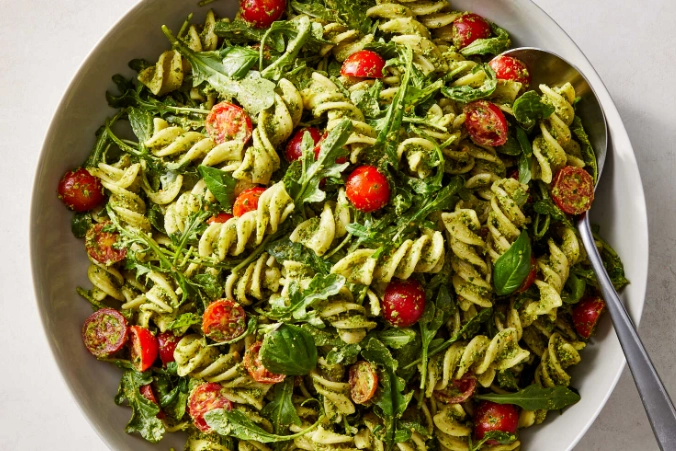
My Go-To Add-In Categories:
- Cheese (The Salty Punch): Cubed fresh mozzarella (the little pearls are perfect), crumbled feta, shaved Parmesan, or creamy goat cheese.
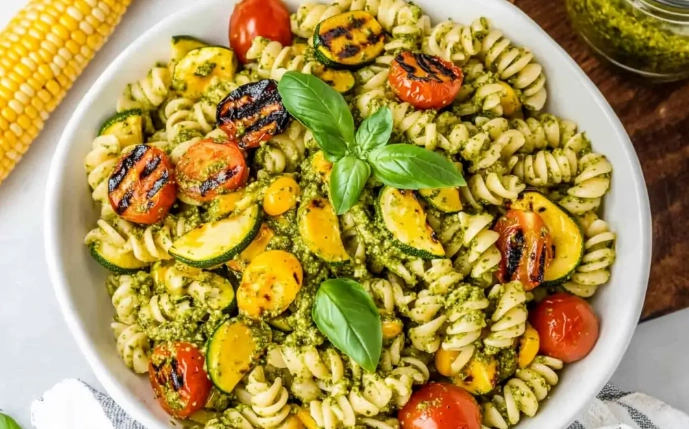
- Vegetables (The Fresh Crunch): Halved cherry tomatoes (sun golds are amazing), thinly sliced roasted red peppers, blanched broccoli florets, raw corn kernels cut right off the cob, diced cucumber, or artichoke hearts.
- Protein (To Make it a Meal): Grilled and chopped chicken breast, flaked canned tuna (a classic Italian twist), chickpeas, or white beans.
- The Flavor Boosters: Toasted pine nuts or walnuts, sliced Kalamata olives, a big handful of arugula tossed in at the end, or fresh herbs like basil and parsley.
My biggest piece of advice? Don't throw everything in at once. Choose a theme. A Mediterranean vibe with olives, feta, and tomatoes. A summer garden mix with corn, cherry tomatoes, and green beans. Keep it to 3-4 add-ins max, or it starts to feel chaotic.
The Assembly: Where Magic Happens (or Doesn't)
You've got your components. Now, let's put them together the right way. This isn't just dumping and stirring.
Start with your cooled pasta in a large, wide bowl. Add about three-quarters of your pesto. Gently toss until every piece is coated. The bowl should be big enough that you can fold and lift the pasta, not just mash it around. Now, let it sit for 10 minutes. This is crucial. The pasta will absorb some of that pesto flavor.
After it rests, add your chopped add-ins. Gently fold them in. Now, assess. Does it look dry? Add the remaining pesto. Does it need brightness? A squeeze of fresh lemon juice can work wonders, cutting through the richness. Always taste and adjust the seasoning with salt and black pepper at the very end.
Creative Twists on the Classic Pesto Pasta Salad
Once you've mastered the classic, the world is your oyster. Or your artichoke. Here are some of my favorite spins.
Sun-Dried Tomato Pesto Pasta Salad
Swap half the basil for oil-packed sun-dried tomatoes in your pesto. The result is a deeper, sweeter, intensely savory sauce. Pair it with grilled chicken, baby spinach, and mozzarella for a power lunch.
Arugula Walnut Pesto Pasta Salad
Use peppery arugula instead of basil, and walnuts instead of pine nuts. It's a bolder, earthier pesto. Toss it with pasta, roasted butternut squash cubes, and crumbled goat cheese. It's a fall favorite.
“Everything but the Kitchen Sink” Pesto Pasta Salad
This is my clean-out-the-fridge special. Use your base pesto pasta, then raid the veggie drawer. A few asparagus spears? Chop and blanch them. A lone carrot? Shred it. That last bit of red onion? Thinly slice it. It's never the same twice, and it's always delicious. The pesto acts as a unifying, flavorful glue.
Storing, Serving, and Making Ahead
One of the best things about pesto pasta salad is its make-ahead potential. But you have to store it smart.
Always store it in an airtight container in the fridge. If you're making it more than a few hours ahead, hold off on adding delicate greens (like arugula) or fresh herbs until just before serving, or they'll wilt.
Will the pasta absorb the pesto and get dry? It might a little. The fix is easy. Before serving, let it sit out for 15-20 minutes to take the chill off. Then, give it a good stir. You can also revive it with a tiny drizzle of fresh olive oil or a splash of lemon juice.
How long does it last? Honestly, I find it's best within 2-3 days. After that, the pasta can start to lose its perfect texture, and the flavors muddle a bit. For official food safety guidelines on storing prepared foods, referencing resources like the USDA Food Storage guidelines is always a safe bet.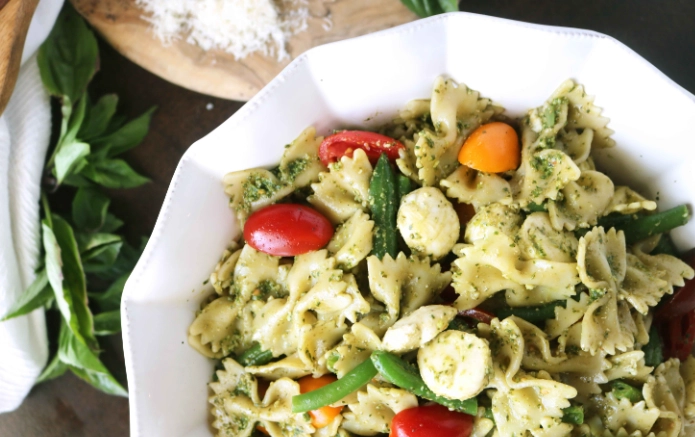
Your Pesto Pasta Salad Questions, Answered
Final Thoughts: Making It Yours
Look, recipes are just guidelines. The best pesto and pasta salad you'll ever make will be the one you tailor to your own taste. Do you love a garlic kick? Add an extra clove. Prefer a nuttier flavor? Toast your pine nuts until they're deeply golden. Want more tang? Finish with a good glug of red wine vinegar instead of lemon.
The Secret Weapon: A final flourish. Right before serving, sprinkle the top with some extra toasted nuts, a few whole basil leaves, and another grating of Parmesan. It makes it look restaurant-worthy and adds a final layer of texture.
The journey to a perfect pesto pasta salad is simple, but the details matter. Start with a vibrant pesto—homemade if you can swing it. Choose a pasta shape with personality. Cook it with care. Combine with thoughtful, colorful add-ins. And always, always taste as you go.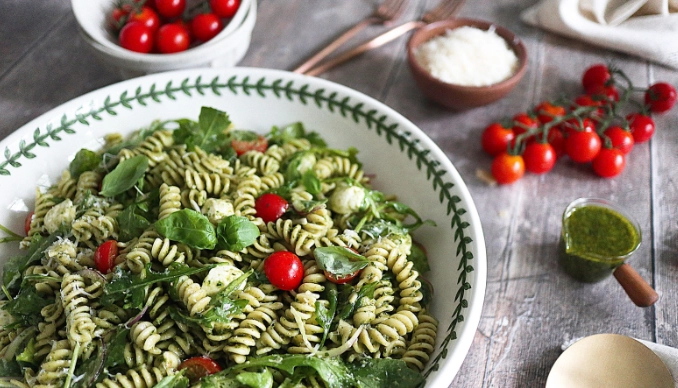
Now, go raid your herb garden or your farmer's market, and get cooking. Your new favorite summer dish (or anytime dish, let's be real) is waiting.
Reader Comments