Let's be honest. The idea of a weekly meal plan sounds great in theory—organized, healthy, budget-friendly. But for most of us, it lasts about as long as a New Year's resolution. You spend Sunday afternoon crafting this beautiful, color-coded schedule. By Wednesday, life has happened. You're tired, you forgot to thaw the chicken, and the thought of following the plan feels like a chore. So you order pizza. Again.
I've been there. I used to think meal planning was about willpower. It's not. It's about designing a system that works for your real life, not a Pinterest-perfect fantasy. A good meal plan isn't a rigid contract; it's a flexible map that guides you through the week's food decisions, saving you mental energy, time, and money. After years of trial and error (mostly error), I've found that the secret lies in ditching perfection and embracing strategy.
What You'll Learn in This Guide
What is a Meal Plan and Why Does Yours Keep Failing?
At its core, a meal plan is simply deciding in advance what you're going to eat for a set period. But the traditional approach sets you up for failure. It assumes every night is a clean-slate cooking adventure, ignores leftovers, and has no backup plan.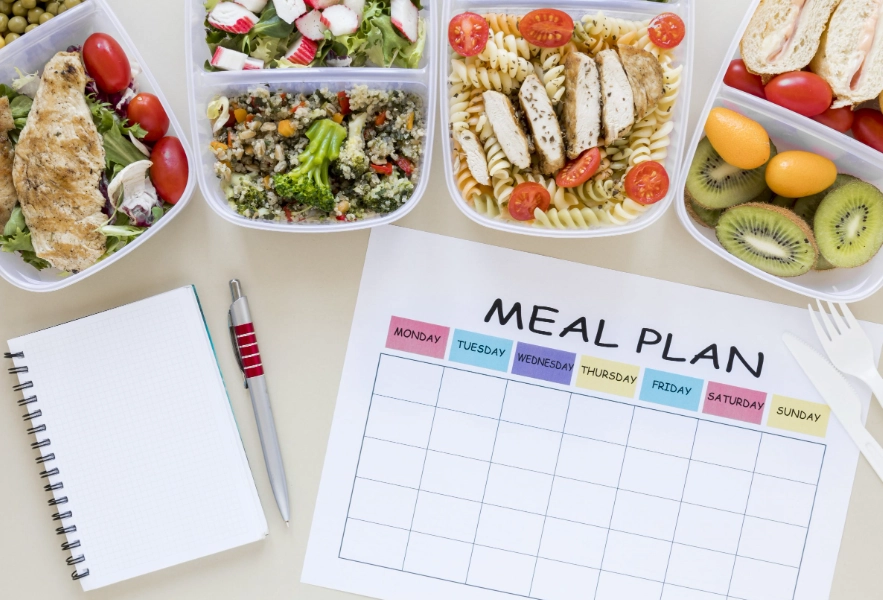
The biggest mistake? Planning seven unique, from-scratch dinners. It's exhausting. Research from organizations like the American Psychological Association consistently highlights decision fatigue—the deteriorating quality of decisions after a long session of choice-making. Picking dinner at 7 PM after a long day is a prime example. Your plan should eliminate that decision, not add seven more complex ones.
Think of your meal plan as having three layers:
- The Foundation: Staple meals you can make blindfolded (think: pasta aglio e olio, a reliable stir-fry, breakfast-for-dinner).
- The Structure: 2-3 new or more involved recipes you're excited to try this week.
- The Safety Net: The frozen pizza, the "pantry pasta" ingredients, the reliable takeout menu for the night everything goes sideways.
A plan that lacks any of these layers is brittle. It will break.
How to Create a Meal Plan That Actually Works
Forget starting with recipes. Start with your life. Open your calendar first.
The 4-Step, No-Burnout Planning Method
1. Audit Your Week: Mark the crazy days. Late meeting on Tuesday? Kid's soccer on Thursday? That's a "15-minute meal" or "leftover" night. Social dinner on Saturday? Plan one less meal. Be brutally realistic.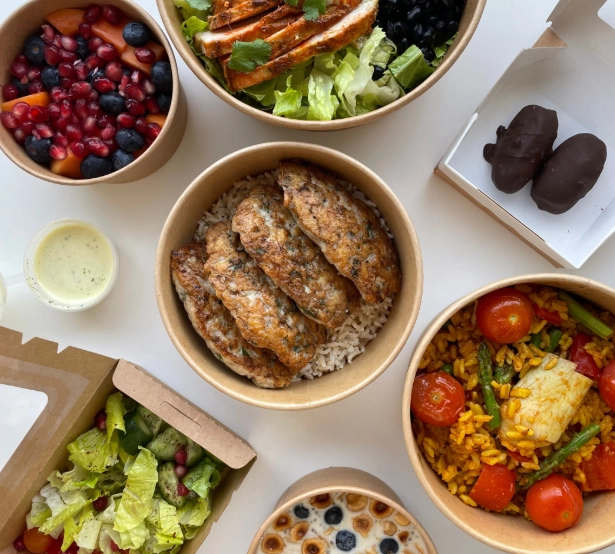
2. Theme It (Seriously, It Helps): Assign loose themes to nights. This isn't childish—it narrows infinite choice into a manageable channel. "Meatless Monday," "Taco Tuesday," "Stir-Fry Wednesday," "Leftover/Fend-for-Yourself Thursday," "Pizza/Fun Friday." Suddenly, you're not deciding between 100 recipes; you're deciding which stir-fry to make.
3. Build a "Master Ingredient" List: Choose recipes that share ingredients. If two recipes need a bell pepper, you can buy a pack and use it all, reducing waste. If one needs cilantro, find a second use for the bunch (a garnish for soup, a topping for tacos).
4. Differentiate Planning from Prepping: Planning is the mental work (choosing recipes, making a list). Prepping is the physical work (chopping, cooking). You can plan without prepping. But if you have 90 minutes on a Sunday, prep components, not full meals: roast veggies, cook a grain, marinate protein.
The Component Method vs. The Full-Meal Method
This is where most beginners get it wrong. They prep five identical containers of chicken, rice, and broccoli. By day three, it's depressing.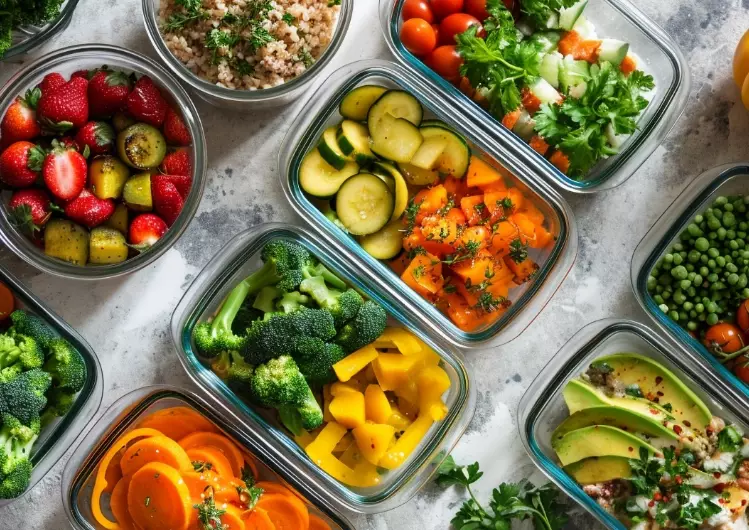
A Real-Week Example: The Johnson Family Plan
Let's make this concrete. Meet a hypothetical but very real-feeling family of four: two working parents, two elementary school kids. Here’s their thought process for a spring week.
Calendar Check: Parent-teacher conference Wednesday evening. Soccer practice Thursday. Saturday is open.
>>>>>>| Day | Theme/Constraint | Meal Idea | Notes/Prep Ahead |
|---|---|---|---|
| Monday | Meatless, Easy | Black Bean & Sweet Potato Quesadillas | Can roast sweet potato cubes Sunday. Uses tortillas & cheese for Fri. |
| Tuesday | Standard Weeknight | One-Pan Lemon Herb Chicken & Asparagus | Quick, minimal cleanup. Make extra chicken for Thursday. |
| Wednesday | Late Meeting/Fast | "Pantry Pasta" with canned tuna, capers, frozen peas | 15 minutes. Literally no fresh produce needed if desperate. |
| Thursday | Leftover/Assembly | Build-Your-Own Bowls with leftover chicken, rice, roasted veggies, sauces | Zero active cooking. Rice & veggies prepped Sunday. |
| Friday | Fun Night | Homemade Pizza (using leftover tortillas or dough) & Movie | Engages kids. Uses up remaining cheese/veggies. |
| Saturday | Try Something New | Salmon Burgers with Slaw (new recipe from a trusted blog) | More time to experiment. |
| Sunday | Big Batch/Leftovers | Large pot of Lentil Soup & Bread | Provides leftovers for Monday lunch. Freezes well. |
The Resulting Shopping List is focused. It includes: sweet potatoes (2), black beans (1 can), asparagus, chicken breasts, lemons, fresh herbs, salmon, cabbage, lentils, onions, garlic, pantry staples. Notice the overlap and lack of random, single-use items.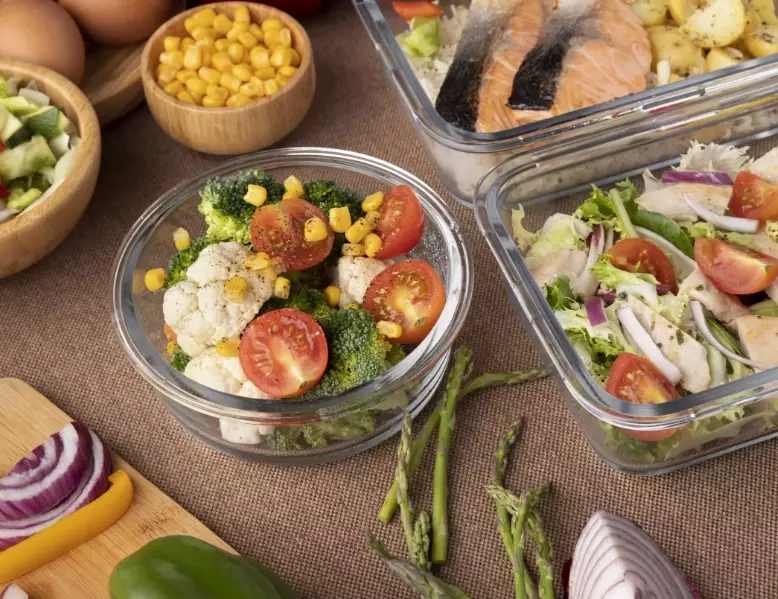
Their Sunday 90-minute prep session looks like this: roast sweet potato cubes, cook a big pot of rice, wash and trim asparagus, make the lentil soup, shred cabbage for slaw. They don't cook any full meals except the soup.
Pro Tips and Hacks for Long-Term Success
Here's where a decade of messing this up pays off for you.
Embrace the "Two-List" System: Maintain a running list on your fridge titled "Meals We Like." When you find a winner, add it. When planning, first look at this list—no brainpower required. The second list is "Want to Try." Add recipes you see online here. When planning, pick one or two from this list to keep things fresh.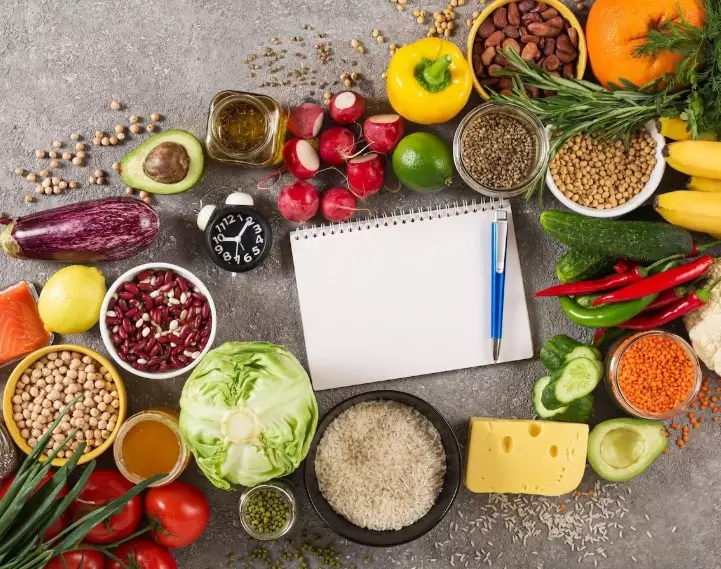
Schedule a "Planning Session": Not a vague "I'll do it later." Put a 20-minute recurring event in your calendar. Sunday at 3 PM? Tuesday after work? Protect this time.
Factor in Food Waste Realistically: The USDA estimates that a shocking percentage of household food waste is due to over-purchasing and poor planning. If you know half a lettuce often rots, plan two salads early in the week, or buy hearts of romaine which last longer. Or, buy frozen veggies for later in the week—they're just as nutritious.
Involve Your Household: The unilateral meal planner is a martyr. Ask for input: "Any cravings this week?" Let a kid pick the Friday night meal. Share the mental load.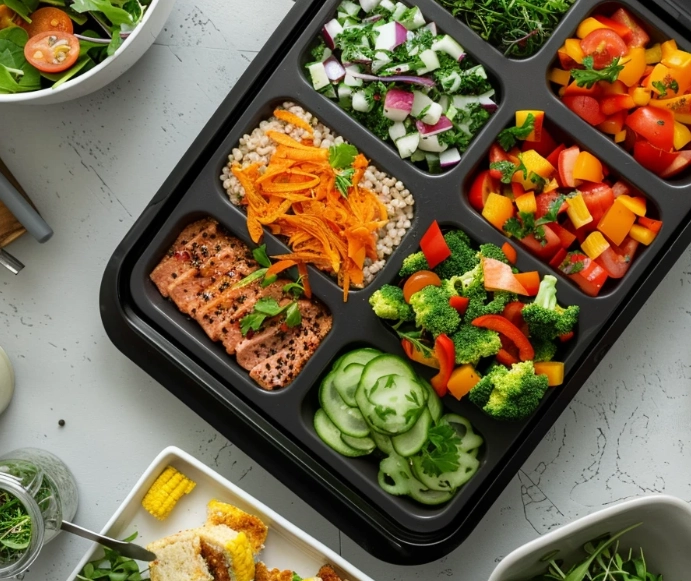
Your Meal Planning Questions, Answered
The goal of a weekly meal plan isn't to imprison you in a menu. It's the opposite. It's to free up your mental space, reduce the 5 PM panic, and make eating well a default, not a daily struggle. Start small. Plan three dinners. Use a theme. See how it feels to have that decision already made. You might find that a little planning gives you a lot more freedom.
Reader Comments