I used to buy that stuff in the squeeze bottle. You know the one. It was either too sweet, tasted faintly of plastic, or had a weird gelatinous texture. Then, one summer when my garden went nuts with strawberries, I had to figure out what to do with them all. Making sauce seemed obvious. What wasn't obvious was how a 10-minute process would completely ruin store-bought versions for me forever.
The difference is night and day. Fresh, vibrant flavor you can actually adjust. A texture that's saucy, not slimy. And the uses? They exploded. It wasn't just for ice cream anymore.
What's Inside This Guide?
- Why Your Own Strawberry Sauce Beats the Store Every Time
- The Very Short List of What You Actually Need
- The Foolproof 10-Minute Recipe (With Pictures in Your Mind)
- Troubleshooting: Fixing Runny, Too Sweet, or Bland Sauce
- 17 Ways to Use It That Aren't Just Ice Cream
- How to Make It Last: Fridge, Freezer, & Canning Notes
- Your Strawberry Sauce Questions, Answered
Why Your Own Strawberry Sauce Beats the Store Every Time
Let's be clear: this isn't just about being fancy. It's about control and quality.
Most commercial sauces prioritize shelf life and cost. That means more sugar, less fruit, thickeners like modified corn starch, and preservatives. The fruit flavor often comes from concentrate or "natural flavors."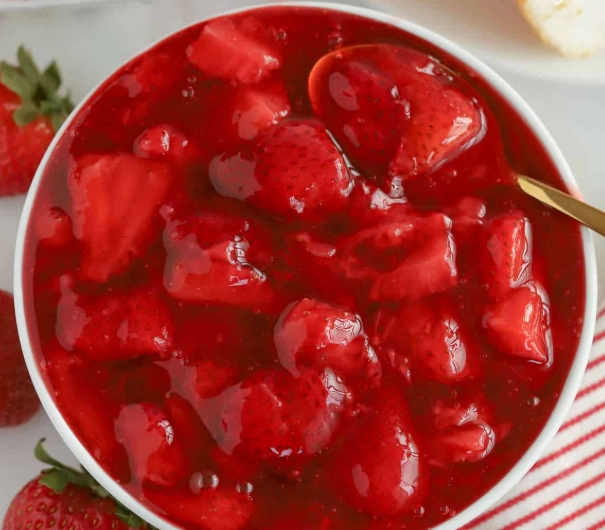
When you make it, you decide the sweetness. Tart berries? Less sugar. Super sweet ones? Maybe just a tablespoon. You control the texture—chunky with bits of fruit, or smooth and silky. You get the real, bright red color from the berries themselves, not from added color.
Economically, it makes sense too. When strawberries are in season (or you find a sale on frozen), you can make a pint of superior sauce for a fraction of the price of a high-end gourmet brand.
The Very Short List of What You Actually Need
This is not a complicated project. You likely have everything already.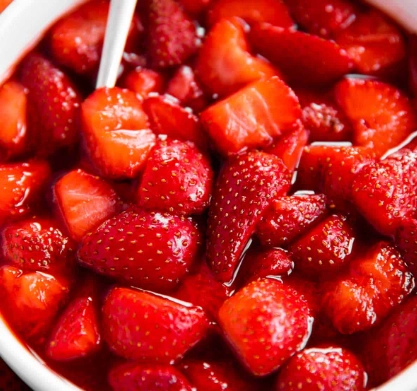
The Non-Negotiables
Strawberries: Fresh or frozen. One pound (about 3 cups hulled and halved). Fresh is glorious in season, but don't sleep on frozen. They're often flash-frozen at peak ripeness and work perfectly. I keep a bag in the freezer for sauce emergencies.
Sugar: Usually 1/4 to 1/3 cup of granulated white sugar. This isn't just for sweetness; it helps draw out the berries' juices and contributes to the sauce's glossy finish. You can use honey or maple syrup, but start with less—they're sweeter and add their own flavor.
Lemon Juice: About a tablespoon. This is the secret weapon. The acid brightens the strawberry flavor, balances the sweetness, and helps preserve the color. Don't skip it.
Water: Just a couple tablespoons to get things started without burning.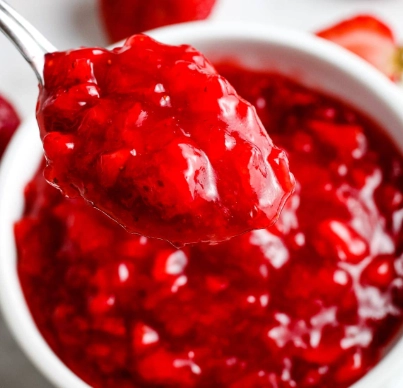
The "Nice to Haves" That Make a Difference
A pinch of salt. It sounds minor, but it makes all the flavors pop.
Vanilla extract (1/2 teaspoon) added at the very end. It adds a warm, round note.
For tools: a medium saucepan, a wooden spoon or spatula, a potato masher or fork, and a fine-mesh sieve if you want a seedless, super-smooth sauce.
A Quick Word on Sweeteners: If you're using a liquid alternative like honey, reduce the initial water in the pan by half. The honey adds liquid as it heats. And always taste before adding more—berries vary wildly in natural sweetness.
The Foolproof 10-Minute Recipe (With Pictures in Your Mind)
Here's the process, broken down so you can't mess it up.
First, prep your berries. Hull them and cut any large ones in half. Toss them into your saucepan. Add the sugar, lemon juice, salt, and water. Give it a gentle stir.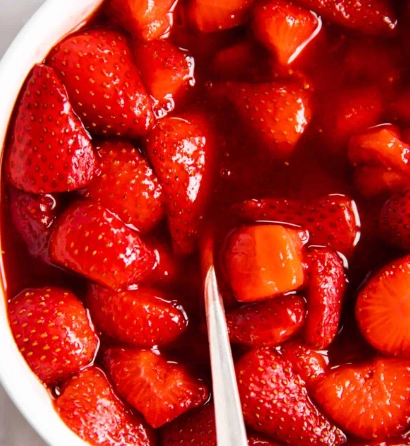
Turn the heat to medium. You'll hear a sizzle, then a quiet bubbling as the sugar dissolves and the berries start releasing their beautiful red juice. This takes about 3-4 minutes.
Once there's a good amount of liquid in the pan, take your potato masher or fork and gently crush about half the berries. This is the key texture moment. Don't go wild and puree everything. You want a mix of juicy liquid and soft berry pieces.
Let it simmer. Not a rolling boil, just a steady bubble. Stir occasionally. This is where the magic happens. The sauce will thicken slightly as the water evaporates and the natural pectin from the fruit does its job. This takes another 5-7 minutes.
How do you know it's done? Drag your spoon across the bottom of the pan. The sauce should take a second to flow back and cover the path. It will thicken more as it cools.
Take it off the heat. Stir in vanilla if using. Let it cool in the pan for 15 minutes before transferring to a jar. The flavor gets better as it sits.
Troubleshooting: Fixing Runny, Too Sweet, or Bland Sauce
Even with a simple recipe, things can go sideways. Here's how to fix them.
Problem: The sauce is too thin, like strawberry juice.
Cause & Fix: You probably didn't simmer it long enough, or you pureed the berries too finely (breaking down the pectin). Simmer it for another 5-10 minutes to reduce. If you're in a hurry, make a cornstarch slurry (1 tsp cornstarch + 1 tbsp cold water), stir it in, and simmer for 1 minute until glossy and thickened.
Problem: It's way too sweet, cloying.
Cause & Fix: The berries were already very sweet. Balance it with more lemon juice, a teaspoon at a time. A tiny pinch of salt can also help counteract overpowering sweetness. Next time, start with half the sugar and add more after the berries break down.
Problem: The flavor is flat or "cooked" tasting.
Cause & Fix: You might have boiled it too aggressively or used bland berries. For a quick rescue, stir in a little fresh lemon zest or a few finely chopped fresh mint leaves after cooling. For the future, a splash of good balsamic vinegar at the end adds incredible depth.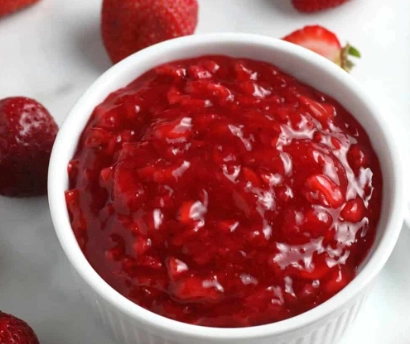
17 Ways to Use It That Aren't Just Ice Cream
Sure, pour it over vanilla bean. That's a classic for a reason. But once you have a jar in the fridge, you'll start seeing opportunities everywhere.
- Breakfast: Swirl into yogurt or oatmeal. Drizzle over pancakes, waffles, or French toast. Mix a spoonful into your morning smoothie.
- Desserts: The obvious cheesecake topping. Layer it in a parfait with whipped cream. Spoon it over pound cake or angel food cake. Use it as a filling for crepes or between cake layers.
- Drinks: A tablespoon stirred into lemonade or iced tea. A drizzle in a champagne flute for a quick Kir Royale. Mix with sparkling water.
- Savory Twists: Thin it with a little oil and vinegar for a unique salad dressing (great with spinach and goat cheese). Use it as a glaze for grilled chicken or pork chops in the last few minutes of cooking.
- My favorite lazy treat: A big spoonful straight from the jar. No judgment.
How to Make It Last: Fridge, Freezer, & Canning Notes
You won't have leftovers for long, but just in case.
Refrigerator: In a clean, airtight jar or container, it'll keep for 7-10 days. The sugar and lemon juice are natural preservatives.
Freezer: This is my go-to method for batch cooking. Let it cool completely. Pour it into an ice cube tray. Once frozen solid, pop the cubes into a freezer bag. Now you have perfect, portioned "sauce cubes" to thaw for a single dessert. It keeps well for 3-4 months.
Canning: You can process it in a water bath for shelf-stable storage, but you must follow a tested recipe from a source like the National Center for Home Food Preservation to ensure proper acidity and safety. For most home cooks, freezing is simpler and safer.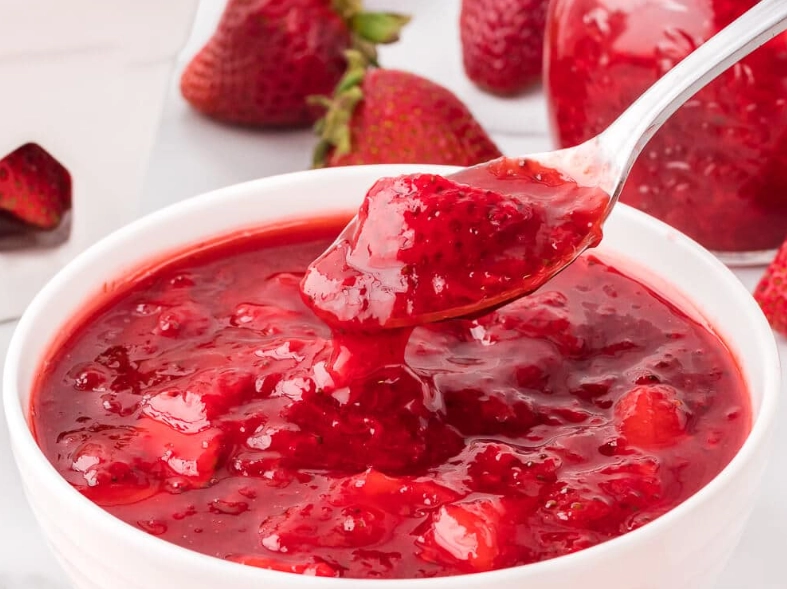
Your Strawberry Sauce Questions, Answered
So there you have it. Ten minutes, a handful of ingredients, and zero reasons to ever buy that overly processed squeeze bottle again. The best part? Once you master the basic formula, you can start playing—adding other berries, a hint of herb, or adjusting the texture to your exact liking. That’s the real joy of cooking at home.
Go raid your fridge or freezer. Your pancakes tomorrow morning will thank you.
Reader Comments