I used to dread opening a can of tuna. The gloppy, overly-sweet mayo, the soggy celery if you were lucky enough to have any... it felt like a punishment, not a lunch. Then I discovered the magic of swapping mayo for thick, tangy Greek yogurt. It wasn't just a "healthy hack"—it completely transformed the dish. This Greek yogurt tuna salad is now something I genuinely crave. It's bright, packed with protein, and has a texture that's creamy without being heavy. It's the recipe that finally made tuna salad a year-round staple in my kitchen.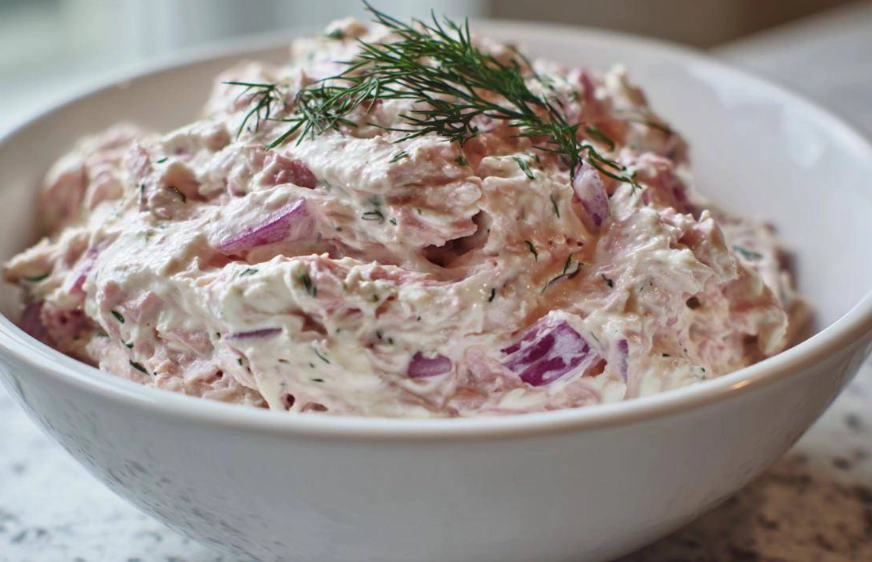
What's Inside This Guide
Why Greek Yogurt Beats Mayo Every Time
Let's be clear: this isn't about creating a "diet" food. It's about building a better-tasting, more satisfying meal. I did a side-by-side comparison last week, and the differences were stark.
The Greek yogurt version felt lighter but more substantial. The tang cut through the richness of the tuna, making each bite clearer and brighter. The mayo version, in contrast, just sat there—a one-note, fatty blanket.
From a practical standpoint, Greek yogurt is a nutritional powerhouse. A half-cup of full-fat Greek yogurt has about 10 grams of protein and 5 grams of fat. The same amount of full-fat mayo has 1 gram of protein and a whopping 80 grams of fat. You're swapping empty calories for a significant protein boost, which is why this salad keeps you full for hours.
But here's the expert tip nobody talks about: Greek yogurt is more stable. Mayo can sometimes "break" or get greasy if you add acidic ingredients like lemon juice too aggressively. Greek yogurt welcomes acid. It binds everything together beautifully and actually improves in flavor after chilling for an hour.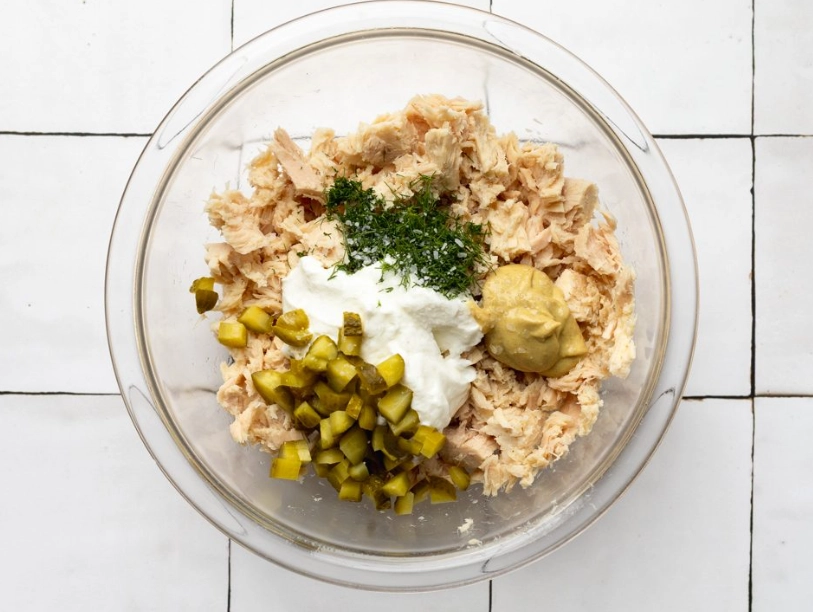
The Non-Negotiable Ingredients (And Smart Swaps)
You can't build a great house with cheap materials. The same goes for tuna salad. Here’s your shopping list, with notes on why each item matters.
| Ingredient | My Recommendation & Why | If You Need to Swap |
|---|---|---|
| Tuna (2 cans) | Solid white albacore in water. I prefer the firmer texture and milder flavor. Brands like Wild Planet or Safe Catch are consistently good. Drain it extremely well. | Chunk light tuna works, but it's softer. In oil? Drain, then pat dry with a paper towel—the extra fat can make the salad slick. |
| Greek Yogurt (2/3 cup) | Full-fat (5%) plain Greek yogurt. The fat carries flavor and creates a luxurious mouthfeel. Non-fat can taste chalky and often has added thickeners. | 2% fat works in a pinch. Avoid flavored yogurts at all costs. |
| Celery (2 stalks) | The crunch factor. Dice it small (1/4-inch) so it distributes evenly without being stringy. | Jicama or diced cucumber (seeds removed and patted dry) for a different crunch. |
| Red Onion (1/4 cup) | Provides a sharp, sweet bite. Soak diced onion in cold water for 5 minutes to mellow the raw edge if you're sensitive. | Green onion (scallions) or shallots for a gentler flavor. |
| Lemon Juice (1 tbsp) | Freshly squeezed. Bottled juice has a flat, metallic taste. The acid is non-negotiable for balancing flavors. | White wine vinegar or apple cider vinegar. Start with 2 tsp and adjust. |
| Dijon Mustard (1 tsp) | Adds depth and a subtle heat. It acts as an emulsifier, helping everything blend smoothly. | Whole grain mustard for texture, or 1/2 tsp dry mustard powder. |
| Seasonings | Kosher salt, black pepper, and a pinch of dried dill or garlic powder. Season in layers. | Fresh dill, chives, or parsley are phenomenal if you have them. |
The Foolproof 10-Minute Assembly Method
This isn't rocket science, but order matters. Doing it right prevents a watery, bland mess.
Step 1: The Dry Prep. Drain your tuna aggressively. I mean, press it against the lid of the can with a fork until no more liquid drips out. Dump it into a medium mixing bowl and flake it well. Dice your celery and red onion. If using, chop any fresh herbs now.
Step 2: The Wet Team. In a small bowl, whisk together the Greek yogurt, lemon juice, Dijon mustard, and your dried spices (salt, pepper, dill). Taste this dressing. It should be quite tangy and well-seasoned on its own—it will mellow once mixed with the tuna.
Step 3: The Marriage. Pour about two-thirds of the dressing over the flaked tuna. Gently fold it in with a spatula until just combined. Now add the celery, onion, and any other crunchy veggies. Fold again. Here's the key: assess the consistency. Do you want it creamier? Add the remaining dressing. I usually use it all.
Step 4: The Rest. This is the hardest part. Cover the bowl and stick it in the fridge for at least 30 minutes. The flavors need time to get to know each other. The yogurt relaxes, the onion mellows, and everything comes into perfect harmony.
Serve it on whole-grain toast, in a butter lettuce cup, with crackers, or just eat it straight from the bowl with a fork. No judgment.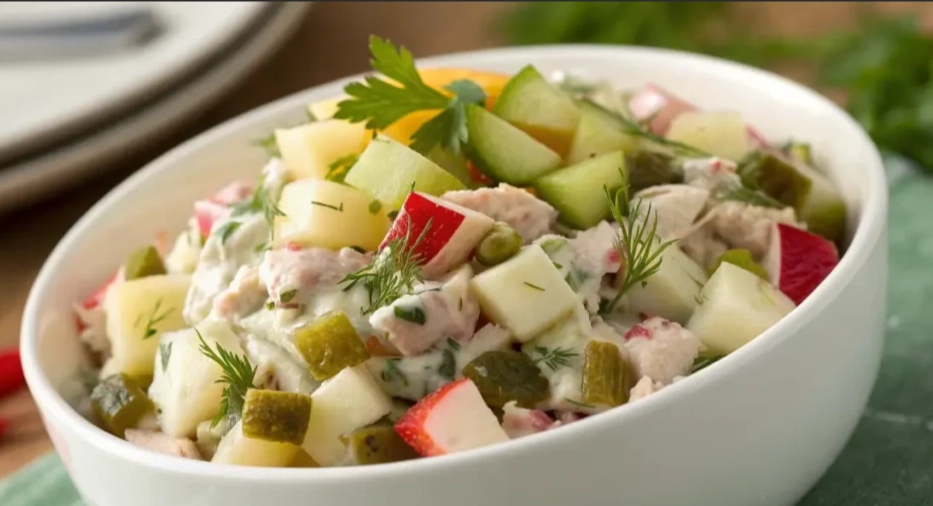
5 Flavor Twists to Keep It Exciting
The basic recipe is a perfect canvas. Here are my favorite ways to paint on it, depending on my mood.
- The Mediterranean: Add 1/4 cup chopped Kalamata olives, 2 tbsp chopped sun-dried tomatoes (oil-packed, patted dry), and a tablespoon of chopped fresh oregano.
- The Everything Bagel: Swap the Dijon for 1 tbsp of everything bagel seasoning, add a tablespoon of finely minced red bell pepper for sweetness.
- The Curry Kick: Add 1-2 tsp of your favorite curry powder to the yogurt dressing. Stir in 2 tbsp of golden raisins and 1 tbsp of sliced almonds for crunch.
- The California: Replace half the Greek yogurt with a mashed ripe avocado. Add a handful of sprouts and serve it open-faced on sourdough.
- The Briny Bite: Add 1 tbsp of chopped capers and 2 tbsp of finely chopped dill pickles or cornichons. A dash of cayenne pepper here is fantastic.
The One Mistake Everyone Makes (And How to Avoid It)
I've seen it a hundred times: someone makes a beautiful tuna salad, packs it for lunch, and by noon it's swimming in a sad, cloudy pool of liquid.
The culprit is always inadequate draining.
Water is the enemy of creaminess. It's not just the tuna water. It's the liquid that sweats out of your vegetables, especially if you salt them directly in the mix. The fix is simple but requires a minute of extra effort.
After dicing your celery and onion, toss them in a small strainer with a pinch of salt. Let it sit over the sink or a bowl for 5-10 minutes. You'll see beads of moisture form. Rinse quickly (to remove excess salt) and then press them dry between layers of paper towels or a clean kitchen towel. This "sweating" step intensifies their flavor and ensures they won't waterlog your masterpiece.
Do this, and your salad will stay creamy and perfect for days.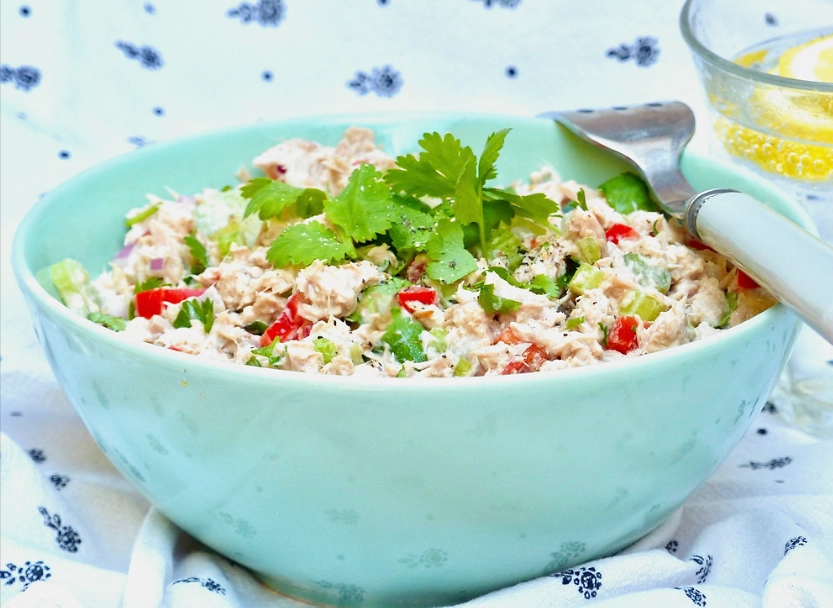
Your Tuna Salad Questions, Answered
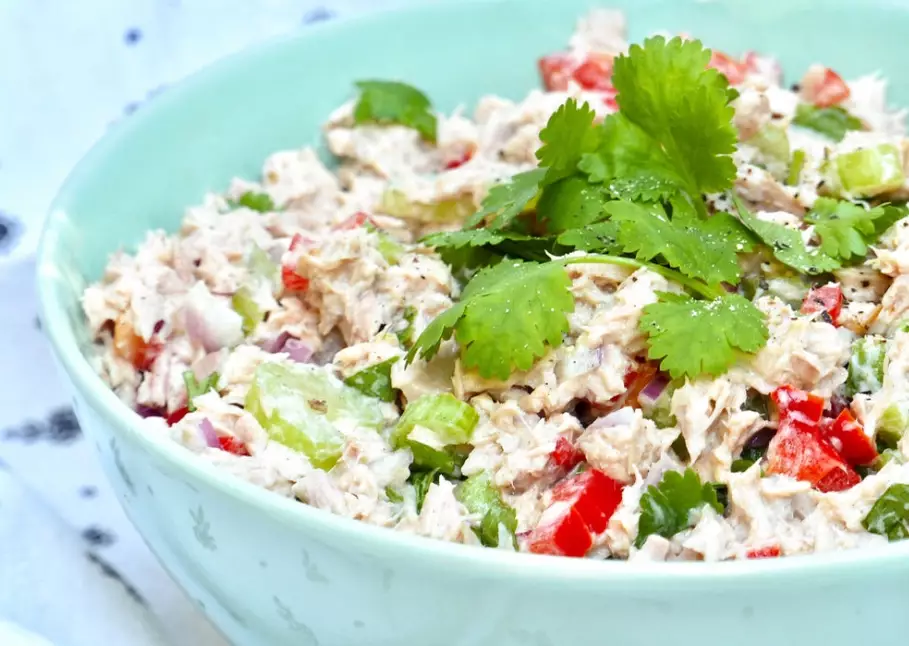 So, there you have it. This isn't just a recipe; it's a template for a faster, fresher, and frankly more enjoyable lunch. Ditch the jar of mayo and grab the tub of Greek yogurt. Your future self, happily eating a crisp, creamy, protein-packed lunch at your desk, will thank you.
Reader Comments