It’s 12:17 PM. Your stomach is rumbling, your brain is foggy, and you’re staring into the abyss of your refrigerator. The leftover pasta looks sad, assembling a sandwich feels like a chore, and the thought of ordering takeout for the third time this week makes your wallet weep. Sound familiar? You’re not alone. The quest for easy lunches that are also satisfying, healthy-ish, and don’t require a culinary degree is a universal struggle.
But here’s the thing I learned after years of mediocre desk lunches: “easy” doesn’t have to mean boring or unhealthy. It’s not about finding one magical recipe. It’s about a system. A shift in mindset from “cooking a lunch” to “assembling a lunch.” This guide is that system.
Your Quick Lunch Navigation
The One Mindset Shift for Easier Lunches
Forget the Instagram boards of intricate meal prep containers with 14 different components. The biggest barrier to easy lunches is overcomplication.
Think in components, not recipes.
Your lunch is a simple formula: Base + Protein + Veggies + Flavor. Your job is to have options for each category ready to mix and match. This is liberating. It means that leftover quinoa from dinner, a can of chickpeas in the pantry, some frozen peas, and a spoonful of pesto can become a legitimate, tasty lunch in under two minutes.
No-Cook, No-Sweat Lunch Ideas
When you’re short on time or just can’t face turning on the stove, these are your go-tos. They rely on assembly, not cooking.
The Ultimate “Clean-Out-The-Fridge” Grain Bowl
Formula: Pre-cooked grain (farro, couscous, rice) + canned beans (rinsed) + any chopped raw veg (bell pepper, cucumber, cherry tomatoes) + a handful of greens + a simple dressing (lemon juice & olive oil, or a store-bought vinaigrette).
Why it works: It’s infinitely variable and uses up small bits of leftovers. The key is having a grain and a can of beans on standby. Couscous is a secret weapon—it steeps in boiling water in 5 minutes, no actual cooking required.
The Grown-Up Lunchable
This isn’t just for kids. The appeal is in the variety and zero prep. Think: whole-grain crackers, sliced cheese (cheddar, mozzarella), a handful of nuts, sliced apple or pear, and a few slices of quality deli meat or a hard-boiled egg. Add some cherry tomatoes or snap peas for crunch.
My take: People dismiss this as not a “real meal,” but it covers all your macros, is deeply satisfying to eat, and takes 90 seconds to pack. Sometimes, easy wins.
Wraps & Sandwiches That Don’t Suck
The problem with most sandwiches is they get soggy or boring. The solution is in the construction and ingredients.
Construction Rule: Spread a barrier. Hummus, mashed avocado, or cream cheese on both slices of bread creates a moisture shield between the bread and wet ingredients like tomatoes or tuna salad.
Ingredient Upgrade: Ditch the basic lettuce. Use spinach, arugula (adds a peppery kick), or shredded kale massaged with a tiny bit of lemon juice. For protein, leftover roasted chicken is king, but a mashed chickpea “salad” (mash chickpeas with mayo, mustard, celery, relish) is a fantastic vegan alternative that’s far more interesting than plain veggies.
A Realistic Meal Prep Strategy (That Actually Works)
The term “meal prep” is intimidating. It conjures images of spending all Sunday in the kitchen. Don’t do that. Instead, do a 45-minute “component prep.”
Here’s what that looks like in my kitchen every Sunday evening while I’m listening to a podcast:
- Roast one tray of veggies. Chop broccoli, cauliflower, sweet potatoes, or Brussels sprouts, toss with oil, salt, and pepper, and roast at 400°F (200°C) for 20-25 minutes. This is your veggie base for 3-4 lunches.
- Cook one batch of grains. 1 cup of quinoa, rice, or farro. That’s it.
- Prep one protein. Bake a few chicken breasts, cook a batch of lentils, or hard-boil half a dozen eggs.
- Make one sauce. A simple lemon-tahini dressing, a yogurt-herb sauce, or just mix some olive oil with balsamic vinegar and mustard.
You’ve now created a modular lunch kit. Monday: grain bowl with roasted broccoli and chicken. Tuesday: wrap with the chicken, some greens, and the sauce. Wednesday: salad with the leftover grains, roasted sweet potato, and a hard-boiled egg. It feels different every day because you’re combining the components differently.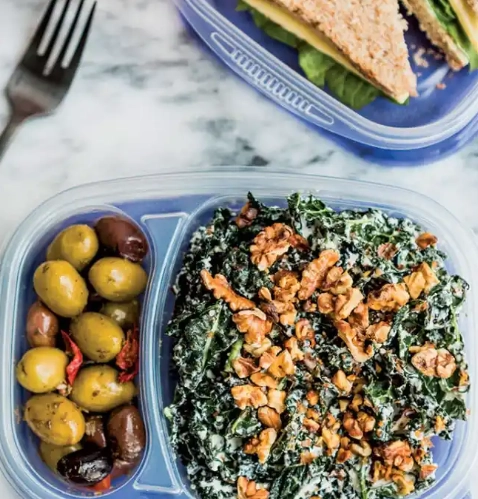
The 3 Biggest Mistakes People Make (And How to Fix Them)
After talking to countless friends and readers about their lunch struggles, patterns emerge. These are the subtle errors that derail good intentions.
1. Underestimating the Power of Flavor
You pack a container of plain chicken, brown rice, and steamed broccoli. By Wednesday, you’d rather eat your desk. The fix is a “flavor anchor.” This is one potent ingredient that makes the whole meal sing. It could be a tablespoon of sun-dried tomato pesto mixed into the rice, a sprinkle of “everything bagel” seasoning, a dollop of spicy salsa, or a few crumbles of tangy feta cheese. Invest in 2-3 condiments you love. They are the difference between sustenance and satisfaction.
2. Prepping the Wrong Way
Chopping lettuce for salads on Sunday for a Friday lunch is a recipe for slime. Some things don’t prep well. The fix is “staged prep.” Prep the sturdy components on Sunday (roasted veggies, grains, proteins, sauces). Then, each morning, take 2 minutes to assemble: grab a handful of fresh greens from the bag, add your prepped components, and maybe slice a fresh cucumber or avocado. You get the ease of prep with the freshness of last-minute assembly.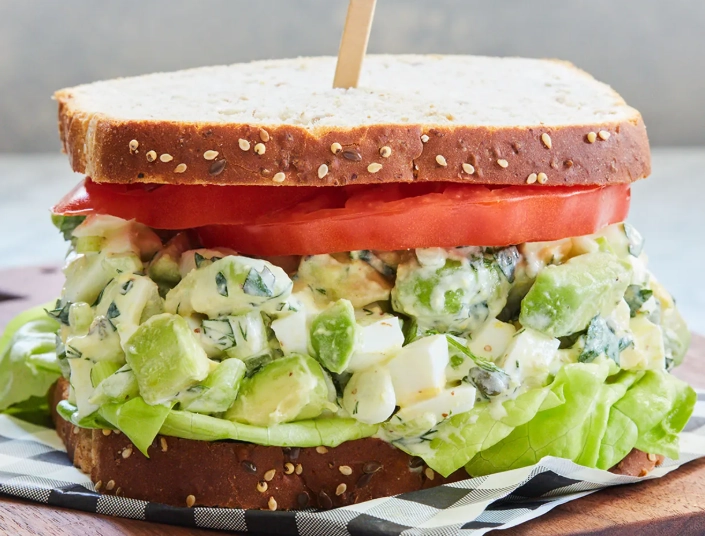
3. Ignoring Temperature and Texture
A lukewarm, mushy lunch is depressing. Think about contrast. The fix is “texture pairing.” If you have something soft (like a bean salad), add something crunchy on the side (like a small bag of tortilla chips or some almonds). If you’re packing a hot soup or stew, a crusty bread roll for dipping changes the experience entirely. A small, separate container for crispy elements ensures they stay that way.
Reader Comments