Your Quick Recipe Roadmap
Let's be honest. Most store-bought breakfast sausages are a mystery. The ingredient list reads like a chemistry experiment, and the flavor is just salt and grease. Making your own turkey breakfast sausage at home fixes all of that. You control the fat, the salt, and the spices. The result is something that actually tastes like breakfast, not a processed food product.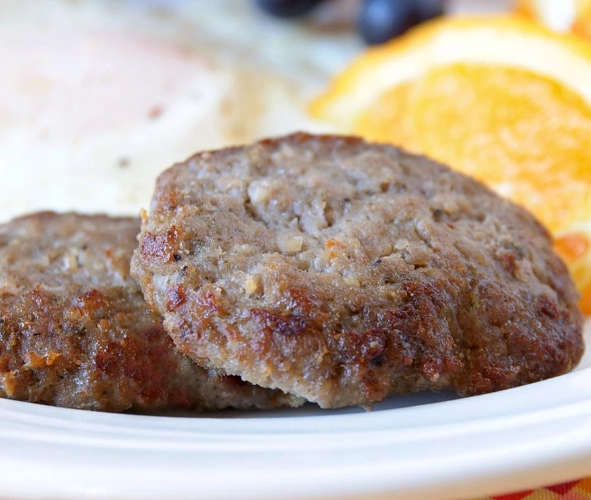
I switched to homemade years ago after reading a USDA report on typical pork sausage nutrition. The numbers on sodium and saturated fat were startling. Turkey, especially a blend of dark and light meat, gives you that satisfying sausage experience without the heaviness. This recipe is my go-to, perfected after more than a few bland or crumbly batches.
Why Turkey Sausage Beats the Store-Bought Stuff
It's not just about being healthier, though that's a big part. A typical pork breakfast sausage patty can have over 350mg of sodium and 5g of saturated fat. The turkey version we're making clocks in around 200mg sodium (you control it!) and 2-3g of saturated fat, depending on your meat blend.
But beyond nutrition, it's about flavor depth. Commercial sausages often use cheap filler spices and rely on fat for taste. When you make it yourself, you can taste the sage, the maple, the black pepper. It's brighter, cleaner, and more complex.
There's also a texture win. Homemade patties have a pleasant, coarse grind you can actually see. They're juicy but not greasy. They hold together because of the protein and careful mixing, not because of binders like dextrose or corn syrup solids.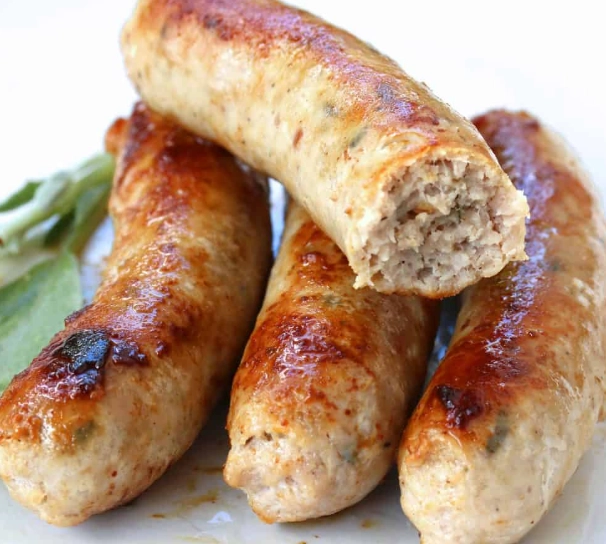
Ingredients and Why They Matter
Great sausage starts with great ingredients. This isn't a place for shortcuts.
Selecting Your Turkey
This is the most important choice. Do not use 99% lean ground turkey breast. It will make a dry, sad patty. You need fat for flavor and moisture.
- Best Choice: Ground Turkey Thigh. It's typically around 85-90% lean (10-15% fat). This is the ideal range for juicy, flavorful sausage that holds its shape.
- Great Choice: 85/15 or 90/10 Ground Turkey Blend. Most supermarkets sell this. It's a mix of dark and light meat and works perfectly.
- Pro Move: Grind Your Own. If you have a meat grinder or food processor, buy turkey thigh meat, cut it into chunks, and pulse it yourself. You'll get the best texture.
The Flavor Builders
We're building a classic breakfast sausage profile. Every ingredient has a job.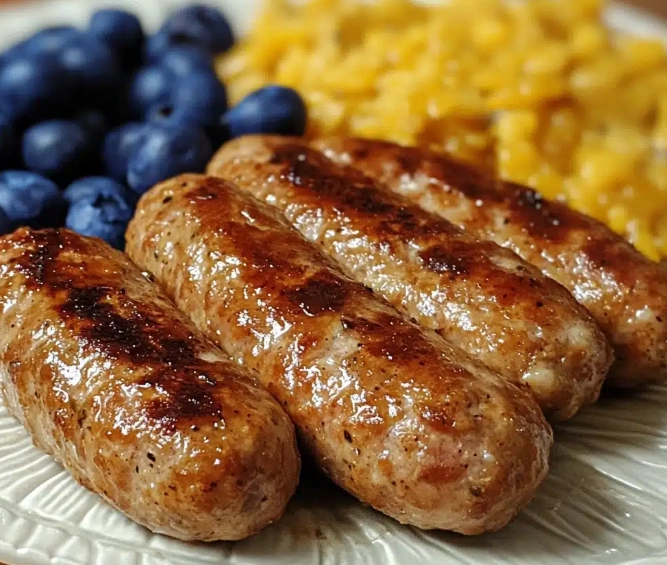
- Kosher Salt: Not table salt. Kosher salt dissolves better and seasons the meat more evenly. It's non-negotiable for drawing out proteins that help bind the sausage.
- Dried Rubbed Sage: The signature sausage herb. Rubbed sage is crumbled, not powdered, so it distributes flavor without turning the meat green.
- Maple Syrup (the real stuff): A tiny amount balances the savory notes and promotes browning. Don't use pancake syrup—the artificial flavors come through.
- Black Pepper & Crushed Red Pepper: Heat and bite. Freshly cracked black pepper makes a difference.
Some recipes add a pinch of ground ginger or nutmeg. I find they can overpower the sage if you're not careful. I stick to the core four: sage, maple, salt, pepper.
Step-by-Step Instructions
Making sausage is simple, but a few techniques ensure success.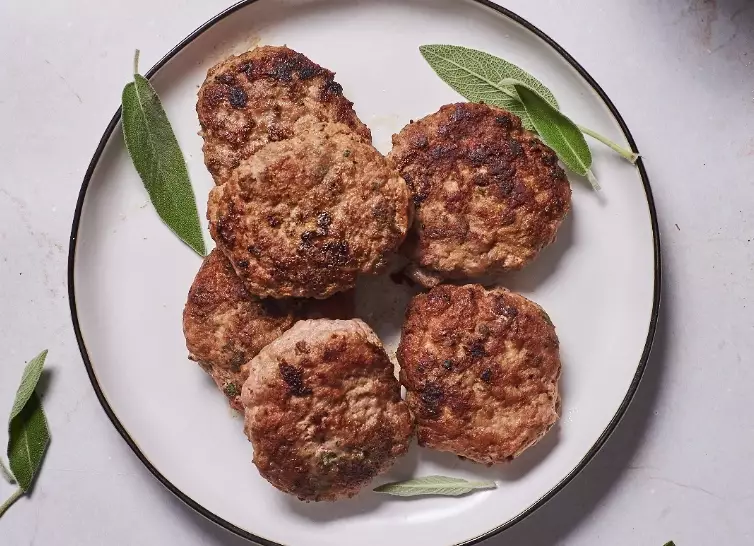
Step 1: The Chill
Place your mixing bowl and the ground turkey in the fridge for 20 minutes before you start. Cold meat is easier to handle and prevents the fat from smearing. Warm meat makes a greasy, dense sausage.
Step 2: Mixing the Meat
In a small bowl, combine all your dry spices and the maple syrup. Take the cold turkey out of the fridge. Sprinkle the spice mix evenly over the meat.
Now, use your hands. This is the only way to do it right. Gently fold and mix the spices into the turkey. You want everything just combined, not mashed into a paste. Overmixing activates too much protein and makes the sausage tough and rubbery. Stop as soon as you see no more dry spice patches.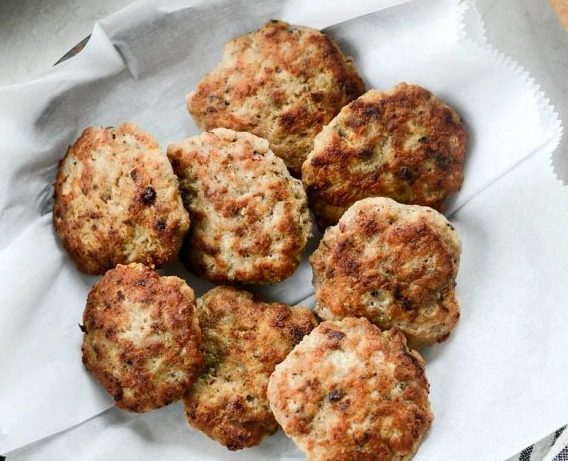
This takes about 60 seconds. Really.
Step 3: The Test Patty
This is the step most people skip, and it's why their whole batch can be under-seasoned. Pinch off a small piece of the mixed meat, flatten it into a mini patty, and cook it in a small skillet for 2-3 minutes.
Let it cool for a minute, then taste it. Is it salty enough? Does it need more sage or pepper? Now is the time to adjust the main batch. Trust me, this saves meals.
Step 4: Forming and Resting
Divide the meat into 8 equal portions. Gently form each into a 1/2-inch thick patty. Don't pack them tight—just enough so they hold together.
Place the patties on a plate or lined baking sheet. Cover and refrigerate for at least 30 minutes, or up to overnight. This resting period is magic. It lets the flavors meld and allows the proteins to relax, resulting in a more tender patty that won't shrink as much in the pan.
Step 5: Cooking to Perfection
Heat a large skillet or griddle over medium heat. Add a small amount of oil (avocado or olive oil works). Once hot, add the patties. Don't crowd the pan.
Cook for 4-5 minutes on the first side without moving them. You want a good brown crust. Flip and cook for another 3-4 minutes, until the internal temperature reaches 165°F (74°C) on an instant-read thermometer.
That's it. Let them rest for a couple of minutes before serving. They'll be juicy, flavorful, and nothing like the cardboard discs from the freezer aisle.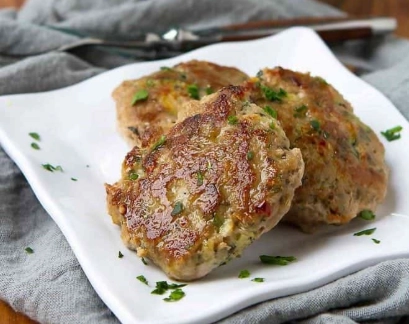
Flavor Variations to Try
Once you master the classic, the world is your oyster. Or your sausage.
| Variation | Ingredient Swaps/Additions | Best Served With |
|---|---|---|
| Classic Herbed | Add 1 tsp dried thyme and 1/2 tsp crushed fennel seeds to the base recipe. | Scrambled eggs and roasted potatoes. |
| Maple Apple | Add 1/3 cup finely grated apple (squeezed dry) and increase maple syrup to 1 tbsp. | Pancakes or waffles for a sweet-savory combo. |
| Spicy Southwest | Replace sage with 1 tsp smoked paprika and 1 tsp cumin. Add an extra 1/2 tsp crushed red pepper. | Breakfast tacos or a breakfast burrito bowl. |
The Maple Apple version is a kid-favorite. The grated apple keeps the turkey incredibly moist, and the extra maple creates a beautiful caramelized crust.
Cooking Tips and Storage
You've made a batch. Now what?
Meal Prep Hero: This recipe is perfect for weekly prep. Cook all the patties, let them cool completely, and store them in a single layer in an airtight container in the fridge. They reheat beautifully in a toaster oven or air fryer in about 5 minutes.
Freezing is Simple: To freeze raw patties, place them on a parchment-lined sheet pan, freeze until solid (2 hours), then transfer to a freezer bag. They'll keep for 3 months. Cook from frozen, adding 2-3 minutes to the cooking time.
The Biggest Mistake I See: People cook sausage on high heat to get it done fast. This burns the exterior before the inside is cooked, leaving you with a charred outside and a raw, gray interior. Medium heat is your friend. It renders the fat slowly and cooks the patty through evenly.
Your Sausage Questions Answered
Give this turkey breakfast sausage recipe a try this weekend. The process is straightforward, the ingredients are clean, and the payoff is a freezer and fridge stocked with a breakfast protein you can feel good about. It turns an ordinary morning into something a little more special, and that's always worth the extra few minutes of effort.
Reader Comments